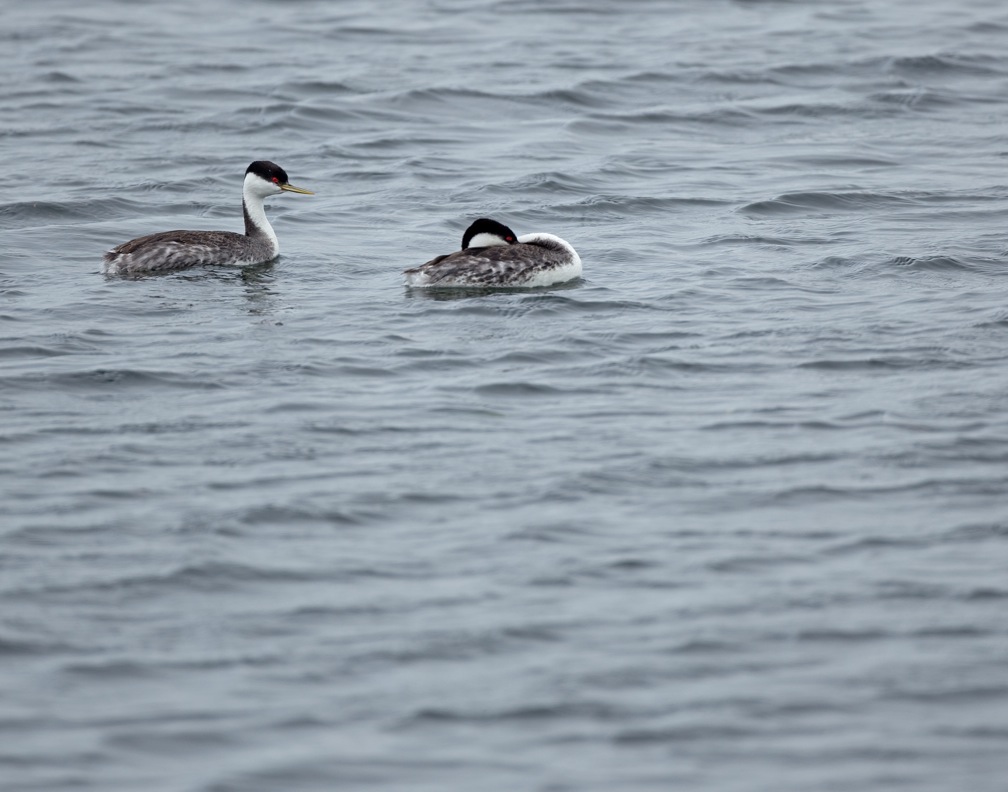

From even just one brief interaction with students and faculty at Brown University, I might have predicted that a leader of that university would be so well suited to make this argument:
…we should embrace the debate about the value of the humanities. Let’s hear the criticisms that are often leveled, and do what we can to address them. Let’s make sure we give value to our students, and that we educate them for a variety of possible outcomes. Let’s do more to encourage cross-pollination between the sciences and the humanities for the benefit of each. Let’s educate all of our students in every discipline to use the best humanistic tools we have acquired over a millennium of university teaching—to engage in a civilized discourse about all of the great issues of our time. A grounding in the humanities will sharpen our answers to the toughest questions we are facing… Continue reading
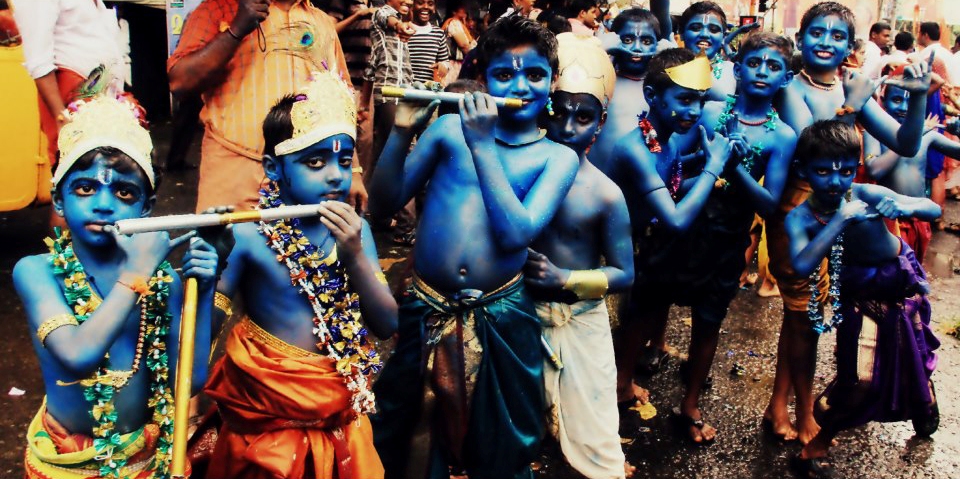
Photo credits: R R Ranjith
Ashtami Rohini is the celebration of the birthday of Lord Krishna. Also known as Sri Krishna Jayanti, the festival is celebrated during the month of Chingam on the Rohini star in Kerala’s Malayalam calendar, falling this year on August 28 , 2013. For this festival all the temples of Lord Sri Krishna are decorated with lights and devotees visit the temple with children dressed up as Lord Sri Krishna. Continue reading
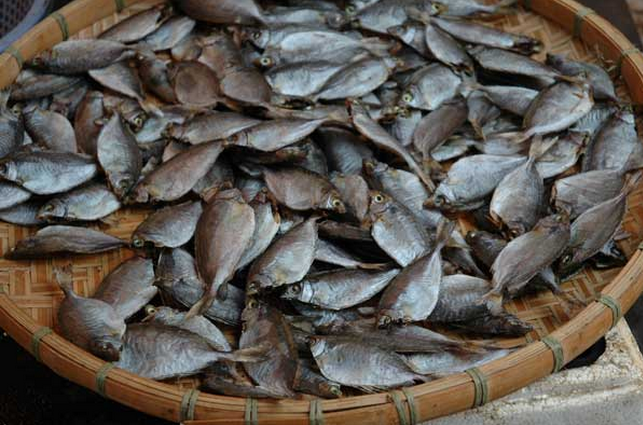
Aquaculture is found world-wide but one irony of the industry is that often wild caught fish are used as feed for their farm raised cousins, which is both counter-productive and environmentally unsustainable. A recent breakthrough by scientists at the University of Maryland Center for Environmental Science’s Institute for Marine and Environmental Technology will make that vicious cycle a thing of the past.
“Aquaculture cannot sustainably grow and expand to meet growing global population and protein demand without developing and evaluating alternative ingredients to reduce fishmeal and fish oil use,” said the study’s lead author, Dr. Aaron Watson.
Supported by another paper published in the Journal of Fisheries and Aquaculture, the team has proven that a completely plant-based food combination can support fast-growing marine carnivores like cobia and gilthead sea bream in reaching maturity just as well as—and sometimes better than—conventional diets of fish meal and fish oil made from wild-caught fish. Continue reading
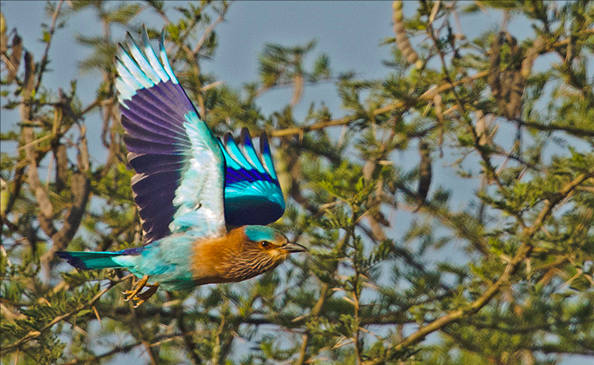
Maghamala Wildlife Sanctuary, Tamil Nadu

Photo credits: Ramesh Kidangoor
Pulluvan Pattu is the music sung by the caste known as Pulluvas, which means lower caste. It is accompanied by hand-made stringed instruments such as Pulluva Veena. In Kerala this is the traditional music is associated with the worship of Snake Gods.

This may be the only time you find a link related to clothing on this site. But it is not the clothing that motivates the link. We liked the way this fellow explained his unique humility, so we have watched the same publication for more surprises. Here is one. A man of considerable success and apparently little pretension. Artisan ethos. Nothing about conservation, but a pretty clear sense of community (never mind the blue bloods and rock stars; it is the early morning conversations with the road sweeper that we can relate to) and at least with his five decades of marriage a clear sense of collaboration as well:
What’s the best thing and what is the weirdest thing you’ve ever received?
I have a fan that has been sending me things covered in stamps for over 20 years. I don’t even have any idea who it is, there’s never any letter. Around my desk at the moment I have a red watering can for the garden, a yellow sunflower, a bowling pin, a boat-shaped birdhouse, a yellow chicken and a long piece of wood, all covered in stamps with the address on it. So that’s just one crazy thing. But I get all kinds of things – I just had a little book sent to me, a story about me by a 10-year-old schoolgirl. Continue reading
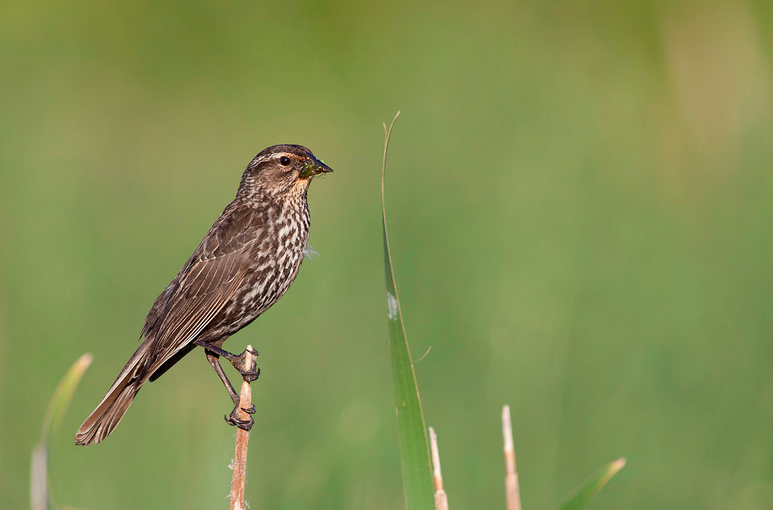
The concept of ethical eating isn’t new to these pages and neither is the suggestion that cuisine might be the secret weapon in the fight against invasive species. So we were thrilled to read about chef, artist, environmentalist and social activist Bun Lai’s menus based primarily on what he can forage from his 100 acres of shellfishing grounds off of the Thimble Islands in Connecticut.
The kitchen is the perfect place to exhibit the spirit of exploration and creativity–why not exploit it as a method of controlling ecological pests?

Photo credits: Ramesh Kidangoor
Pondicherry is the capital city of “The Union Territory of Puducherry”, one of the famous tourist destinations in South India. The main attractions are the backwaters, palm-fringed beaches, fishing villages and the French boulevard town with its French heritage–not to mention the charming and picturesque beach side promenade. Pondicherry was the largest French colony in India with a long and interesting history of trade and war. Continue reading

Námarskarð mud pits, Iceland © Navis Photography
Over the summer, several people have asked me, after I tell them what I’m researching, whether the books I’m looking at are actually enjoyable to read or just another dry primary source, as dreary and monotonous as many travelers found Iceland’s vistas during the eighteenth and nineteenth centuries. As with most things, the answer depends (largely on the book and certain chapters of each book), but for the most part I’ve flipped through hundreds of pages of travel literature with pleasure, not only because I know I’m being productive despite the beautiful day two floors above me outside Cornell’s Olin Library, but also because I find the Victorian British style of these authors–most of the works I’ve read so far were published between 1850 and 1880–quite engaging and fun to read.
Consider, for example, the following excerpts from Sabine Baring-Gould’s description of Námarskarð, an area full of hot mud springs in northern Iceland, in his 1863 book, Continue reading
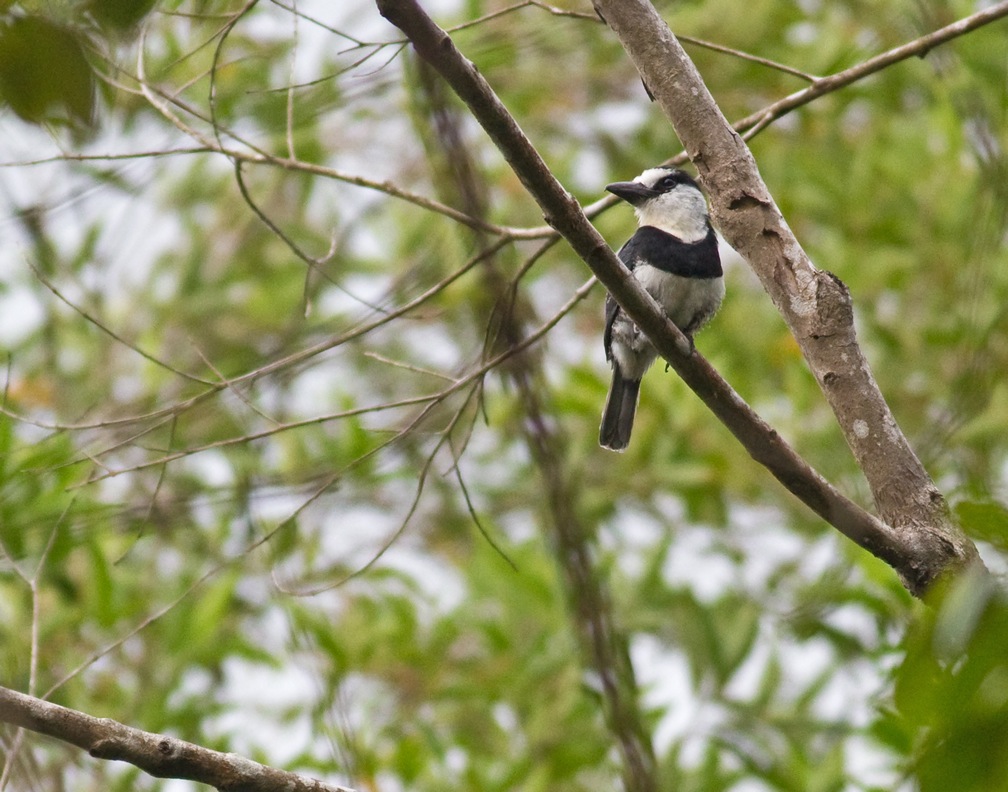
Gamboa, Panama
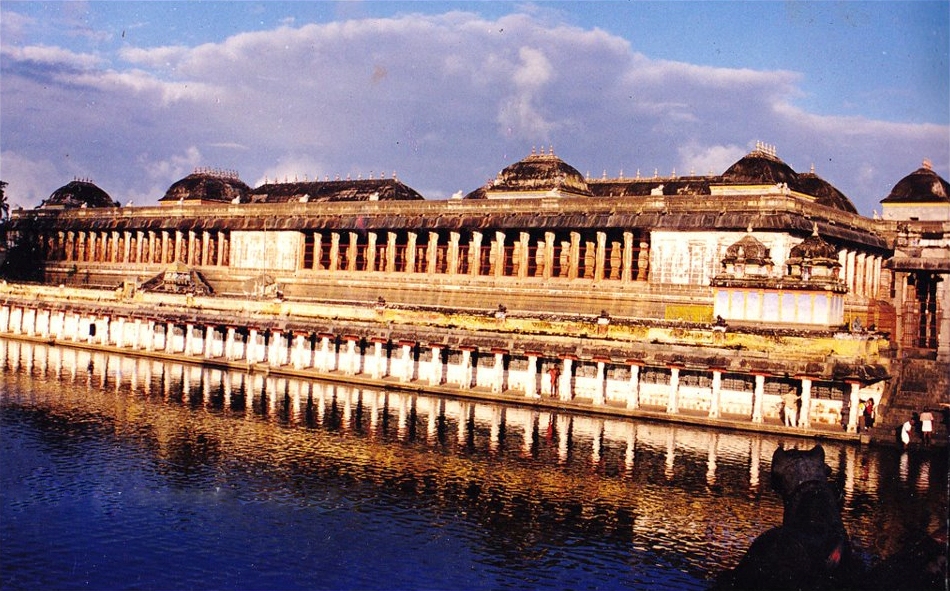
Photo credits: Ramesh Kidangoor
Chidambaram is uniquely interesting because it is the only temple complex to understood to be built primarily between the 12th and 13th centuries. This temple is dedicated to Lord Shiva. A huge Shiva Ganga tank is the one of the main attraction of this temple. Continue reading
He is an entrepreneur, so we find him interesting. As with some other entrepreneurs featured on this podcast, we find him more interesting because of a higher calling in his business model. He starts with excellence as defined by a few keywords–simplicity, quality, clarity, individuality, functionality–but he clearly cares about family and others outside his business. We find him most interesting because Simon Pearce contributes to the common good. It is these ethics, not revealed directly in the From Scratch interview, but visible (though not “in your face” visible) on his company’s website, that make him worthy of more attention:
KP LoveYourBrain Bowl
Simon Pearce will DONATE 100% of THE PROFITS from the sales of the KP LoveYourBrain Bowl to the Kevin Pearce Fund.
I was pleased to see our fellow contributors give voice to the promising outlook of solar energy in a recent post. There is no doubt that this technology will be a game-changer for utilities in the coming century, and I’m excited to be a part of it. Last month, I was thrilled to start my first full-time position at SunPower Corporation, one of the largest solar cell manufacturers in the United States. Tempering that excitement was the knowledge that, at least for the short term, I wouldn’t be traveling to India to work with Crist and some of his wonderful staff. But let’s back solar.

This is every solar installer’s dream: a perfectly tilted, south-facing, non-shaded, sun-bathed roof.
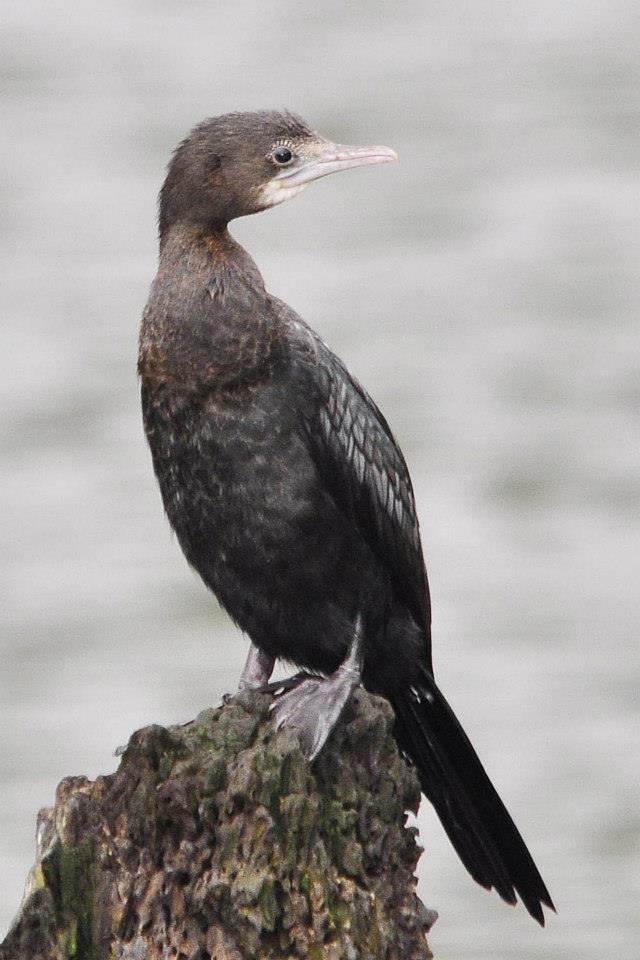
Gavi, Kerala
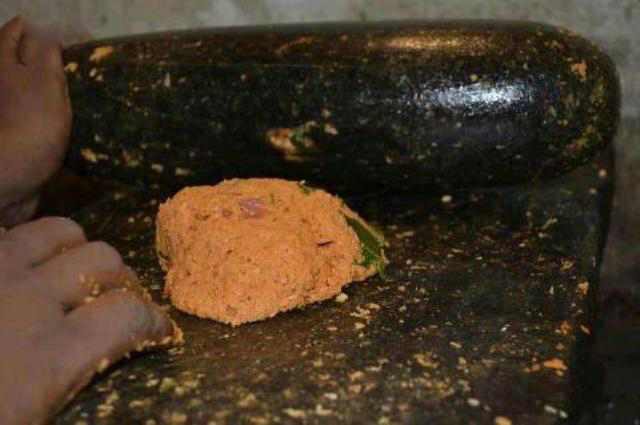
Chammanthi
Chammanthi is one of the Kerala’s regional dishes. Traditionally whole coconut and red chillies are roasted over burning charcoal and then pounded and freshly ground with onion, curry leaves, ginger, tamarind and salt on an Ammikallu (a classic tool consisting of slightly concave stone with a cylindrical pestle). Continue reading

Adult nilgiri langur holding young leaping between trees
Thekkady-Kumily and the Periyar Tiger Reserve lie near the border between Kerala and Tamil Nadu. Periyar lake is an important watershed and a lifeline for wildlife in the region. The lake was created by the building of the Mullaperiyar Dam in 1895. What was started as a private game reserve became a wildlife sanctuary, and later the Periyar Tiger Reserve. While the area where the reserve is located is well-known as Thekkady, the town is named Kumily. It was a 5 minutes drive from our hotel to the PRT (Periyar Tiger Reserve) and from the entrance it’s a 500 meter walk to reach the boating jetty. From the jetty point, many visitors to the reserve take an hour-long boating safari where, with luck, the action along the bank can be viewed. For birders, most of the aquatic species can be expected, so luck is far less of an issue.
The evening of our arrival we had a workshop session during which our mentor gave us a good grip on exposure, metering, ISO and lots of inputs about the technical aspects of photography in general and wildlife photography in particular.

White-cheeked Barbet
Early morning on the first day after a quick tea and snacks we headed out to PRT with all our gear. We were met by forest naturalists who were very well versed with the local conditions and the birding scene at that particular time of the year. We were given thick canvas knee-length “leech” socks which are dusted with tobacco powder, making them 100% leech resistant. We boarded a small raft driven by rope pulley to cross one of the many “fingers” of the many branched reservoir. After a brief time following the banks of the water we turned into the dense forest, where the penetration of morning sunlight was minimal. With such heavy equipment we really had to dodge the trees and hanging vines and made our way through the forest. The bird species sighted that first day were Malabar Trogon, White-bellied flycatcher, small blue kingfisher, spot-billed ducks, grey heron, Indian pond heron, little cormorant, white-cheeked barbet and a Malabar frog as an added bonus. It was a good 3 hr forest walk with birds chirping, frogs croaking and crickets making their presence felt. While just walking out of the PRT, we had a good sighting of a pair of grey Malabar hornbill with good photographic opportunity for all of us at close range. Our mammalian captures included a Malabar giant squirrel munching a nut and a group of Nilgiri langurs with young ones jumping around trees providing fantastic opportunities for dynamic shots. Continue reading

 Organikos