Cricket Is Critical

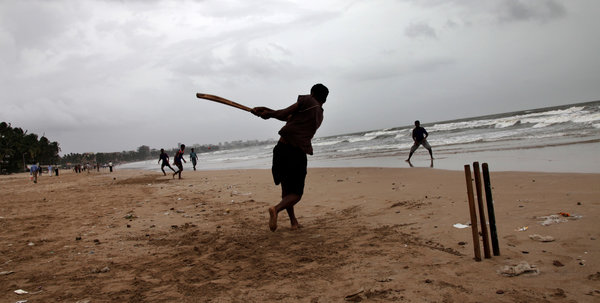
Kuni Takahashi for The New York Times. Juhu beach in Mumbai, India.

Kuni Takahashi for The New York Times. Juhu beach in Mumbai, India.

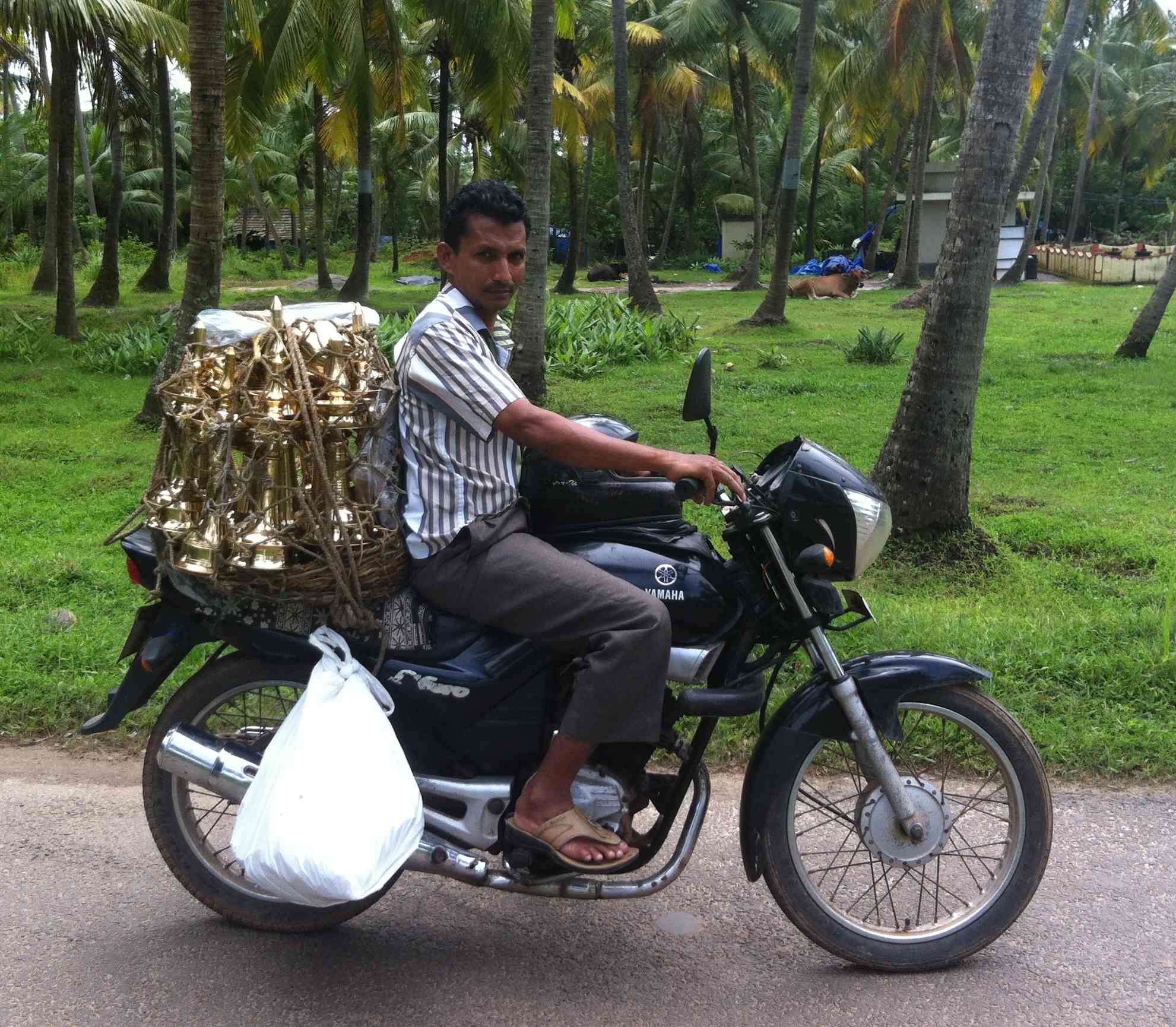
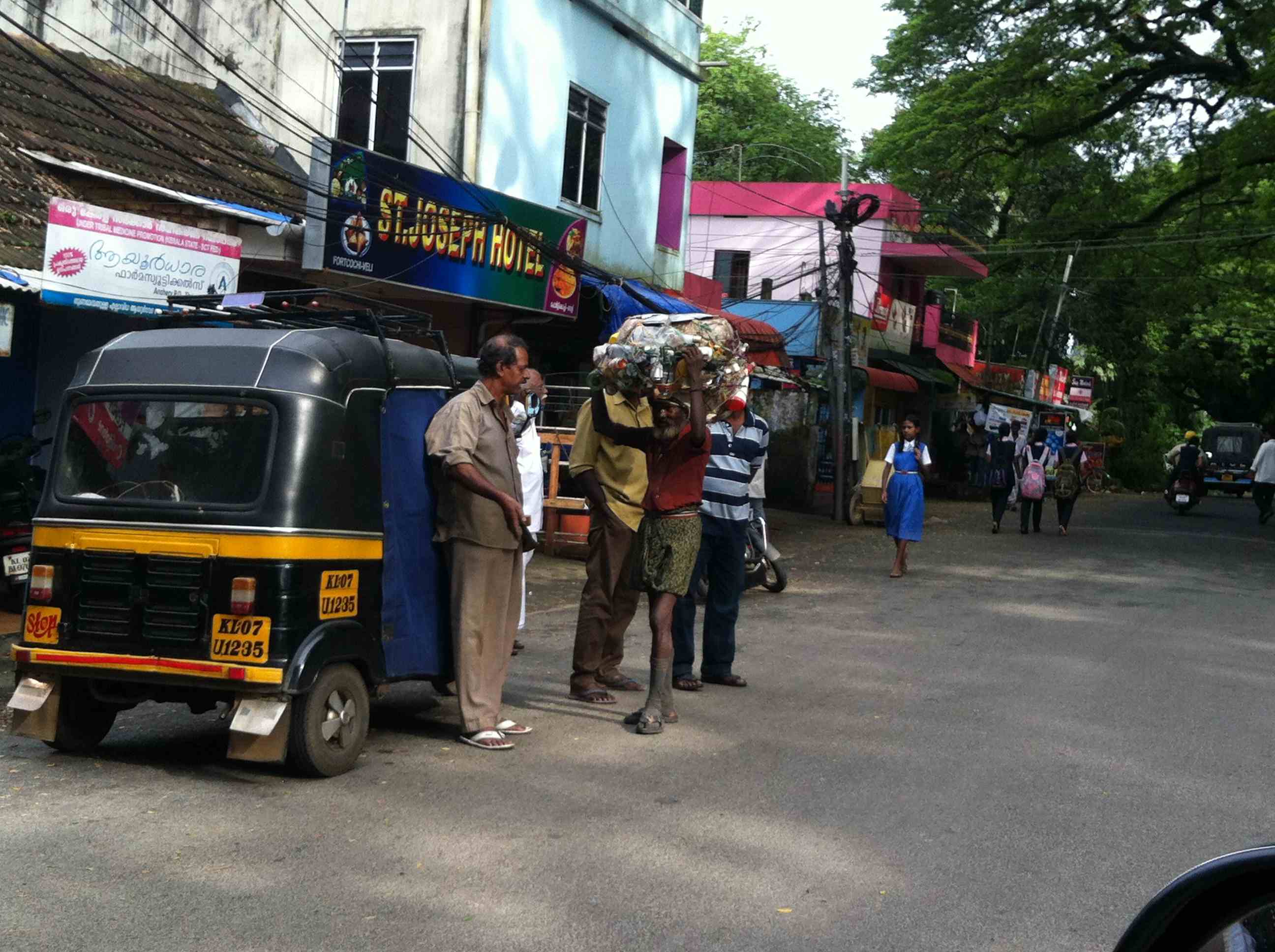
The abundant wildlife and traditional culture of India, especially Kerala and its neighboring states in the south, are our most common interests, both on this blog and within the lodging properties we develop and operate. Salim’s brief, daily posts are a mainstay of these interests. Selveraj’s frequent posts capture, in a single snapshot, the uniquely south Indian on-the-road experience.

What we offer less of, for good reason, is an attempt to capture “India” in small snapshots. The quotation marks denote that India is the name of a country, yes, but that it is realistically more the name of an idea; an ideal; any attempt to capture that in a single view or experience is futile because of the complex, diverse and dynamic components.

Continue reading

The Internet and Citizen Science

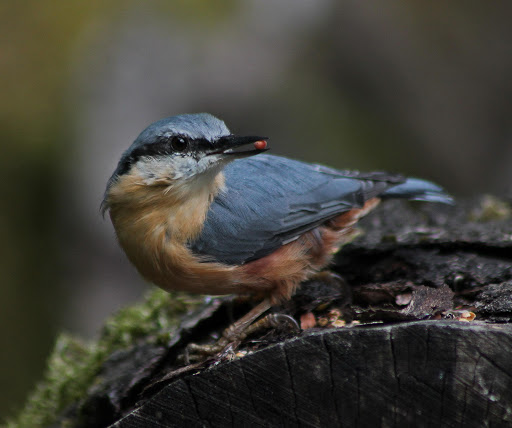
Eurasian Nuthatch by Pieter Colpaert on ProjectNoah.org

For the past two years I’ve been working at one of the Cornell Lab of Ornithology’s citizen science projects, Celebrate Urban Birds, which largely relies on the Internet to disseminate information about birds and urban habitat, to reach new audiences, and to receive the daily data that participants provide by uploading their observations directly onto the CUBs website.

The CUBs science model involves thousands of 10-minute bird observations around North America, and many of them come to the Lab of Ornithology on pen and paper data forms that then have to be scanned in, so internet observations are preferred. Another citizen science project based out of Cornell that I’ve highlighted before, the Lost Ladybug Project, isn’t based on data forms, but on photographs of ladybugs found across the US, focusing in particular on the nine- and two-spotted ladybug. As I  mentioned in my brief post on the Lost Ladybug Project, one of the goals outlined in their National Science Foundation Project Summary is to create “one of the largest, most accurate, accessible biological databases ever developed.”  Continue reading

Aihole Durga Temple – Karnataka

Photo credits : Ramesh Kidangoor

Photo credits: Ramesh Kidangoor

Located in the Bagalkot district of Karnataka Aihole (pronounced: eye-HO-lee) served as the capital of the Chalukyan Dynasty from the 4th to the 6th century A.D. The Durga temple was built between the 7th and 8th century during a rich architectural era. Continue reading

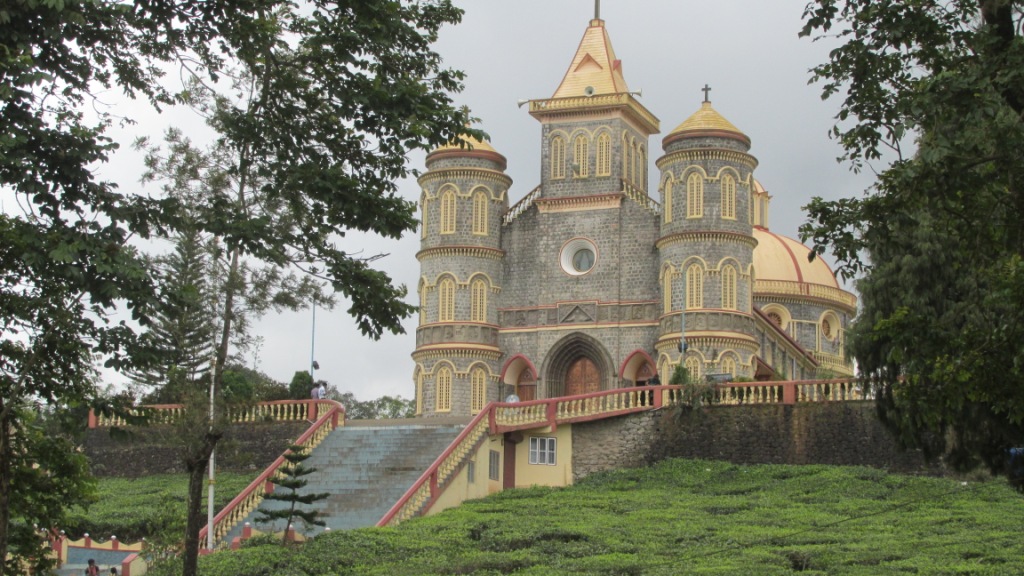
Velankanni Matha Church, Pattumala

Pattumala is a picturesque place with an unending expanse of lush green tea plantations along the Thekkady-Kottayam Route near to Vandi Periyar. The main attraction of the area is the Velankanni Matha Church, a structure built in granite that has become a famous pilgrimage spot. Continue reading

Sharing My Summer Travels

“The world is a book and those who do not travel read only one page.” -St. Augustine.

Over this past summer, I’ve had the extraordinary opportunity of traveling around the United States and abroad to see some various national parks. Traveling abroad–and especially, traveling to areas of natural beauty carved out by Earth–always serve as a humble reminder of how little we’ve seen and how important global conservation efforts are. I’d like to think that my summer’s travels to China and Hawaii have opened a little bit more of that book, and it’s with great pleasure that I share some of the pictures from the trip.

Continue reading

Live from the Hive

Did you ever wonder what it is like to be a Honeybee? Now you can see for yourself with the new live Honeybee cam above. Brought to you by the same people who brought you the famous Bear cam, this live feed offers a variety of camera views of a Honeybee hive recovering from a hive collapse. Continue reading

Citizen Science in Belize: Part 2/2 – If You Can’t Beat’em, Eat’em

Photo by Alexander Vasenin

Lionfish sushi – Photo © World Lionfish Hunters Association (click on photo to visit their website)

In Part 1 of this post I talked about the lionfish invasion that is threatening coral reef and other marine ecosystems throughout the Caribbean, Gulf of Mexico, and Southern Atlantic Seaboard of the United States.  Scientists, environmental groups and governments that are studying the problem have all come to the conclusion that it is probably impossible to eradicate lionfish in the Atlantic – they are here to stay. Continue reading

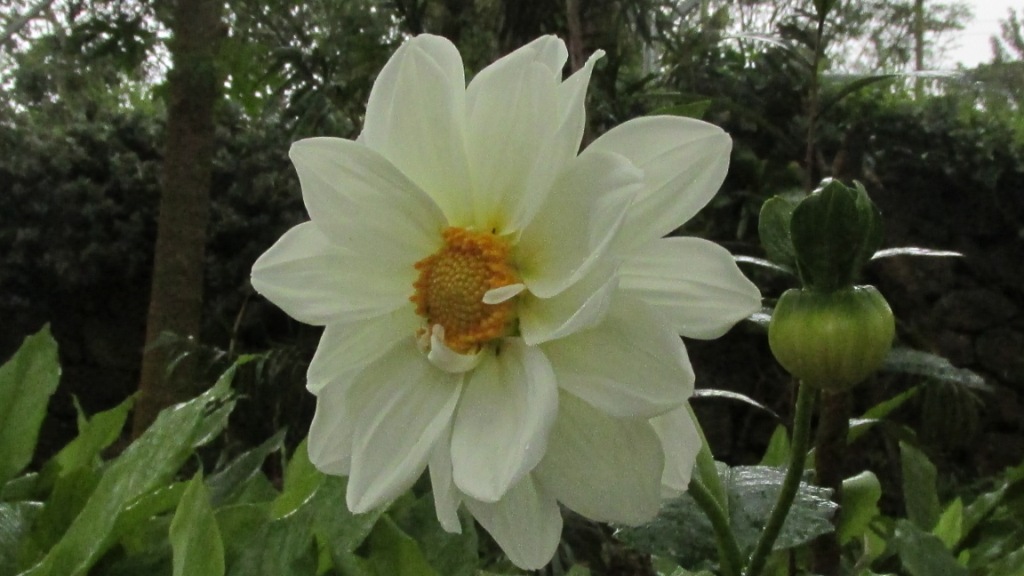
Dahlia – Bridesbouquet

Collerette Dahlia

Collerette Dahlia

Dahlias are the most common garden flower found in the High Ranges of Kerala. In Thekkady they bloom with colorful and dense flowers year round, but in places where frost occurs or in climates with four distinct seasons they bloom from high summer to the frosts of the fall. Continue reading

Conservation and Your Health

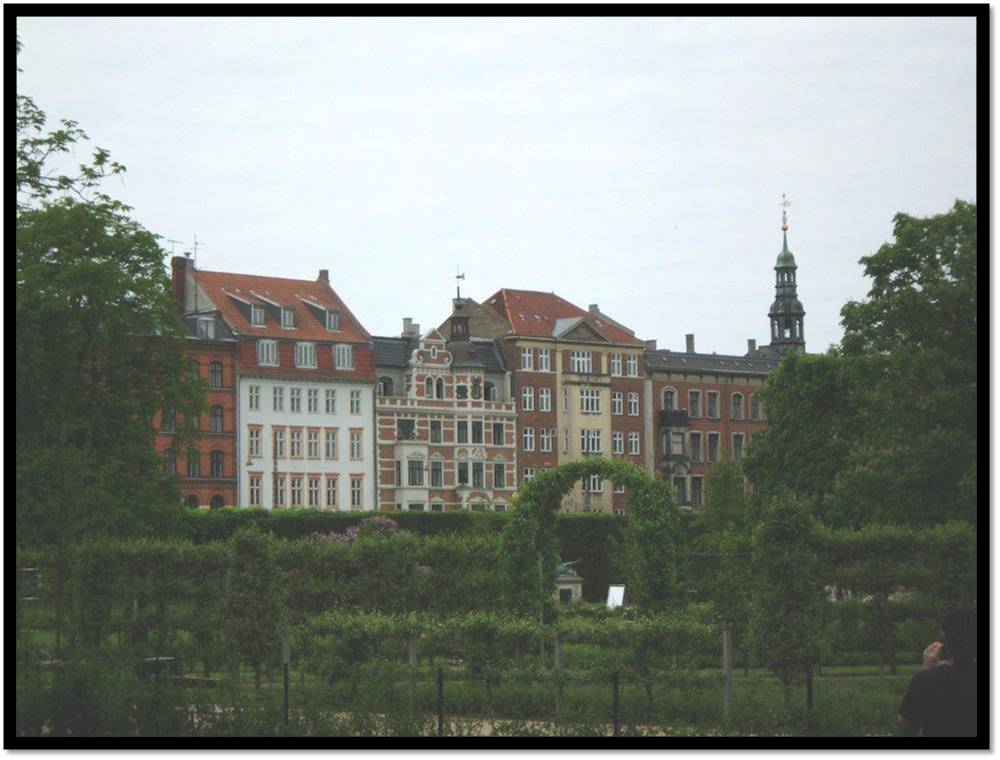
Park in København  -Enriching the city's biodiversity

Park in København -Enriching the city’s biodiversity

Conservationists have always referenced the benefits of biodiversity to the natural world, but many people wouldn’t associate that benefit with our own species. Humans have always had a bond and relation with the natural world, so it is logical that the change, no matter how small, in one would affect the other. According to a Discovery Magazine article, there is new compelling evidence out there showing that biodiversity is good for our health, and the lack of it in urban areas might be the cause of the rise in inflammatory and allergy problems.

The main evidence comes from a Finnish study that found that children who lived in a more biodiverse environment were less likely to have an allergic reaction to a controlled allergen substance than children who did not.

…the urban-dwelling nature of developed countries may be to blame for their increasing problem with inflammatory diseases. If so, conservation of natural spaces, including parks and other green initiatives, may be key to protecting the health of future generations. Continue reading

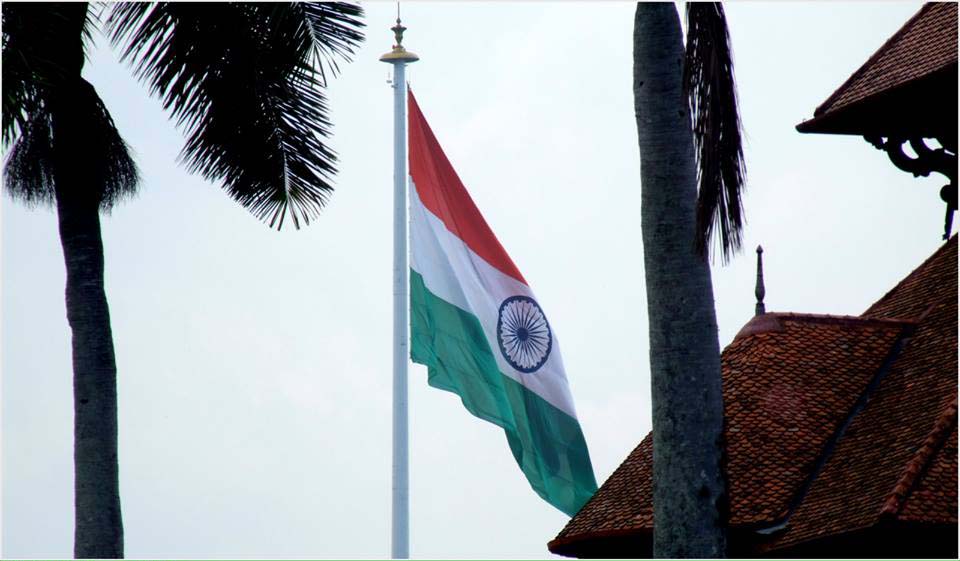
67th Independence Day Celebration – India

 India's National flag is a horizontal tri color of deep saffron at the top white in the middle and dark green at the bottom a blue wheei in the centre of the white

Photo credits: Ramesh Kidangoor 

India became an Independent nation on August 15, 1947 and celebrates Independence Day on that same date annually.  Flag hoisting ceremonies and cultural programmes take place in governmental and and non- governmental institutions throughout the country. Continue reading

Superlative Sharing

India Republic Day Doodle

India Republic Day Doodle

Although the “Google Doodle” above was published to commemorate the day the Indian Constitution came into force, it seems appropriate to reshare it for Indepence Day as well. That spirit of sharing is evident in the internet giant Google’s launching of the Google Impact Challenge in India. Nikesh Arora, Google’s senior vice president and chief business officer, wrote

On the eve of India’s Independence Day, we’re celebrating the spirit of creativity and entrepreneurship of the world’s largest democracy by spotlighting the best local nonprofits that are using technology to make the world better. Continue reading

Thirumalai Nayak Palace – Madurai, Tamil Nadu

Photo credits: Ramesh Kidangoor

Photo credits: Ramesh Kidangoor

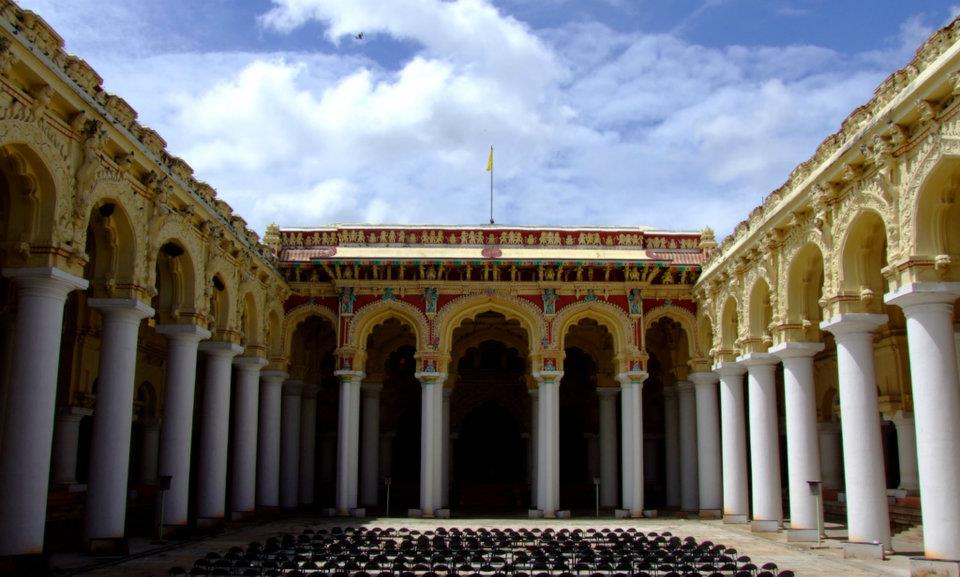
Thirumalai Nayak Palace was built by Thirumalai Nayak, one of the greatest of the Nayakkar Kings of Madurai, with the help of an Italian architect in 1636. The palace is a classic example of the Indo-Saracenic style of architecture. The main palace has a rectangular courtyard flanked by tall arcades each with their own distinct carvings.

Continue reading