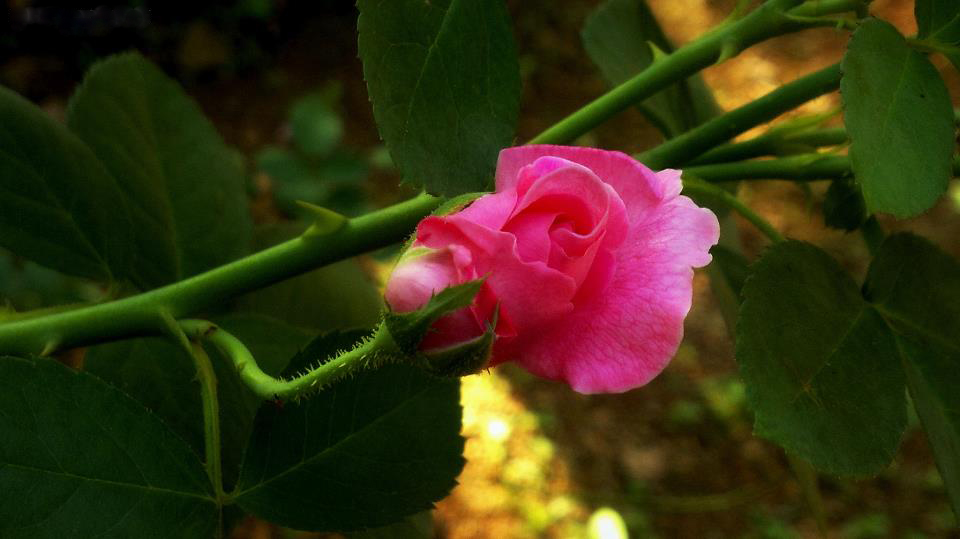
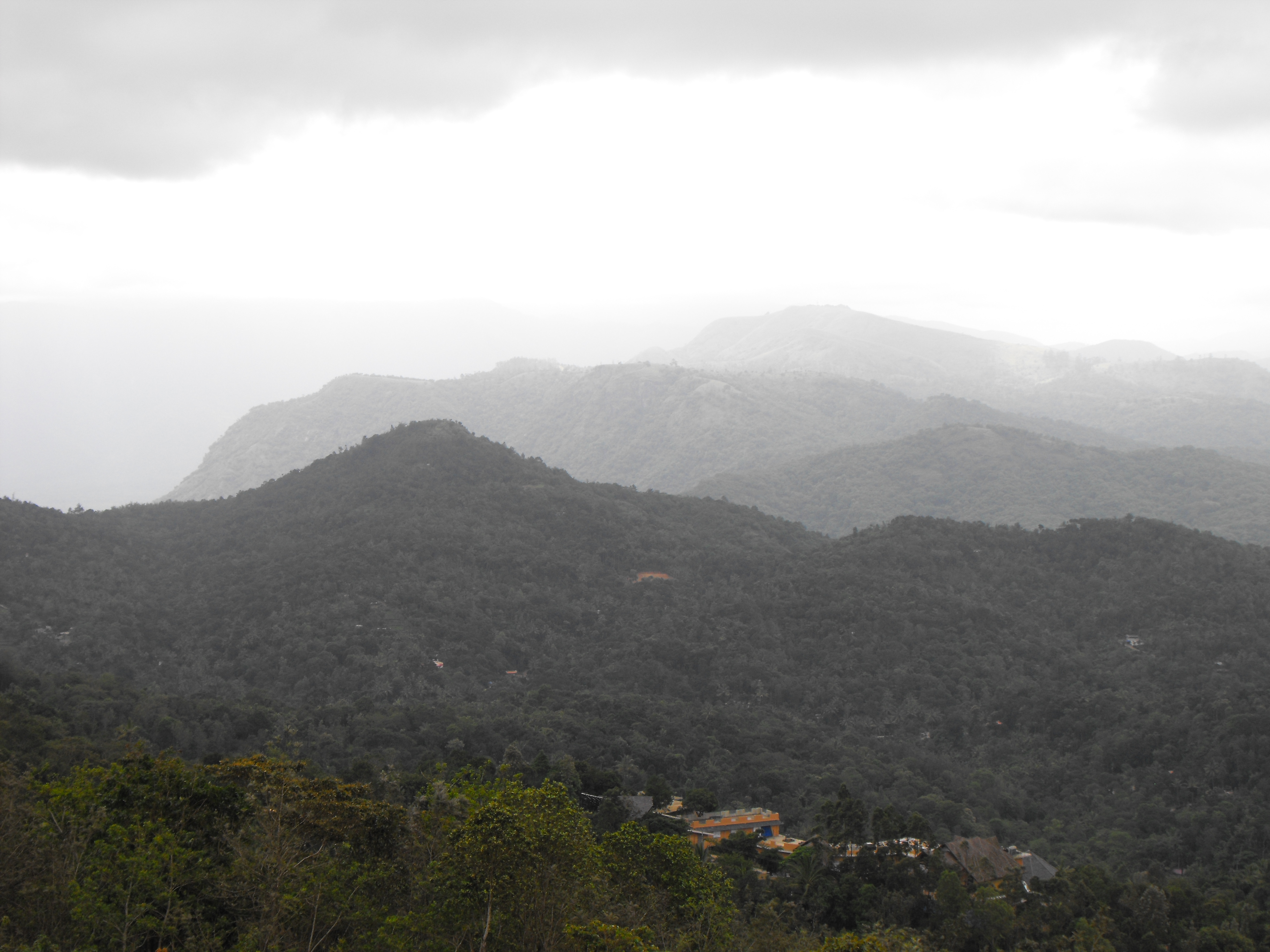
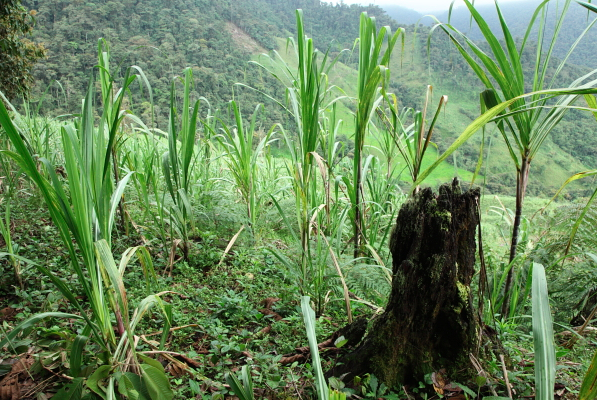
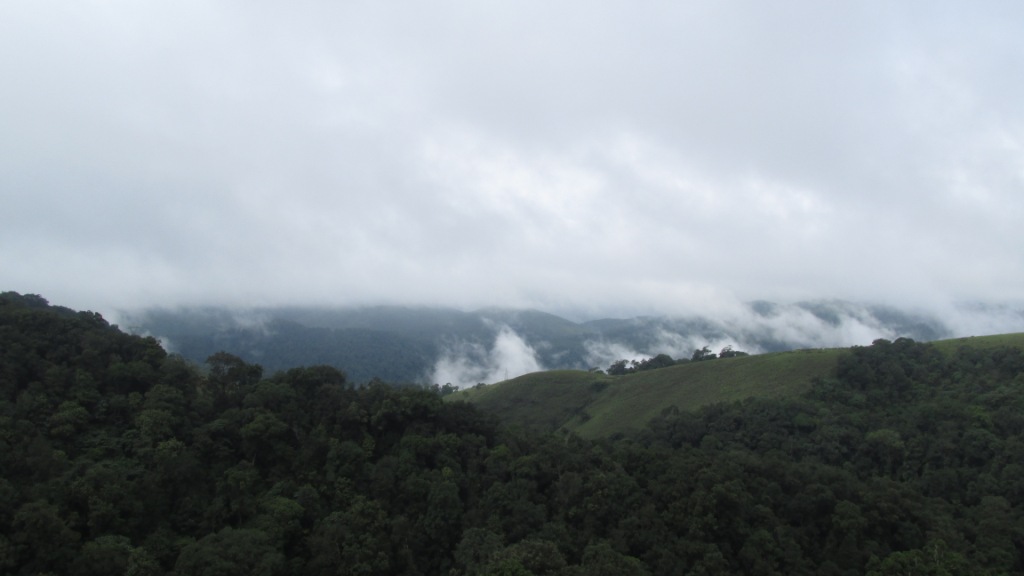
Pink Roses are popularly crop for commercial and domestic cut flowers. This low-growing climber is well-suited to cooler regions and therefore is very commonly found in the High Ranges of Kerala. Pink Roses are good repeat bloomer.
Bird of the Day: Peacock (Bandipur Tiger Reserve, Karnataka)
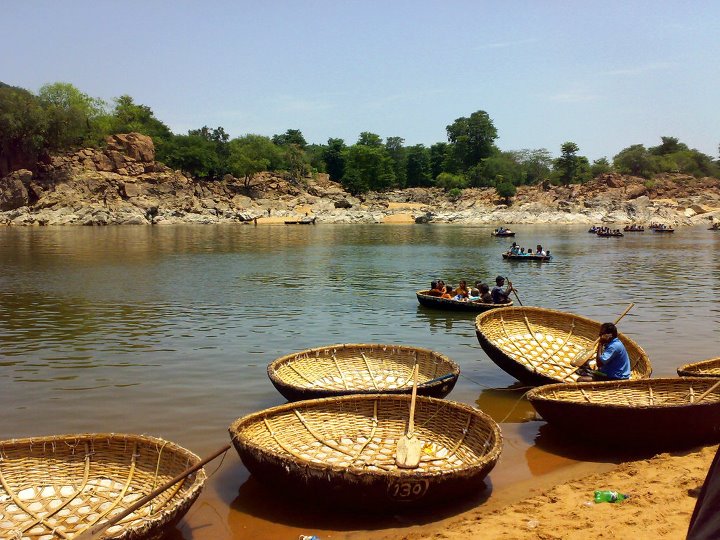
Coracle – Traditional Boats
Coracles are local fishing crafts that are circular and ideal for navigating river waters. These traditional vessels are made out of reeds and the design is believed to have been used for centuries. They are mainly used for fishing and river crossings. Continue reading
It’s About The Collaboration
All six minutes are a pleasure, but the last few seconds resonate across time and space:
This past fall, Yolanda Cuomo, a New York-based artist and graphic designer, learned that she had to vacate her Chelsea studio of twenty-five years. Continue reading
From Behind the Wheel: Shoreline Sidesaddle
Green Citizens, Green Consumers, Fear And Hope At The Aspen Ideas Festival
Thanks to James Fallows for referring this on his blog page on the Atlantic‘s website:
After a brief stage-business intro from me, the first 15 minutes or so are Harvey presenting an overview of how to think about carbon, coal, natural gas, electric grids, extreme weather, and other sources of problems and possibilities. The rest is our discussion, and questions from the audience. Continue reading
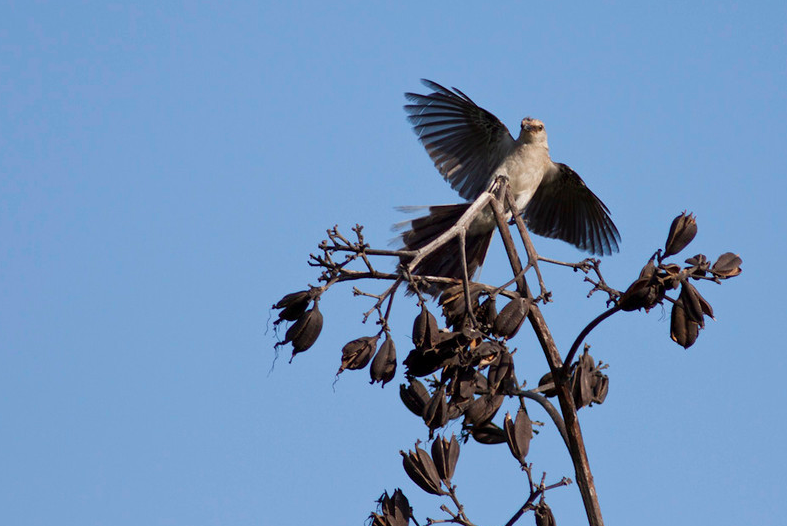
Bird of the Day: Tropical Mockingbird (Las Coloradas, Mexico)
Angels’s Trumpet – Datura suaveolens
Angel’s Trumpet is native to Tropical America but naturalised in India, especially in the Western Ghats up to 2000 meters. It’s a tall shrub with very large drooping trumpet-shaped white flowers. Continue reading
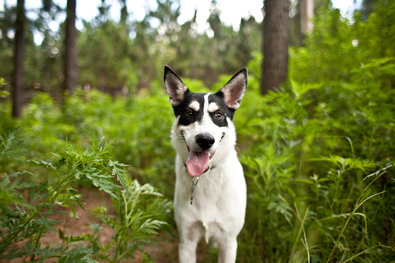
An Old Dog Doing New Tricks

John W. Adkisson for The New York Times. Peony, a Carolina dog. Some of the breed’s rare traits include a fishhook tail, a pointed, somewhat lupine face and the habit of digging snout pits.
DNA is the trick that brings some new respect to this canine line, in a debate we did not even know about until today’s New York Times Science section revealed it:
Carolina dogs, like a few other breeds, are without certain genetic markers indicating European origins, suggesting they have been in the Americas Continue reading
Exploring My New Surroundings
This past weekend I was able to explore the surrounding areas of Kumily and Thekkady, where I am staying for the next three and a half months. For this trek I went with RAXA Collective team member Salim, who is very knowledgeable and familar with the area. First he took me to see a scenic overlook. Here I saw and learned about the natural mountain border that separates parts of the state of Kerala and Tamil Nadu. After a short drive from the overlook we arrived at a small spice plantation where Salim taught me about some of the local spices grown in the area such as cardamom, lemongrass, mint, and cinnamon. Continue reading
Is An Organic Diet Better?

Associated Press photo. Organic foods have made big inroads in supermarkets like this Hannaford store in Quincy, Mass.
This question is asked in relation to the diet of a particular nation, but the various answers provided by these experts could apply anywhere:
Sales of organic food have been rising steadily over the past decade, reaching almost $30 billion in 2011, or 4.2% of all U.S. food and beverage sales, according to the Organic Trade Association.
Many of the consumers who purchase these products say paying more for organic produce, milk and meat is a trade-off they are willing to make in order to avoid exposure to chemical pesticides and fertilizers and milk from cows given bovine growth hormone. But other families—especially those whose food budgets may be more limited—wonder if organic food is really worth its hefty price tag.
So far, researchers haven’t been able to provide them with a definitive answer. Continue reading
Why agroforestry has struggled in Barrio Nuevo
Good news: after lots of talking, listening, and uphill walking, we’ve completed our work in Barrio Nuevo. Researching the shade coffee project in Barrio Nuevo was extremely insightful. I admit, the success of the project was a bit disappointing, but this itself was a lesson in being more detached form one’s research. From a research standpoint, there’s nothing wrong with a project failing. What good would this evaluation be if we were only confirming that everything was going well?
So what went wrong? Why did it go wrong? How can it be fixed? And is there hope for agroforestry in Barrio Nuevo still? These are the questions I’ve been asking myself for almost a month and here’s what I’ve concluded from the first stage. Continue reading
Kashmir In Watercolor
Thanks to India Ink for this story:
Four years ago, Masood Hussain, one of Kashmir’s most renowned artists, worked on a series of watercolors of places, people and activities in and around his city, Srinagar. Imbued with realistic touches, alive with filigree details, and emitting a translucence bequeathed by the medium in the hands of a master, the series “Transparent Strokes” was snapped up by visitors to the city. Continue reading
Bird of the Day: Violaceous Trogon (Gamboa, Panama)
To Read It To The End, You Must Disbelieve It

Mark Thomas (left) and Guy Shorrock keep watch on Britain’s egg obsessives. “These are not normal criminals,” Shorrock says. Photographs by Richard Barnes.
Thanks to the New Yorker‘s commitment to a difficult topic–birds and their fate at the hands of regular and irregular people–and especially to Julian Rubinstein and his confidants for this taxing piece of journalism:
On the afternoon of May 31, 2011, Charlie Everitt, an investigator for the National Wildlife Crime Unit in Edinburgh, Scotland, received an urgent call from a colleague in the Northern Constabulary, the regional police department whose jurisdiction includes the islands off the country’s western coast. The officer told Everitt that a nature-reserve warden on the Isle of Rum, twenty miles offshore, had reported seeing a man “dancing about” in a gull colony. Everitt looked at the clock. It was 4 p.m., too late to catch the last ferry, so he drove Continue reading
Gavi – Thekkady
Gavi is about 40km drive from Thekkady through the dense forest of the Periyar Tiger Reserve. Mr. Shakti from Chennai visited Gavi last week and shared some of his photos with us. Continue reading
If You Happen To Be In London
The National History Museum in London is offering an opportunity to see works by a photographer whom you might have first encountered here, or you may be a member of his online community:
The world premiere of Sebastião Salgado: Genesis unveils extraordinary images of landscapes, wildlife and remote communities by this world-renowned photographer.
Sebastião Salgado: Genesis
11 April – 8 September 2013
Waterhouse Gallery Continue reading
From Behind the Wheel: Fraternal Mass Transit
Bird of the Day: Shikra (Pudukkottai, Tamil Nadu)
Powdermill Avian Research Center (PARC)
Thanks to Atlantic‘s website for hosting the Venue folks’ post about this remarkable research station devoted to a phenomenon we pay tribute to every day. In particular, this post helps understand a century+ of evolution in the research tools used to study the behavior of birds:
On a recent morning, Venue joined researchers Luke DeGroote, Amy Tegeler, Mary Shidel, Kate Johnston, and Matt Webb, as well as several dozen warblers, catbirds, and a cuckoo, for a tour of the various devices of bird surveillance at the Powdermill Avian Research Center (PARC), part of Carnegie Museum of Natural History’s Powdermill Nature Reserve. Continue reading