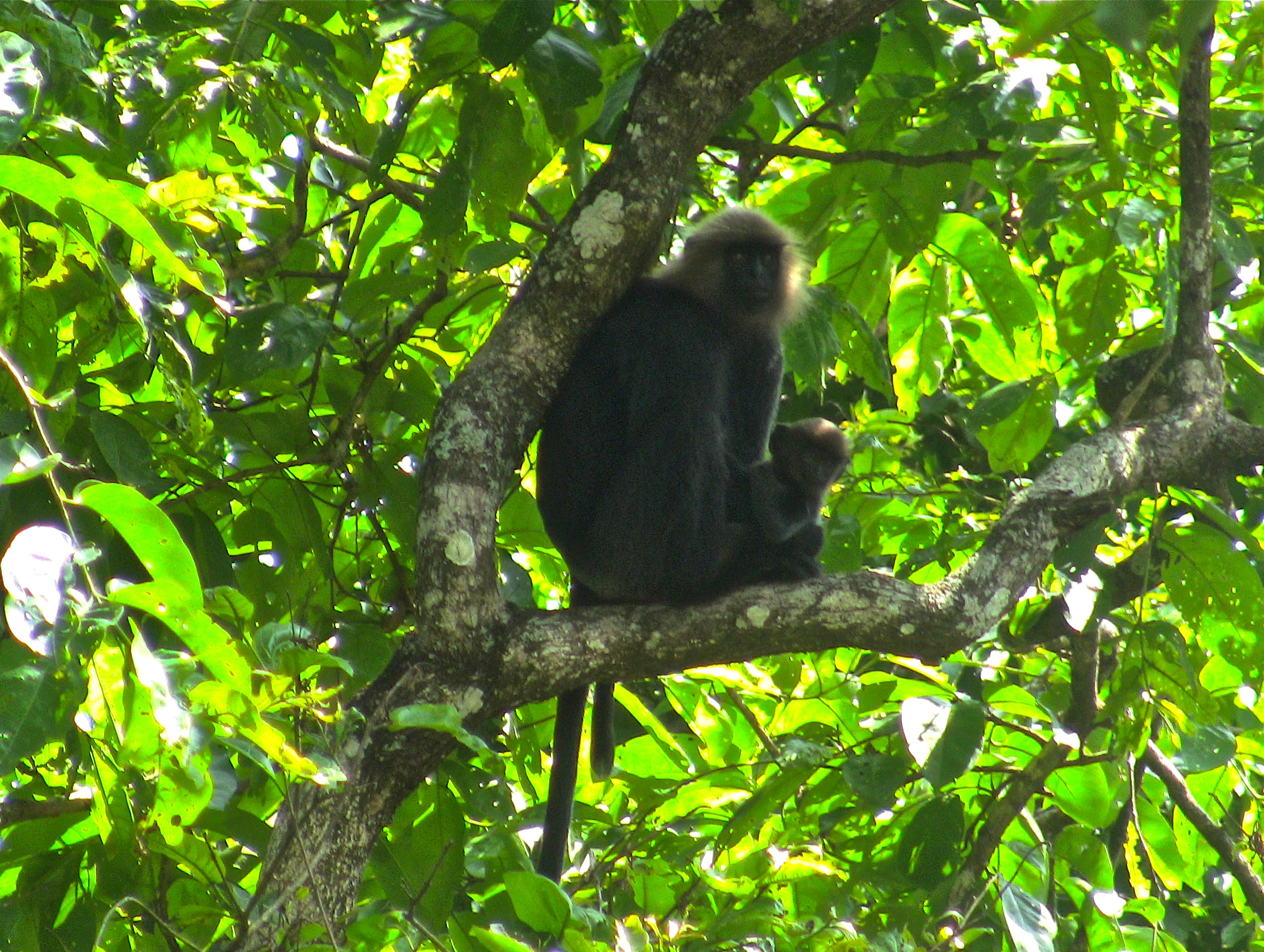
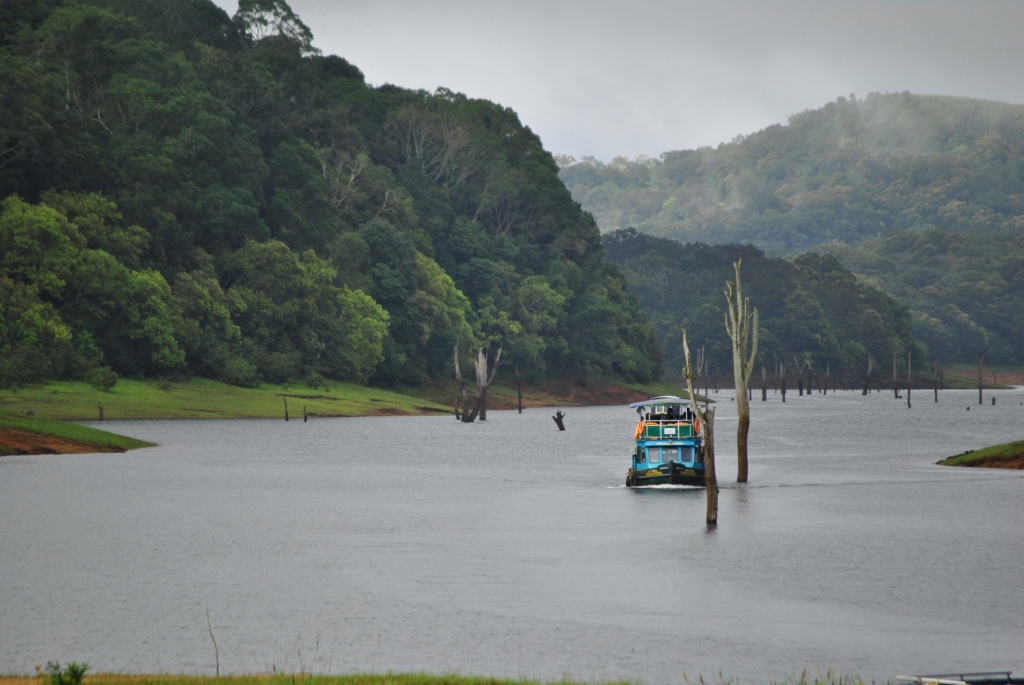
Two centuries ago, under the British rule, much of the Western Ghats forests were cut down to be replaced by tea plantations. In 1895, the damming of the Periyar river plunged 26 square km of pristine forests into what is now called the Periyar Lake. The 925 km2 of dense hilly forest that form the Periyar Wildlife sanctuary may seem huge, but it is actually a limited territory for the endemic species. Continue reading
Beauty Of Munnar – Lockhart Gap
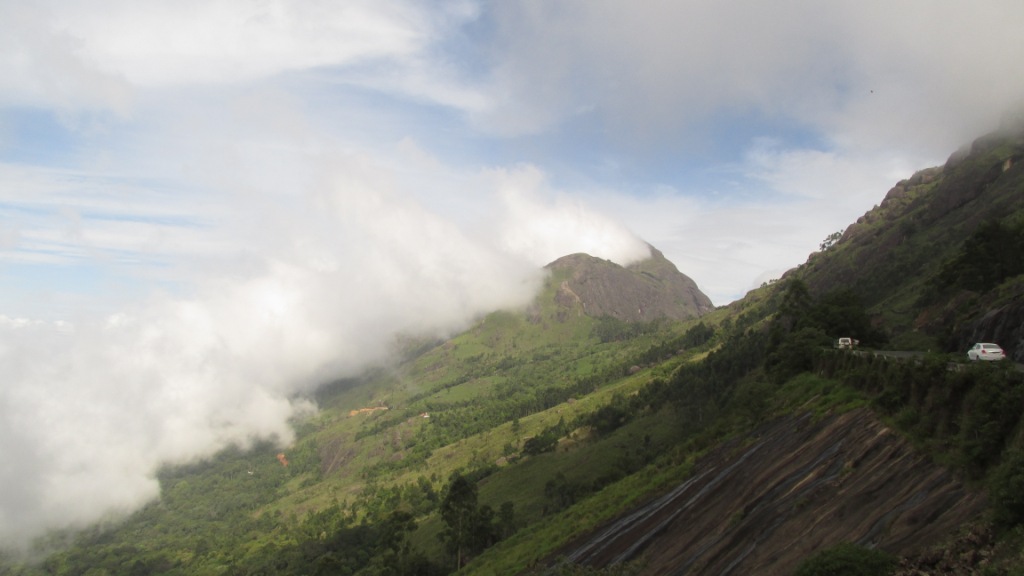
Munnar abounds in amazing views. The Lockhart Gap is located near Munnar on the Thekkady road, offering a bird’s-eye view of Bison Valley and the surrounding hills and tea plantations. It is also an ideal place for rock climbing. Continue reading
Exploring Iceland

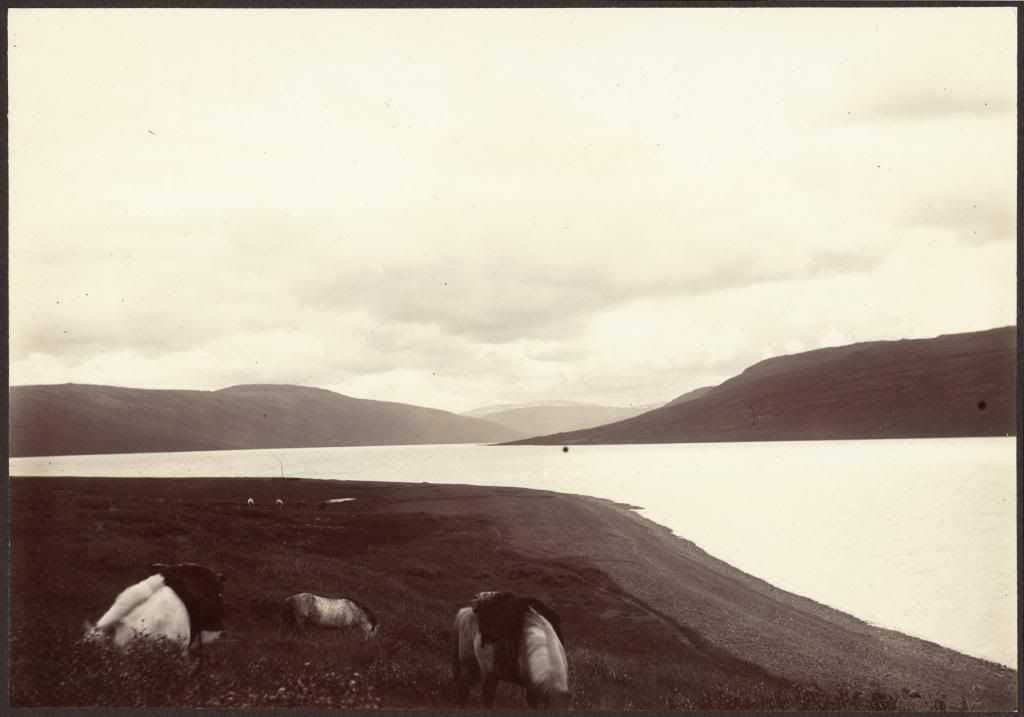
The head of Skorradalsvatn. Collodion print ca. 1900 by Frederick W. Howell. Bequest of Daniel Willard Fiske; compilation by Halldór Hermannsson at the Fiske Icelandic Collection of Cornell University.

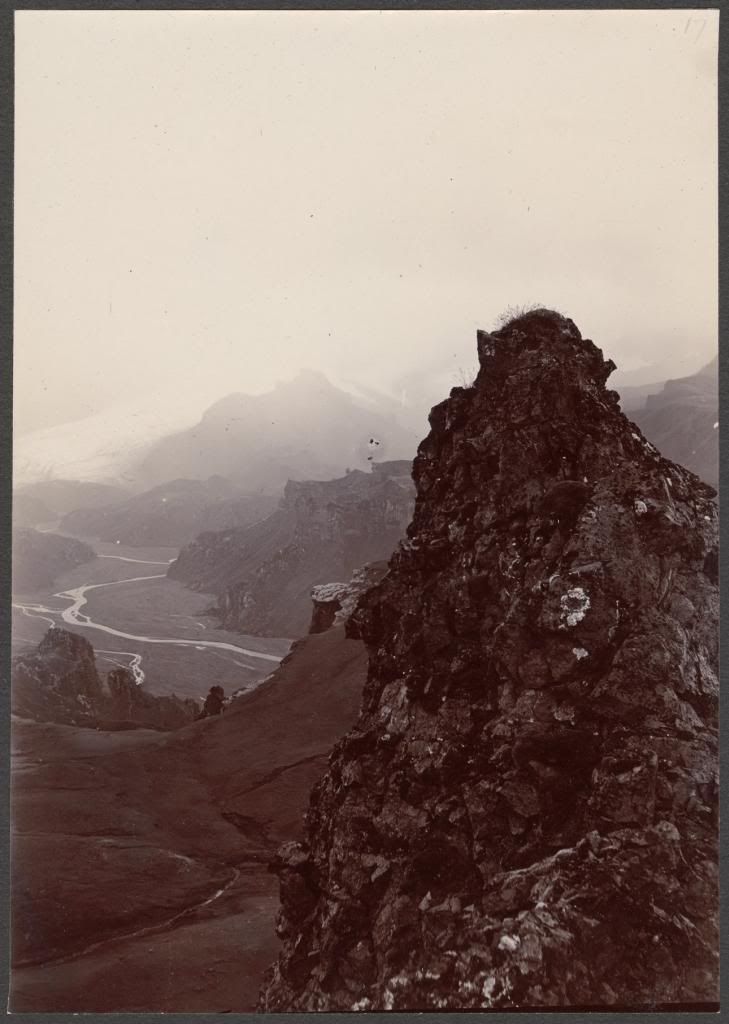
Þórsmörk. Head of Krossárdalur. Collodion print ca. 1900 by Frederick W. Howell. Bequest of Daniel Willard Fiske; compilation by Halldór Hermannsson at the Fiske Icelandic Collection of Cornell University.
It was mentioned a week or two ago that Iceland is in the air. For me, Iceland is on my mind, in my laptop, hidden throughout the Cornell libraries, and scattered about my room. After a couple essays for an environmental history course last year and some preliminary research for finding an honors thesis topic in the history major, I discovered that, thanks primarily to Cornell University’s first librarian, we have one of the largest collections of Icelandic material in the world. Since one of my projects for the environmental history class had shown me that Iceland was an interesting place to examine more closely, I did some more research and found the topic of European travel there during the eighteenth and nineteenth centuries engaging enough to choose as an honors thesis subject.
One of the places in Europe with the most spaces left blank by cartographers through the eighteenth and nineteenth centuries, Iceland’s inner regions were not fully mapped until 1901. Continue reading
Bird of the Day: Bare-throated Tiger Heron (El Cuyo, Mexico)
Periyar Sightings, 6th June 2013
Mary Mathew and her family recently joined us at Cardamom for two days. They had some good sightings during their boat excursion in the Periyar Tiger Reserve this morning and shared some of their photos with us. Continue reading
Community At The Heart Of Our World Environment Day 2013
Sharing a meal is the best way to make good use of food. The UNEP initiative Think.Eat.Save encouraged us to become more aware of the environmental impact of the food choices we make and empowered us to make informed decisions. It also gave us extra energy to continue the donations to Kumily Sneshashram that have been part of our routine for over a decade.
WED 2013: “Namaskaram”
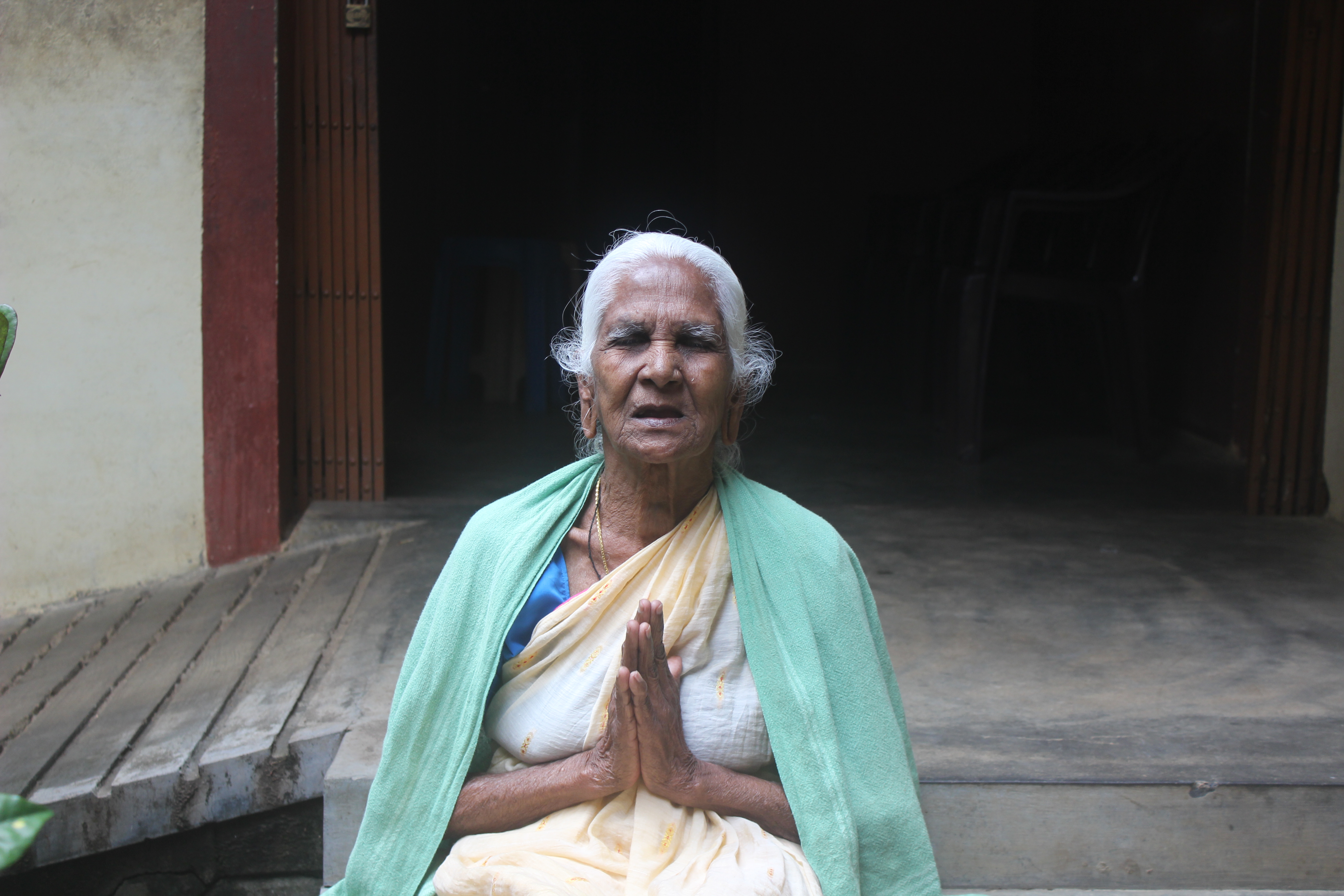
Join the palms of your two hands and point your fingers towards the sky. In India, this simple gesture, “namaskaram”, is more than just a greeting; it is a sign of respect. Yesterday, as part of World Environment Day and Raxa Collective’s food crisis initiative, I returned to the local homeless shelter to donate additional meals to the residents, and although I am separated from these individuals by a language barrier, I am able to communicate with them through a simple gesture of namaskaram.
From Behind the Wheel: Pennycuick House
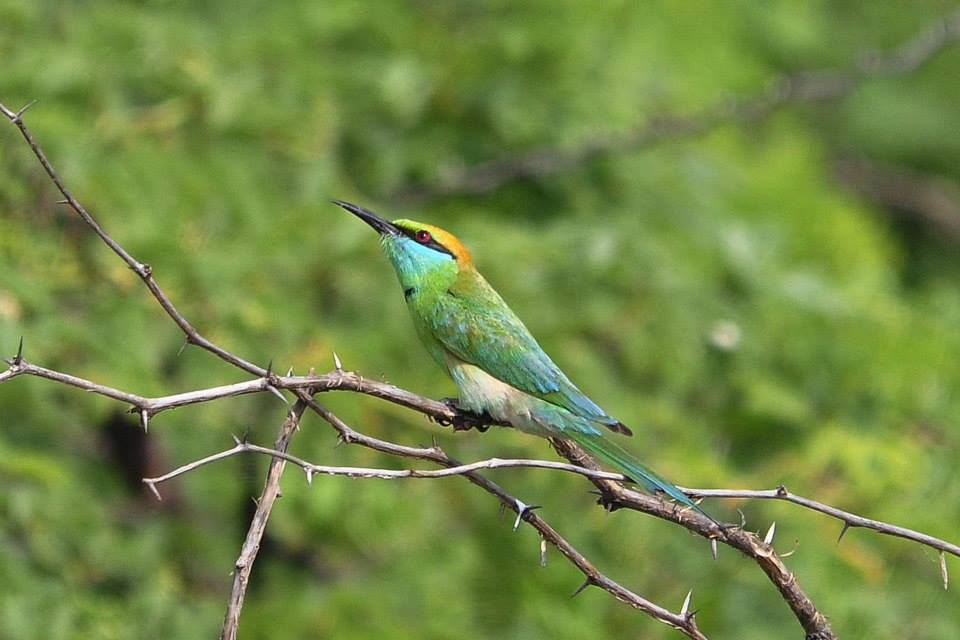
Bird of the Day: Blue-tailed Bee-eater (Point Calimere, Tamil Nadu)
WED 2013: Happy World Environment Day
On June 5, we’ll celebrate World Environment Day. This year UNEP focuses on the theme Food waste/Food Loss. At Raxa Collective we’ll be carrying out actions and sharing experience and ideas. Come and join us with your ideas and tips to preserve foods, preserve resources and preserve our planet.
Here is a video which explains how we save the food we produce at our restaurant All Spice at Cardamom County from wastage. Our process includes a dedicated team, talented suppliers, our farm animals and organic garden and a local pig farm. It also explains how we give back.
Vineyards – Cumbum, Tamil Nadu
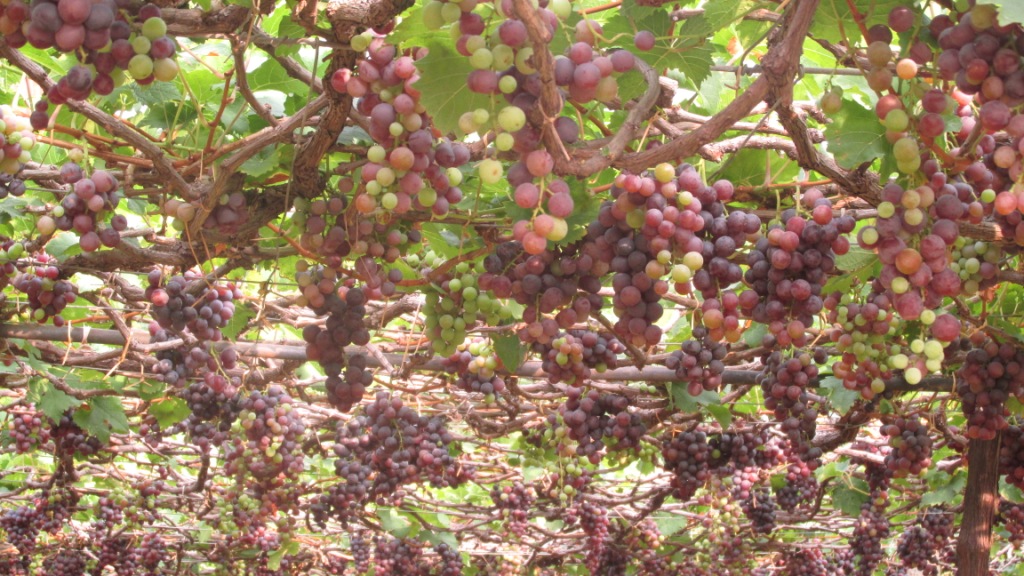
Cumbum Valley is situated about 15 km from Thekkady across the border into Tamil Nadu. Now famous for growing grapes, there are a 1000 acres of vineyards covering the lowland plains. The grapes are mainly used for making wine, juice and jam as well as eaten raw. Continue reading
Doolittle App
When we can talk to the animals, what will we say? How will we say it? We picture an app for it:
We all try to talk with animals, but very few of us do so professionally.
And even fewer are trying to build devices that could allow us to communicate with our pets and farm animals. Continue reading
Paul Watson, Back Out There
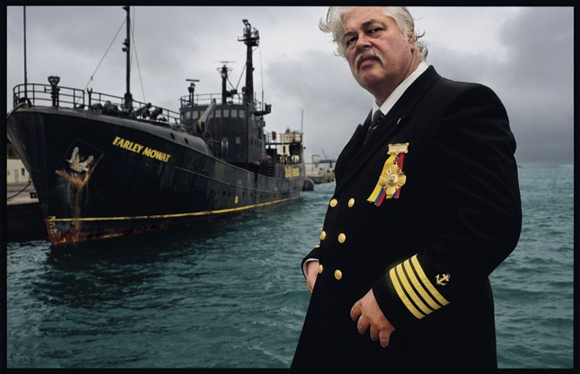
We have followed his story and linked to it on several occasions during the past year. Why? Like others, we find his mission important and his means worthy of discussion. We are most gratified by Raffi Khatchadourian’s persistence in keeping up with the life and times of this man who is not so easy to track down:
Fans of Animal Planet’s “Whale Wars,” a reality show that documents members of the Sea Shepherd Conservation Society battling Japanese whalers every winter in the Southern Ocean, will have to wait several months longer than usual for the show’s new season to première. The airdate for “Whale Wars,” usually slated for June, has been pushed back, possibly to the fall, or even to 2014. In the past year, Sea Shepherd has become mired in litigation, diplomatic pressure, I.R.S. audits, and Interpol notices, and Animal Planet decided that, instead of placing its own crew on Sea Shepherd ships, it would stitch together episodes from footage that the activists shot of themselves. This may be a first for a reality show—certainly one this popular—but if Animal Planet is able to pull together a season that has integrity, the sixth installment of “Whale Wars” promises to be the show’s most entertaining and provocative. Continue reading
Artisanal Toys
In The New Yorker‘s book review last week, Alexandra Lange discussed Amy F. Ogata’s new book “Designing the Creative Child: Playthings and Places in Midcentury America,” focusing on the diverse materials and malleability of toy design over the past several decades.
With increasingly commercialized handmade, all-natural toys on the market, Lange asks, “Do toys need to be as artisanal as our food?”
Nearly two years ago now, Meg wrote about Tegu, wooden magnetic building blocks that support conservation and Hondurans in poverty. Tegu blocks seem to be a perfect blend of the artisanal qualities that wood bring to a toy, while the magnets inside add the opportunity for creativity that simple wooden rectangles and squares might not (unless they have the Lego-like studs that Mokulock does).
What about stone toys?
You don’t hear much about those, it seems to me. Heavy to carry around, more dangerous as projectiles, and requiring more machinery to produce, playthings built from stone might seem even more cumbersome and antiquated than wooden toys to a child brought up on shiny plastics and polymers. But the stone Anker/Anchor blocks (a box cover of which is pictured at the top of this post, and one of my own creations from these blocks is here to the right) made from quartz sand, chalk, linseed oil, and color pigment, are still able to merit $200+ asking prices on eBay, although part of their appeal comes from their relative–or perceived–antiqueness. Continue reading
Bird of the Day: Maroon-tailed Parakeet
WED 2013 : Avoiding waste. Outsider art. Donation meals… World Environment Day is on its way!
On June 5, we’ll celebrate World Environment Day. This year UNEP focuses on the theme Food waste/Food Loss. At Raxa Collective we’ll be carrying out actions and sharing experience and ideas. Come and join us with your ideas and tips to preserve foods, preserve resources and preserve our planet.
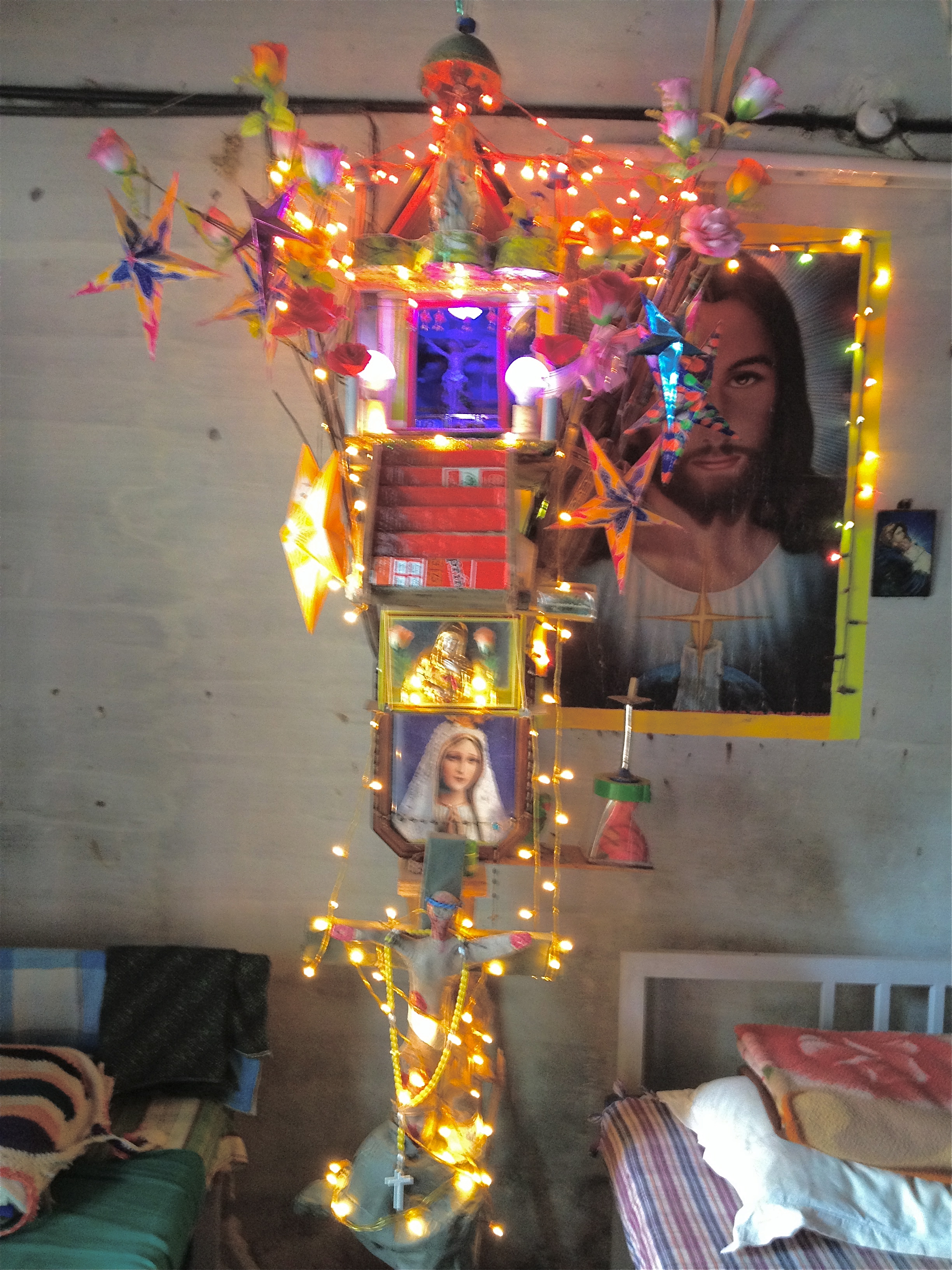
Tomorrow we’ll be celebrating World Environment Day at the Kumily Sneshashram, a long-term shelter for homeless, disabled and elderly people. Locals call this place run by Franciscan sisters, “Akasha parava”: birds in the sky. We’ll be bringing a special meal and one of the people we will be working with is Chandran, the artist behind this brilliant installation made of coffee tins, religious artefacts, procession lights and flowers. Meet Chandran… Continue reading
WED 2013: Food for Thought
On June 5, we’ll celebrate World Environment Day. This year UNEP focuses on the theme Food waste/Food Loss. At Raxa Collective we’ll be carrying out actions and sharing experience and ideas. Come and join us with your ideas and tips to preserve foods, preserve resources and preserve our planet.
Tomorrow is World Environment Day. A United Nations Environmental Programme initiative, WED is annually celebrated on June 5th in an effort to increase environmental awareness and positive environmental action. This year the theme is food wastage, with the motto: Think, Eat, Save. A recent report by the UNEP concluded that every year, roughly one third of the food produced in the world for human consumption — approximately 1.3 billion tonnes — never makes it to from farm to table.
While one may imagine that most food wasted is a result of the actions of individuals in developed countries, this is not the case. Many developing countries, including India, also have an enormous food waste crisis. Specifically, while India is 2nd in the world in food production, as much as 20 to 40 percent of the food grown spoils before reaching consumers.
Here at Raxa Collective we have several initiatives to both alleviate food wastage and help both the local community and the environment. Continue reading
Hill Palace Museum – Tripunithura
Now the largest archaelogical museum in Kerala, the Hill Palace was the official residence of the Kochi Royal family. The 20,000 sq ft palace was built in 1865 in the traditional architectural style of of the state, and includes beautifully landscaped gardens, a deer park and facilities for horse riding. Continue reading
Healthcare in the Tibetan Exile Community
Guest Author: Hannah Miller
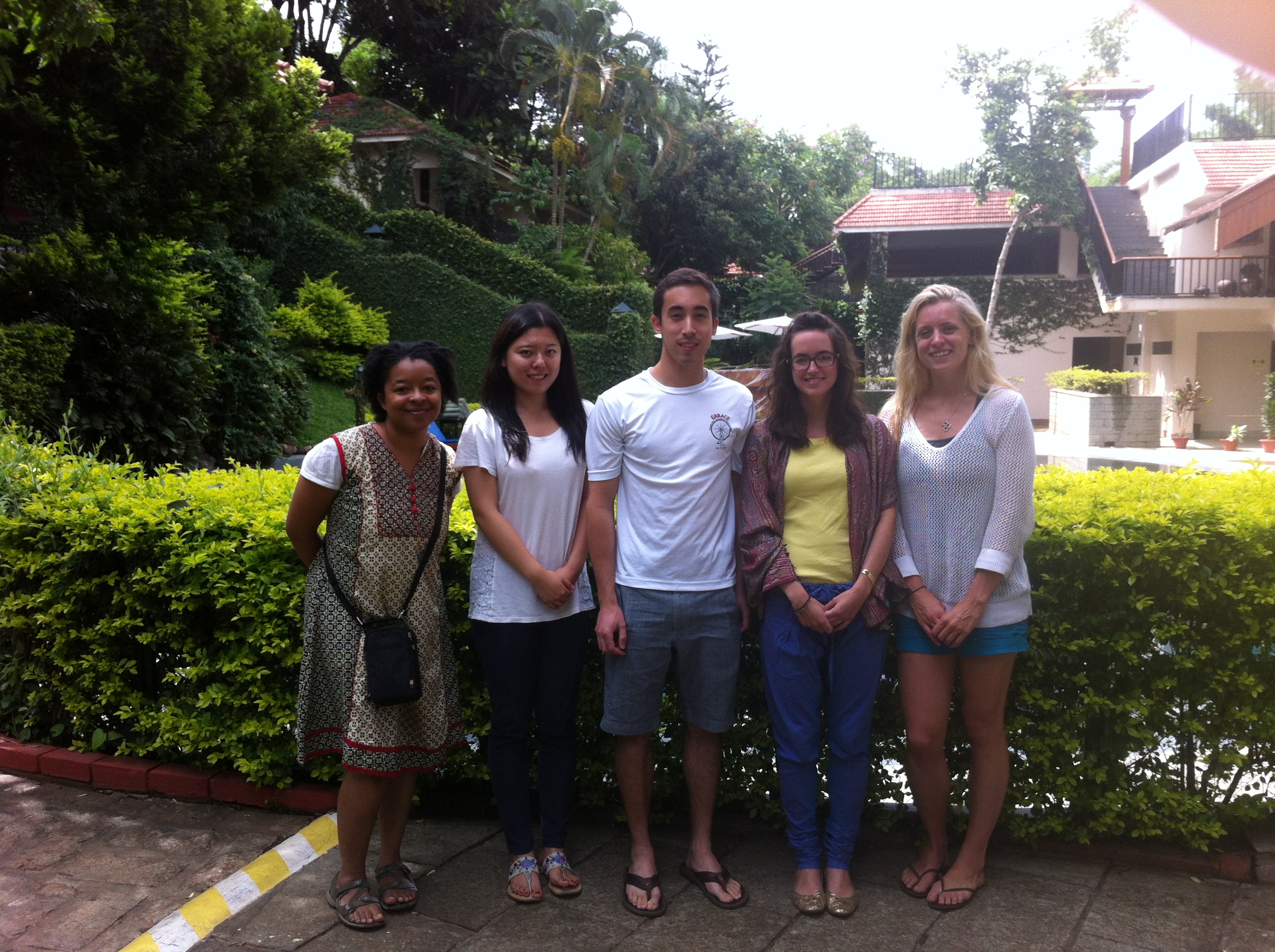
Last January I arrived in Dharamsala, a small city in India’s northwest state of Himachal Pradesh. Along with fifteen other American students I was there to study Tibetan culture, history, language and Buddhism. We spent the semester studying these subjects at two Tibetan colleges in Dharamsala, while living with Tibetan roommates and host families. At the end of the semester, we were given three weeks to conduct an independent research project of our choice. At my college in the United States I am majoring in Global Health, so I wanted to pursue a project related to public health in the Tibetan exile community in India.
Prior to 2012, there was almost no use of health insurance in the Tibetan exile community. The Tibetan government in exile provided reimbursement for healthcare costs on a case-by-case basis to Tibetans living in India, but could not afford to provide coverage for all who needed it.
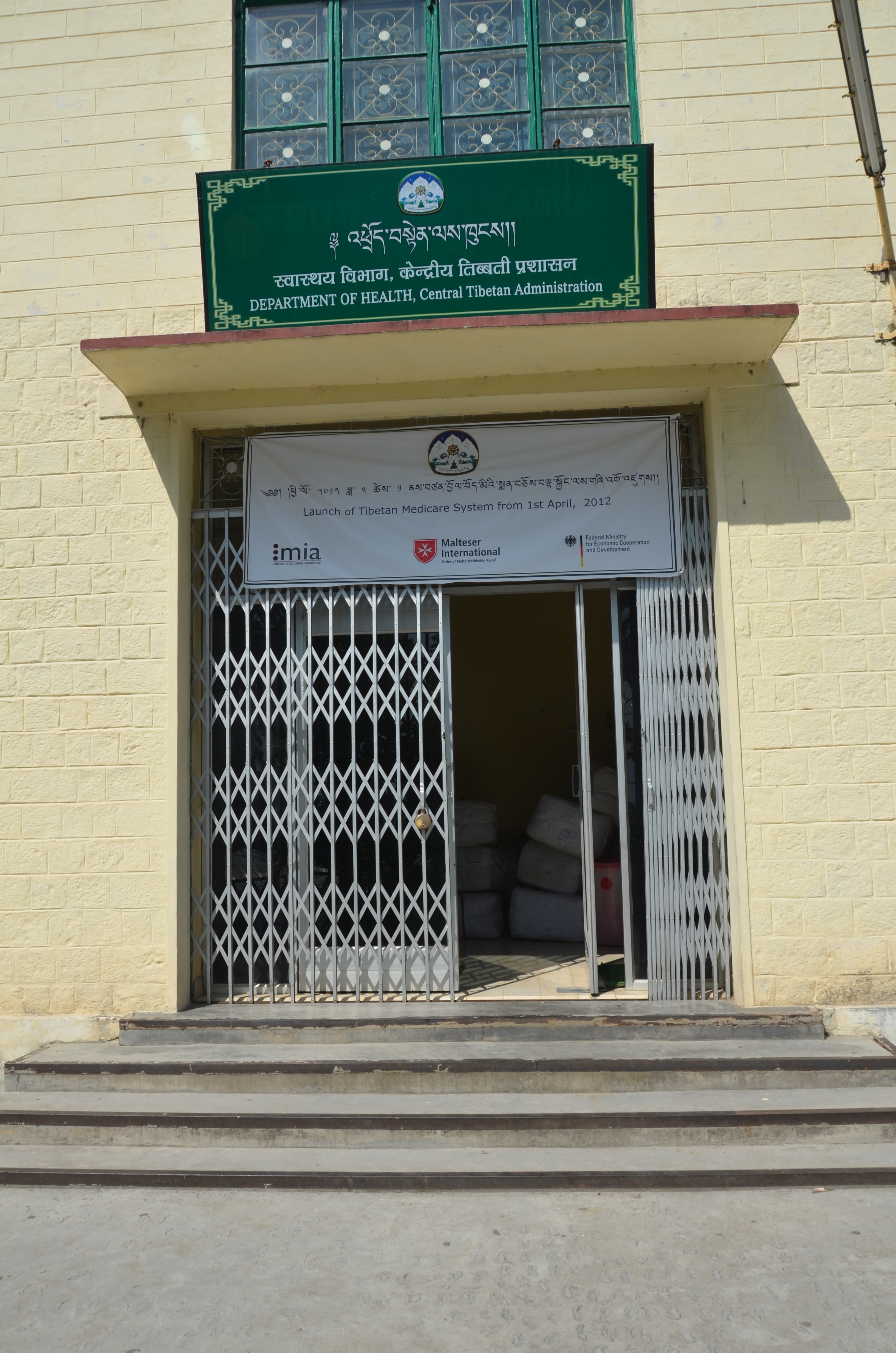
In 2012, the Tibetan exile government introduced the Tibetan Medicare System (TMS), which began providing coverage for inpatient expenses to Tibetan families and individuals. The system was developed through a partnership between the Central Tibetan Administration’s Department of Health and the Micro Insurance Academy (MIA), an NGO based in New Delhi, India. The program is open to any Tibetan individuals and families living in India. For an individual, it costs 950 INR per year to enroll, and 3565 INR per year for a family of two to five people. The insurance can be used at an extensive list of hospitals to cover inpatient expenses up to 50,000 INR or 100,000 INR per year for individuals and families, respectively. Continue reading