Arrival at Cardamom County

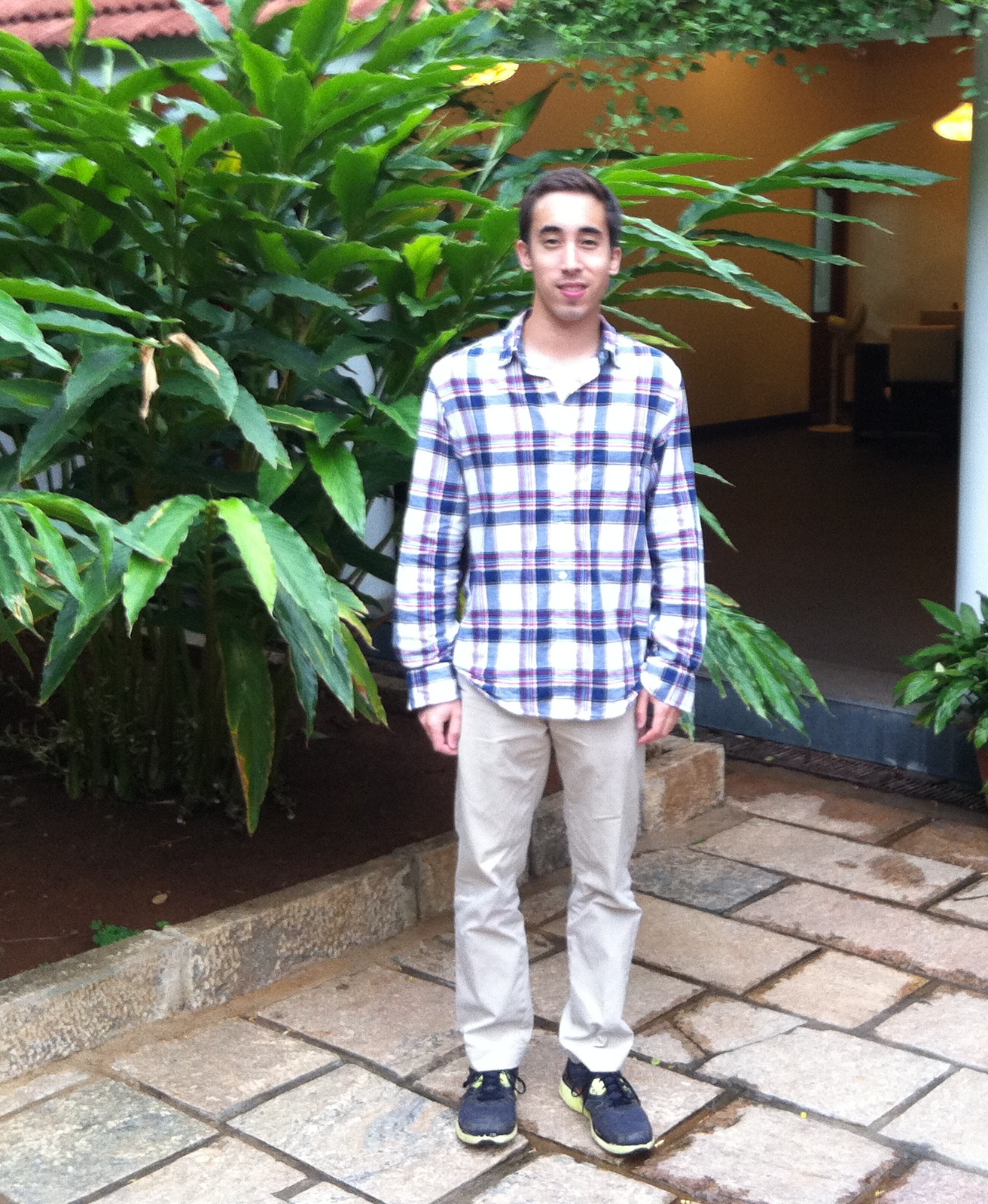
30 hours after leaving JFK International Airport in New York, I have finally arrived at Cardamom County.  Here are a few first impressions of Kerala:

1. Scanning the other passengers arriving into Cochin, because of my white-ish skin, it was evident that I was the minority. Moreover, for the first time in my life, people stared at me as if I was different.  They looked at my U.S passport as if only a few existed in the world, and tried to engage in conversation with me, eager to try out their English.  It is a very weird feeling going from a place where it is so easy to fit in, to a place where you can only stand out.  It will be interesting to see how this feeling progresses over the next 2 months.

2. Driving in India is different to say the least! Continue reading
WED 2013: Get A Grip

WED 2013 - Raxa Collective

On June 5, we’ll celebrate World Environment Day. This year UNEP focuses on the theme Food waste/Food Loss. At Raxa Collective we’ll be carrying out actions and sharing experience and ideas. Come and join us with your ideas and tips to preserve foods, preserve resources and preserve our planet.

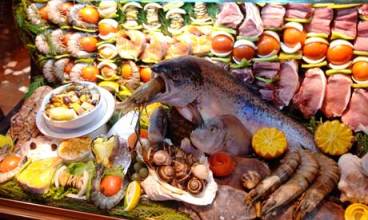
‘According to the WWF as many as 90% of all large fish have been fished out.’ Photograph: allOver photography/Alamy

We puzzle daily over how to source sustainable, high quality food. Establishing an aquaculture program in Kerala’s backwaters to supply our resorts, we find the environmental/economic tradeoffs require the wisdom of Solomon.  The Guardian‘s  Matthew Herbert has a clever turn of phrase in the opening line of an article covering this very topic (click the image on the right to go to the article):

We are living through a delicious disaster. Continue reading

More love for the cicadas

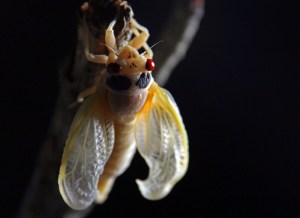
After our post yesterday on the 17-year emergence of periodical cicadas, here is a fantastic body of work on  one of nature’s most intriguing creatures by Samuel Orr. A natural history filmmaker and time-lapse photographer he has been following and filming the various broods of periodical cicadas since 2007 (multiple broods that come out in different years across the eastern part of the United States). After filming some  200 hours of footage, and he is now working towards an hour documentary that focuses on the 17-year periodical cicadas for which he just started a Kickstarter campaign. Continue reading

First Week Of Shade Coffee Research, Ecuador

Typical landscape mosaic of Barrio Nuevo

Typical landscape mosaic of Barrio Nuevo

Isabel and I arrived safe and sound to Barrio Nuevo, Pichincha, Ecuador (0.224063°, -78.559691°) on May 21 to begin our study on a shade coffee agroforestry initiated seven years ago (see my blog for background info). We moved into the home of Juan Guevara, the local coffee promoter, and his family. It’s a simple concrete house with a kitchen and three bedrooms.After settling in, we spent a day with Juan going to the homes of various farmers growing coffee to introduce ourselves.

We spent the next three days conducting surveys with the coffee producers as well as visiting, evaluating, and mapping their coffee plots. As I expected, we quickly learned a lot about the problems with the shade coffee project that was implemented about seven years ago. Continue reading

Woven Nests

Below is a slideshow of birds and their woven nests, which I spoke about in my previous post.

This slideshow requires JavaScript.

Here you can see the diversity of nesting materials and supporting structures, the state of the strands of vegetation upon building (fresh and green or dry and brown), and the overall craftsbirdship exhibited by these master weavers!

Nature, Culture And The Challenges Of History

Tupilaq figures, Tuktoyaktuk, Northwest Territories, Canada. Photo by Lowell Georgia/Corbis

Tupilaq figures, Tuktoyaktuk, Northwest Territories, Canada. Photo by Lowell Georgia/Corbis

We have found another keeper in this magazine which we have linked to several times in the past, this time with a conservation theme at the intersection of natural and cultural heritage (click the image above to go to the source):

I’ve been nursing a gentle obsession with a quartet of bone-white, thumb-sized figurines. I first saw them, lined up in a row, on the cover of Miguel Tamen’s book Friends of Interpretable Objects (2001). They rested in a pair of open hands, looking toothy, and vital, exuding a cool glimmer, while evoking the long Arctic night and the estranging cold. And yet they’re also tiny and personable, these figurines. Their smooth features beckon you to enfold them in the palm of your hand. Their heads are cocked at mad angles, and their leering eyes and rabid smiles bespeak a secret, conspiratorial sociability. Continue reading

Chitradurga Fort – Karnataka

Photo credits : Dileep

Photo credits: Dileep

Chitradurga Fort is located near Bangalore in the Chitradurga district of the south indian state of Karnataka. Begun in the 10th century, the fort was built and expanded by different rulers such as Chalukyas, Hoysalas and Rashratrakutas, but its golden era was between the 14th and 18th centuries. During this period the fort was controlled by the Nayaks. Continue reading

WED 2013 : Taste the waste… of water

WED 2013 - Raxa Collective

On June 5, we’ll celebrate World Environment Day. This year UNEP focuses on the theme Food waste/Food Loss. At Raxa Collective we’ll be carrying out actions and sharing experience and ideas. Come and join us with your ideas and tips to preserve foods, preserve resources and preserve our planet.

image_gallery_close_up

 Most part of the world water consumption depends on food production. Every year 30% of it is wasted. We can reduce the wastage of water reducing the food waste. The Stockholm International Water Institute (SIWI) has released a short documentary titled ‘Taste the Waste of Water’ Continue reading

WED 2013: Megawasted Opportunity?

WED 2013 - Raxa Collective

On June 5, we’ll celebrate World Environment Day. This year UNEP focuses on the theme Food waste/Food Loss. At Raxa Collective we’ll be carrying out actions and sharing experience and ideas. Come and join us with your ideas and tips to preserve foods, preserve resources and preserve our planet.

When I tell people that it’s possible to grow highly nutritional food on agricultural waste products with almost zero technology, I usually get a blank look. On a good day, someone will demand an explanation. Why would such a process, if existent, be so obscure if it could help solve malnutrition in underdeveloped communities? While I’m sure there is a logical explanation for this, it remains a mystery to me at present.

Continue reading

Communities’ Cycling Commitments

New York this week became the latest major city to launch a bike-share program. Craig Ruttle/AP

New York this week became the latest major city to launch a bike-share program. Craig Ruttle/AP

Cyclists in the USA have much to cheer in this week’s community-centric news (thanks, NPR) about several new bike-sharing programs which all use check-in, check-out systems:

…with automated stations spread throughout a city, designed for point-to-point trips. “We try to encourage people to use it … almost like a taxi,” says Gabe Klein, commissioner of the Chicago Department of Transportation.

Continue reading

Cicadas In Love

First Cicadas Arrive As U.S. East Coast Braces For Billions MoreOur attention to entomological wonders dropped off, sadly, when Milo (whose interests and talents happily extend beyond bugs) left India last year.  To keep bug love alive, we posted recently about a current entomophenomenon linking to a blog post on the New Yorker’s website; now note that another of their writers has treated it, crafting words so we might have thought of it this way ourselves (if only):

It is the nature of youth to make a racket. This happens reliably in New York City every weekday between two and three in the afternoon, when school lets out. Teen-agers spill onto the sidewalks and descend below ground into the subway, where, having loosened their uniforms and shed decorum, they occupy the airwaves—shouting, flirting, arguing, cajoling, checking in, checking out. They sing the song of themselves, loudly, jubilantly, to a rhythm that only they can hear. Continue reading

Gopalaswamy Betta Temple

Photo Credits: Ramesh Kidangoor

Photo Credits: Ramesh Kidangoor

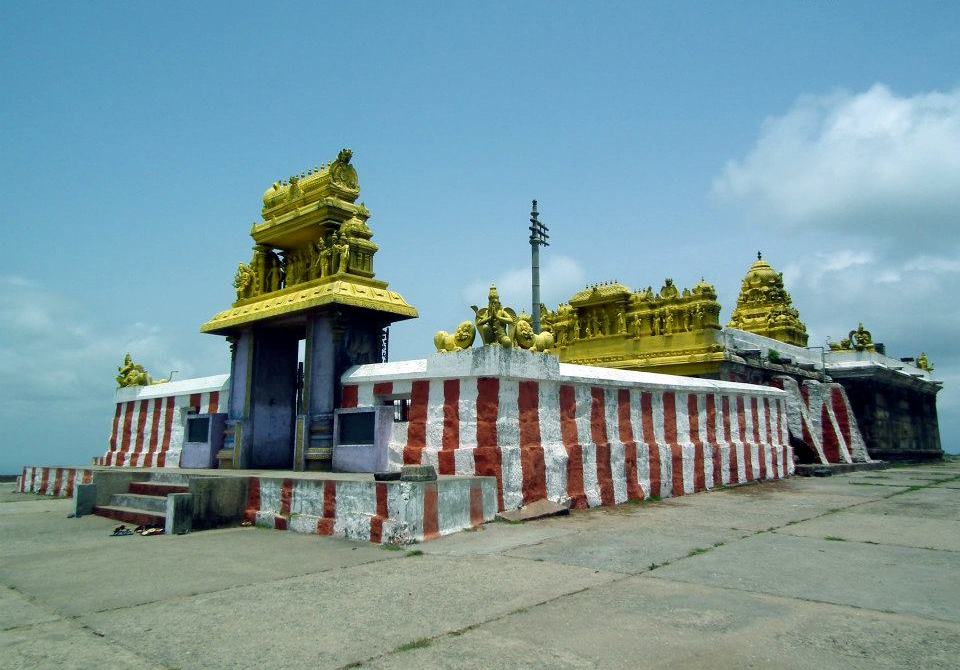
Gopalaswamy Betta Temple is located in the Chamarajanagar district of Karnataka. This temple is adjacent to Bandipur and Nagarhole National parks. Gopalaswamy is the other name of Lord Krishna. The temple was built by the King Cola Bellala during AD 1315. Continue reading

WED 2013 : Chef Nitin Padwal offers a case study in food waste reduction

WED 2013 - Raxa Collective

On June 5, we’ll celebrate World Environment Day. This year UNEP focuses on the theme Food waste/Food Loss. At Raxa Collective we’ll be carrying out actions and sharing experience and ideas. Come and join us with your ideas and tips to preserve foods, preserve resources and preserve our planet.

Nitinbanner

Here in India, food waste reduction is considered as mere common sense and rarely even mentioned, that’s why chef Nitin Padwal taking the time to explain his work for a restaurant kitchen with “0% sent to landfill” is precious and we’ll also deliver a case study on our own work here at AllSpice in Cardamom County. Nitin Padwal  used to work at the Taj Hotel in Nashik and the Renaissance Marriot in Mumbai before  he became Head Chef at Petrichor at The Cavendish London. Since his arrival there in 2010, Nitin Padwal championed the idea of a sustainable restaurant, and has made substantial improvements in that area. Watch the interview… Continue reading

WED 2013: The Fourth “R”

WED 2013 - Raxa Collective

On June 5, we’ll celebrate World Environment Day. This year UNEP focuses on the theme Food waste/Food Loss. At Raxa Collective we’ll be carrying out actions and sharing experience and ideas. Come and join us with your ideas and tips to preserve foods, preserve resources and preserve our planet.

Recently when thinking about the universal recycling symbol it occurred to me that many of our expectations on how basic human needs are met can be influenced by the three concepts of Reduce, Reuse and Recycle.

Continue reading

Reflecting on My Time at Cornell

Moving is almost always a bittersweet experience.

Over the past week, my move from Ithaca back to California certainly erred more on the side of bitterness, and like many of my peers, I find it very difficult to believe that I am now a Cornell alumnus. But the four years have indeed come to an end, and I now sit in my room in Cupertino, wondering what graduating from the Hotel School would mean for me. In the process, I thought back to some of the advice that professors and mentors had given to me during my undergraduate career. It’s with great pleasure that I share some of that advice today with my fellow Cornell students and alumni.

Cornell central campus: a sight that I will dearly miss.

Continue reading

Story Of Stuff, Now Including A Cornell Degree

Lindsay France/University Photography. Annie Leonard visits campus in April.

Lindsay France/University Photography.
Annie Leonard visits campus in April.

Allegra was recently asking several Raxa Collective veterans (with the vast experience of two years maintaining this site), in advance of posting this, whether we had posted any “stories of stuff,” or heard of Annie Leonard before. The answers she got, incorrectly, were no and yes. Apparently it was forgotten that we have mentioned her “stuff” once previously in one of our earliest posts (note to WordPress: please improve your search function), but she most certainly had an influence on our interest in bringing more information from the field into the public domain using online distribution. So this news item caught our attention:

Annie Leonard, environmental activist and creator of the 2007 viral hit video “The Story of Stuff,” spent nearly 25 years traveling the world investigating environmental health issues and ecological sustainability.

This spring, she finished a long-overdue project she had put on hold during that time: completing her Cornell master’s degree. Continue reading

Mural Painting City

Photo Credits:Ramesh Kidangoor

Photo Credits: Ramesh Kidangoor

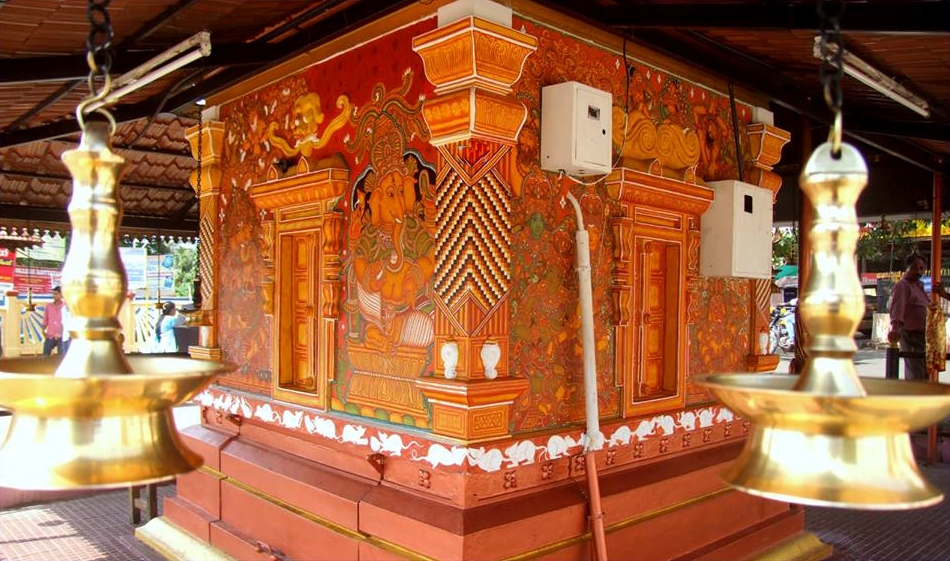
The city of Kottayam is referred to as both the “land of literacy” due to its numerous institutions of higher eduction, as well as the “land of Latex” due to its rubber plantations.  The Indian government has just added the moniker of “land of the mural paintings”. Continue reading