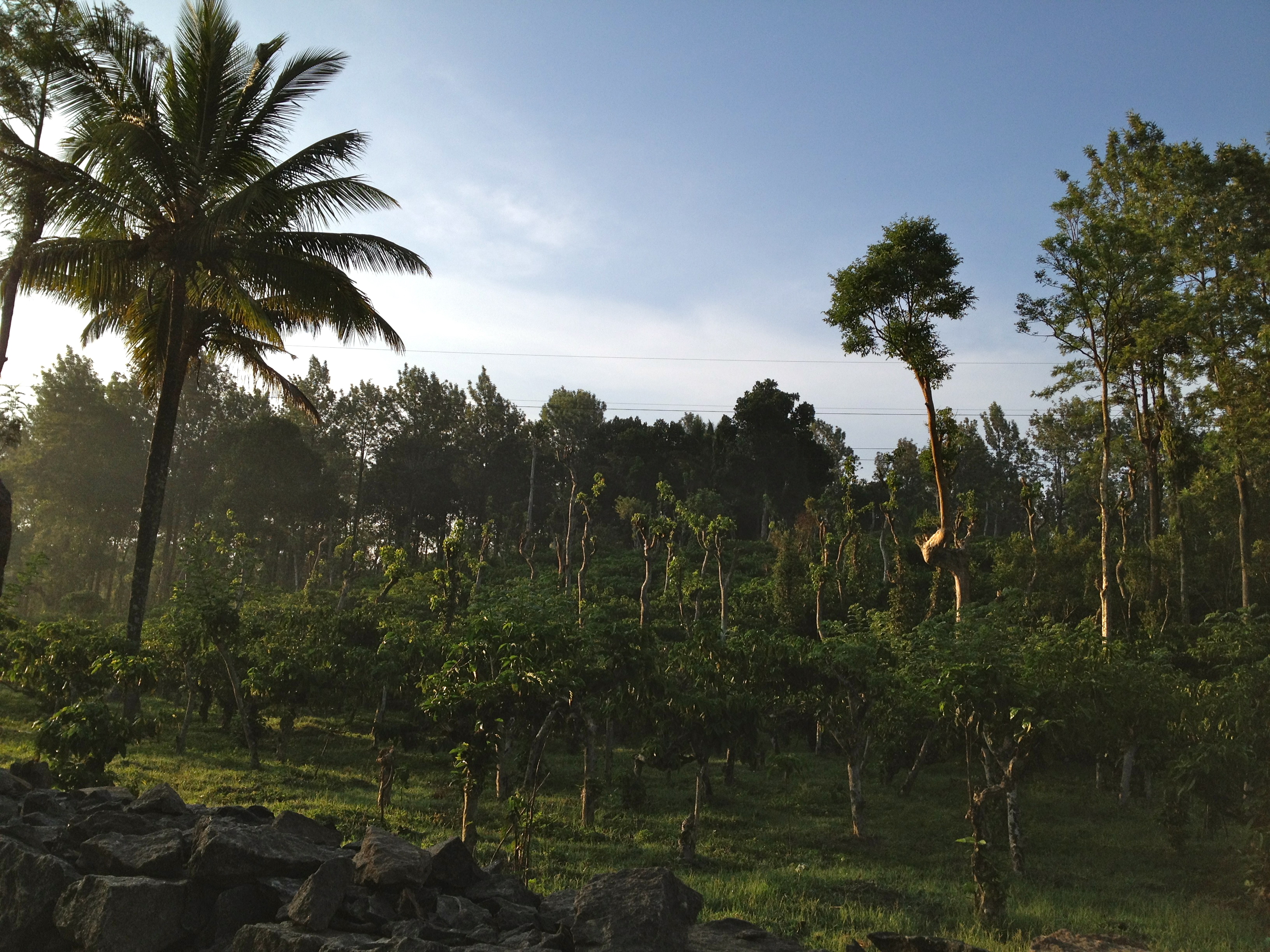
I’ve grown addicted to my colleague Anitha’s cold coffee since I got here (sorry guys but hers is just perfection). Ice cold, 70% arabica/30% robusta, locally grown coffee. India may not be known for its coffee, but in the Western Ghats of Southern India, you’ll find coffee plantations on hills and misty mountains between 800m and 1500m above sea level. One of the challenges here has been to integrate biodiversity conservation and sustainable livelihoods for farmers. Continue reading
On Language, Travel And Imagination

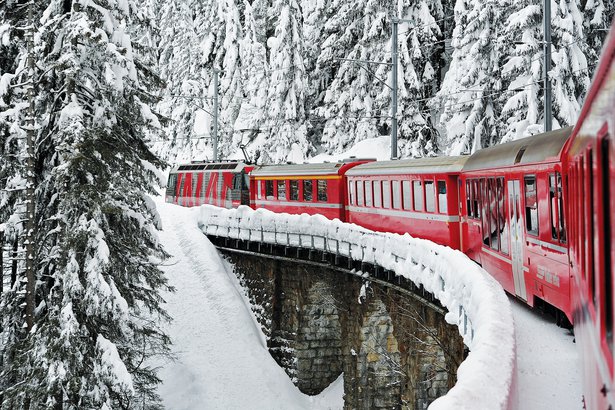
The snow-covered mountains and punctual trains of Montreux, Switzerland, summon childhood train sets, and the daydreams that accompanied them. (Harold Cunningham/Getty)
If we failed to get you reading him here, shame on us. If you choose to ignore this short piece of his, well, you have only yourself to answer to. He has had a running series of blog posts on the Atlantic‘s website dealing with the frustrations and wonders of language acquisition as an adult, a phenomenon several of us at Raxa Collective can relate to perfectly well. He captures some of the many benefits of the process and the outcome, especially the collaborative part, in short order here:
When I was about 6 years old, I started collecting model trains with my father. We would assemble the track in the attic, put a foam mountain with a tunnel over the top, and, through the magic of a transformer, watch the trains make their rounds. My dad took me to train shows, and for my birthdays back then, I always got train sets or trestles. I had books on model trains, and books on actual trains. Both kinds showed pictures of big mountains parted by trains, small towns bisected by trains, and trains adorning white Christmas-scapes. Continue reading
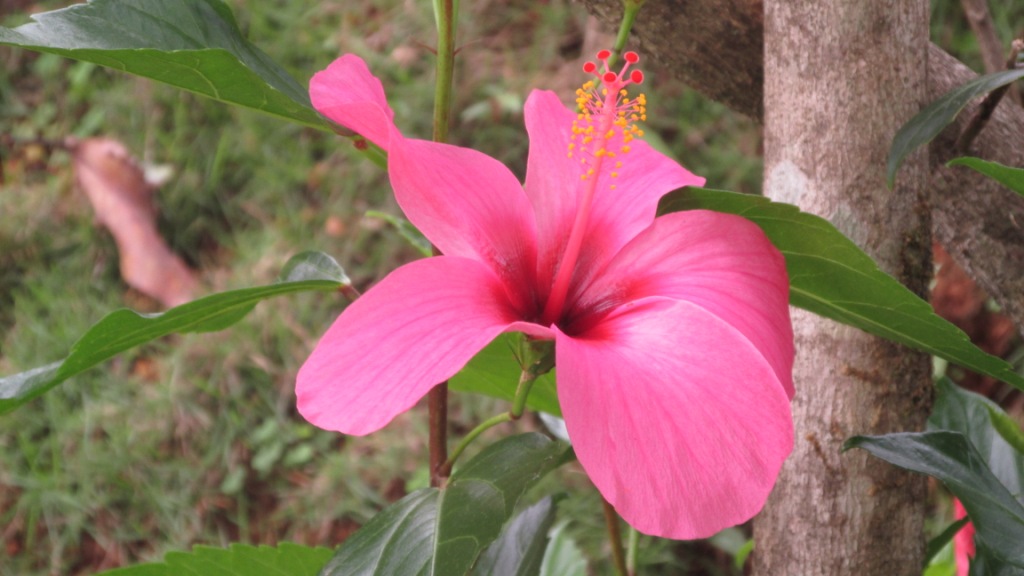
Hibiscus Flower
Hibiscus flowers are very common in the Hill Ranges of Kerala. There are multiple hybrids in a wide range of colors such as white, red, orange and pink. Hibiscus plants are also used in Ayurveda medicines. Continue reading
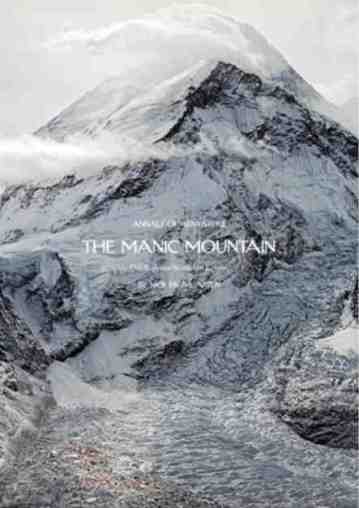
Climbers, Sherpas And Everest
We recently linked to a post at India Ink that gave some backstory to an incident that was mainly of interest to people who follow the “Everest culture”–a group of people enlarged enormously by one book (if you only read the original the updated version with a new afterword is worth the price of a new copy of the book)–and members of the climbing culture. Climbers and non-climbers alike will appreciate Nick Paumgarten’s article in the current issue of the New Yorker about the Swiss climber Ueli Steck:
…who made a name for himself climbing mountains at high speed with no ropes. In a recent climb, on Mt. Everest, Steck and his climbing partners got into a violent confrontation with Nepalese Sherpas…
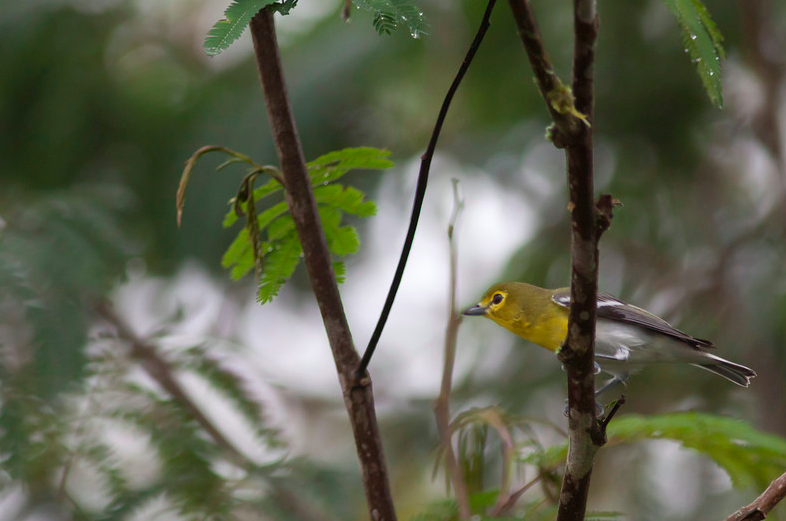
Bird of the Day: Yellow-throated Vireo
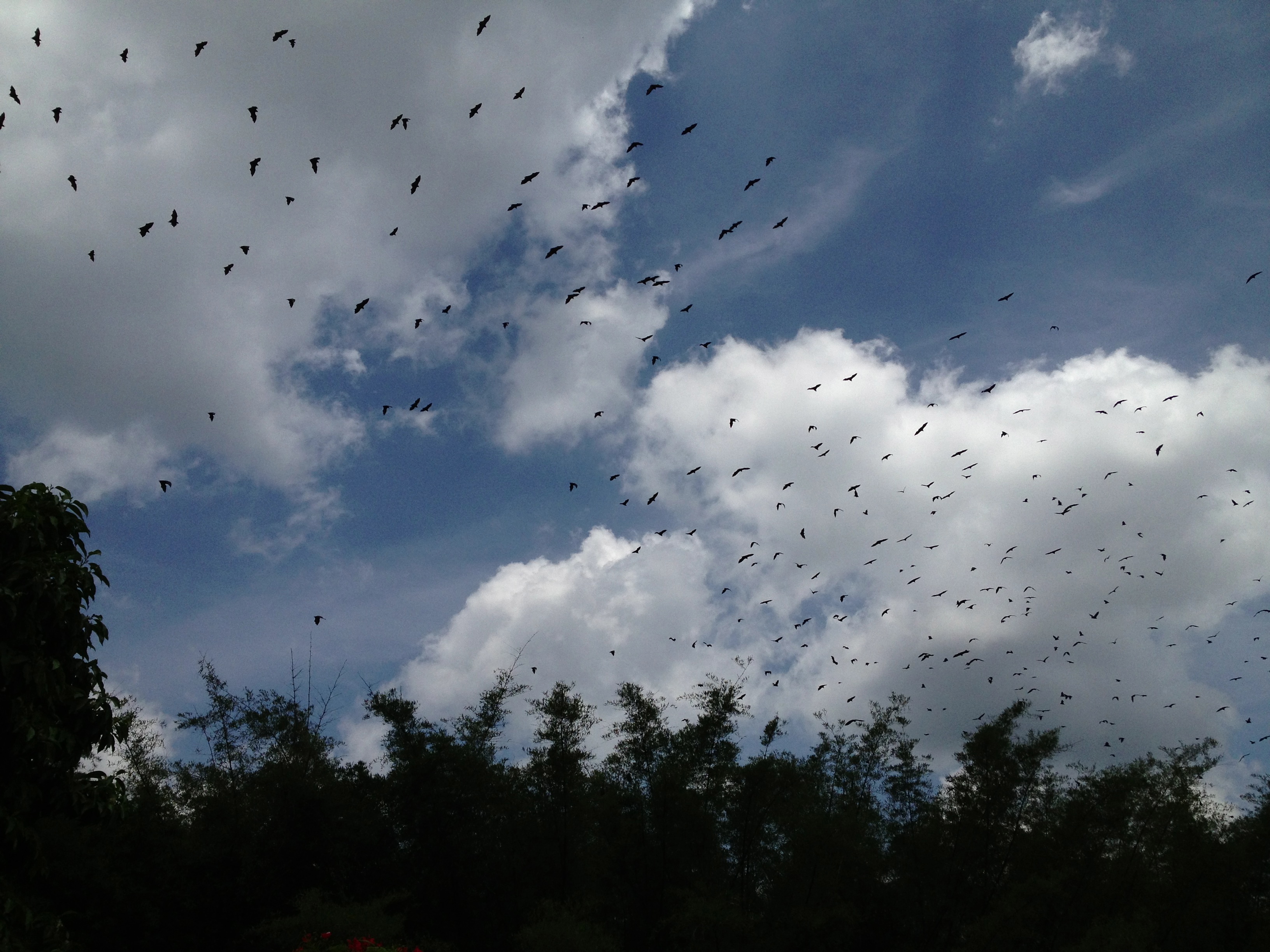
Diurnal bats
The forest canopy of the Periyar Tiger Reserve is rich in fruit all year round and bats feel very much at home. Out of the 119 species of bats found in India, 28 occur in Kerala. As many as six species of bat have been recorded in the Periyar : the flying fox, the shortnosed fruit bat, the Great-Eastern horse-shoe bat, the Tickell’s bat, the Common yellow bat, and the Painted bat.
Bats usually roost in camps in the bamboo across the road from Cardamom County, hanging upside down all day and feeding on the abundant fruit in the area after sunset. However when I sighted this wide cloud of bats around midday on the rooftop of the restaurant, it got me wondering : what disturbed them during the day ? Continue reading
Creative Collaboration For Laughs And More

Carl Reiner and Brooks teamed up as a comedy duo in 1960, creating such now-legendary skits as “The 2,000-Year-Old Man.” “Carl’s still my best friend in the world,” says Brooks.
You do not have to be a fan of his many genres of creativity to appreciate the fact that this man knows how to thank the people who have helped him be funny and successful. The most famous of those collaborations is with his best friend of 60+ years, but in this Fresh Air interview he demonstrates the grace of gratitude for this and many other collaborations:
On Hitchcock and ‘High Anxiety’
“I wrote a letter saying, basically, ‘Dear Mr. Hitchcock, I do genre parodies and in my estimation you are a genre. I don’t mean that you’re overweight. I mean that you’ve done every style and type of movie, and that you’re just amazing, and I would like to do a movie dedicated to you based on your style and your work.’ And … he called me and he said, ‘I loved Blazing Saddles. I think you’re a very talented guy, and come to my office.’ Continue reading
If You Happen To Be In Sydney
Down under, where there is no aurora borealis, the do-it-yourself creatives have taken matters into their own hands, using vivid colors to attract your attention–and thrown a big party to boot (May 24 – June 10 according to this press release):
…“Vivid Sydney is where technology, commerce and art intersect—delivering real business outcomes. With 37 per cent of Australia’s creative industries located in NSW, supporting creative industries through events like Vivid Sydney is key to the NSW Government’s strategy to grow the NSW economy,” Mr Stoner said. Continue reading
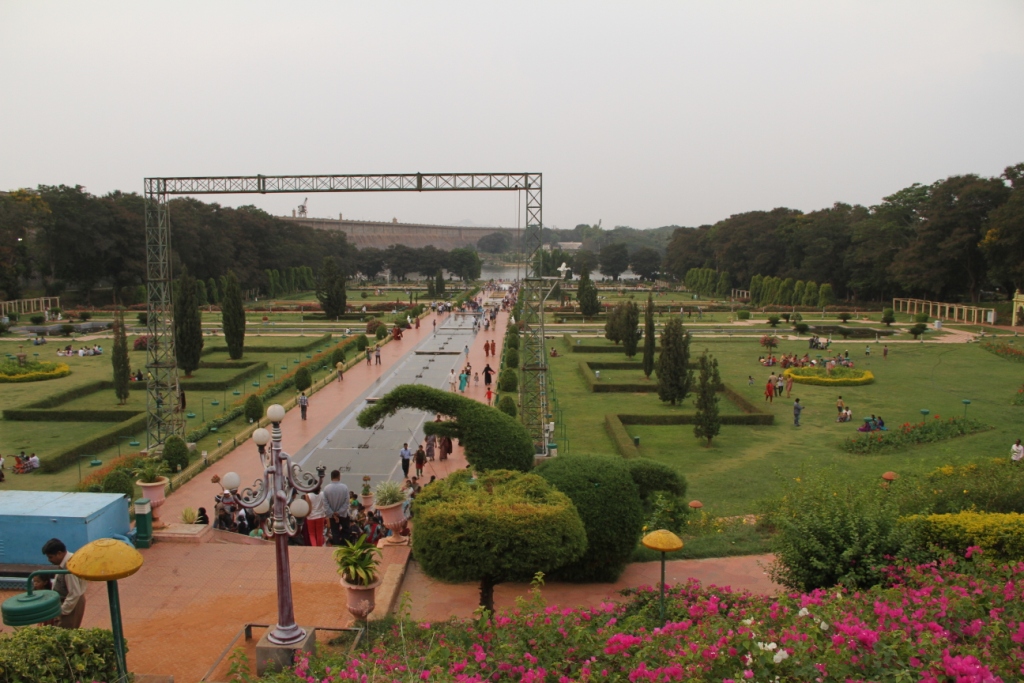
Brindavan Garden, Mysore
Brindavan Garden is one of the most celebrated gardens in India and is a tribute to early 20th century engineering. Its construction started in 1927 and was completed in 1932. The design is laid out in three terraces which contain water fountains, ficus trees and ornamental plants. Continue reading
Iceland In The Air
Our daily scanning of magazines, blogs, news websites, etc. for inspiration led us to the conclusion recently that Iceland has captivated a lot of minds. We do not know why, but it is popping up everywhere. For example, this portion of a wonderful post on Paris Review‘s website about a recent event at Scandinavia House:
…It’s a young crowd, trendy, expectant, giddy even, though I’m surprised to see so many empty seats. It turns out Scandinavia House closed their RSVP list weeks earlier, almost immediately after announcing the event, grossly botching the numbers and no doubt needlessly turning away scores of would-be attendees. But it’s no matter to those of us here—in fact it makes the evening feel all the more intimate. Continue reading
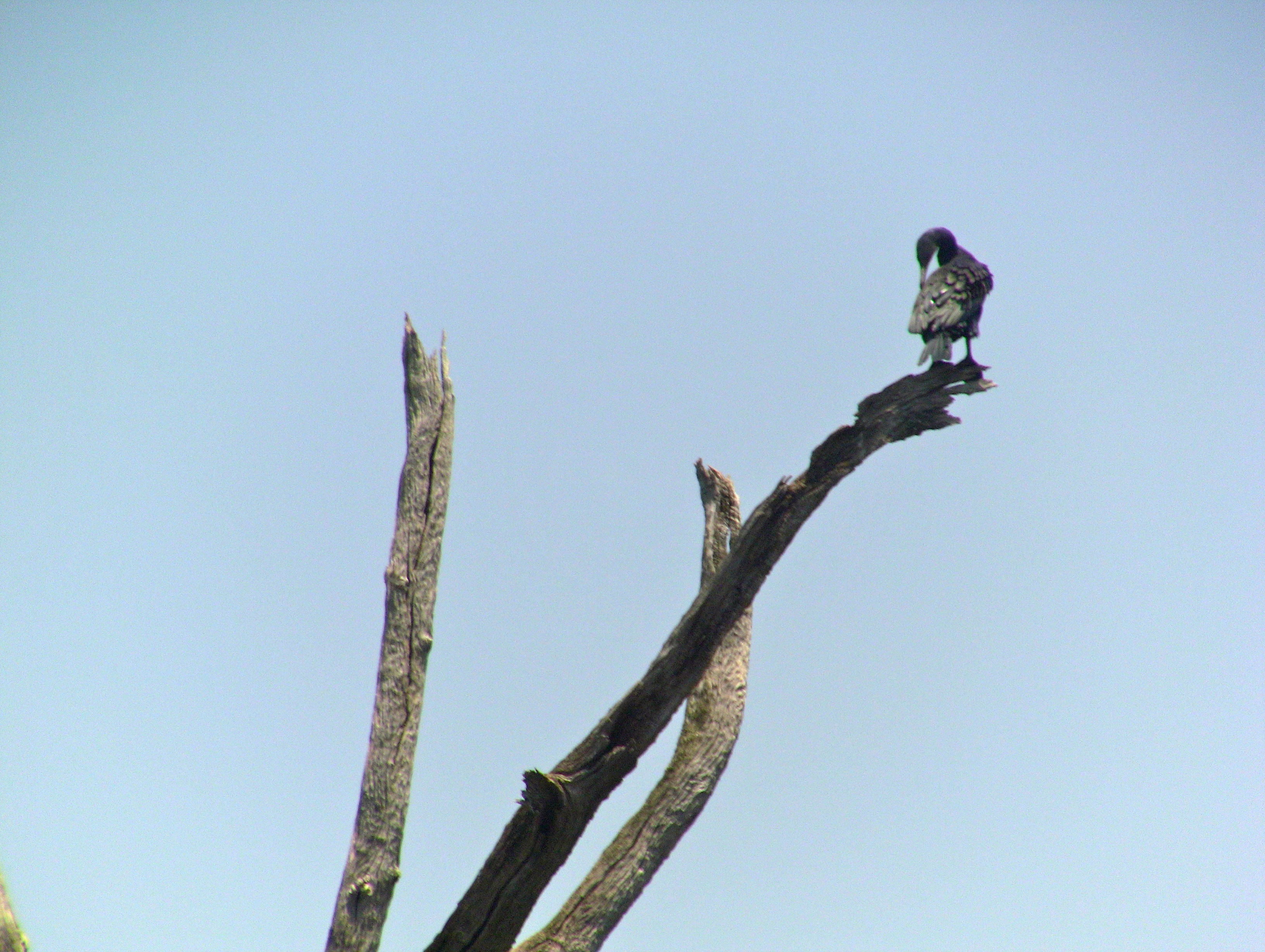
Bird of the Day: Brown-headed Cowbird
How about traditional boats in the Periyar Tiger Reserve ?
The most popular activity in the Periyar Tiger reserve is boating on the Periyar river. It’s a lazy, indulgent, moment of enjoyment of sightseeing. The ancient sunken tree trunks, the depth of the woods, the indigenous population fishing along the river…it also offers good chances to sight animals drinking, hunting by the river and excellent opportunities for birdwatching.
During the cruise I kept thinking it could all be quieter though, the engines of the motor boats seemed to break with the pristine tranquillity of this place… Continue reading
Save Soil, Perhaps Even Improve It By Drinking Organic Coffee
The news we pointed to about coffee-making best practices was mainly about the last step of a long chain–when the coffee is just about to give its olfactory, gustatory and other pleasures upon consumption. It linked to an earlier post about the artisanal agriculture link in the coffee-making value chain, but here we add one more link on that topic. It has strong recommendations about what else we as consumers might do to assist in coffee-making best practices. It brings to mind topics we have covered in non-coffee posts, such as altruism, which we have considered more than once; and collective action, likewise more than a passing interest.
When we have the opportunity to support a good cause, at minimum we can give it attention here by linking to it, and with great pleasure we do so for our friends at Counter Culture Coffee:
Our soils are in crisis. Conventional, chemical-based farming is destroying soil health, leaving farms with increasingly barren earth. Extraordinary coffee – that which we are dedicated to – needs rich, thriving soil, since healthy soil leads to healthy coffee trees, prosperous farms, and delicious coffee. Continue reading
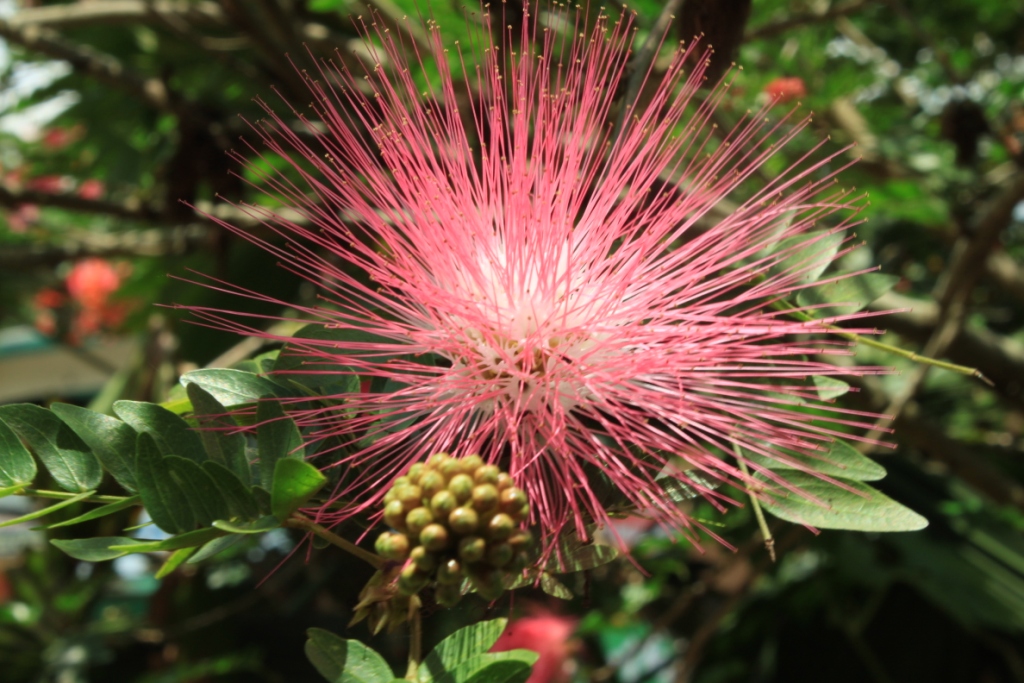
Best of Salim E.I.: Powder Puff Tree (Calliandra haematocephala)
Native to the tropical and sub-tropical regions of India and West Africa, the Calliandra haematocephala is a fast growing evergreen plant that can reach the height of 15 ft. The stamens of the flower are smooth and soft, spreading out in an arching circle, giving rise to the common name Powder Puff Tree.
Krulwich On Insect Communities Understood Through Mathematics
Another of those wonders, this time about bees, brought to you by the godfather of fun science reporters:
Solved! A bee-buzzing, honey-licking 2,000-year-old mystery that begins here, with this beehive. Look at the honeycomb in the photo and ask yourself: (I know you’ve been wondering this all your life, but have been too shy to ask out loud … ) Why is every cell in this honeycomb a hexagon? Continue reading
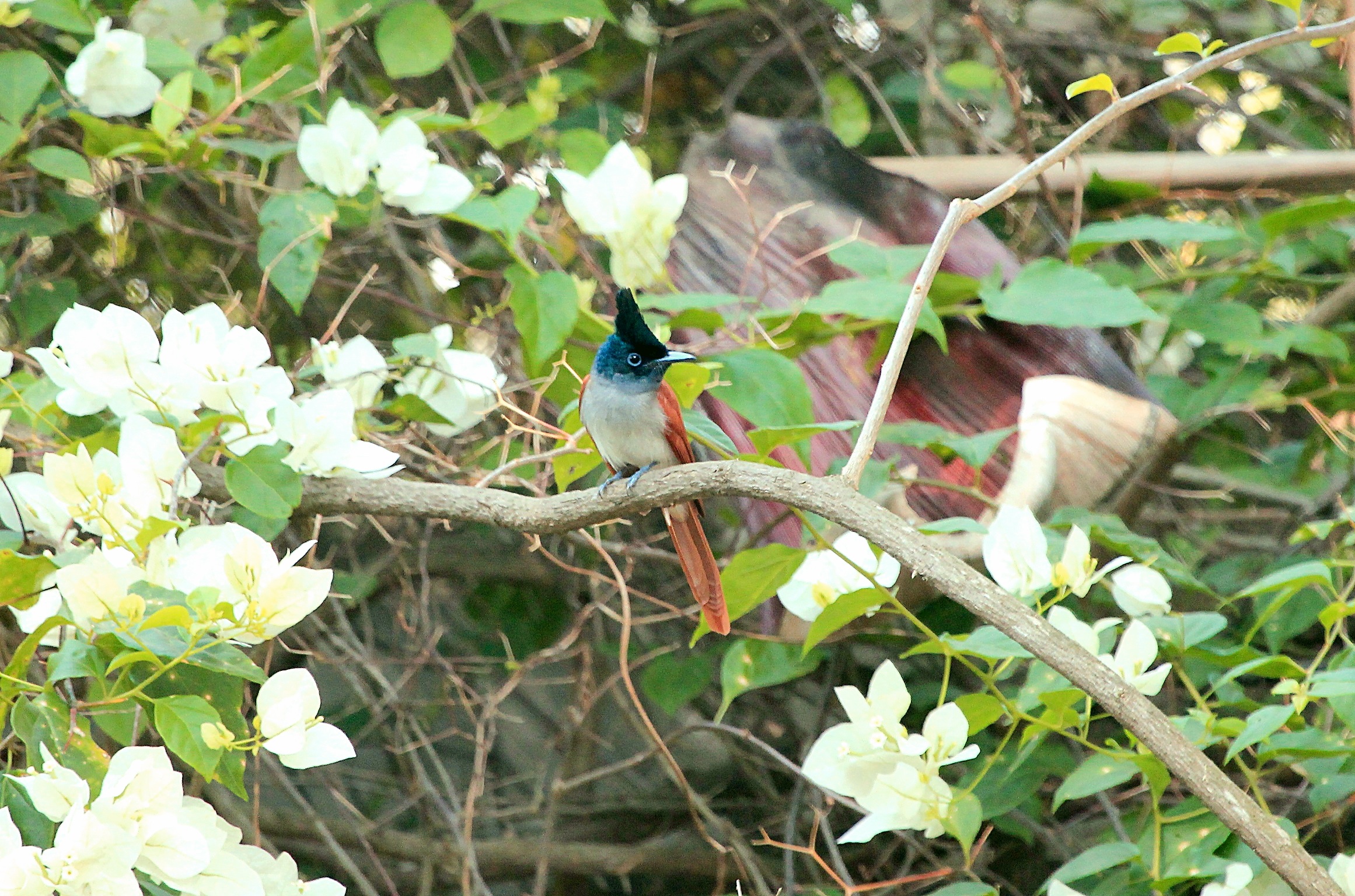
Bird of the Day: Asian Paradise Flycatcher
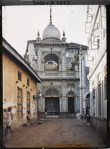
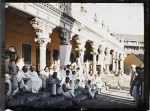
“Shipwrecked pictures” from the Albert Khan museum : can our community help identify these photographs ?
Back in 1912, french millionaire Albert Kahn hired Stéphane Passet to be a photographer for the monumental project Archives of the planet, an iconographic memory of societies, environments and lifestyles around the world. From 1909 to 1931, Albert Kahn commissioned photographers and film cameramen to record life in over 50 countries. The Archives of the planet were a collection of 180,000 metres of b/w film and more than 72,000 autochrome plates, most of which are held at Museum Albert Kahn in Boulogne, close to Paris.
Autochrome was the first industrial process for true colour photography. When the Lumière brothers launched it commercially in June 1907, it was a photograhic revolution – black and white came to life in colour. Autochromes consist of fine layers of microscopic grains of potato starch – dyed either red-orange, green or violet blue – combined with black carbon particles, spread over a glass plate where it is combined with a black and white photographic emulsion. All colours can be reproduced from three primary colours. Some of the autochrome pictures available today are however unidentified, some happen to be of Bombay. Who among you in the Raxa Collective community can help locate these sites?
Siberian Tigers Return, Humans Shrug In Ambivalence

Decades of poaching and logging in China and elsewhere have ravaged the Siberian tiger population, with only about 500 left in the wild worldwide. Photograph: Tim Davis/Corbis
In our day to day work, how humans and wild animals interact is often a matter of personal fulfillment, though at times we tend to the challenging aspects as well. The Guardian‘s coverage of the fate of charismatic mega-felines falls into this latter category with a mixed message of one wild animal’s population rebound and what can only be described as practical human reaction:
…Decades of poaching and logging have ravaged the population of the big cat, also known as Amur tigers– only about 500 still live in the wild worldwide. In 2010, Chinese authorities launched an initiative to boost numbers in the Hunchun National Siberian Tiger Nature Reserve near the country’s border with Russia and North Korea. Continue reading
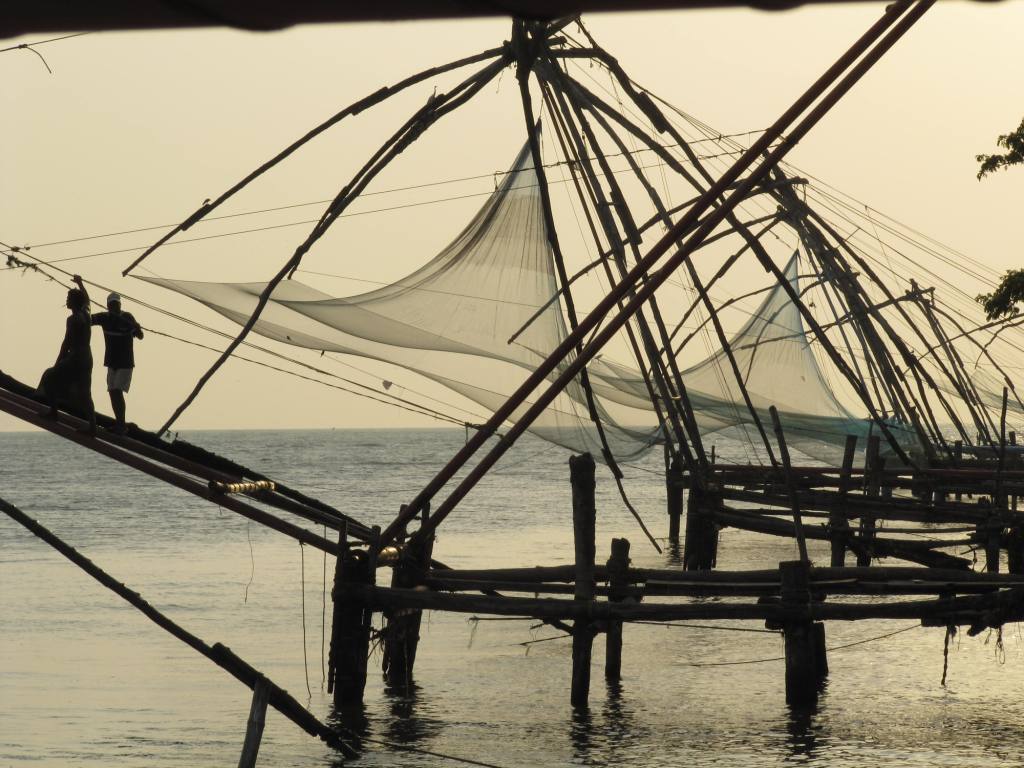
Best of Salim E.I. : Chinese Fishing Nets
The Chinese Fishing Net is one of the tourist attractions in Kerala that is a living fishing method in use for the last 650 years. Locally it is known as Cheenavala. By origin it was introduced by the Chinese explorer Zheng He.
Continue reading
Best Practices, Coffee Edition
Click the image to the left to go to the video, if you are the coffee-loving type. The follow up to this earlier story is here:
It’s not hard to brew a great cup of coffee—at least, it shouldn’t be. There are only two ingredients: coffee and water. And there are only two firm rules: these ingredients must be combined and then, sometime later, separated. (In fact, this second rule is somewhat less firm: when professionals are evaluating coffee, they typically let the grounds settle at the bottom of the cup, and use a rounded spoon to scoop small mouthfuls from near the surface.) Continue reading