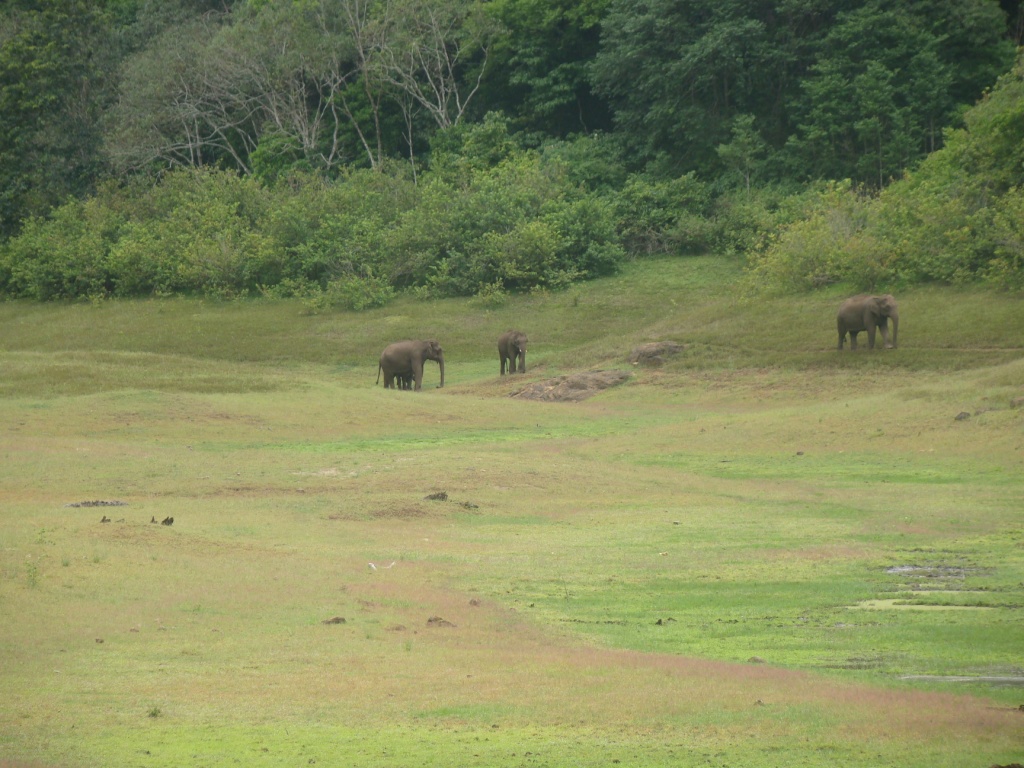
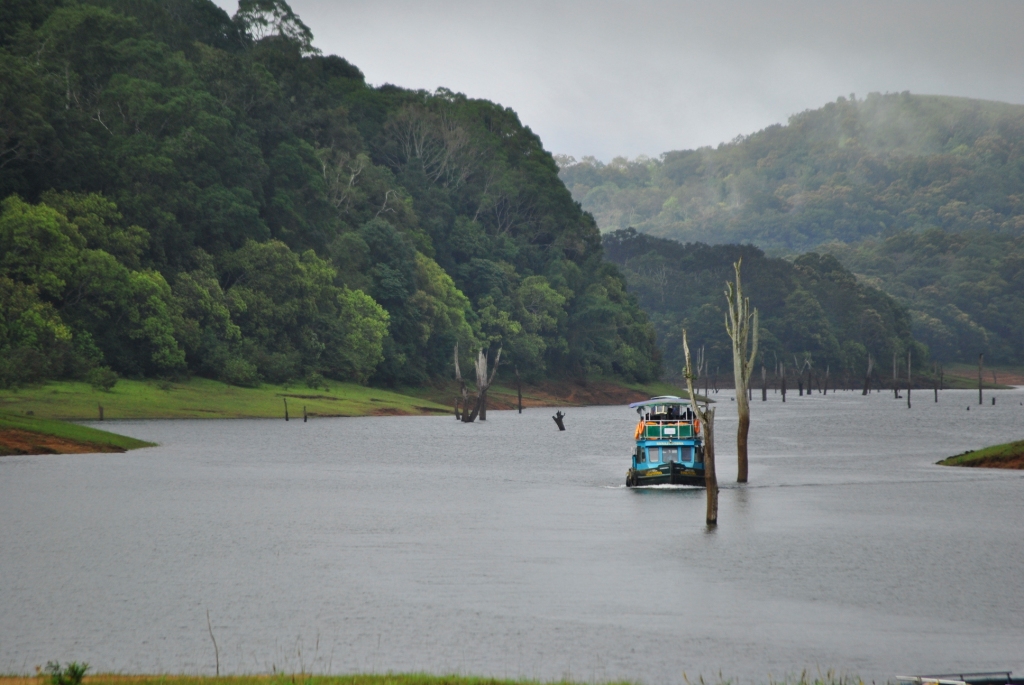
On the morning of June 9th, Shaleen James went for a nature walk in the Periyar Tiger Reserve. While originally from Mumbai, she was visiting Cardamom County. Shaleen enjoyed her trekking and had many good sightings and consequently, has kindly shared some of her photos with us. Continue reading
Food, Waste, Change
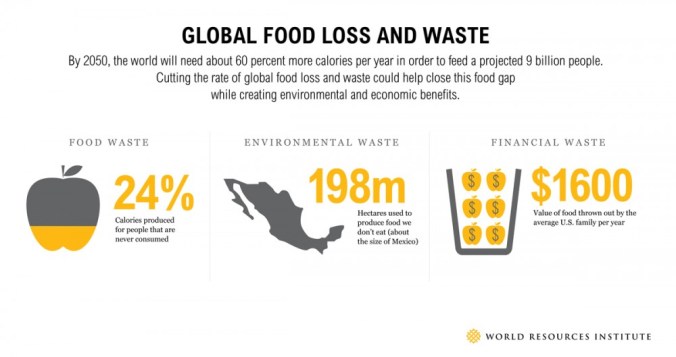
While we are on the subject of looking at food differently, as well as depending on others for new perspective, we can wrap all that around last week’s emphasis on food waste. We will not let that topic go until we see the dial turning. We will keep a spotlight on the need for change, and share whatever we find from our good neighbors on this topic. WRI shares a thorough examination that is worth a click and read:
The Food and Agriculture Organization of the United Nations (FAO) estimates that 32 percent of all food produced in the world was lost or wasted in 2009. This estimate is based on weight. When converted into calories, global food loss and waste amounts to approximately 24 percent of all food produced. Essentially, one out of every four food calories intended for people is not ultimately consumed by them. Continue reading
Photogenic Food
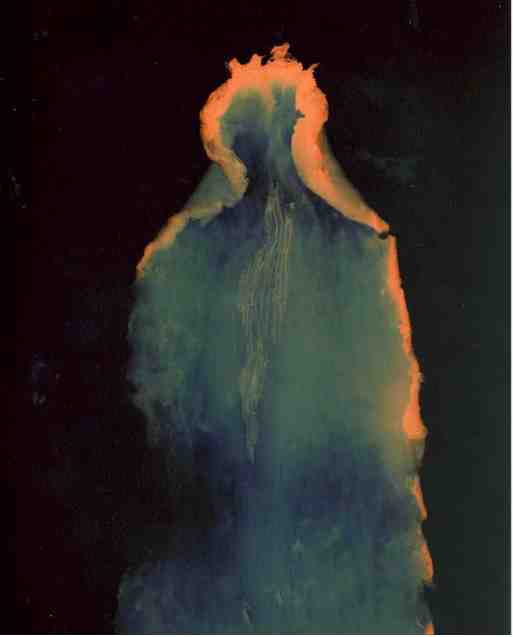
We mentioned recently that we are crowd-sourcing a new way of looking at decor for Cardamom County. National Public Radio (one of the great investments made by the tax-payers of the USA, in collaboration with loyal listeners who donate funds to their local stations) has a food-focused blog that has introduced us to a photographer of Indian heritage who grew up in the USA and has traveled around the world doing what photographers do: seeing the world through the lens, differently than we might otherwise see it. Here he is concerned, curious and creative in his exploration of what is in the food we eat:
These intriguingly abstract images are part of a photo series called Naturally Modified — the brainchild of photographer Ajay Malghan. To create them, he shines colored lights through thin slices of fruits and vegetables onto light-sensitive paper. So what you end up seeing isn’t a picture of the food itself, but an ethereal image of its shadow. Continue reading
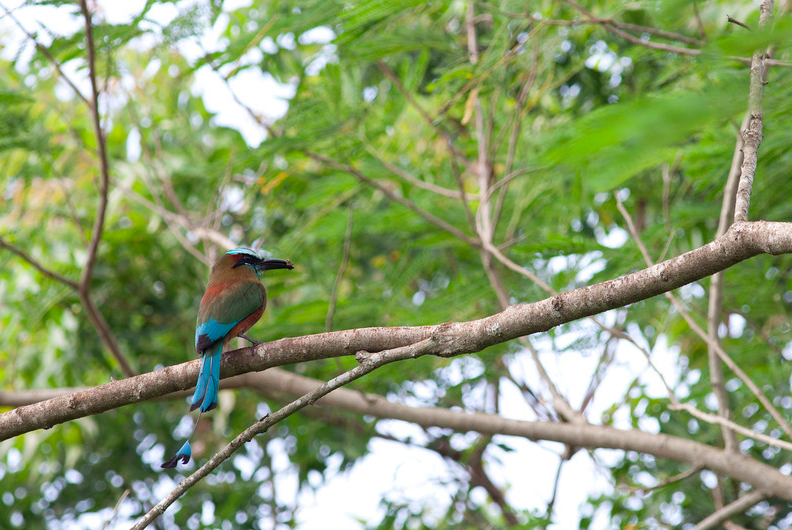
Bird of the Day: Turquoise-browed Motmot
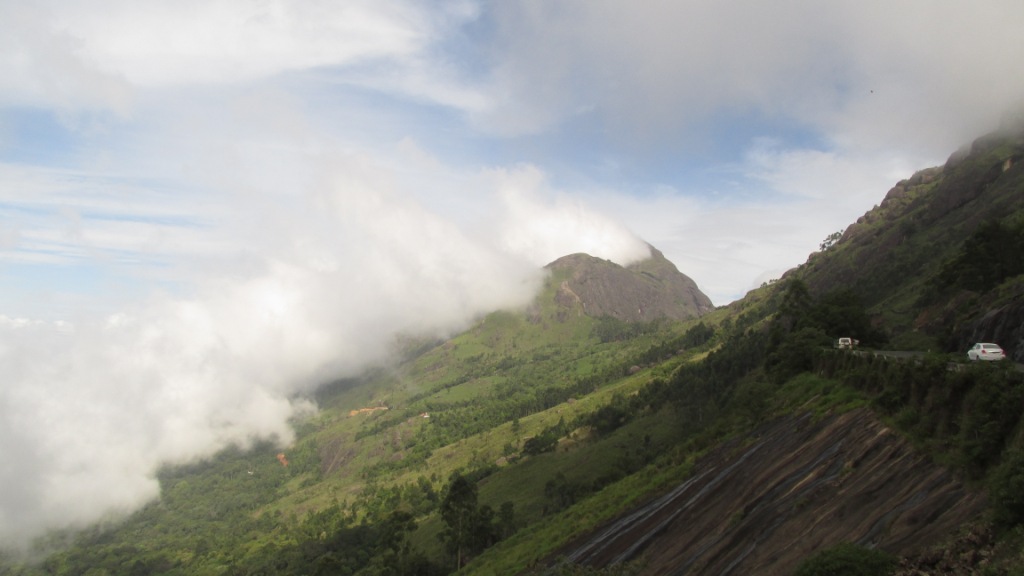
Bodi Mettu – Munnar
Bodi Mettu, the highest peak in South India, is located along the Munnar-Madurai Highway near the border between Kerala and Tamil Nadu. From this point on a clear day one will get a bird’s-eye view of Tamil Nadu and the Bodi town. Continue reading
The Wild5Five collection : drawing from Nature
via kerala‘s Wild 5 Five collection was designed to raise awareness about the fauna of the Periyar forest by setting forth 5 wildlife ambassadors. To decide which 5, the team of designers at Thought Factory carried out thorough research on the fauna of the Periyar Tiger Reserve in online journals and books, blogs and libraries. Continue reading
Bird of the Day: Yellow-breasted Apalis (Mole National Park, Ghana)
“3 idiots”: a Bollywood must-see
One of the most memorable weeks of my childhood was during a summer holiday in Mauritius spent with my brother and cousins with no adult available to take us to the beach. We kept going back and forth to the video store because all there was on television were Bollywood movies with no subtitles. Since then I’ve been pretty biased against Bollywood movies, there’s only so much Shannen Doherty direct-to-video one can take, you know? So when I met friends from Bombay, I asked them for an outstanding Bollywood movie. They said: “You’ve got to see 3 idiots“. That same night a friend from Tanzania wrote on his Facebook wall: “Make your passion your profession.! #The 3 Idiots.” So it was written in the stars, I had to see this movie.
Cactus plant
Cactus are unique plants found naturally growing in tropical regions, dry areas and deserts. Belonging to the family of cactaceac, instead of leaves from which water can easily evaporate, members of this family have spiney succulent body parts that help to control the water levels. Continue reading
Really, Bechstein?
Beauty is in the eye of the beholder. Disgust seems to us the only appropriate response to this seemingly beautiful, ultimate craft luxury. We appreciate craft, but not when ivory is part of it. It does not matter how the ivory was sourced: at this moment in time there is no justification for supporting the notion that ivory is still an acceptable definition of luxury. Shame on Bechstein, and more so to anyone who purchases their musical instrument made with elephant body parts. We try to keep it positive on this site, but with stories like this who can possibly contain the outrage? Continue reading
Brothers In Craft
What do we love most about this? The evidence that two brothers can work together effectively, pursuing a common dream; check. The commitment of two brothers to a craft, elevating it to a new level; check. The artisanal beards; enough already. It is about the brothers as much as anything else, and worth a few minutes of your time.
If you want to learn about the Masts, their approach to chocolate, and about their company, click the video above or here for the About page of their website, which includes more vimeos (note to Raxa Collective: are we using too many words and not enough video?). But do yourself a favor and click here for the ever-superb Jessica Harris’s conversation with these two brothers on her entrepreneurship-focused podcast called From Scratch: Continue reading
From Behind the Wheel: Amma Market
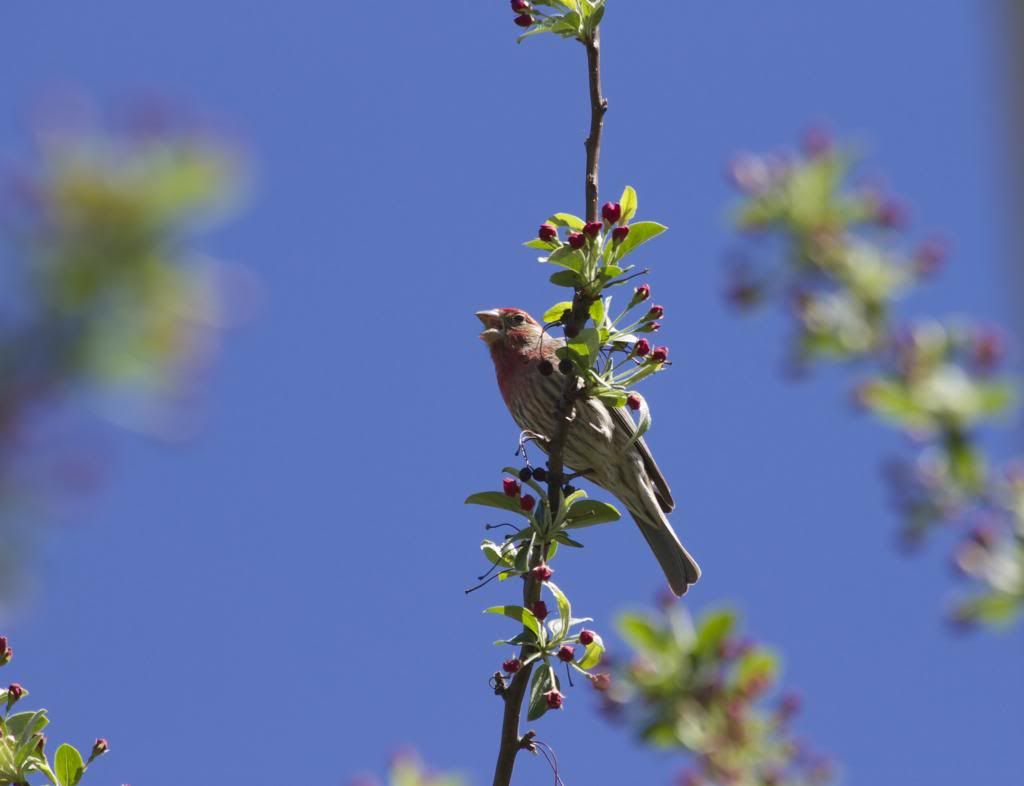
Bird of the Day: House Finch (Cornell University, Ithaca)
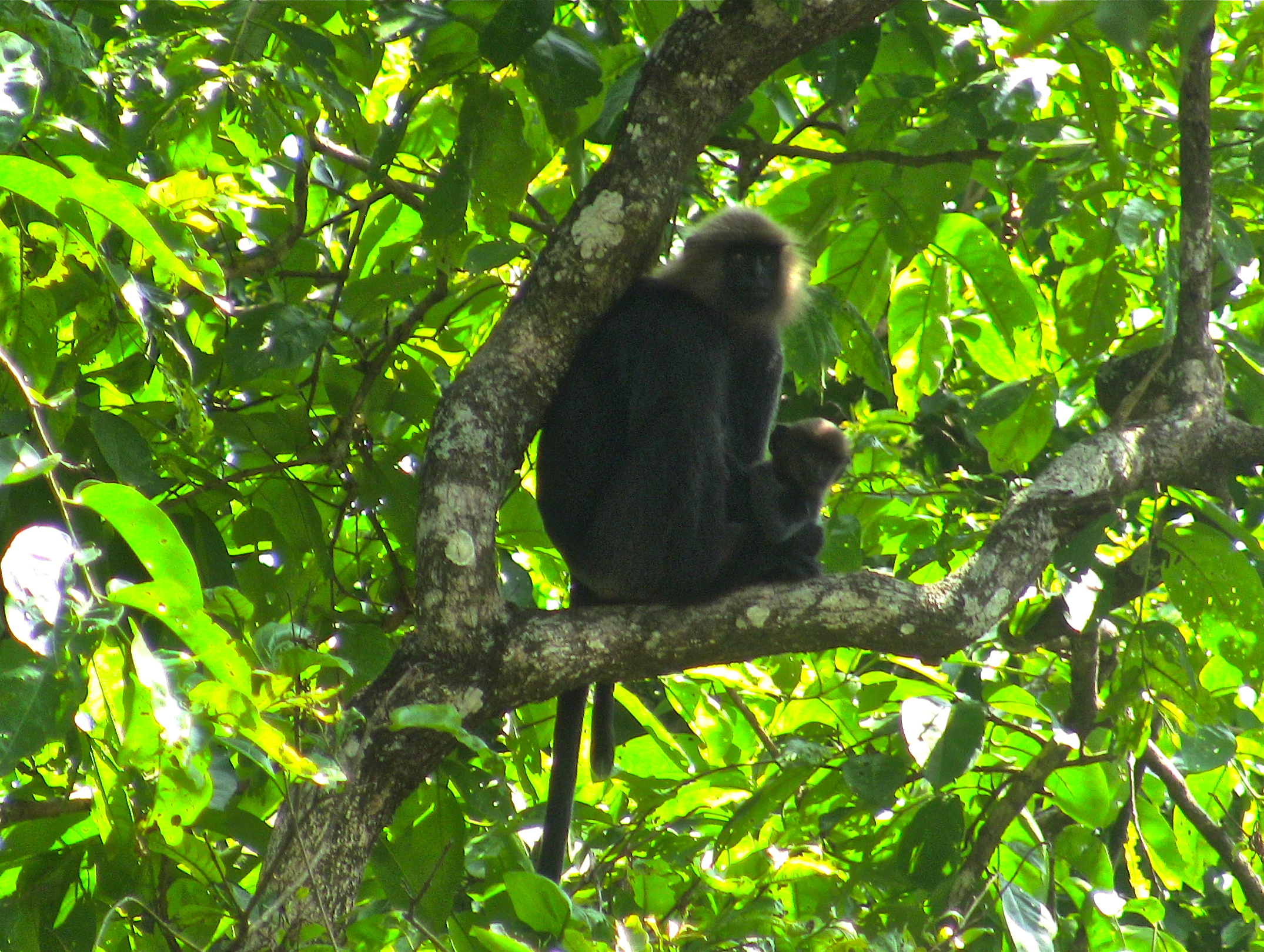
Endangered species : Nilgiri Langur
Two centuries ago, under the British rule, much of the Western Ghats forests were cut down to be replaced by tea plantations. In 1895, the damming of the Periyar river plunged 26 square km of pristine forests into what is now called the Periyar Lake. The 925 km2 of dense hilly forest that form the Periyar Wildlife sanctuary may seem huge, but it is actually a limited territory for the endemic species. Continue reading
Beauty Of Munnar – Lockhart Gap
Munnar abounds in amazing views. The Lockhart Gap is located near Munnar on the Thekkady road, offering a bird’s-eye view of Bison Valley and the surrounding hills and tea plantations. It is also an ideal place for rock climbing. Continue reading
Exploring Iceland

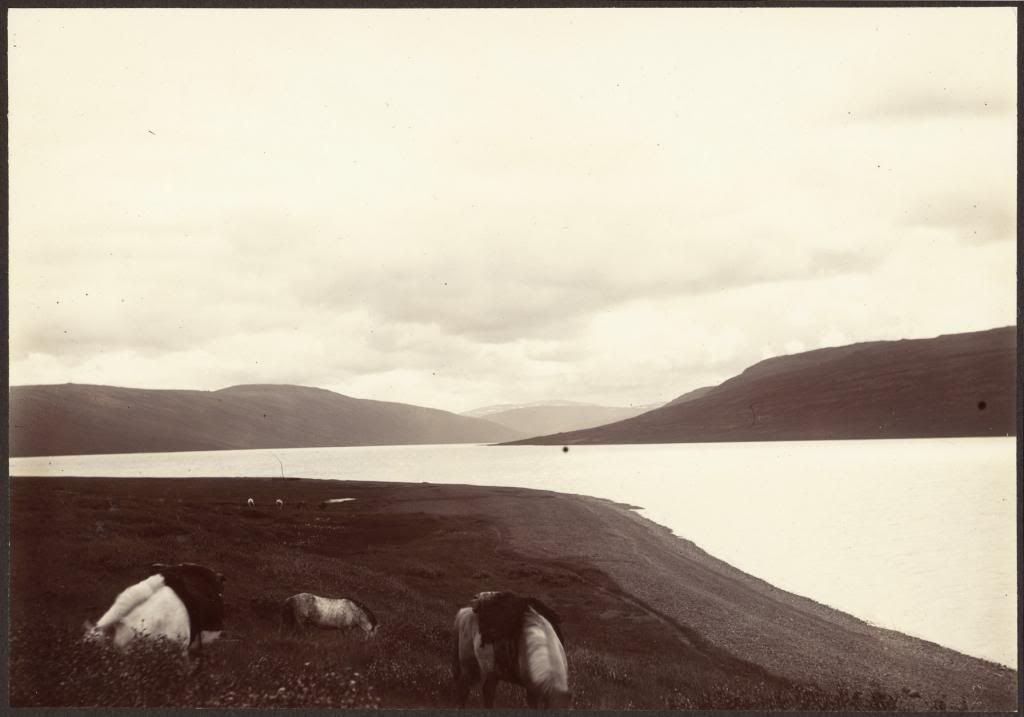
The head of Skorradalsvatn. Collodion print ca. 1900 by Frederick W. Howell. Bequest of Daniel Willard Fiske; compilation by Halldór Hermannsson at the Fiske Icelandic Collection of Cornell University.

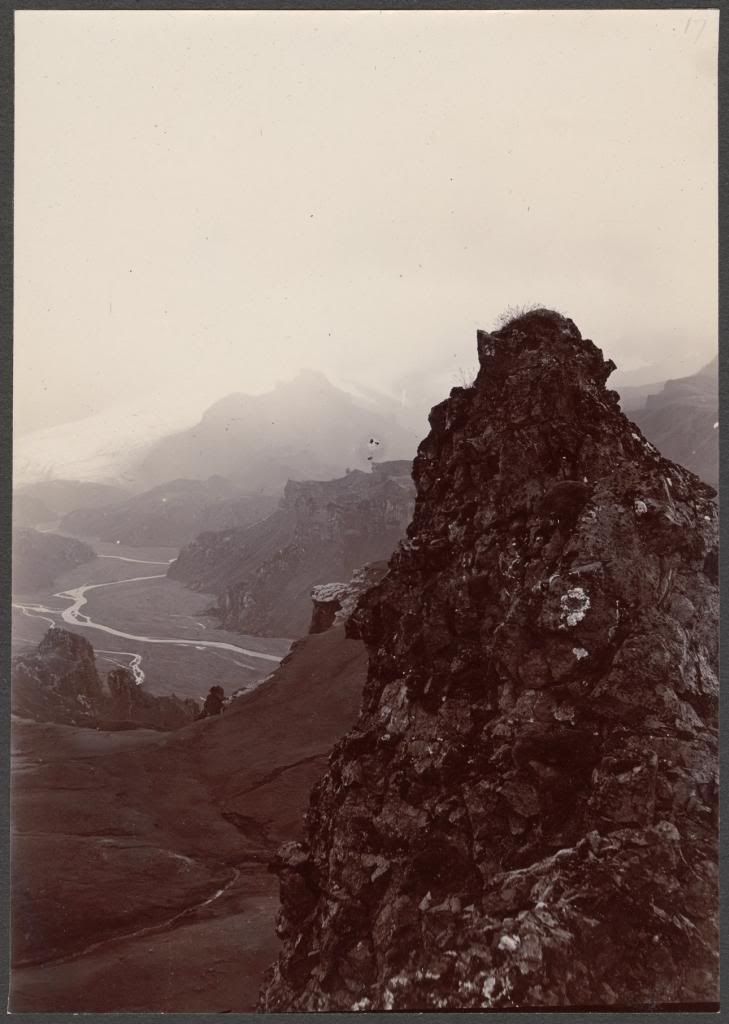
Þórsmörk. Head of Krossárdalur. Collodion print ca. 1900 by Frederick W. Howell. Bequest of Daniel Willard Fiske; compilation by Halldór Hermannsson at the Fiske Icelandic Collection of Cornell University.
It was mentioned a week or two ago that Iceland is in the air. For me, Iceland is on my mind, in my laptop, hidden throughout the Cornell libraries, and scattered about my room. After a couple essays for an environmental history course last year and some preliminary research for finding an honors thesis topic in the history major, I discovered that, thanks primarily to Cornell University’s first librarian, we have one of the largest collections of Icelandic material in the world. Since one of my projects for the environmental history class had shown me that Iceland was an interesting place to examine more closely, I did some more research and found the topic of European travel there during the eighteenth and nineteenth centuries engaging enough to choose as an honors thesis subject.
One of the places in Europe with the most spaces left blank by cartographers through the eighteenth and nineteenth centuries, Iceland’s inner regions were not fully mapped until 1901. Continue reading
Bird of the Day: Bare-throated Tiger Heron (El Cuyo, Mexico)
Periyar Sightings, 6th June 2013
Mary Mathew and her family recently joined us at Cardamom for two days. They had some good sightings during their boat excursion in the Periyar Tiger Reserve this morning and shared some of their photos with us. Continue reading
Community At The Heart Of Our World Environment Day 2013
Sharing a meal is the best way to make good use of food. The UNEP initiative Think.Eat.Save encouraged us to become more aware of the environmental impact of the food choices we make and empowered us to make informed decisions. It also gave us extra energy to continue the donations to Kumily Sneshashram that have been part of our routine for over a decade.
WED 2013: “Namaskaram”
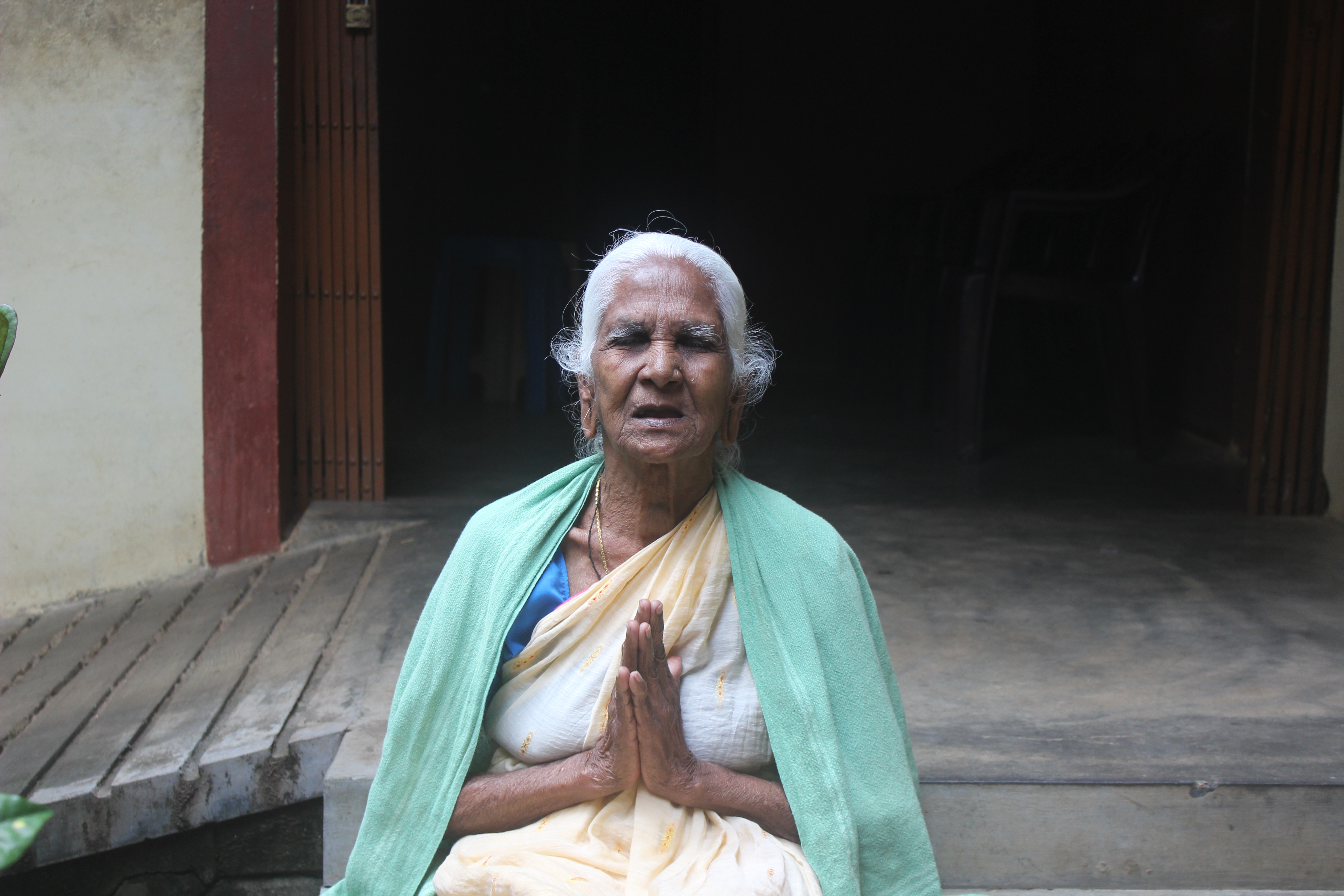
Join the palms of your two hands and point your fingers towards the sky. In India, this simple gesture, “namaskaram”, is more than just a greeting; it is a sign of respect. Yesterday, as part of World Environment Day and Raxa Collective’s food crisis initiative, I returned to the local homeless shelter to donate additional meals to the residents, and although I am separated from these individuals by a language barrier, I am able to communicate with them through a simple gesture of namaskaram.