To make a beautiful “uruli”, a traditional Kerala bowl filled with water and flowers, you need a keen eye. Picking the right flowers, drying them if it rained, placing them artfully, it is a craft. Continue reading
CUBs Focal Species Close-up: Barn Swallows
The Barn Swallow’s nesting and habitat preferences have made it the most abundant and widely distributed swallow species in the world. The species adapted to using human structures as nest-bases from their previous preference of nesting in caves (although a single population on California’s Channel Islands still chooses to nest in its ancestral cave-grounds), and today you can find Barn Swallows nesting nearly anywhere in the US, even ranging as far afield as southern Alaska.
Since they nest on man-made structures so often (hence their common name, as well as their species name rustica in the genus Hirundo), they make for a great focal species for Celebrate Urban Birds given that their habitat of choice can coincide with rural, suburban, and urban landscapes that include buildings, open areas, and water, especially bodies of which provide a source of mud. As you can see in the photos above and below, mud is the main building material for their nests, as it is for Cliff Swallows, a few of which are featured in these slideshows! Barn Swallows are also frequent subjects of the Funky Nests in Funky Places challenge at Celebrate Urban Birds.
Entomological Wonders

The New Yorker’s website has a post by Michael Lemonick describing a natural wonder than most people would not likely rate as highly as, say, an aurora borealis. But if you happen to be in the USA during the coming months, prepare for a natural shock and awe:
…The chirp of a single Magicicada septendecim, a type of cicada, is hardly noticeable. The simultaneous chirping of a million of them—a very rough estimate of how many insects will populate each infested acre—is not quite deafening, but it’s certainly overwhelming. The sound, a shrill, relentless whine, has been likened to the screech of a jet engine. Continue reading
Collaboration At High Altitude

Percy Fernandez for The New York Times. Norbu Sherpa on the Khumbu Glacier near the Everest base camp in Nepal.
Mountain-climbing is often perceived as a solo, even lone wolf style pursuit of adventure. The higher the climb, the more collaboration is required for success. Over at India Ink, Malavika Vyawahare shares her conversation with one of Mt Everest’s great guides:
NEW DELHI—Norbu Sherpa, 32, has been working as a climbing guide in the high mountains of Nepal, over 6,000 meters (19,685 feet) for more than a decade. He has been a member of seven expeditions to Everest, the highest peak in the world, at 8,848 meters (29,029 feet), and reached the summit five times. Norbu, who was educated in Darjeeling, is currently part of a National Cadet Corps Everest team from India.
Kottiyoor Mahadeva Temple – Kannur
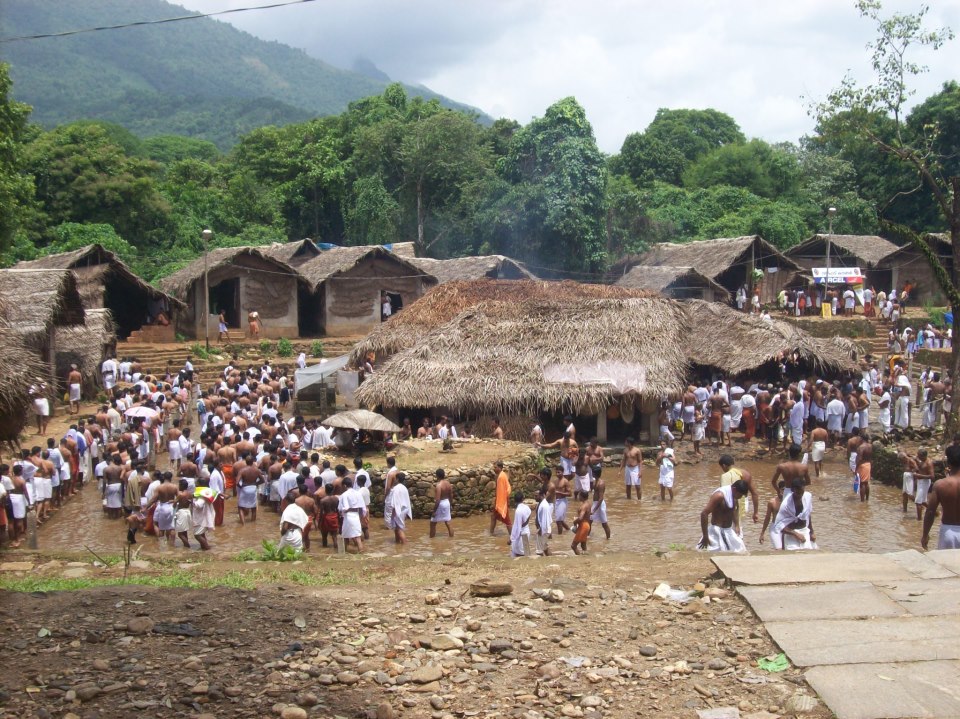
Photo Credits: Ranjith
Kottiyoor Mahadeva Temple is located near Kelakam in the Kannur district. Described as the ” Varanasi of the South”, the shrine is dedicated to Lord Shiva and is an important pilgrim centre of north Kerala. Located in the deep forest, it is interesting to notice that there are no physical temple structures except for a Shiva linga. The annual festival attracts lakhs of devotees every year during the ” Vaisakha Maholsavam”. Continue reading
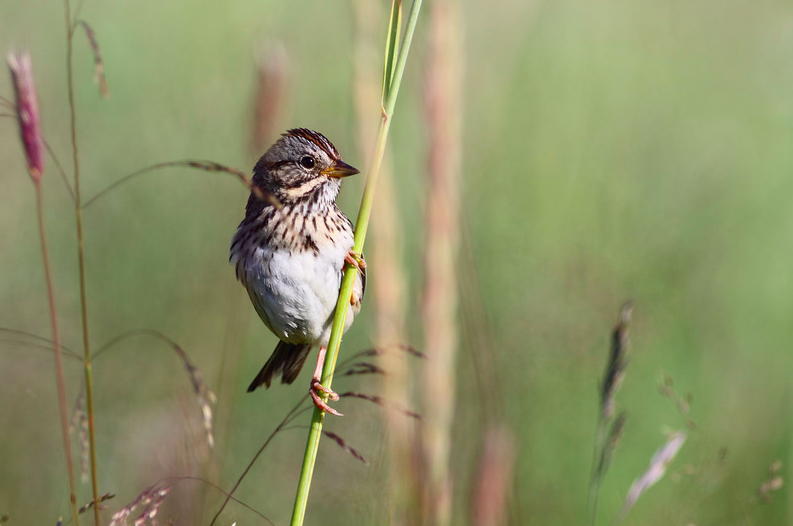
Bird of the Day: Lincoln’s Sparrow (Mendenhall Wetlands, Alaska)
A stroll around Kumily

Cow playing football


Cardamom County is located at the junction of Kumily and Thekkady and for me it is not quite clear yet where one starts and the other stops. Walking around Kumily in the early morning is a privileged moment to witness daily wonders. Continue reading
Astronaut Coffee Taste Test
Thanks to Megan Garber, one of the Atlantic‘s other intrepid investigative writers for this story of collaboration by members of the food and astronaut communities:
So we finally have an answer to that age-old culinary question: What do professional foodies think about … space coffee?
Two celebrity chefs — David Chang of Momofuku and Traci Des Jardins of Jardiniere — made a trip to the Johnson Space Center in Houston. Their particular mission? To do some testing of the culinary offerings developed in the Space Food Systems Laboratory. Continue reading
Prayer
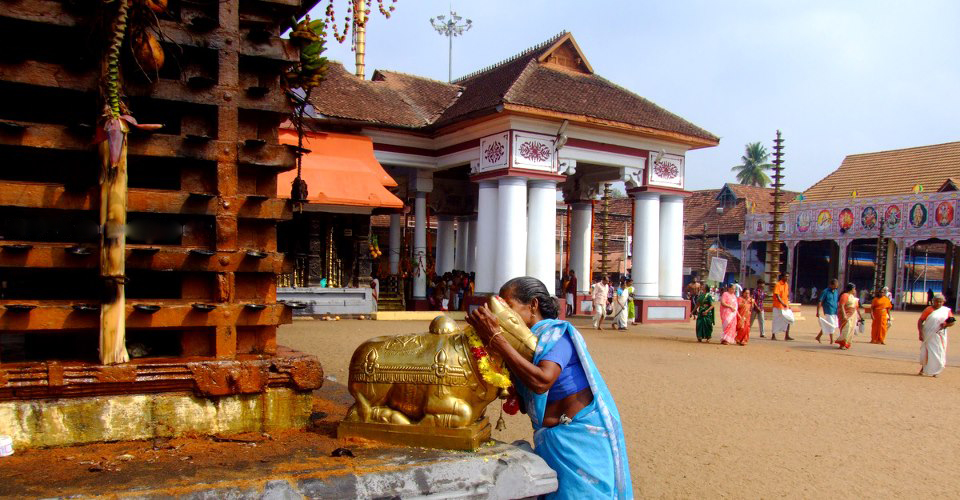
Photo Credits: Ramesh Kidangoor
Temple worship has had a glorious tradition in India and over the years there have been many temples built for different Gods and Goddesses. In the Hindu religion, people believe the only way of establishing a relationship with God is through an animal mediator, such as the bull, snake and elephant. Continue reading
Replacing Street Lamps With A Natural Glow
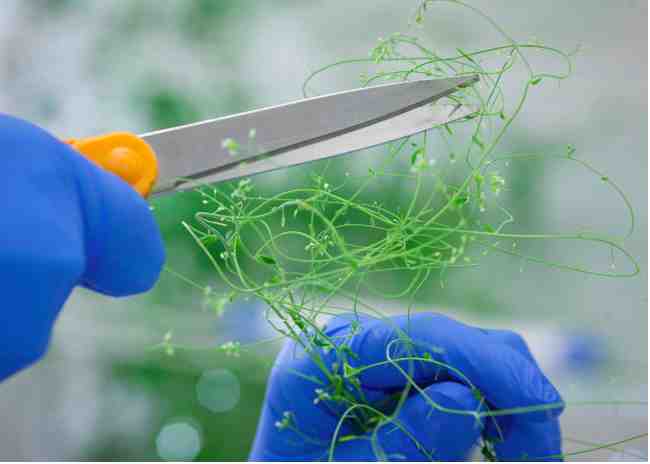
Thanks to the New York Times for the link to this tree-hugger’s get rich quick scheme:
Hoping to give new meaning to the term “natural light,” a small group of biotechnology hobbyists and entrepreneurs has started a project to develop plants that glow, potentially leading the way for trees that can replace electric streetlamps and potted flowers luminous enough to read by. Continue reading
Bird of the Day: Summer Tananger
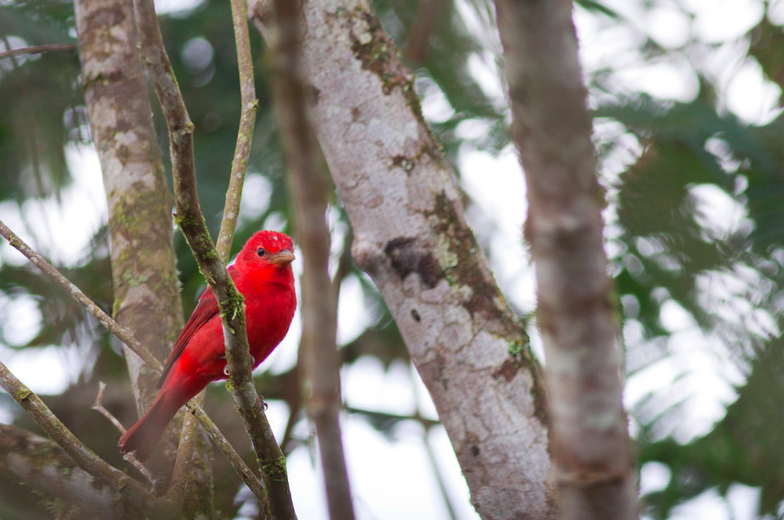
Reserva Los Cedros, Ecuador
Tribal Ecology Lesson
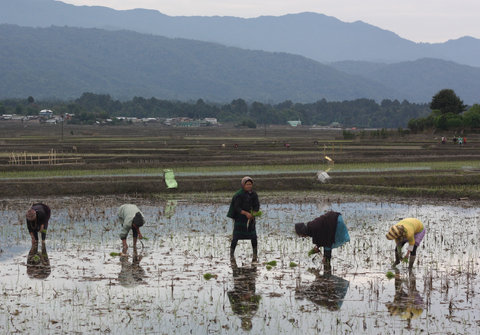
Photo: Brian Orland. Farmers belonging to the Apa Tani tribe transplanting paddy in the Lower Subansiri district of Arunachal Pradesh.
Thanks to India Ink for the reference:
ZIRO VALLEY, Arunachal Pradesh — The end of April is planting time for the women of the Apa Tani tribe. Their 50-square-kilometer valley is a meticulously groomed jewel of green conservation, compared to the flood-beset Assam plains below or the slash-and-burn plots that neighboring tribes cultivate in the shrinking forests of the surrounding hills. Continue reading
Funky Hummingbird Nests
If you enjoyed my last post on hummingbirds, then I think you’ll like these photos that I uploaded on the Celebrate Urban Birds blog even more!
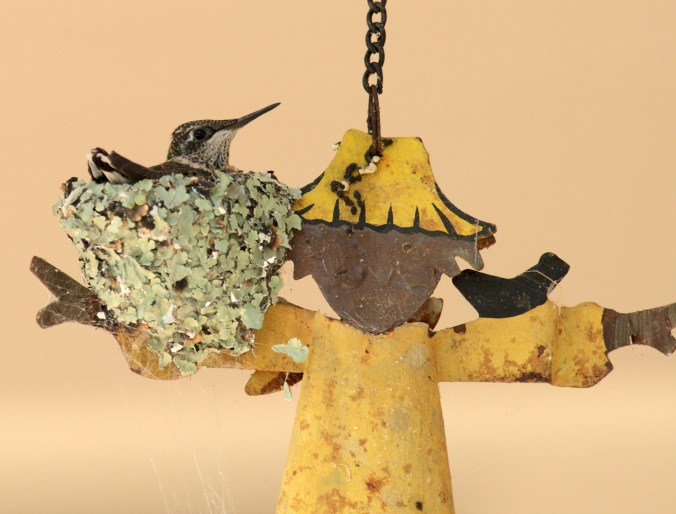
Photo of Ruby-throated Hummingbird by Marshall Faintich
Kerala’s Classical Arts
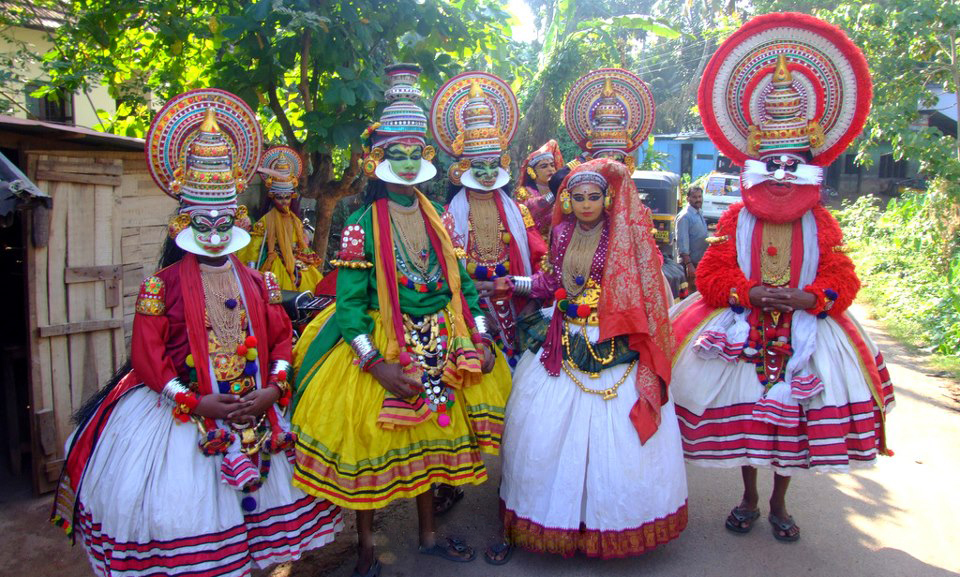
Photo Credits: Ramesh Kidangoor
From December to May Kerala comes alive with its colorful Temple festivals. Each Temple has its own lore, ranging from the fantastic to the bizarre, and always involving many people within their communities. Kerala’s classical arts such as Kathakali, Theyyam and Panchavadyam, among others enjoy a frenzied resurrection during the festival season. Continue reading
First Egg: Same Box; Same Female; Same Ordinal Date!
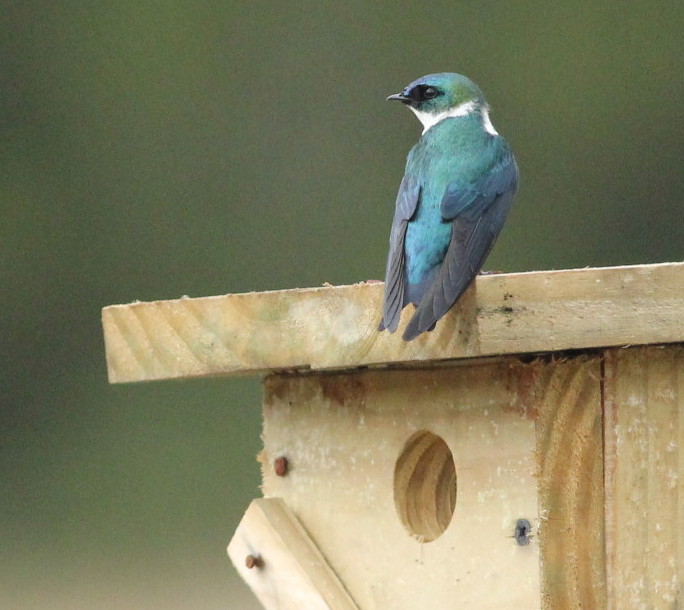
We couldn’t believe it either, but an ASY female (an ASY is a bird known to have hatched earlier than the calendar year preceeding the year of banding) that we banded last year has returned to the same box at the same site, built a nest and laid her first egg on the same ordinal date as last year. (In 2012, February had 29 days and the first egg arrived on April 30th, this year February has 28 days and the first egg arrived on May 1st.) We celebrated how any other field biologists in the middle of nowhere would – a hot cup of tea and an invigorating game of cribbage. Continue reading
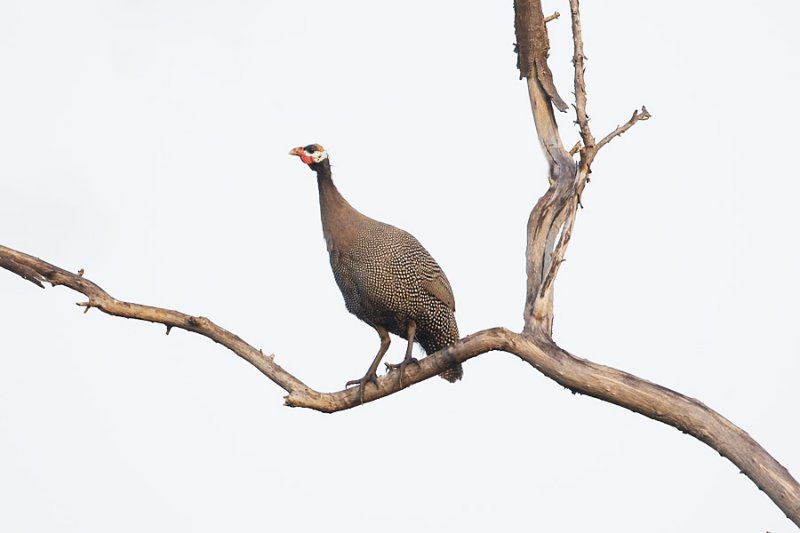
Mole National Park, Ghana
Bird of the Day: Helmeted Guineafowl
Green man-made landscapes


Sometimes you look at workers through a tourism car window and you think: they may be doing the same gestures that their ancestors were doing centuries ago.
Bolgatty Palace – Kochi

Photo Credits: Ramesh Kidangoor
The Bolgatty Palace was built in 1744 by the Dutch and later taken over by the British. Today it is a hotel run by the Kerala Tourism Board. The palace is located on Bolgatty Island, one of the islands that form part of the city of Kochi. It is a two-storied building with well-laid verandas on both sides facing the seas. Set amidst lush, tropical greenery, this Dutch heritage building has the added advantage of a spectacular view of the backwaters.
Continue reading
Artisanal Glass & Natural History
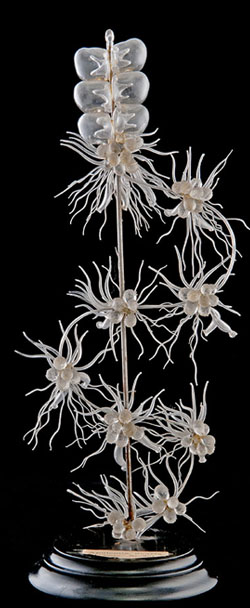 An article in today’s New York Times by C. Drew Harvell profiles the Blaschkas, glassmakers who were commissioned to create anatomically perfect sculptures of marine creatures for scientific purposes starting in the late 1800s, and current efforts to find living specimens of the same. From the introduction to one of the original collections, at Cornell University:
Before Jacques Cousteau and the aqualung, before Kodachrome and underwater photography – there were the Blaschkas, father and son glassworkers who produced some of the most extraordinary glass objects that have ever been made. Their work has been described as “an artistic marvel in the field of science and a scientific marvel in the field of art.”
Artifacts inevitably reflect the cultural values leading to their creation. In 19th century Europe and America, an explosion of interest in science and education directly affected Leopold and Rudolf Blaschka. Reflecting these interests, new museums were built and opened to the public. They differed from earlier museums not only by admitting the public but also by featuring collections that illustrated science and natural history and often displayed systematic arrangements of plants and animals.
Bird of the Day: American Kestrel
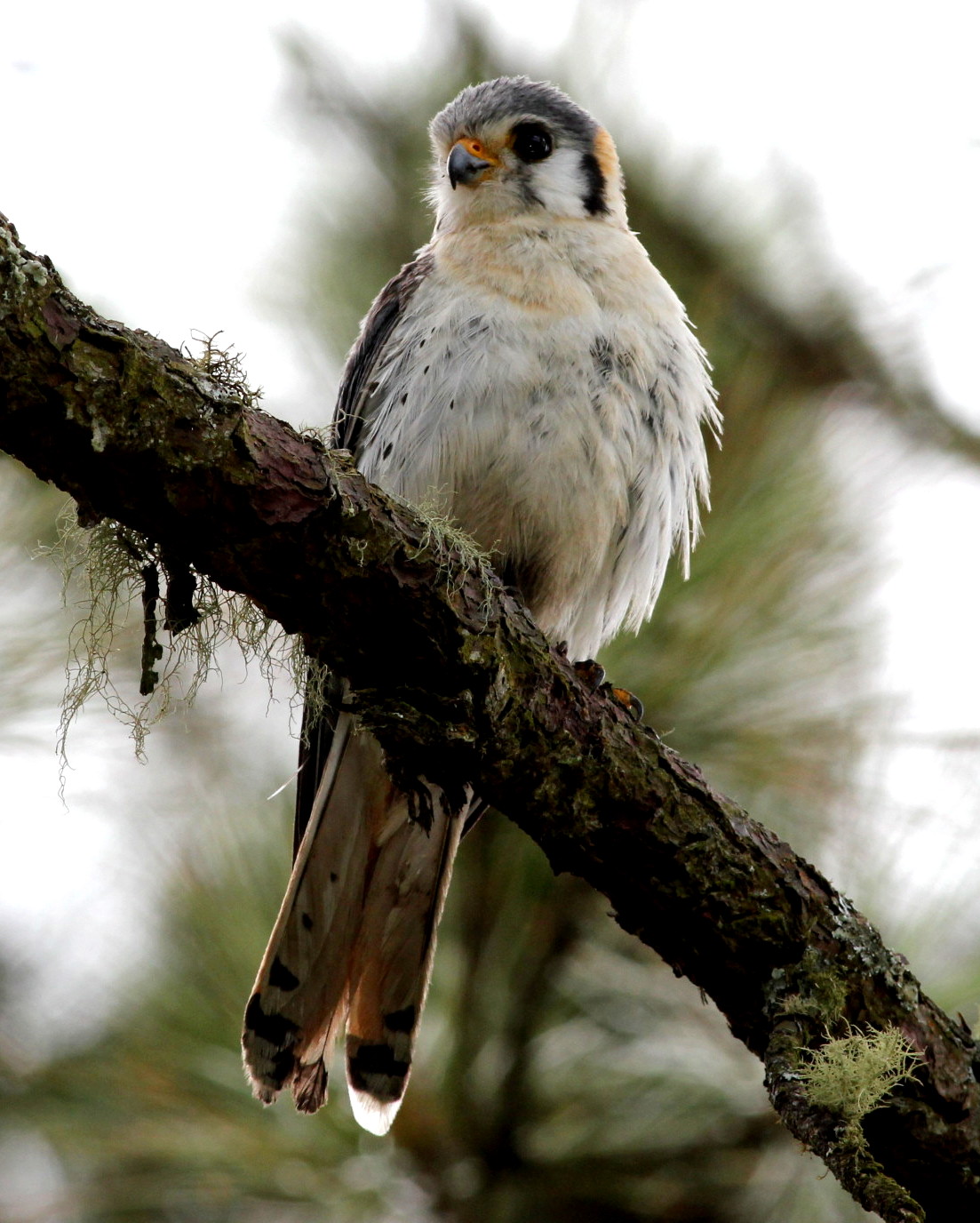
Parque Valle Nuevo, Dominican Republic
 Organikos