Read, Weep, Act

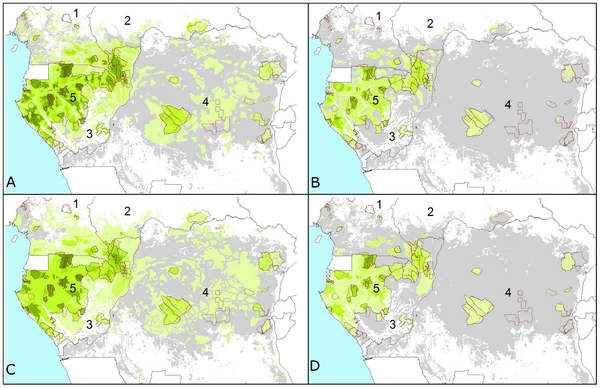
Figure 1. Elephant dung density and range reduction across the Central African forests.

A just-released scientific study documents the destruction.  Roughly 25,000 elephants per year are killed in Africa to feed the demand for ivory in Asia, and the pace has increased in the last decade such that, in another decade, extinction is possible.  A petition that led to one important-sounding announcement provided momentary hope until it was noted that no dates or even vague timelines were committed to.  For now, we have only the clear, cold facts of science and whatever stimulus these findings provide for us to take action:

Abstract

African forest elephants– taxonomically and functionally unique–are being poached at accelerating rates, but we lack range-wide information on the repercussions. Analysis of the largest survey dataset ever assembled for forest elephants (80 foot-surveys; covering 13,000 km; 91,600 person-days of fieldwork) revealed that population size declined by ca. 62% between 2002–2011 Continue reading

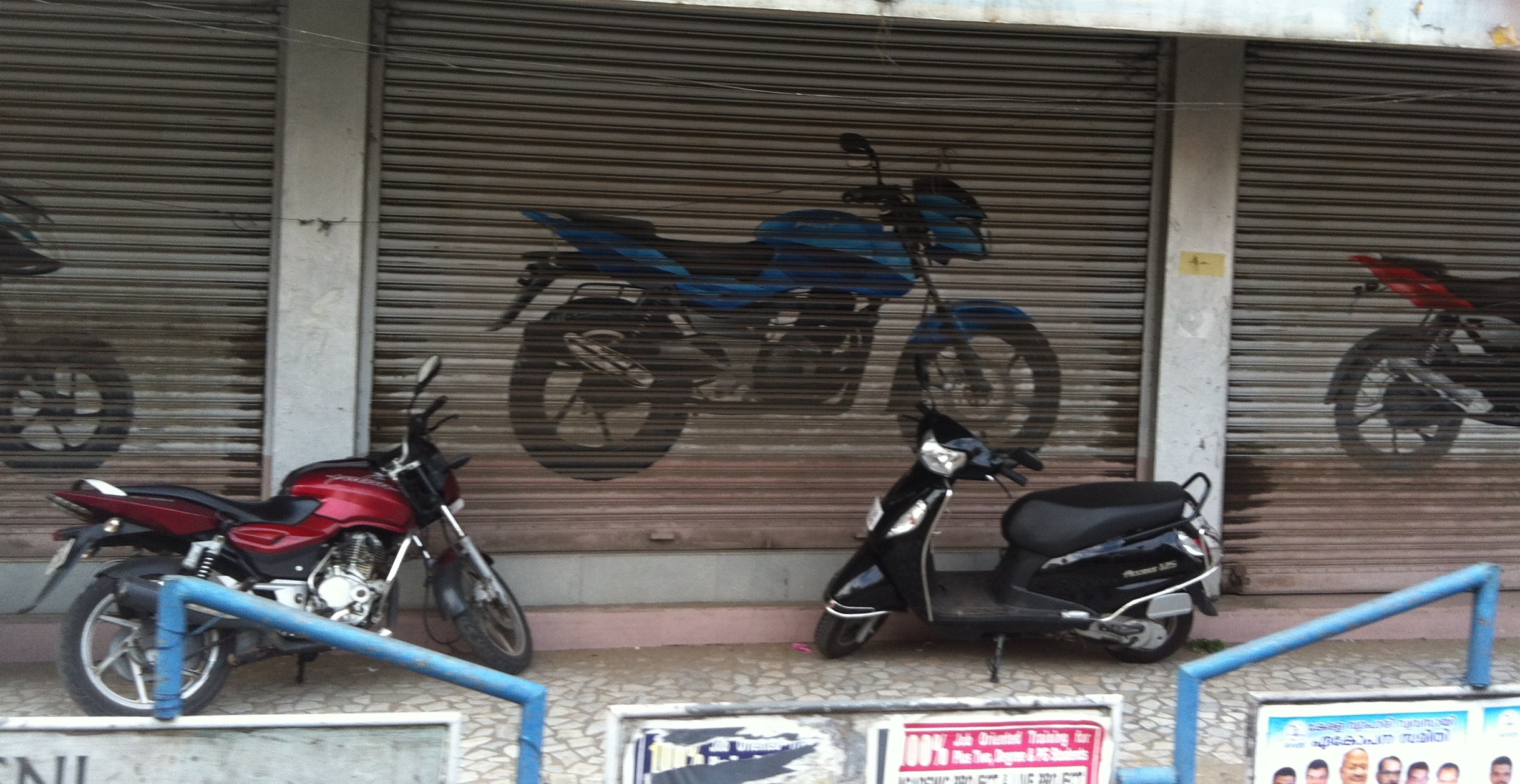
Beauty Of Kerala – Varkala Beach

Photo Credits: Ramesh Kidangoor

Varkala is situated about 50 km north of Thiruvananthapuram, the capital of Kerala. The area’s topography is perhaps its best attraction; the wide plateau atop steep laterite cliffs offers a grand vista of the sea. Continue reading

Wild Bees And Crop Yields

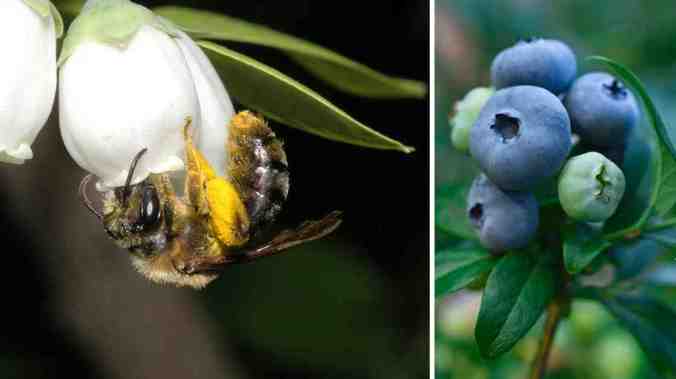
Wild bees, such as this Andrena bee visiting highbush blueberry flowers, play a key role in boosting crop yields. Left photo by Rufus Isaac/AAAS; Right photo courtesy of Daniel M.N. Turner

We like stories about bees for many reasons, but mostly in relation to the seemingly unrelated topics of food and collective action. In less than five minutes, this podcast news story adds important information to the mix:

Some of the most healthful foods you can think of — blueberries, cranberries, apples, almonds and squash — would never get to your plate without the help of insects. No insects, no pollination. No pollination, no fruit.

Farmers who grow these crops often rely on honeybees to do the job. But scientists are now reporting that honeybees, while convenient, are not necessarily the best pollinators. Continue reading

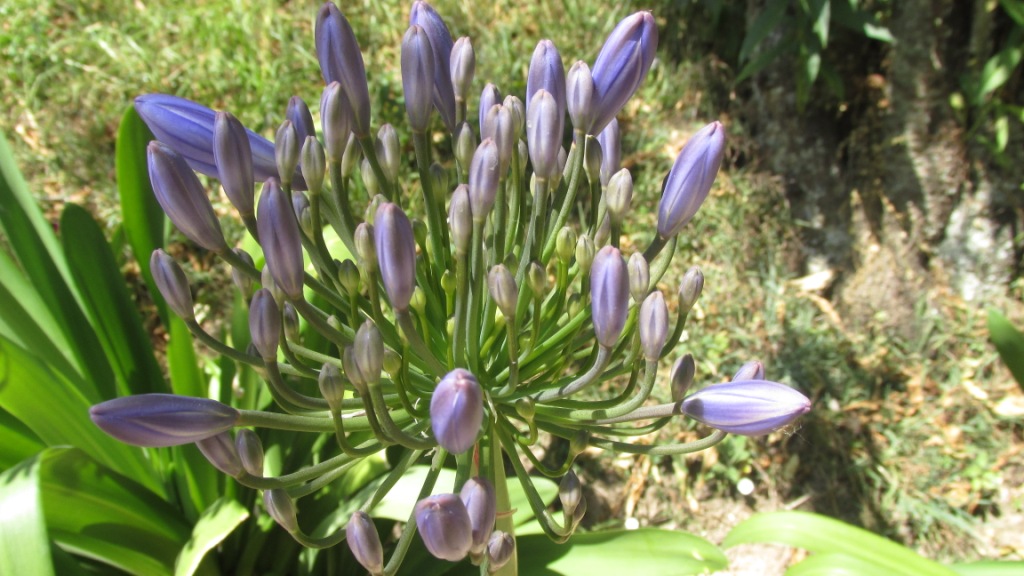
Lily Of The Nile (Agapanthus africanus)

Although called sometimes called Lily of the Nile or African Lily, Agapanthas isn’t actually in the lily family at all. Native to South Africa, it is now naturalized in much of the hilly regions of Asia and Central America, commonly growing in the high ranges of Kerala above 1000 meters. Continue reading

A Petition, A Meeting, A Smile

th_pm

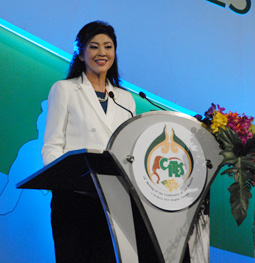
On behalf of elephants, the 1.5 million people who signed a petition to this end, and all the other people who care about their welfare, including the ecosystems where they continue to exist in the wild, we extend our strongest thanks for this announcement–years late but still very much appreciated. We hope, following the smiling moment at this important meeting, you will back it up with strict enforcement (click the image to the left for the full press release on the CITES website):

On behalf of the Government and people of the Kingdom of Thailand, I would like to welcome all of you to Bangkok, for the 16th Meeting of the Conference of the Parties to the Convention on International Trade in Endangered Species of Wild Fauna and Flora or CITES CoP16. Continue reading

James Prosek, Come To Kerala!

This slideshow requires JavaScript.

When we invite an artist to visit us, it is mostly but not always because we think their work would fit well with the natural environments where we work. And, of course, because we love what we have seen of their art. The slideshow above includes current and boyhood illustrations by an artist who would hopefully appreciate our daily attention to his beloved creatures in various places:

…The artist and author James Prosek uses vivid and highly detailed watercolors to capture the natural world. He’s compared often to Audubon, though unlike the 19th-century artist’s focus on birds, Prosek’s work most often focuses on animals with fins instead of feathers. Continue reading

A Look Back at AguaClara

Pure nostalgia. That’s how I felt when I looked through the photos on my computer of my trip to Honduras two years ago. I was reminded by a previous post about my experience with AguaClara, a Cornell project team that designs and builds water treatment plant for impoverished communities in Honduras. The team has grown in size and prestige ever since I left, and it’s garnered multiple awards (from the EPA and Katerva, most recently).

AguaClara team members walking across a narrow suspension bridge in rural Honduras.

Continue reading

Thookkuvilakku – Hanging Lamp

Photo credits: Ramesh Kidangoor

The Thookkuvilakku or traditional brass lamp, is an integral part of all rituals and ceremonies in Kerala and lighting the lamp on any occasions is believed to be auspicious. Bronze, popularly known as Odu in Kerala, is used for making all types of brass lamps. Continue reading

For Wales?

The Oxapampa-Ashaninka-Yanesha UNESCO biosphere reserve in central Peru. The Welsh funds will help the Ashaninka preserve their forests. Photograph: Nicholas Gill/Alamy

“For Wales? Why Richard, it profit a man nothing to give his soul for the whole world. . . but for Wales!” ― Robert Bolt, A Man for All Seasons

When Richard Rich betrayed, he did so for rewards related to Wales. Thomas More, in top shelf literary insult, takes him to task for it by emphasizing the pathos of having betrayed for profits as meager as Wales.

If you have been to Wales, you know it has nothing to be ashamed of in terms of physical beauty.  And as for cultural beauty, Dylan Thomas or Richard Burton could tell Robert Bolt or Thomas More for that matter a thing or two about Wales.  But now, Wales shows a creative streak in this contribution to conservation, perhaps a deeper greatness than other classics in its history. Continue reading

TED Says Thank You In A Big Way

This slideshow requires JavaScript.

TED’s blog has this description of the man who it awarded $1 million this year:

It’s a question on so many minds: what will the future of education look like?

It’s something Sir Ken Robinson has asked for decades…Robinson got the opportunity to announce the winner of the 2013 TED Prize, someone who has a bold answer.

“So many kids are disengaged from education and there’s a tendency to confuse testing with learning,” says Robinson in his introduction. “What drives learning is curiosity, questioning … What fires people up to learn is having their mind opened up by possibilities.”

And with that, he revealed the winner of the $1 million TED Prize: education innovator Sugata Mitra, who has given two TED Talks over the years and released a TED ebook called Beyond The Hole in The Wall.

Continue reading

Climate Change Primer

In one of its last posts before dissolving, Green Blog has this interview that serves as an excellent primer on climate change:

Dieter Helm has long been frustrated that, despite more than two decades of international negotiations, the world has failed to tackle climate change. So he got angry, he said, and decided to write a book about it: “The Carbon Crunch: How We’re Getting Climate Change Wrong — and How to Fix It.” Continue reading

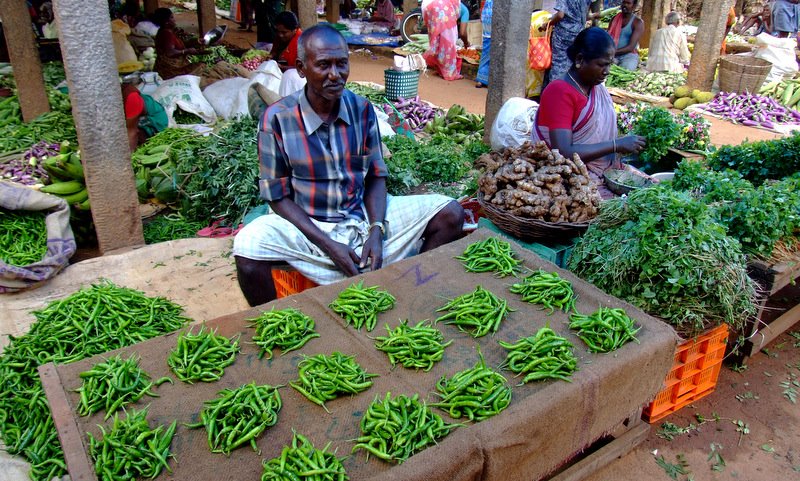
South Indian Open Markets

Photo credits: Ramesh Kidangoor

Vegetables and fruits typically constitute an essential part of the daily diet in India and they are in great demand year-round by most sections of the population. Open markets are very common in both small towns and cities of South India, where people buy and sell their fresh vegetables and fruits. Continue reading

Congrats To The AguaClara Team At Cornell University

From an article linked in one of our alumni emails we learned about an organization with a worthy set of initiatives and actions:

Katerva is building unique platforms to create and leverage its global action network:

  • The Katerva Awards – The pinnacle of global sustainability recognition. Through them, the best ideas on the planet are identified, refined and accelerated for global impact. Continue reading