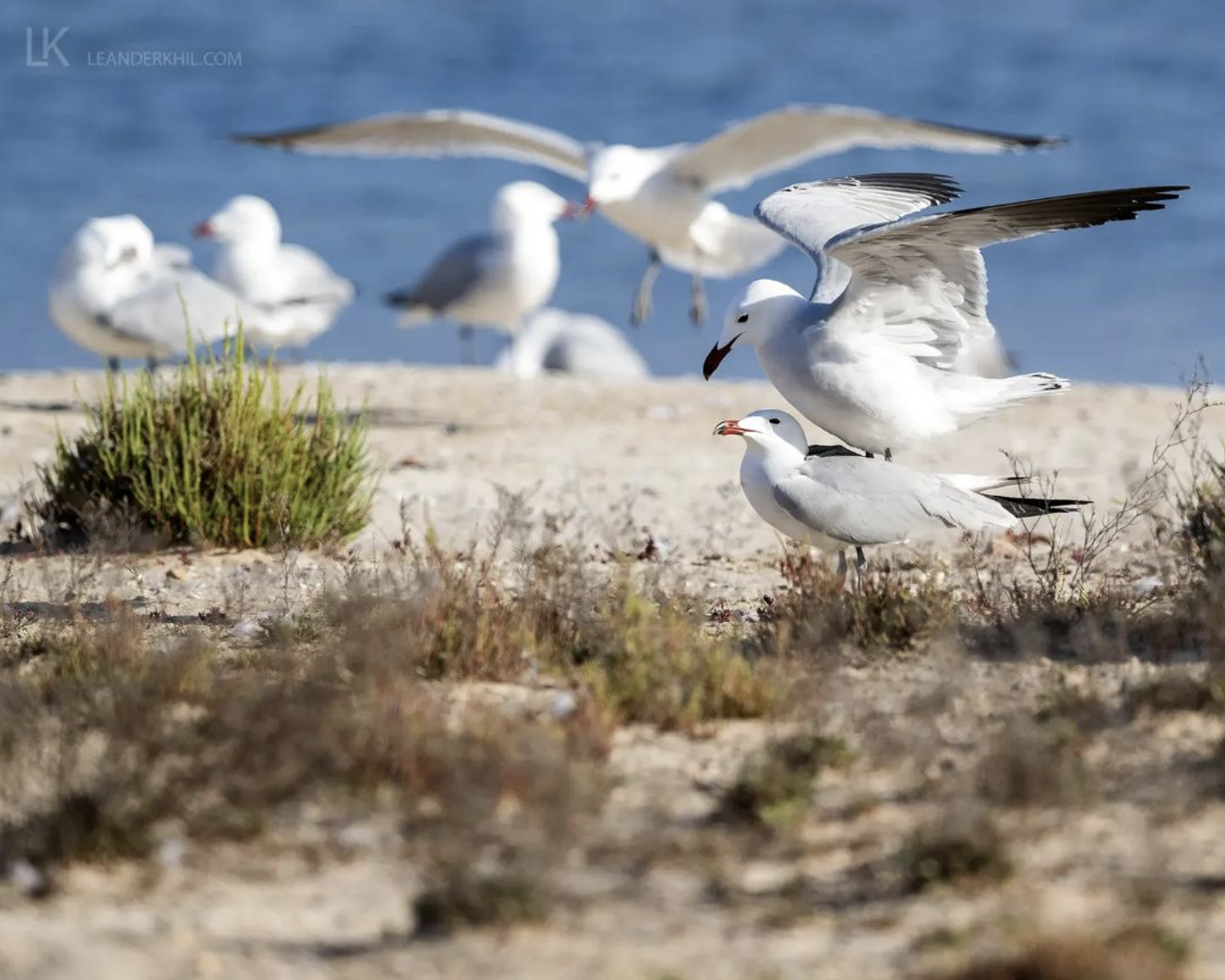
Valencia, Spain
Carbon Capture, Scaled To Texas

A direct air capture system at the Carbon Engineering pilot facility in Squamish, British Columbia, Canada. Photograph: Bloomberg/Getty Images
Carbon capture technology has its skeptics, but it has steadily improved and is closer to proof of concept. Next step, scaling to Texas:
The world’s biggest carbon capture facility is being built in Texas. Will it work?
The plant will inject 500,000 tons of carbon dioxide into the ground each year – but is it just greenwashing from big oil?
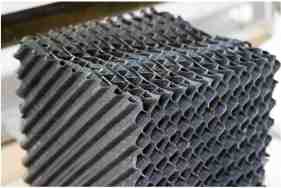
Plastic membrane used in the direct air capture system. Photograph: Bloomberg/Getty Images
Rising out of the arid scrubland of western Texas is the world’s largest project yet to remove excess carbon dioxide (CO2) from the atmosphere, a quest that has been lauded as essential to help avert climate catastrophe. The project has now been awarded funding from the Biden administration, even as critics attack it as a fossil fuel industry-backed distraction. Continue reading
Bird of the Day: Andean Condor

El Palmar Integrated Management Natural Area, Chuquisaca, Bolivia
Stories from the Field: Andaman and Nicobar Islands

Year 2015 was special for Shashank Dalvi. It was his “Big Year” – a birder’s personal challenge to identify as many species as possible within that time period. I had the opportunity to bird with him and learn from him earlier in the year. He is truly devoted to nature and fills up your brain with tonnes of useful and jaw-dropping information on all creatures in the wild. He decided to wrap the year finding the Nicobar Megapod and was travelling to the Andaman and Nicobar Islands. He managed to obtain permission with several Government departments for himself and our group of 8 birders to travel to Central and Great Nicobars before closing the year in Gujarat.
We were to leave for Port Blair on 15th December, and the timing couldn’t have been worse. Chennai and the east coast of India was drowned in rains. Ominous clouds moved in fast-forward mode. It was like watching a horror movie.
Nature’s fury rendered people and their deities helpless. Bridges and dams tumbled down. People were stranded in higher floors. More than 15 feet of water covered the low-lying residential areas. The expedition was 5 days away.
I googled the weather pattern over Andamans and Nicobars. I could not see a bit of land. Just purple swirls. The first ever trip with legal documents to travel to any of the islands of Central and Great Nicobar might get washed out due to rains. Continue reading
Bird of the Day: Blue-gray Gnatcatcher

Hays County, TX
The Coming Wave, Reviewed
 The primary author of this book is one of the pioneers of AI, so what he has to say about it as a dilemma is relevant. From a recent conversation he had with Sam Harris my takeaway was that while I do not have much agency in the dilemma, it is better for me to understand it than ignore it. Containment is not, apparently, an option. So what can I do? In this book review, a quicker version of the same message, and the only option may be to ponder it:
The Coming Wave by Mustafa Suleyman review – a tech tsunami
The co-founder of DeepMind issues a terrifying warning about AI and synthetic biology – but how seriously should we take it?
On 22 February 1946, George Kennan, an American diplomat stationed in Moscow, dictated a 5,000-word cable to Washington. In this famous telegram, Kennan warned that the Soviet Union’s commitment to communism meant that it was inherently expansionist, and urged the US government to resist any attempts by the Soviets to increase their influence. This strategy quickly became known as “containment” – and defined American foreign policy for the next 40 years. Continue reading
Bird of the Day: Broad-billed Roller

Legon Botanical Gardens, Accra, Ghana
Heat Pumps Questioned

image: michael haddad
The technology of heat pumps was made understandable in an earlier article. While remarkable, questions have arisen. Read the following in full at The Economist to hear about it in more detail:
Heat pumps show how hard decarbonisation will be
The row over them portends more backlashes against greenery
They hang from the walls of utility rooms, nestle inside kitchen cupboards and hunker down in cellars. Continue reading
Bird of the Day: Marico Sunbird
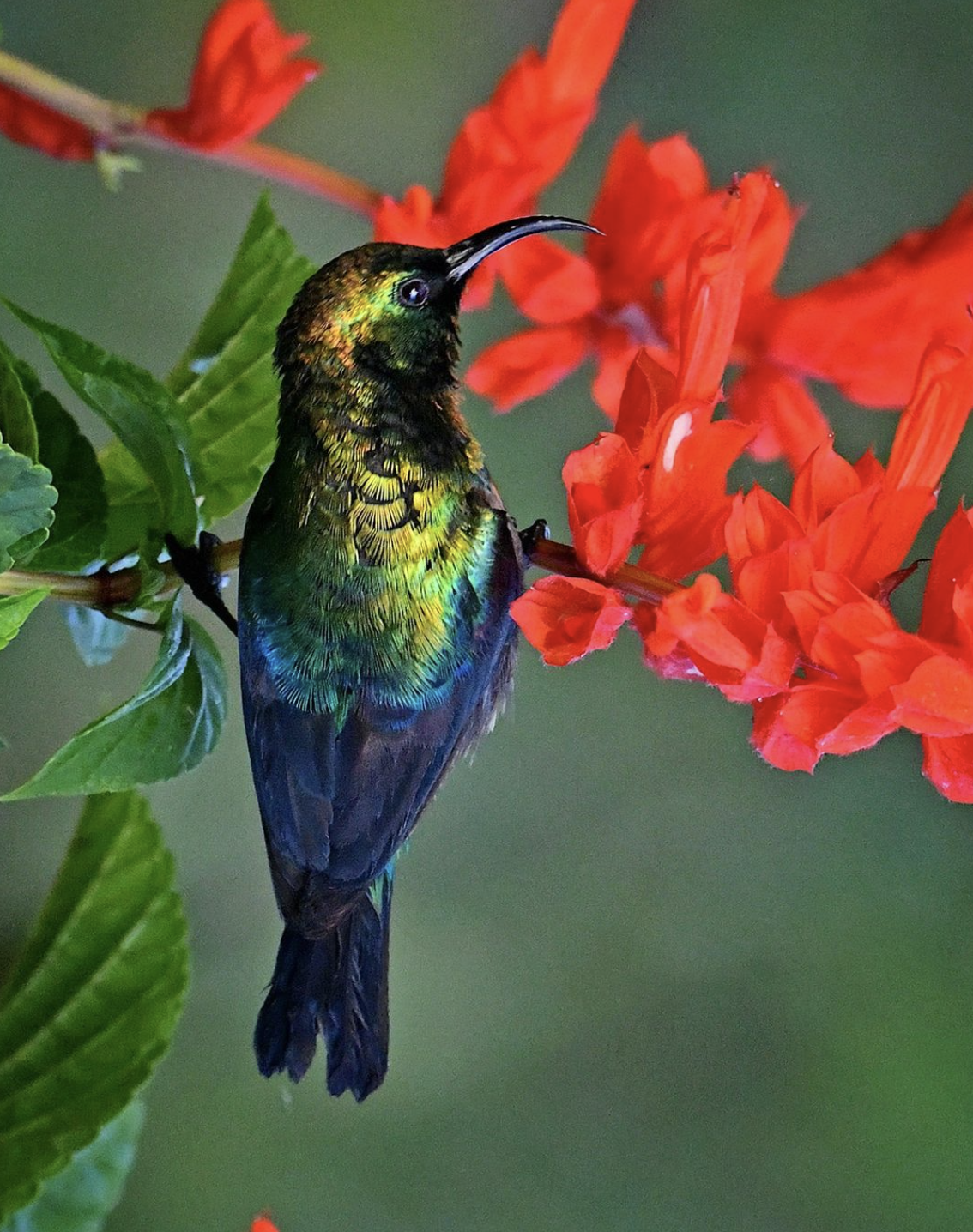
Osero Sopia Bird Camp, Maasai Mara National Reserve, Kenya
Insect Respect
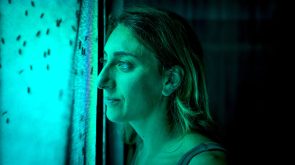
Agronomist Caterina Luppa watches black soldier flies reproduce at Bugslife, a firm in Perugia, Italy, that is turning fly larvae into animal feed. LUIGI AVANTAGGIATO
We have featured this subject a few times over the years, especially once we started showcasing one such product. I acknowledge I am still not a total convert to an insect-centric diet, but every story like this draws me in, however slowly:
Edible Insects: In Europe, a Growing Push for Bug-Based Food
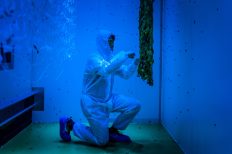
Marco Meneguz, an entomologist with BEF Biosystems in Casalnoceto, monitors black soldier flies as they mate. During mating, “the males gather in a courtship ritual characterized by fights and competitive displays,” he says. The blue light helps the flies see each other better. LUIGI AVANTAGGIATO
To rein in emissions, the E.U. is looking to insects as an alternate source of protein for livestock and people and is easing regulations and subsidizing makers of insect-derived food. In a photo essay, Luigi Avantaggiato explores the emerging bug food industry in northern Italy.
The European Union recognizes it has a meat problem. The bloc has no easy way to curb the climate impact of its livestock, which eat soybeans grown on deforested lands and belch heat-trapping gas. According to one estimate, Europe’s farm animals have a bigger carbon footprint than its cars.
Trent Barber, a technician at BEF Biosystems, vacuums up 200 pounds of fly larvae that are plump after two weeks of feeding on food scraps. The remaining food waste, now rich in excrement, will be sold as compost to farms. LUIGI AVANTAGGIATO
In this photo essay, Luigi Avantaggiato explores an unusual solution to this dilemma that is now gaining traction — feeding insects to livestock and, potentially, people. The European Commission says that insects could replace soy-based animal feed, helping to slow deforestation, or even supply an alternate source of protein for humans. Studies show that insects can furnish the same amount of protein as livestock while using as little as 10 percent of the land and producing as little as 1 percent of the emissions. Continue reading

Bird of the Day: Black-capped Vireo
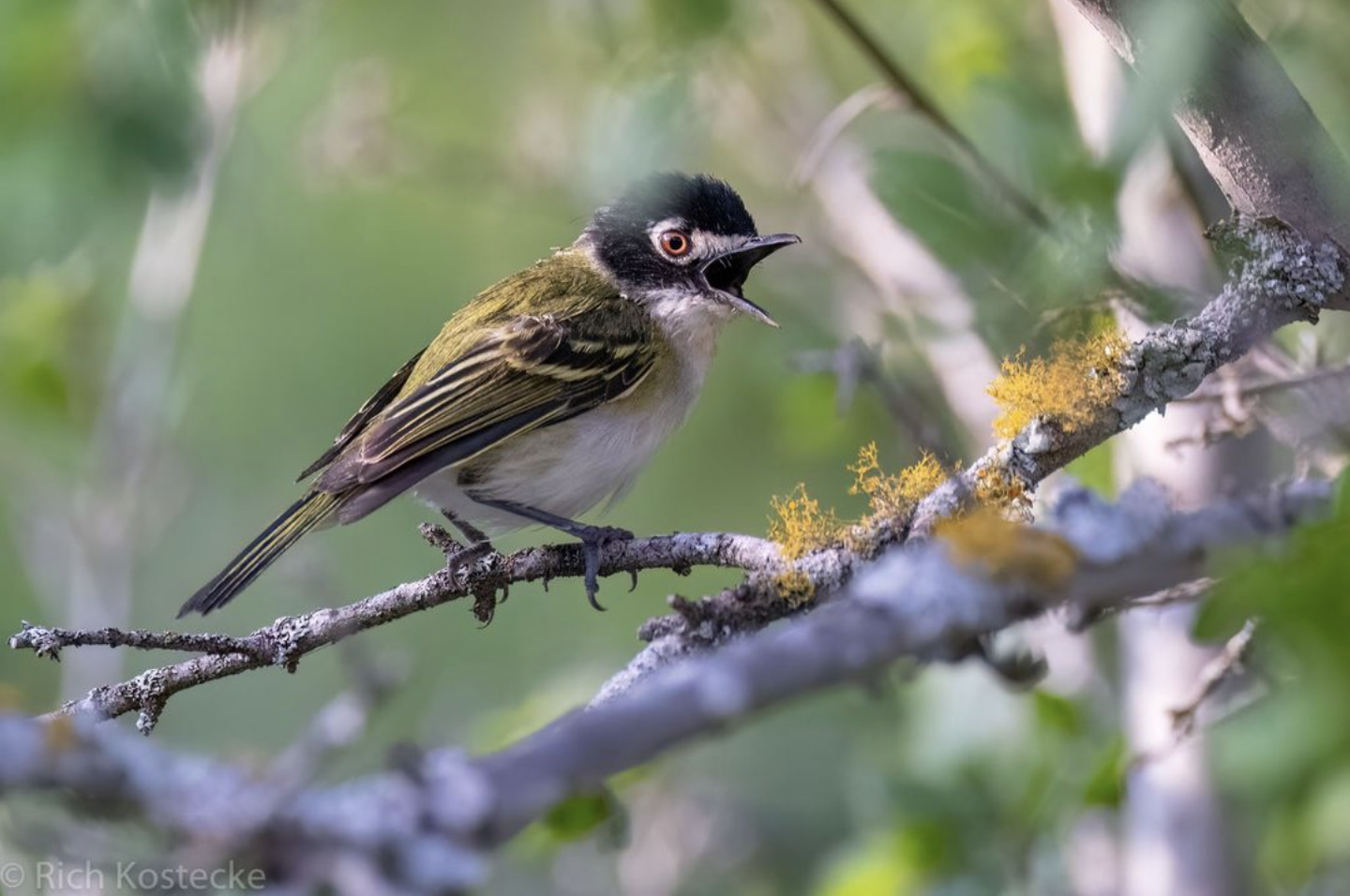
The Nature Conservancy’s Love Creek Preserve, Bandera County, TX
Basketry, Craft & Art

A coiled basket by Louisa Keyser (Dat So La Lee) of the Washoe people of Nevada, titled “Our Ancestors Were Great Hunters” (1905), with an oval degikup form, was made for the curio market. Her work comes to the Independent 20th Century fair this week. Donald Ellis Gallery
When craftwork is treated as artwork, valorization is the word that comes to mind. Not all craft is art, nor need it be; but we applaud the impetus of the Independent 20th Century fair. If this is your interest, and you are in New York City, the fair is open:
The Artistry of Her Baskets Is Complex. So Is the Story Around Them.
A couple recognized the Washoe weaver Louisa Keyser’s prodigious talent and spun myths to promote it. But her fortitude shines in work that today can be seen in museums and at the Independent 20th Century fair.
A portrait of Louisa Keyser, the most famous Washoe basket maker, who helped transform a utilitarian craft to fine art and was promoted at the time as a “princess” by a couple who sold her work. Donald Ellis Gallery
The Native American baskets sold in the early 1900s out of Abe Cohn’s Emporium, a men’s clothing store in Carson City, Nev., were exceptional. They were woven by Dat So La Lee, said to be a “princess” from the nearby Washoe people whose royal status permitted her alone to utilize a special weaving style.
The truth was less exciting. Dat So La Lee preferred her English name, Louisa Keyser. She was a Washoe woman, but the tales Cohn and his wife, Amy, spun about her — her esteemed heritage, her meeting with the Civil War general John C. Frémont — were myths. Continue reading

Bird of the Day: Helmeted Guineafowl

Samburu Nature Reserve, Rift Valley, Kenya
Not Just Not A Good Look

By identifying the malpractice of a group of businesses, this report highlights the concept of perverse incentives. It looks bad, and it seems fair to say that it is bad:
PRIVATE EQUITY PROFITS FROM DISASTER at the Expense of Workers, Communities, and Climate
Executive Summary
As climate change accelerates and impacts more communities around the world, the need for skilled labor in the disaster restoration industry grows. Increasingly, private equity firms seeking high returns for themselves have come to dominate the disaster recovery sector, reducing workplace standards, overcharging communities and exploiting disasters to extract fees and profits without regard to the workers and communities harmed by their practices. Continue reading
Bird of the Day: Chestnut-bellied Rock Thrush
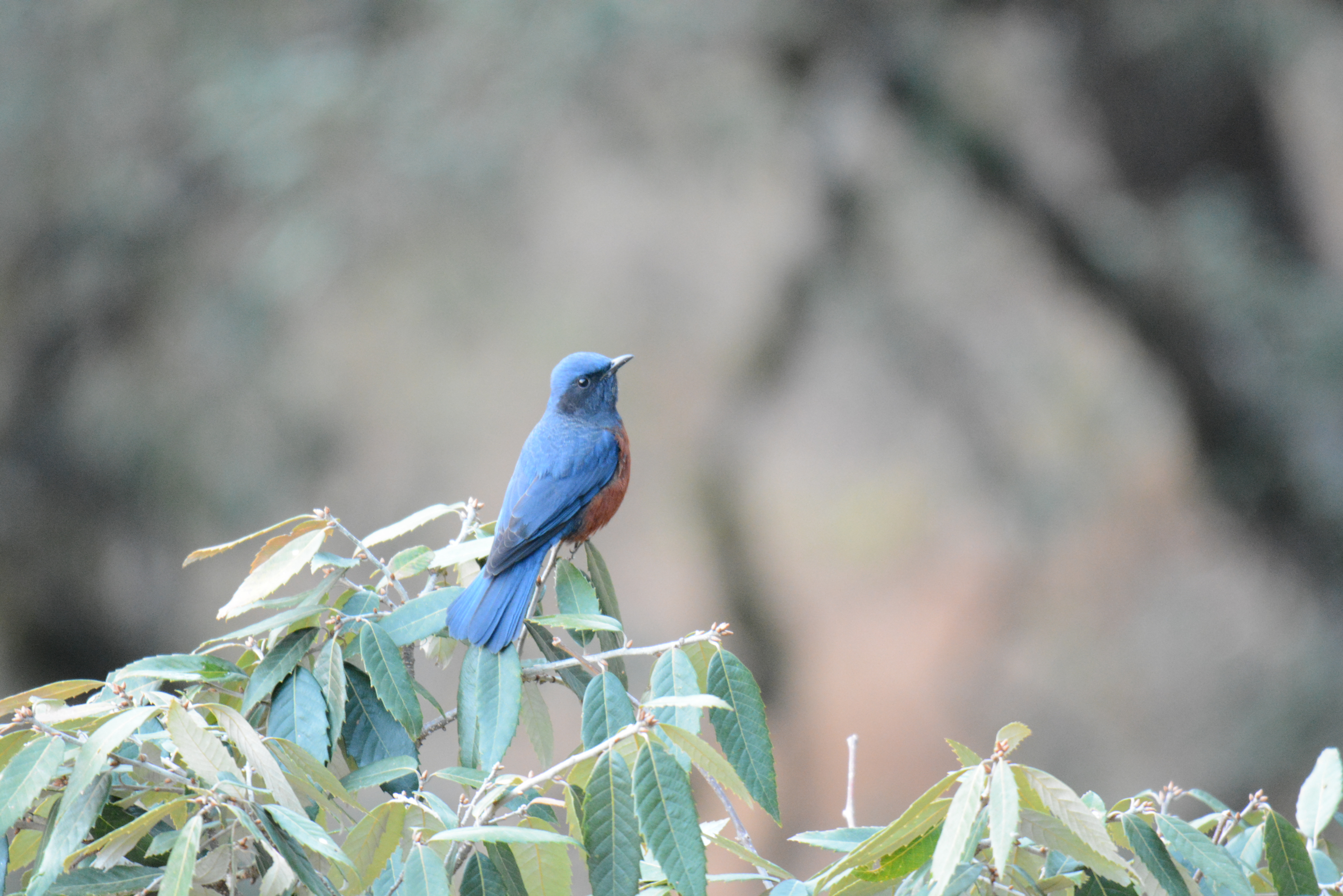
male
Kumaon Hills, Uttarakhand
Fungi & Fireproofing

Mycologist Zach Hedstrom sprays a spore-infused liquid to inoculate debris from forest thinning.

Inside Boulder Mushroom’s laboratory, a refrigerator houses an array of agar plates containing diverse mycelium cultures.
We have paid attention to mycological wonders for long enough that surprises are rare; but they happen. Stephen Robert Miller’s reporting, with photography by Jimena Peck were published in the Washington Post and came to our attention by way of the Food & Environment Reporting Network, which is where you can read the entire article:
How mushrooms can prevent megafires
Thinning forests to prevent fires produces a lot of sticks and other debris, which also pose a fire risk. In Colorado and elsewhere, scientists are using fungi to turn those trimmings into soil.
Overgrown stands of lodgepole pine are a risk for megafires. Thinning the stands simulates the effects of a natural fire but also generates a large amount of biomass, called “slash,” which can also fuel forest fires.
If you’ve gone walking in the woods out West lately, you might have encountered a pile of sticks. Or perhaps hundreds of them, heaped as high as your head and strewn about the forest like Viking funeral pyres awaiting a flame.
These slash piles are an increasingly common sight in the American West, as land managers work to thin out unnaturally dense sections of forests — the result of a commitment to fire suppression that has inadvertently increased the risk of devastating megafires. Continue reading

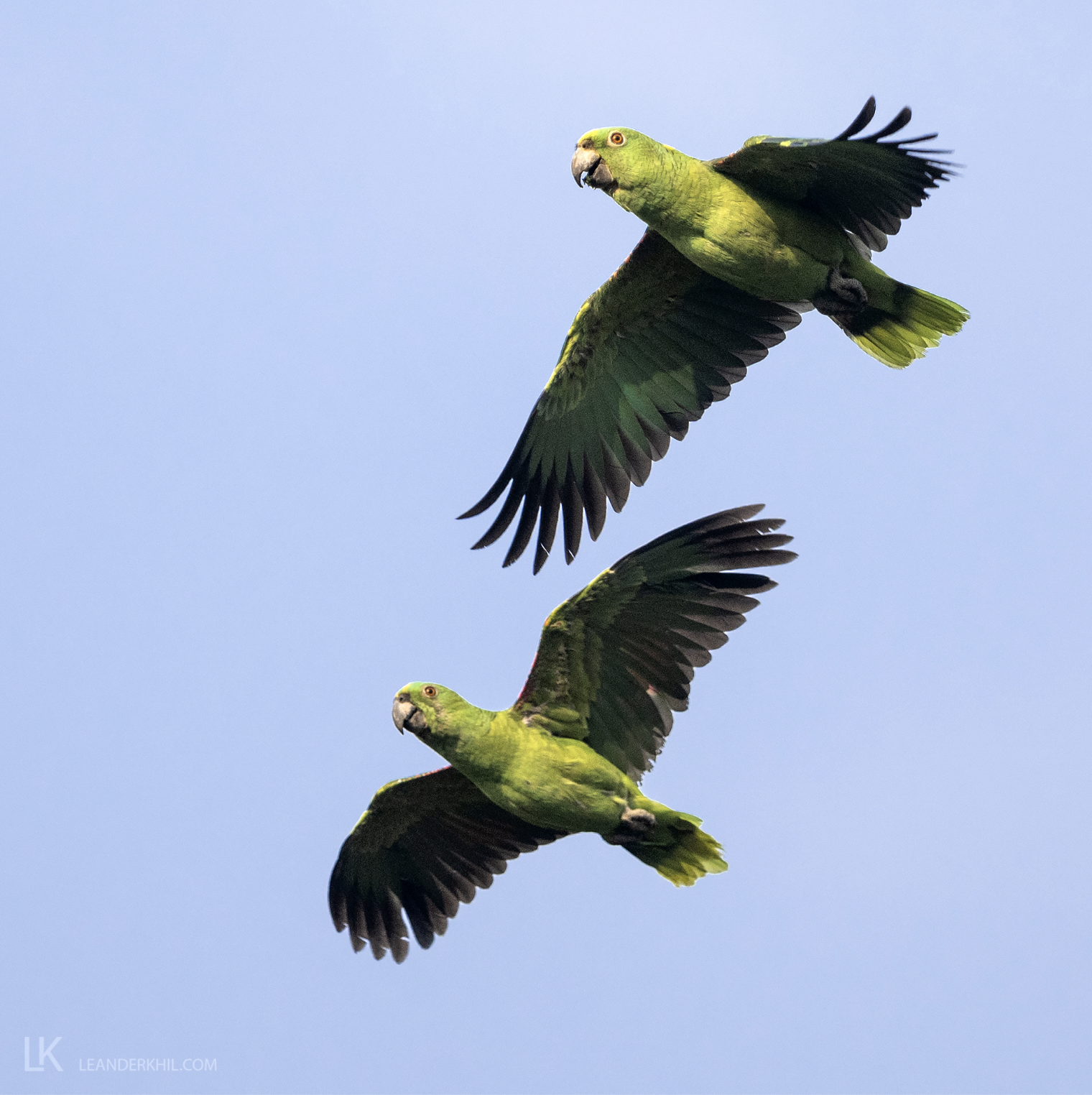
Bird of the Day: Yellow-naped Parrot
ChatGPT & Whale Chat
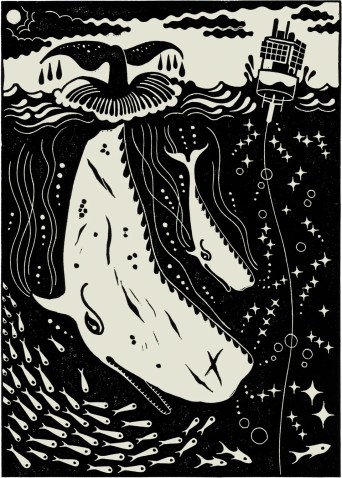
Sperm whales communicate via clicks, which they also use to locate prey in the dark. Illustration by Sophy Hollington
Thanks to Elizabeth Kolbert for this:
Researchers believe that artificial intelligence may allow us to speak to other species.
David Gruber began his almost impossibly varied career studying bluestriped grunt fish off the coast of Belize. He was an undergraduate, and his job was to track the fish at night. He navigated by the stars and slept in a tent on the beach. “It was a dream,” he recalled recently. “I didn’t know what I was doing, but I was performing what I thought a marine biologist would do.” Continue reading
Bird of the Day: Senegal Coucal in Flight

Sanaga River, Cameroon
Turmeric, Biopiracy & Fighting For What’s Right

Agung Parameswara/Getty Images
During our seven years living in India, plenty of posts on this platform referred to turmeric due to its culinary value. Its value to our wellbeing is a more recent focus of attention, and we appreciate the fight to keep it accessible to all:
How one man fought a patent war over turmeric
Back in the 1990s, Dr. Raghunath Mashelkar was in his office in New Delhi when he came across a puzzling story in the newspaper. Some university scientists in the U.S. had apparently filed a patent for using turmeric to help heal wounds. Continue reading
 Organikos