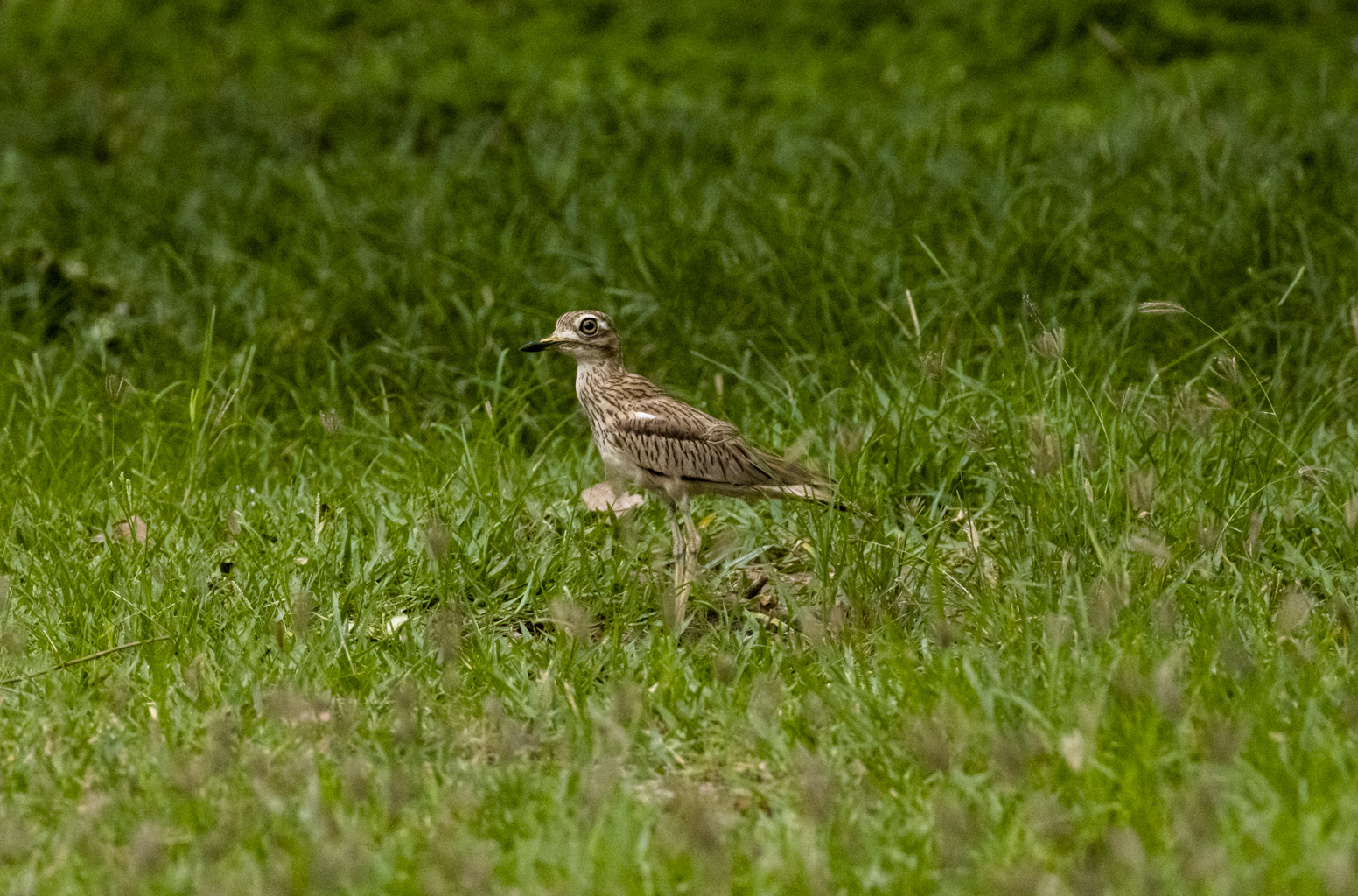
Legon Botanical Gardens, Accra, Ghana
Legon Botanical Gardens, Accra, Ghana
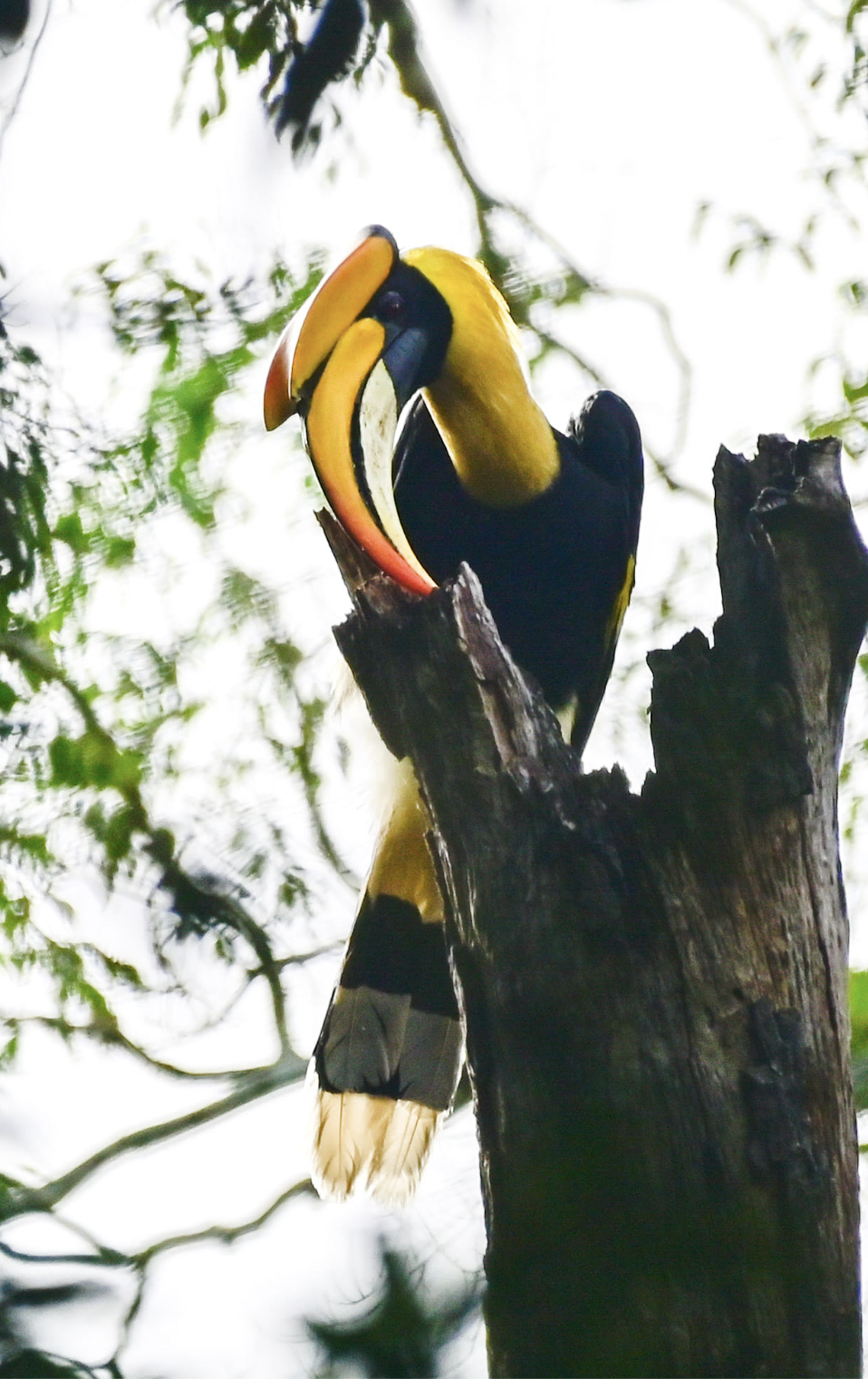
Periyar Tiger Reserve, Kerala
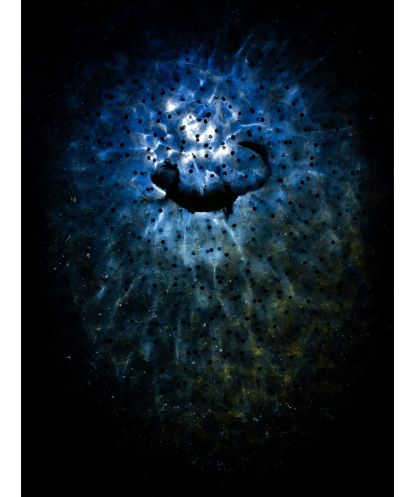
BETWEEN THE STARS I photographed this moment underwater. I was able to do it by putting my camera in an underwater case, attaching it to a metal weight and placing it all under the eggs. I waited nearby for it to be dark, and when the newt appeared, I lit it with an LED lamp. I started the camera with a home-made wired remote release. It turned out 1-2 sharp pictures. © Tibor Litauszki/TNC Photo Contest 2023
We appreciate the break from the news of the day:
The Nature Conservancy is proud to announce the winners of the 2023 photo contest.
Your images gave voice to nature and showed us the power and peril of the natural world.
The following photos submitted to our 2023 photo contest captivated our judges the most.
This image is a clear display of the patience, coincidence, technical adaptability and composition that earns top choice in the competition. Well-constructed and simply beautiful. The outward simplicity of the photo almost makes it easy to forget how much waiting is required to get a shot like this. The high-speed nature of the subject means you have to be dialed in perfectly when the shot arrives.
— Cole Sprouse, Celebrity Guest Judge
We are happy to see Alan Taylor‘s photography in the mix this year:
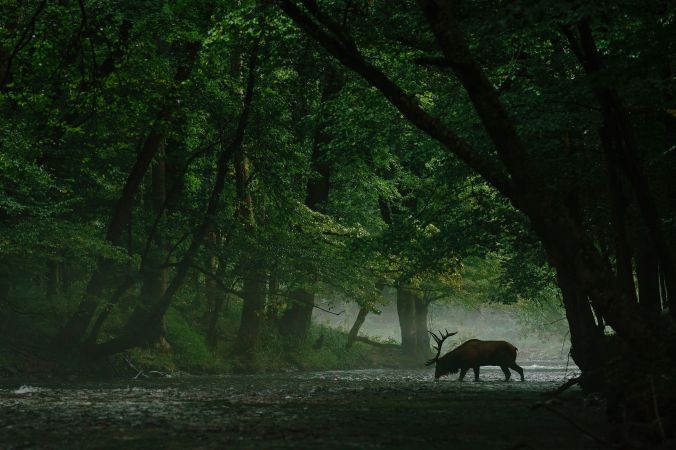
A COOL DRINK A bull elk stopping in the Oconaluftee River in the Great Smoky Mountains National Park to a refreshing drink © Alan Taylor/TNC Photo Contest 2023
This year the categories are: Continue reading
Maasai Mara National Reserve, Kenya
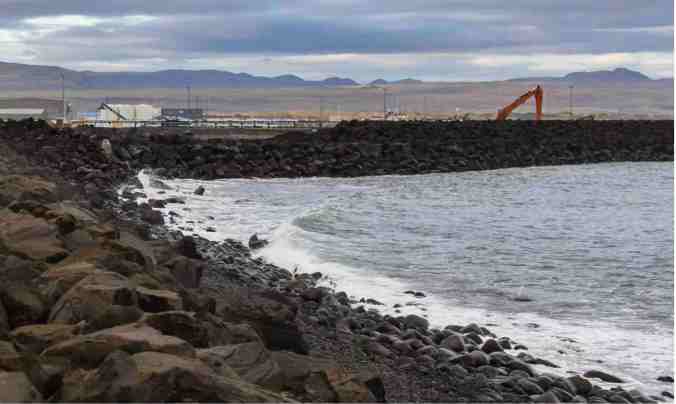
Surfers believe that construction work at Þorlákshöfn could ruin conditions. Photograph: Sigga Ella/The Guardian
Female surfer and business co-owner from Reykjavík, Elín Kristjánsdóttir Photograph: Sebastien Drews
Protecting waves from the effects of development, for surfing, has featured in two previous posts. Those were in locations more commonly associated with the sport. Iceland has featured in our pages many more times over the years, not once in relation to waves or surfing. Until today:
Improvements in wetsuit technology mean surfers can enjoy the waters in Iceland all year round. Photograph: Sigga Ella/The Guardian
Icelandic surfers fear port development will ruin ‘perfect point break’
Volcanoes, northern lights and midnight sun are all on offer at this haven, which locals want to preserve
Look at this wave,” says Mathis Blache, pointing to the sea from the shore’s black rocks as a swell rolls in. “It’s just perfect.” Despite air and water temperatures in the single digits, the 27-year-old student and surfer points out two other surfers – and a couple of seals – delighting in the conditions at Þorlákshöfn in south-west Iceland.
This spot, where surfers can enjoy either the midnight sun or the northern lights depending on the time of year, has in recent years become the heart of Iceland’s rapidly growing surfing community. Continue reading
Yaxha National Park, Guatemala

Image via U.S. Bureau of Ocean Energy Management
A map shows the location of Dominion’s federal lease and where the company proposes to run associated infrastructure.
Thanks to National Public Radio (USA) station WHRO for this news.
It is a big deal:
Dominion can soon start building Virginia Beach offshore wind farm, feds say
Dominion Energy will soon have the green light to start building its long-awaited wind farm off the Virginia Beach coast.
Dominion Energy’s pilot turbines off Virginia Beach this summer. (Photo by Laura Philion)
The Biden administration announced Tuesday its approval of the $9.8 billion Coastal Virginia Offshore Wind project, which when constructed will be the largest in the country’s history.
Dominion can now start constructing infrastructure for the project on-shore, said spokesperson Jeremy Slayton. The company just needs the Bureau of Ocean Energy Management to OK its construction and operations plan for the offshore farm. Continue reading
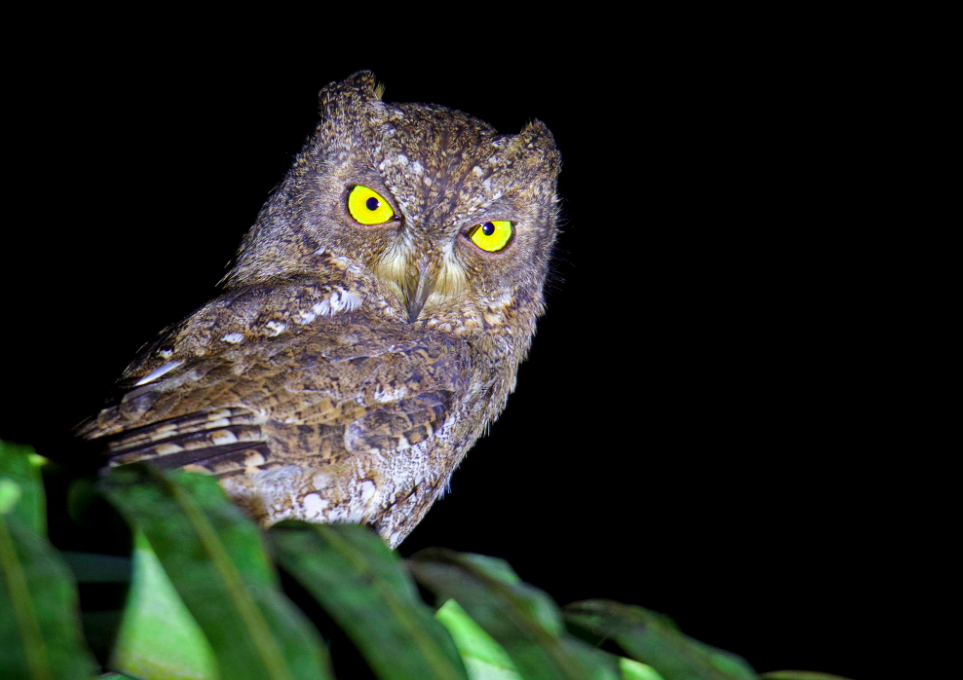
Andaman Islands
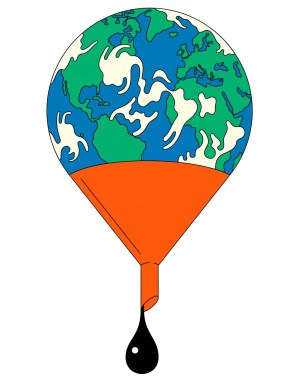
Faced with climate change on the one hand and the material demands of new energy infrastructure on the other, humanity had better figure out how to reuse the resources it has already dug up. Illustration by Laura Edelbacher
Not to rain on the parade of the candy and costumes fun of October 31, but to heighten the mood of the day with some sobering truths facing all of us, our thanks as always to Elizabeth Kolbert for getting our attention pointed where it needs to go:
The Real Cost of Plundering the Planet’s Resources
Our accelerating rates of extraction come with immense ecological and social consequences.
The town of Spruce Pine, North Carolina, doesn’t have a lot to say for itself. Its Web site, which features a photo of a flowering tree next to a rusty bridge, notes that the town is “conveniently located between Asheville and Boone.” According to the latest census data, it has 2,332 residents and a population density of 498.1 per square mile. A recent story in the local newspaper concerned the closing of the Hardee’s on Highway 19E; this followed an incident, back in May, when a fourteen-year-old boy who’d eaten a biscuit at the restaurant began to hallucinate and had to be taken to the hospital. Without Spruce Pine, though, the global economy might well unravel. Continue reading
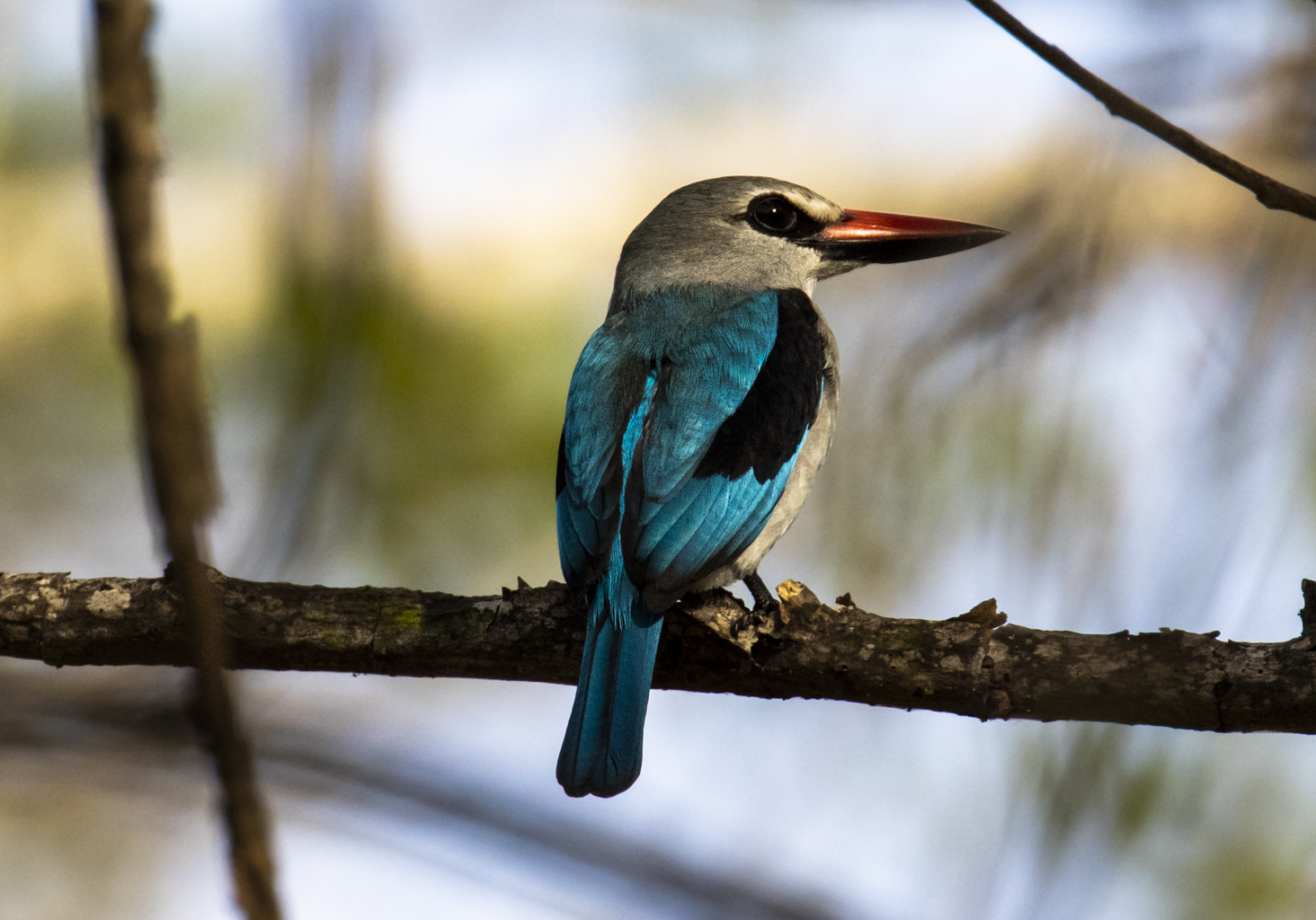
Legon Botanical Gardens, Accra, Ghana

Illustration by Paul Spella / The Atlantic. Sources: Wikimedia; Getty.
The origins and uses of words have been of interest to us since early on, because the terminology around conservation is relatively young; also because words are essential to the cause. Stephanie Hayes, writing this review in the Atlantic, reminds us to keep paying attention to how we know what we know about words:
Who Made the Oxford English Dictionary?
A new book gives life to one of the world’s greatest crowdsourcing efforts.
The Oxford English Dictionary always seemed to me like the Rules from on high—near biblical, laid down long ago by a distant academic elite. But back in 1857, when the idea of the dictionary was born, its three founders proposed something more democratic than authoritative: a reference book that didn’t prescribe but instead described English, tracking the meaning of every word in the language across time and laying out how people were actually using each one. Continue reading
Seewinkel National Park, Austria
Sunset in the trees at Manatee Springs, Florida. Photograph: Michael Warren/Getty Images/iStockphoto
Oliver Milman, again, brings our attention to an environmental activism that deserves attention, this time for all the wrong reasons:
Experts fear half of the 290m wetland acres have lost federal protection and could be at risk from developers
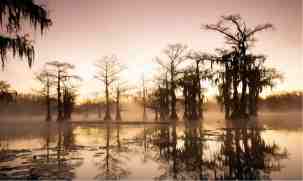
Lake Caddo, on the border between Louisiana and Texas, is a beautiful cypress swamp. Photograph: wanderluster/Getty Images
Often dismissed as dismal wet bogs and rampantly cleared since European arrival in the US, the underappreciated importance of wetlands has been placed into sharp relief by a supreme court ruling that has plunged many of these ecosystems into new peril.
The extent of wetlands, areas covered or saturated by water that encompass marshes, swamps and carbon-rich peatlands, has shrunk by 40% over the past 300 years as the US drained and filled them in for housing, highways, parking lots, golf courses and other uses. Globally, wetlands are disappearing three times faster than forests are. Continue reading
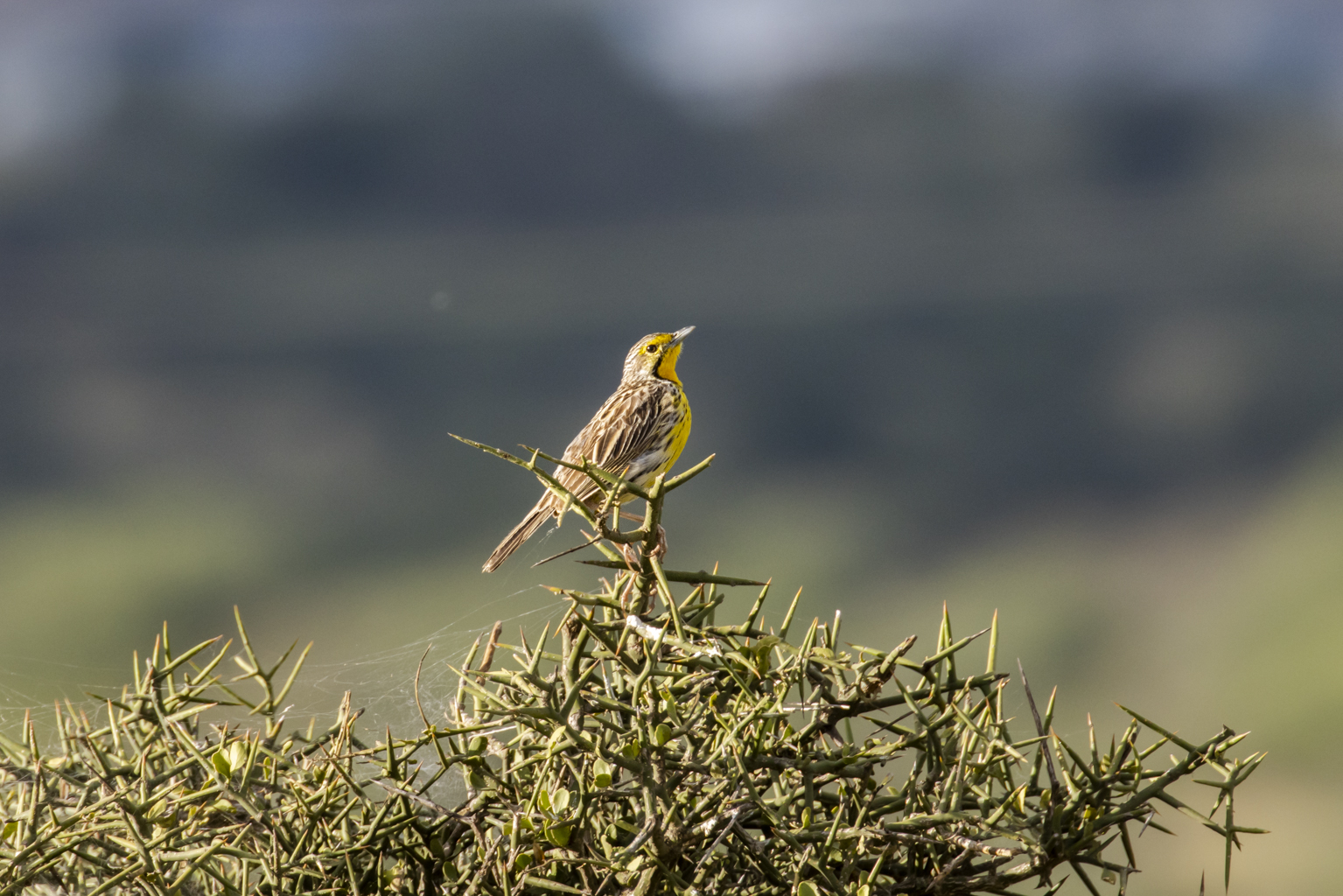
Nairobi National Park, Kenya

Sathyabhama Das Biju (from left), James Hanken, Harvard’s Alexander Agassiz Professor of Zoology, and Sonali Garg during a June 2023 field trip to study amphibians in the Western Ghats, a biodiversity hotspot in India. Photo by A.J. Joji
During our seven years living and working in the Western Ghats we came to appreciate frogs through the eyes of our family, those of our staff, as well as travelers and occasional scientific references (the man on the left in the photo to the left having shown up in our pages one of those times). Good to know that the science is being shared for good cause, thanks to Anne J. Manning in this article for the Harvard Gazette:
The Indian Purple Frog, first described by Sathyabhama Das Biju in 2003.
Indian herpetologists bring their life’s work to Harvard just as study shows a world increasingly hostile to the fate of amphibians
Having pulled themselves from the water 360 million years ago, amphibians are our ancient forebears, the first vertebrates to inhabit land.
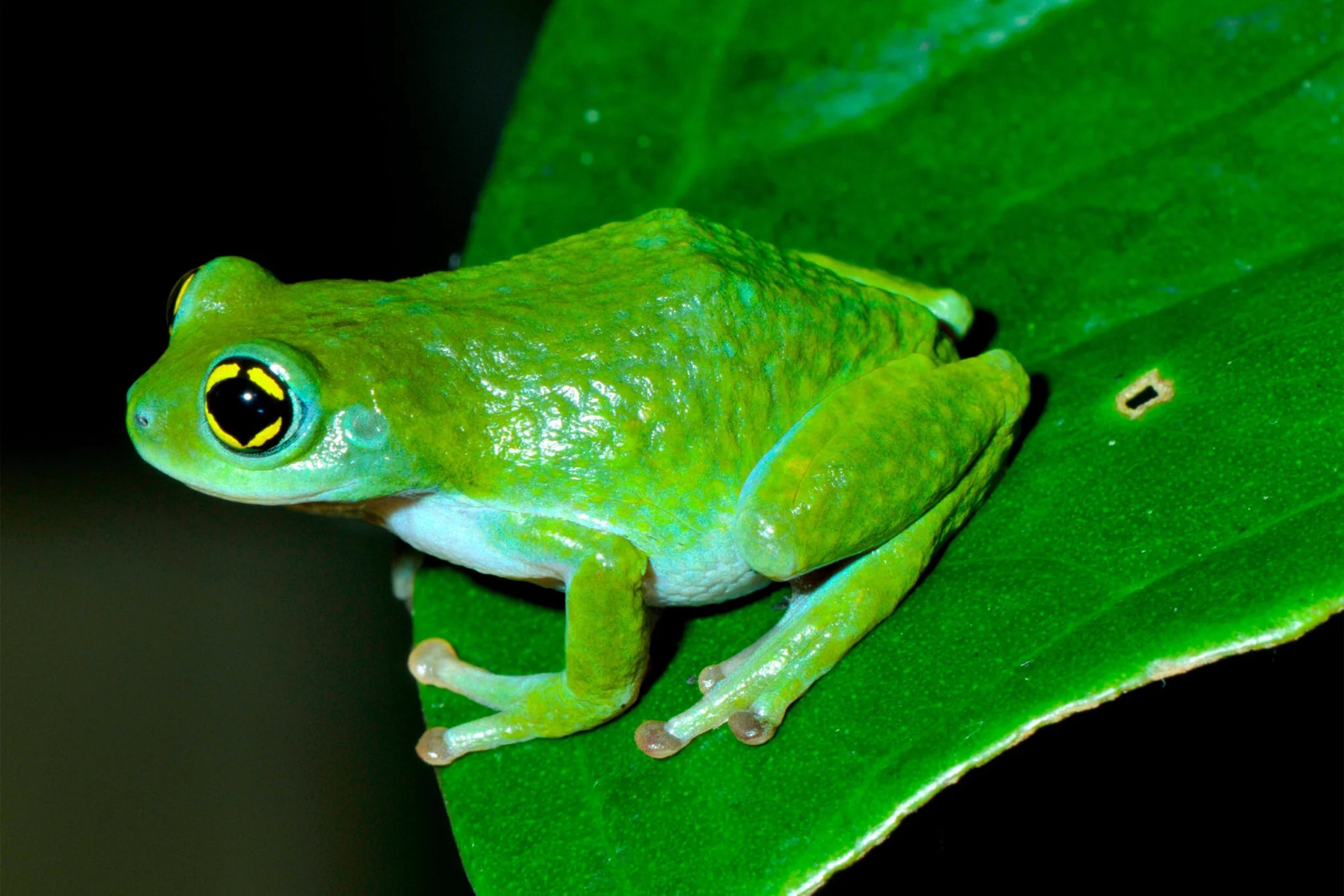
After 136 years from its original description, Günther’s shrub frog was recently rediscovered in the wild. Credit: S.D. Biju and Sonali Garg
Now, this diverse group of animals faces existential threats from climate change, habitat destruction, and disease. Two Harvard-affiliated scientists from India are drawing on decades of study — and an enduring love for the natural world — to sound a call to action to protect amphibians, and in particular, frogs.
Sathyabhama Das Biju, the Hrdy Fellow at Harvard Radcliffe Institute and a professor at the University of Delhi, and his former student Sonali Garg, now a biodiversity postdoctoral fellow at Harvard’s Museum of Comparative Zoology, are co-authors of a sobering new study in Nature, featured on the journal’s print cover, that assesses the global status of amphibians. It is a follow-up to a 2004 study about amphibian declines.
Franky’s narrow-mouthed frog is among the threatened species. Credit: S.D. Biju and Sonali Garg
Biju and Garg are experts in frog biology who specialize in the discovery and description of new species. Through laborious fieldwork, they have documented more than 100 new frog species across India, Sri Lanka, and other parts of the subcontinent.
According to the Nature study, which evaluated more than 8,000 amphibian species worldwide, two out of every five amphibians are now threatened with extinction. Climate change is one of the main drivers. Continue reading
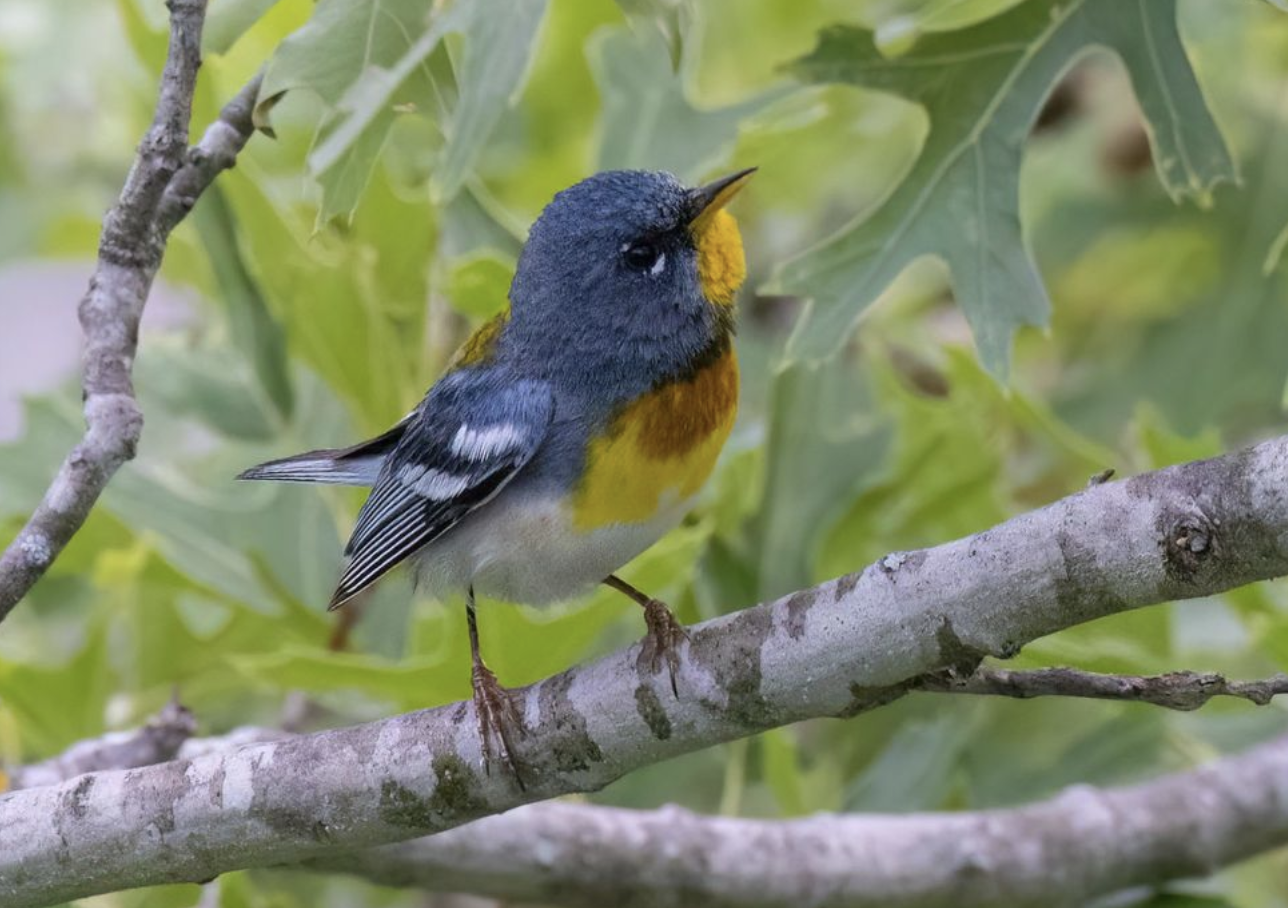
Male
Pedernales River Area, TX
Acapulco shows signs of Hurricane Otis’s devastation on Wednesday.Photograph by Francisco Robles / AFP / Getty
While Acapulco got pummeled, a climate denier was elected to lead the majority party in the US House of Representatives, a different kind of gut punch. Thanks to Elizabeth Kolbert for this juxtaposition of facts:
Hurricane Otis and the World We Live in Now
The unexpected Category 5 storm is just the latest in a series of unprecedented climate disasters this year.
In the wee hours of Wednesday morning, Hurricane Otis crashed into the western coast of Mexico, just north of the resort city of Acapulco. Continue reading
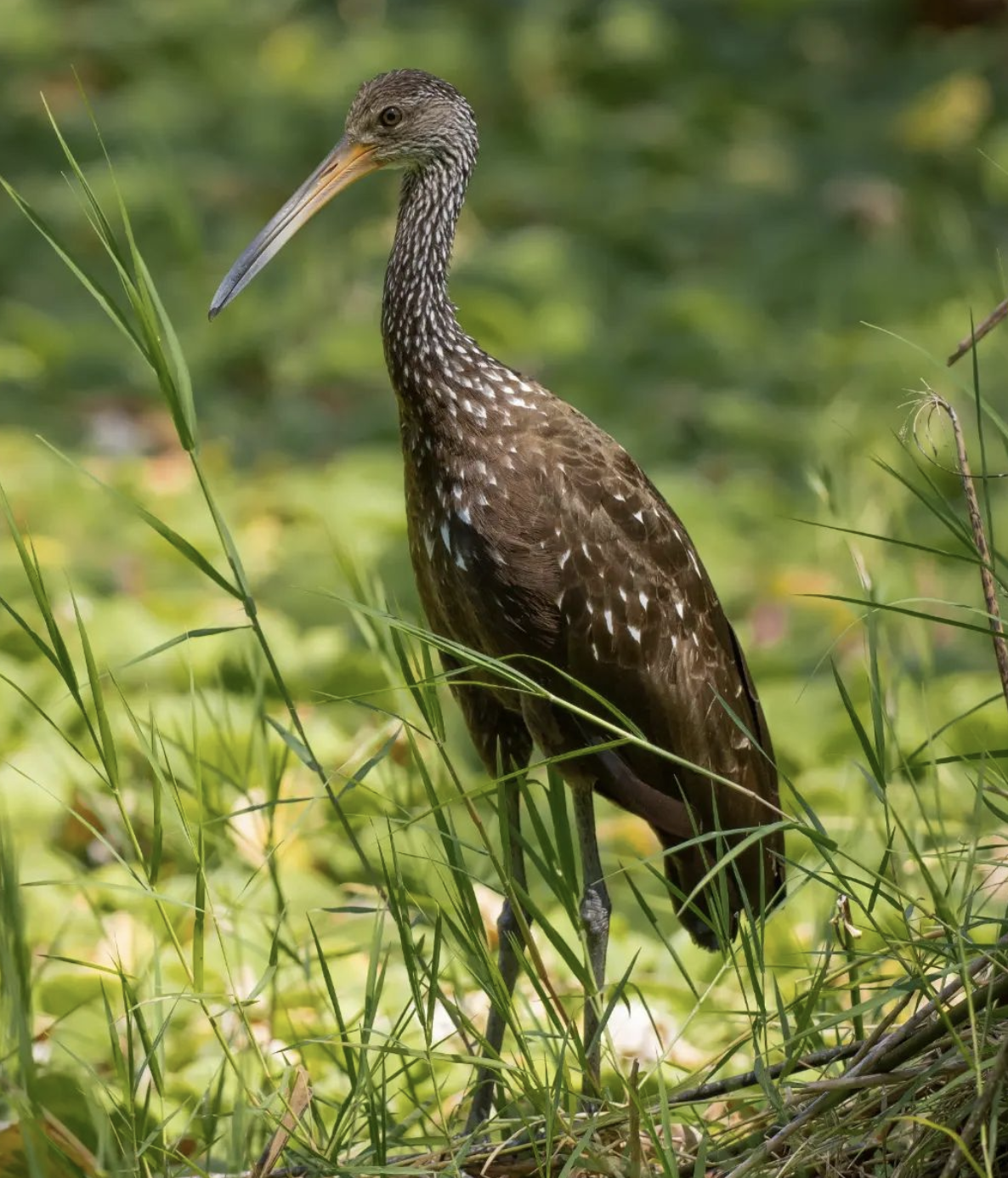

Eric Risberg/Associated Press
On occasion, Ezra Klein’s work overlaps with themes of interest to us in these pages. Today is one of those days:
The Chief Ideologist of the Silicon Valley Elite Has Some Strange Ideas
In July, Marc Andreessen — the godfather of the web browser, one of the founders of the venture capital firm Andreessen Horowitz and arguably the chief ideologist of the Silicon Valley elite — published a Substack piece that struck me as unusually revealing.
This was back when Mark Zuckerberg and Elon Musk were considering whether to settle their differences once and for all by beating on each other in a cage. Continue reading
Yaoundé, Cameroon