Panna, Madhya Pradesh
Panna, Madhya Pradesh
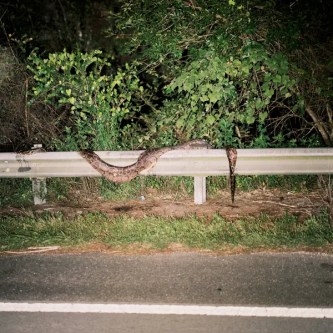
A Burmese python that was hit by a car. Zack Wittman for The New York Times
Nearly 12 years to the day since the first spectacular article we read on invasive species, we still watch for these stories. When it is invasive-hunting season, we take notice when new initiatives are announced:
Her Livelihood? Hunting Pythons in the Dead of Night.
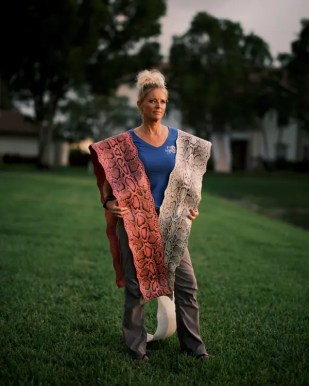
Amy Siewe teaches people how to find and euthanize invasive Burmese pythons, which have been so successful at adapting to Florida that they appear here to stay.
On a clothing rack in Ms. Siewe’s living room are a dozen of skins, dyed deep hues by a tannery that helps her make python-leather products, including Apple Watch bands. Zack Wittman for The New York Times
An unexpected chill can fall over the Florida Everglades late at night. Stars speckle the sky. Frogs croak and croak, their mating calls echoing in the air.
It is all peace and wonder until you remember why you are out at this hour, on the flatbed of a pickup truck outfitted with spotlights, trying to find invasive creatures lurking in the shadows.
A python hunt might evoke images of hunters trudging through swamps and wresting reptiles out of the mud. In reality, it involves cruising the lonely roads that traverse the Everglades in S.U.V.s, hoping for a glimpse of a giant snake. It is strange work, straining on the eyes, brutal on the sleep schedule. Continue reading

NW Austin, TX

Ty Wright / Bloomberg / Getty
The facts about our progress combatting environmental crises are complex. Sometimes we sense hope and other times not so much. Zoë Schlanger, writing in the Atlantic, runs some numbers on mitigation from renewables:
One Huge Contradiction Is Undoing Our Best Climate Efforts
The math isn’t adding up.
You’d be forgiven for thinking that the fight against climate change is finally going well. Continue reading

Nairobi National Park, Kenya
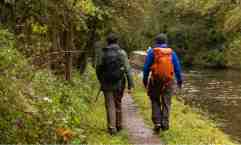
The Slow Ways founder, Daniel Raven-Ellison (right) walks with the Guardian’s Patrick Barkham as they verify a route between Congleton and Macclesfield. Photograph: Fabio De Paola/The Guardian
The right of way is a theme we love, and now there is a technology to assist our pursuit of those rights, at least in one country.
Our thanks to and the Guardian for their coverage of this development:
Walk the walk: the app mapping 140,000 miles of public right of way
Slow Ways was set up during the pandemic when frustrated locked-down walkers drew up more than 9,000 walking routes across Great Britain. Photograph: Fabio De Paola/The Guardian
Community-based, Slow Ways has verified 60% of a network of pedestrian-friendly routes across Great Britain
I meet up with Daniel Raven-Ellison, the brains behind the Slow Ways walking network, in the darkness of a drizzly dawn at Kidsgrove railway station in Staffordshire. Our mission? To walk and verify the final 17-mile (27km) link in the route between Birmingham and Manchester. Continue reading
Maasai Mara National Reserve, Kenya
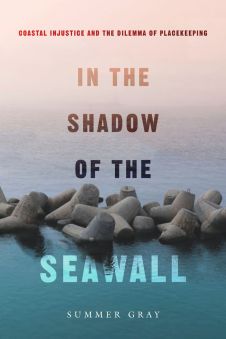 Daniel A. Gross does some heavy lifting on behalf of all of us, especially those in coastal areas. This technology is foreign to most of us, except the Dutch. We can hope all we want, but now might be a good time to start thinking more seriously about whether this technology is fit for the task:
Huge coastal barriers could protect the world’s cities. But they’ll have unexpected costs.
Pacifica, California, just south of San Francisco, is the kind of beachfront community that longtime residents compare to Heaven. One of its streets is called Paradise Drive; local fishermen brag that Pacifica Pier is among the state’s best places to catch salmon, striped bass, and crab. Every few years, a superbloom blankets the coast with golden wildflowers. When the sun cuts through the region’s famous fog, the sky sometimes glows, as in a Turner painting.
Some of Pacifica’s most dramatic views could be found on Esplanade Drive, where mid-century developers built bungalows on top of a cliff. For almost fifty years, residents gazed out from their back yards to see whales splashing in the Pacific. Then, in 1998, a group of homeowners gathered to say goodbye. “I cannot express how spectacular it has been living here,” one of them, Joe Parker, said at the time. “I’ve seen dolphins out there. I recognize all the seabirds.” Beverly Axelrod, who had spent fourteen years on Esplanade Drive, recalled how her ocean view had “healed everything.” Continue reading
Panna, Madhya Pradesh
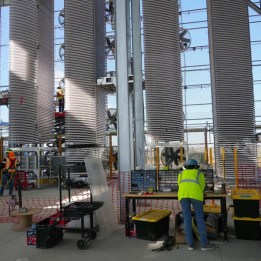
Heirloom’s plant in Tracy, Calif., pulls carbon dioxide from the air so it can be sealed permanently in concrete. Jim Wilson/The New York Times
We have been waiting for this day to arrive:
In a U.S. First, a Commercial Plant Starts Pulling Carbon From the Air
The technique is expensive but it could help fight climate change. Backers hope fast growth can bring down costs.
In an open-air warehouse in California’s Central Valley, 40-foot-tall racks hold hundreds of trays filled with a white powder that turns crusty as it absorbs carbon dioxide from the sky.
The start-up that built the facility, Heirloom Carbon Technologies, calls it the first commercial plant in the United States to use direct air capture, which involves vacuuming greenhouse gases from the atmosphere. Continue reading

Legon Botanical Gardens, Accra, Ghana

The “cultivation room” at Upside Foods in Emeryville, California. The company is one of two now approved to sell lab-grown meat to U.S. consumers. Upside Foods
We appreciate Garth Brown writing in New Atlantis for this rather disgusting explanation of one big part of our industrial meat system:
Queasy about lab-grown meat? Too bad — you’ve pretty much been eating it for decades.
In her community, it’s common knowledge that my mom is a soft touch when it comes to chickens. She maintains a motley flock of adoptees — backyard hens whose owners have moved, scrawny layers too old to be worth their feed, the pets of children who never much wanted them in the first place. She knows most of the people who donate the birds, or at least knows how they connect to her capacious social circle. Continue reading
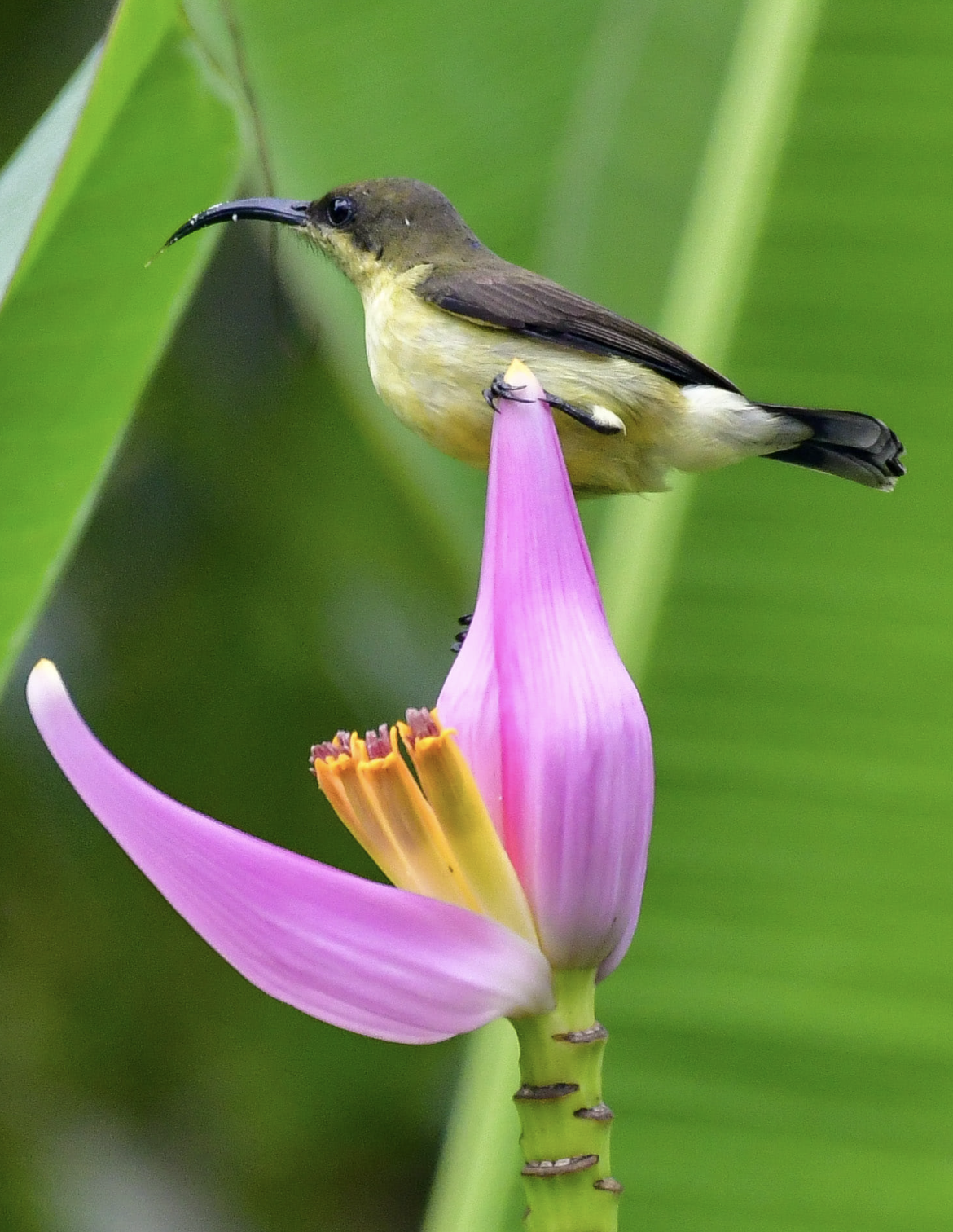
Female
Thekkady, Kerala

Hannah Rosenberg/Sun File Photo. Cornell will be terminating its partnership with Starbucks following a recent National Labor Relations Board ruling.
While lecturing on social enterprise recently, as I have done each semester in recent years, I learned the following news from a student and found the article below in the University’s newspaper to explain it:
Cornell to End Partnership With Starbucks by June 2025
Cornell will be terminating its partnership with Starbucks no later than the expiration of its current contract, Student Assembly President Patrick Kuehl ’24 announced in an Aug. 16 email to the student body. The contract is set to expire in June 2025…
Thanks to Jonathan Mong at the Cornell Daily Sun for that clear explanation, worth reading in full if you care about the coffee business, and/or the basics of labor law in the USA. Bravo to the University for its consistent stand upholding those labor laws. Starbucks, a company I once admired without reservation, now primarily puzzles and frequently disappoints me:
Starbucks increases U.S. hourly wages and adds other benefits for non-union workers
Starbucks is increasing pay and benefits for most of its U.S. hourly workers after ending its fiscal year with record sales. Continue reading

Laguna del Tigre, Guatemala
 The author, culinary historian Sarah Lohman, came to our attention at the time her previous book was being published, and we are happy to see more of her work. From her own website:
American food traditions are in danger of being lost. How do we save them?
Apples, a common New England crop, have been called the United States’ “most endangered food.” The iconic Texas Longhorn Cattle is categorized at “critical” risk for extinction. Unique date palms, found nowhere else on the planet, grow in California’s Coachella Valley —but the family farms that caretake them are shutting down…
And the reviews suggest that the book is every bit as good as the author had hoped it would be.
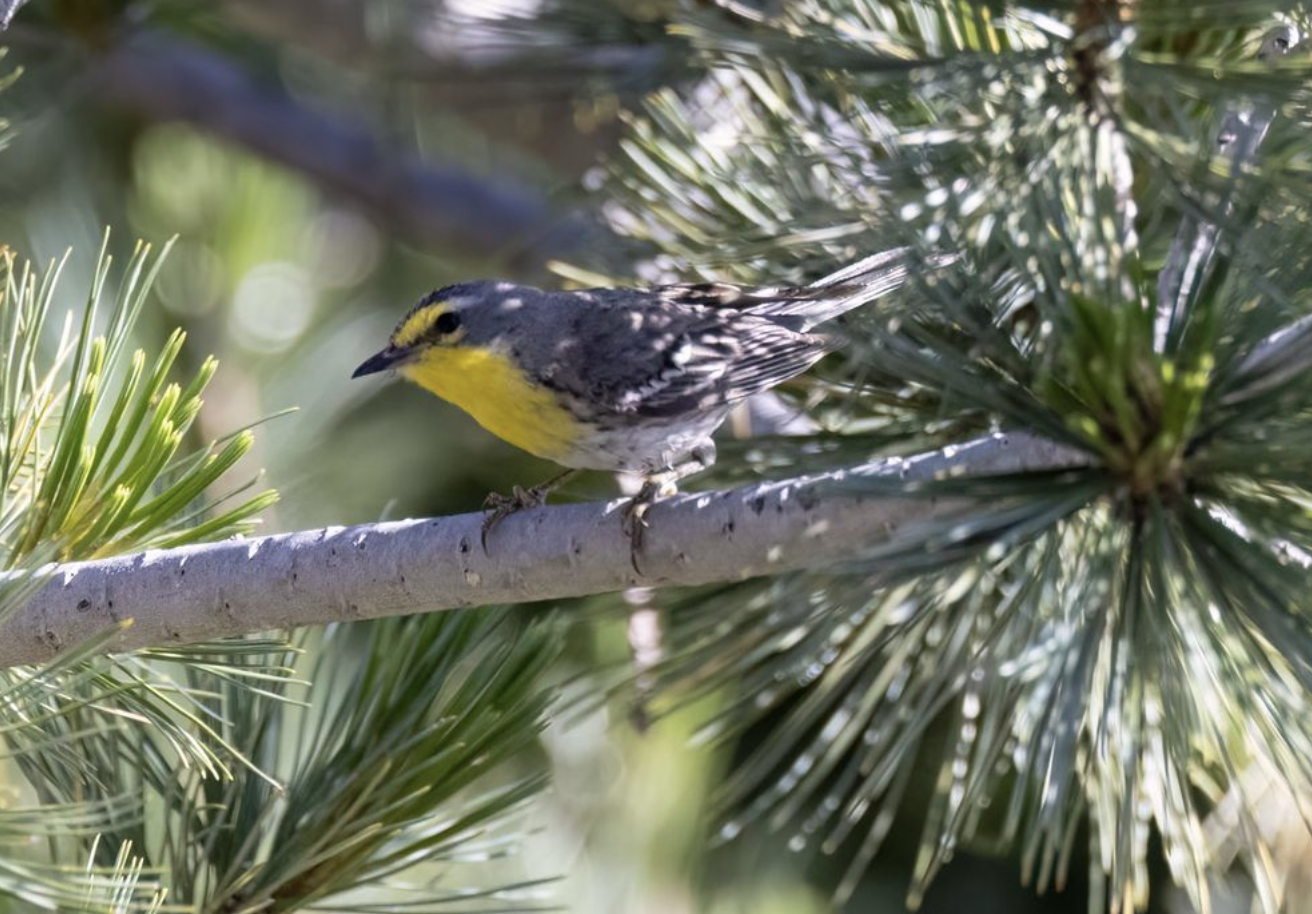
Davis Mountains, TX

Cruise ships docked in Southampton, where an analysis of ship schedules found most did not make use of onshore power facilities. Photograph: Chris Ison/PA
We have pointed in this direction plenty of times over the years, so by now you might say it is caveat emptor:
Cruise ships polluting UK coast as they ignore greener power options
Most liners rely on marine gas oil when docked, despite claims they reduce emissions by plugging into low-carbon electricity
Cruise ships visiting Britain are frequently failing to plug into “zero emission” onshore power and instead running their engines and polluting the local environment with fumes. Continue reading

Panna, Madhya Pradesh
Carlos Manuel is not new to our pages, but this personal history is.