Dos Lagunas, Peten, Guatemala
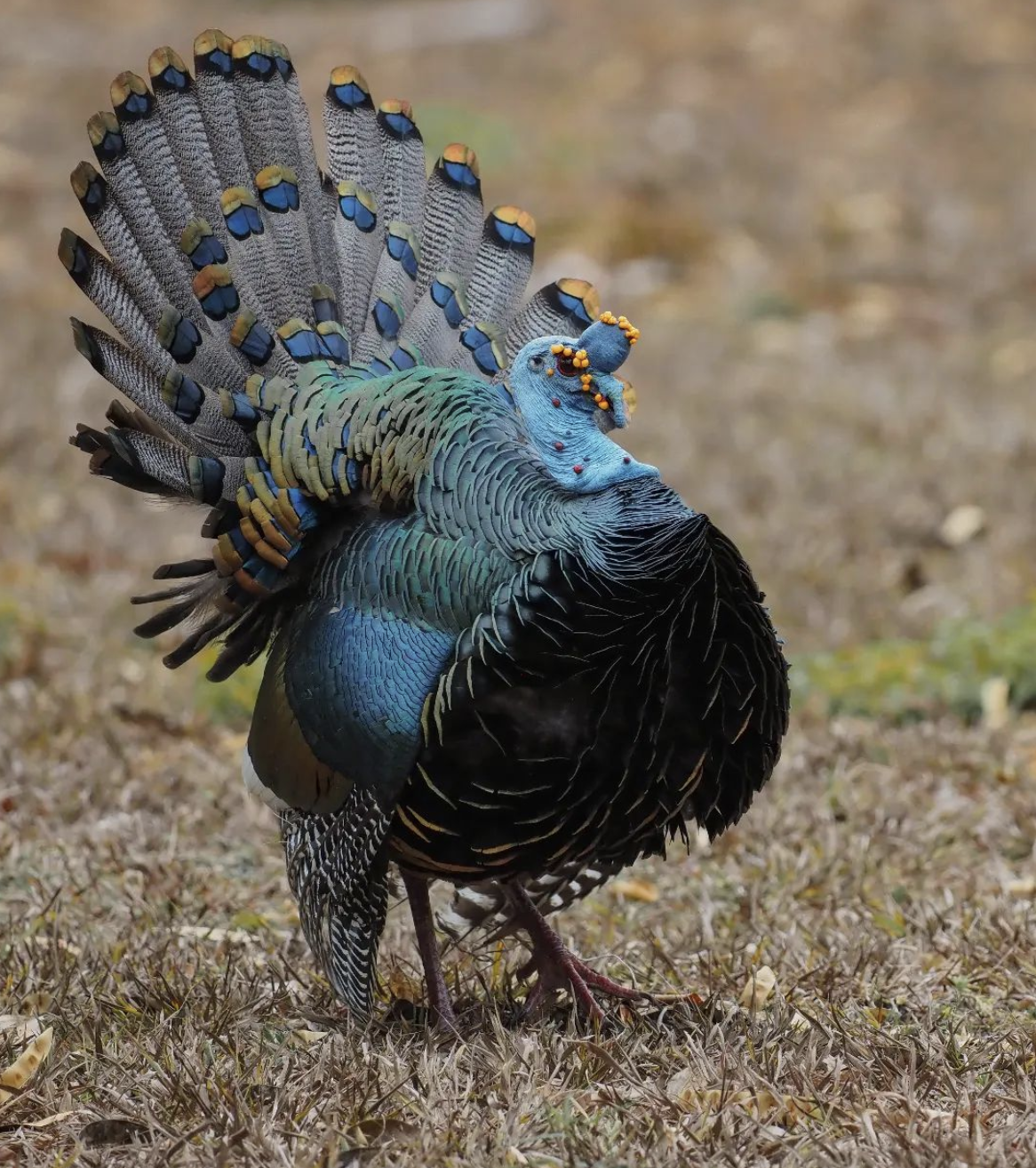
Bird of the Day: Ocellated Turkey
Dos Lagunas, Peten, Guatemala
Dos Lagunas, Peten, Guatemala
The Tromsø sorting office of the Norwegian postal service Posten Bring is heated by heat pumps. The city is located almost 140 miles north of the Arctic Circle. Photograph: NurPhoto/Getty
Previous stories we have linked to about heat pumps have raised our expectations and hopes, but also raised the question of whether they will catch on. Here is the start to an answer:

‘You can walk around in a T-shirt’: how Norway brought heat pumps in from the cold
Device installed in two-thirds of households of country whose experience suggests switching to greener heating can be done
When Glen Peters bought a heat pump for his home in Oslo he wasn’t thinking about the carbon it would avoid. Continue reading
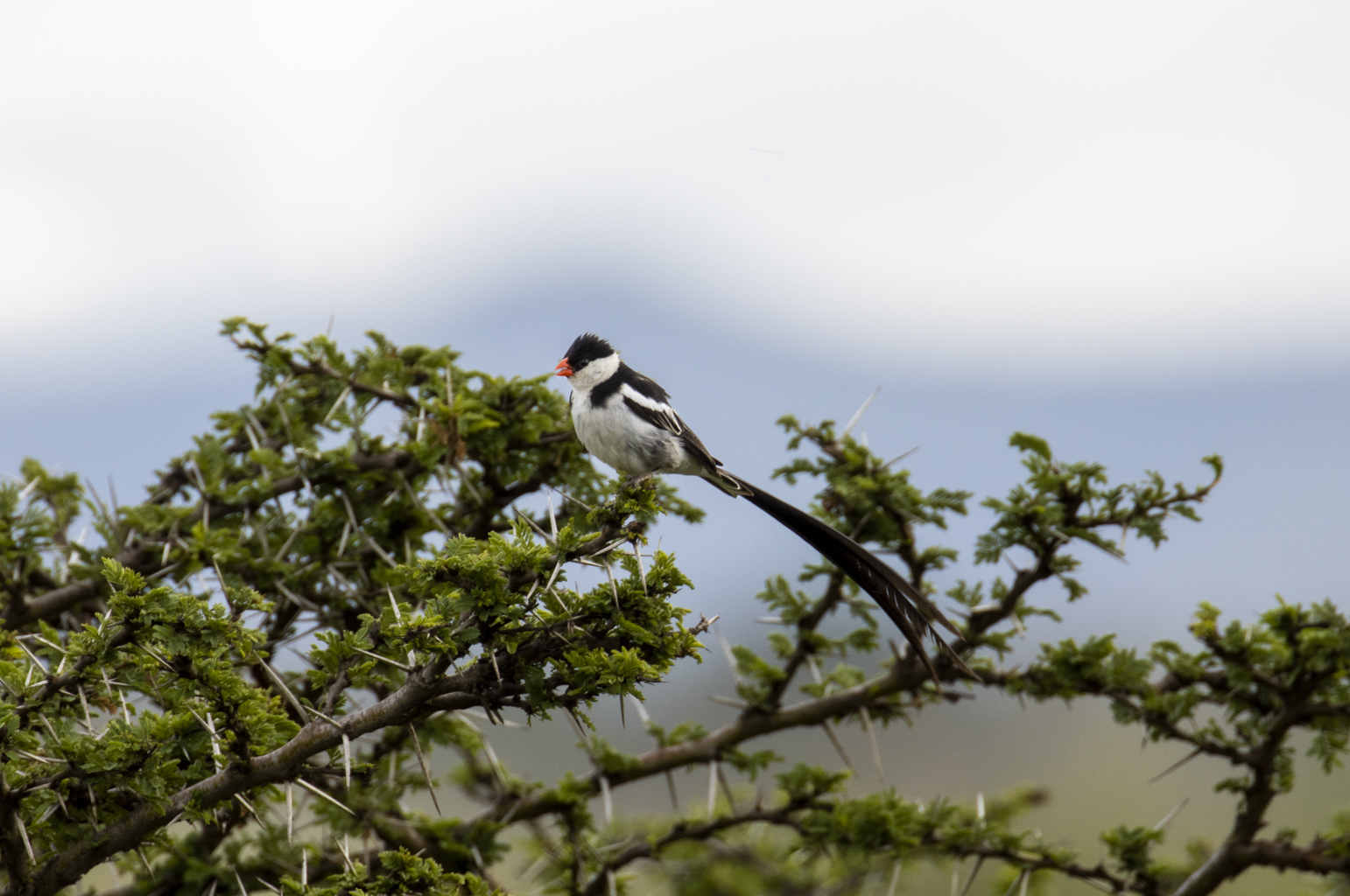
Nairobi National Park, Kenya

Photograph by Ian Thomas Jansen-Lonnquist / Bloomberg / Getty
We need more energy, and here are some possibilities:
The Next Power Plant Is on the Roof and in the Basement
A Department of Energy report promotes a new system that could remake the energy grid.
On any given Monday in Vermont, Josh Castonguay, the vice-president of innovation at that state’s Green Mountain Power utility, told me, he studies the forecast for the days ahead, asking questions like “What’s it looking like from a temperature standpoint, a potential-of-load standpoint? Is there an extremely hot, humid stretch of a few days coming? A really cold February night?” If there is trouble ahead, Castonguay prepares, among other things, Vermont’s single largest power plant, which isn’t exactly a power plant at all—or, at least, not as we normally think of one. Continue reading
Namibia
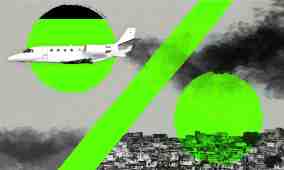
While the wealthiest 1% tend to live climate-insulated lives, their emissions are responsible for immense suffering. Illustration: Guardian Design
Jonathan Watts, whose work we have been linking to for some years now, is the global environment editor for the Guardian, and this may be his most revealing story yet.
Even if you are not in the 1%, if you are not in the bottom 66% the implications for all of us on the wealthier side of the divide are challenging:
Richest 1% account for more carbon emissions than poorest 66%, report says
‘Polluter elite’ are plundering the planet to point of destruction, says Oxfam after comprehensive study of climate inequality
The richest 1% of humanity is responsible for more carbon emissions than the poorest 66%, with dire consequences for vulnerable communities and global efforts to tackle the climate emergency, a report says. Continue reading

Busch Conservation Area, MO
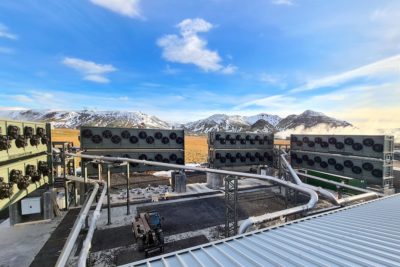
A carbon capture plant near Reykjavik, Iceland. CLIMEWORKS
Since we first heard of it we have been enthusiastic about the upside potential of this technology, but until now had not considered the tradeoffs:
Climate Plans That Rely Too Much on Carbon Removal Could Breach International Law
Countries that rely too heavily on carbon removal in their climate plans could violate international law, warns a new paper. Continue reading

Nyandarua, Kenya
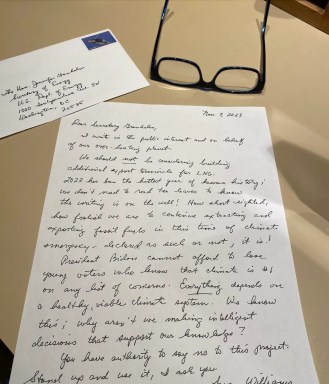 We have appreciated this newsletter since it started, and every issue since. This week it brings these handwritten letters to our attention:
…Oh, and who’s the other group of climate voters the president needs to worry about? That would be older people, like those of us at Third Act—we codgers have been organizing mass protests all year. And while we may not be TikTok savvy, we have another weapon: pen and stationery. In the last week Third Actors have unleashed thousands of letters on DOE headquarters—which may not sound quite as sexy as petitions from the Internet, but they have their own impact, since officials know that if you’re willing to do more than click you’re probably an effective and motivated adversary.
So consider [image above left]
Or [image to the right]
What I’m trying to say is, the Department of Energy has a real problem—an increasingly aware and activated posse of youngsters and oldsters. And a solution: announce CP2 is going nowhere, and that no other project will be approved, or even considered, until there’s been an exhaustive rewrite of the criteria taking into account the latest science and economics. It’s not hard. Continue reading
 Commons Ford Metropolitan Park, Travis County, TX

Carl Recine/Reuters
Kate Marvel is a climate scientist at the environmental nonprofit Project Drawdown, and was a lead author on the Fifth National Climate Assessment. She has well-informed opinions and as we have noted before, she knows how to express them clearly:
I’m a Climate Scientist. I’m Not Screaming Into the Void Anymore.
Two and a half years ago, when I was asked to help write the most authoritative report on climate change in the United States, I hesitated. Did we really need another warning of the dire consequences of climate change in this country? Continue reading
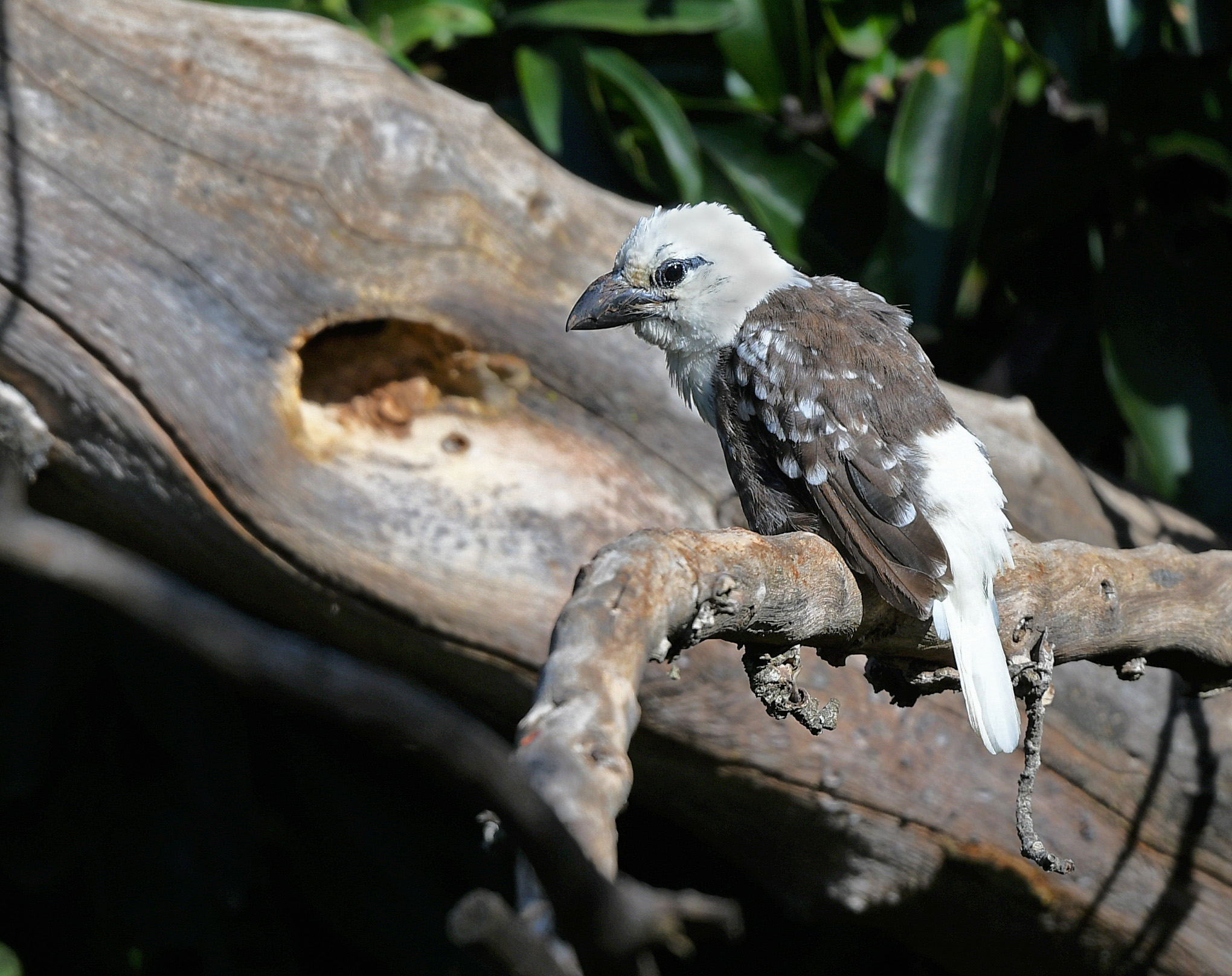
Maasai Mara National Reserve, Kenya
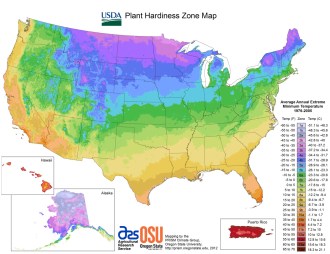
Source: U.S. Department of Agriculture
The topics of what to plant, when to plant, where to plant are constantly with us in Costa Rica. Thanks to Julia Simon at National Public Radio (USA) for this note on gardeners in the USA using an online resource to rethink their planting plans:
‘It feels like I’m not crazy.’ Gardeners aren’t surprised as USDA updates key map
A newly updated government map has many of the nation’s gardeners rushing online, Googling what new plants they can grow in their mostly warming regions. Continue reading
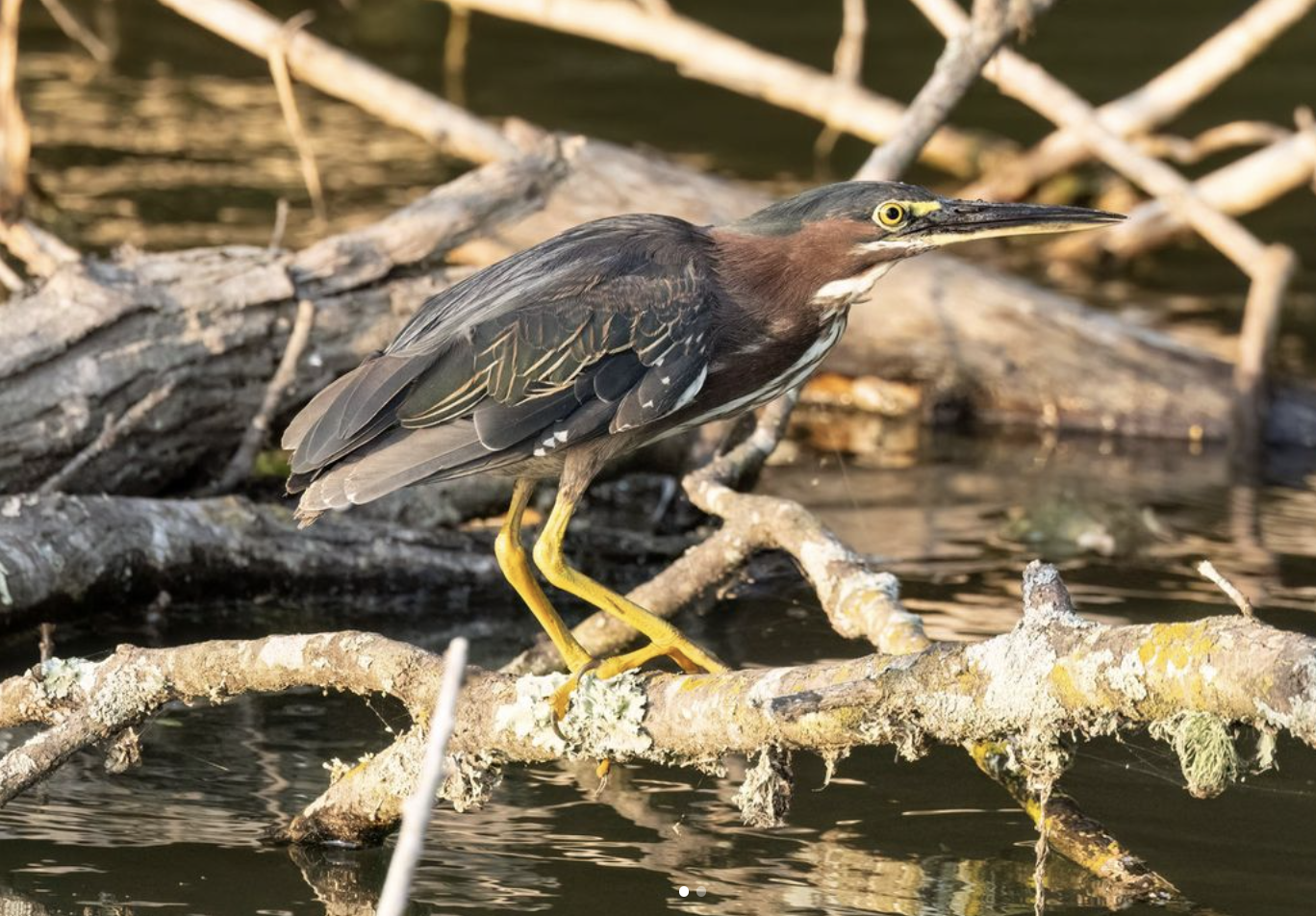
Murphy Park, Williamson County, TX,
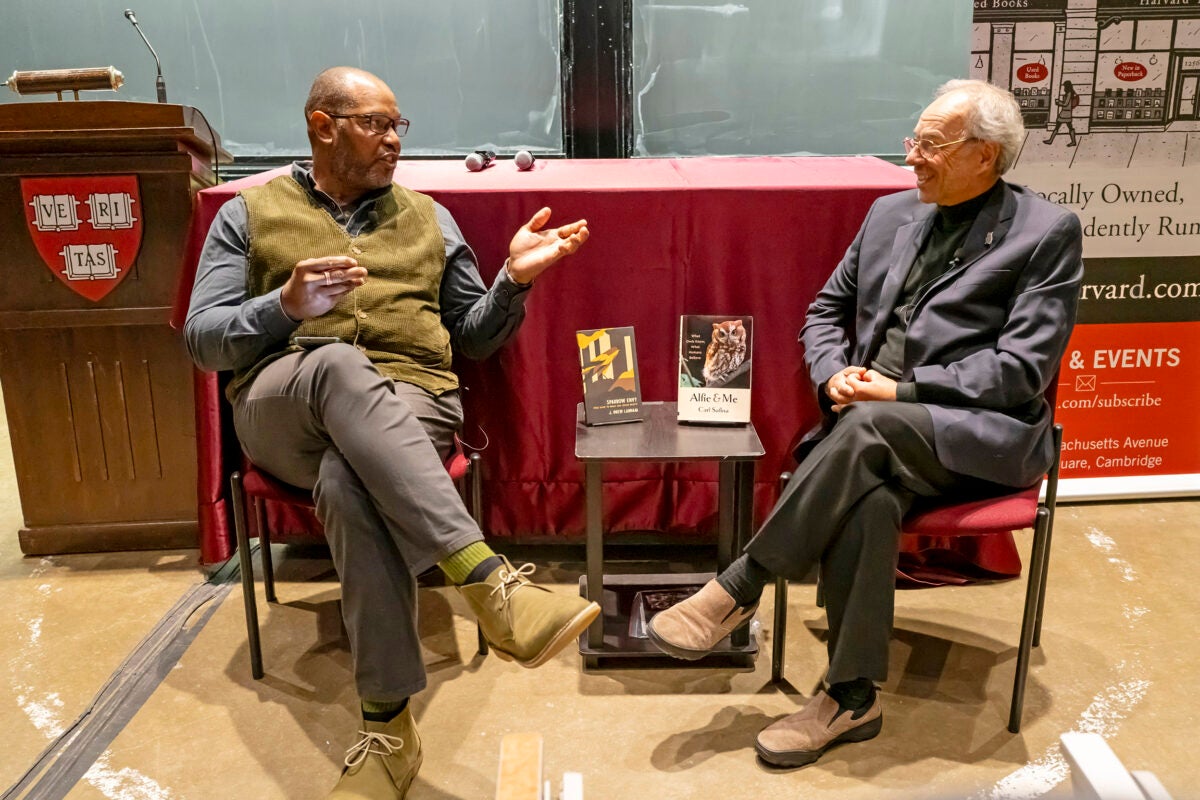
Joseph Drew Lanham (left) interviews fellow ecologist Carl Safina during a recent Harvard talk about Safina’s book “Alfie and Me: What Owls Know, What Humans Believe.” Jon Chase/Harvard Staff Photographer
We have linked to the work of Carl Safina only twice before (the second time just a photo credit) but now realize what we have been missing. Our thanks to Alvin Powell,
Harvard Gazette staff writer:
It took an ailing screech owl to teach a scientist the value of up-close-and-personal study.
In a talk Monday at the Science Center, Carl Safina, an ecologist at Stony Brook University and author of several books about humanity’s relationship with nature, recalled that the chick was found on a friend’s lawn as the pandemic was tightening its grip on the world. In the picture Safina received, the bird looked beyond saving.“How did it die?” he asked.
“It was just a downy little, dying thing,” Safina, whose most recent book is “Alfie and Me: What Owls Know, What Humans Believe,” said in his Harvard talk, which was sponsored by the FAS Division of Science, Harvard Library, and the Harvard Book Store and included questions from Clemson University ecologist Joseph Drew Lanham. Continue reading
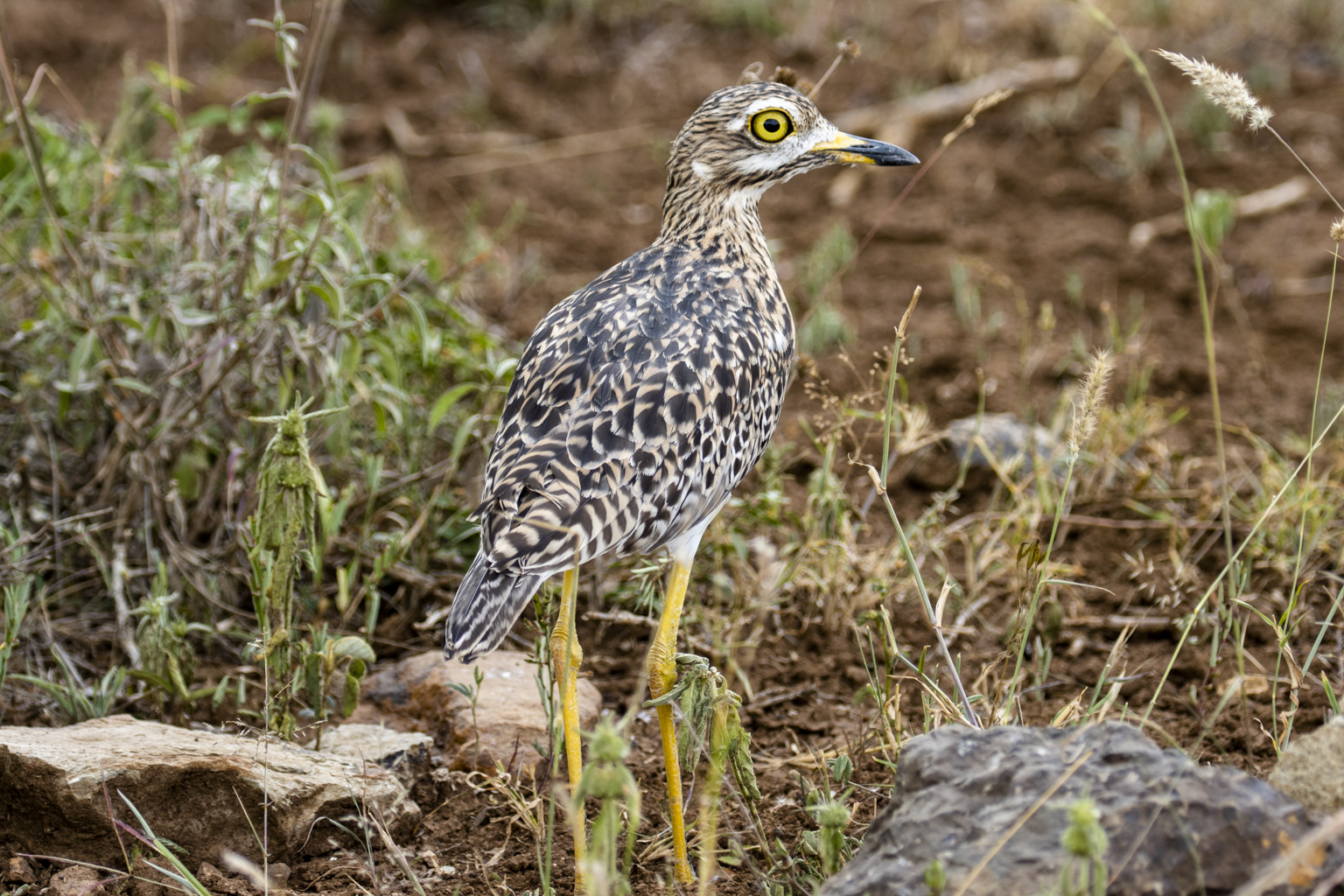
Nairobi National Park, Kenya
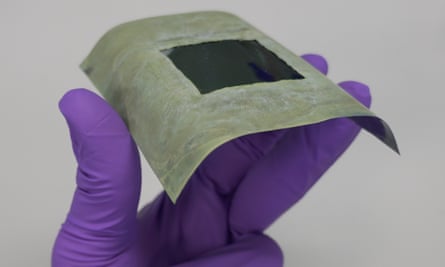
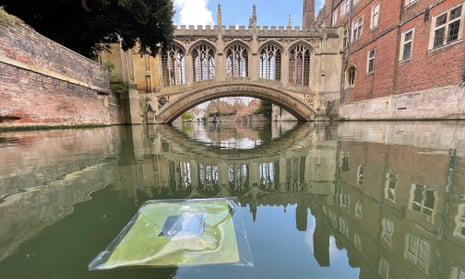
Researchers from the University of Cambridge designed ultra-thin, flexible devices, which take their inspiration from photosynthesis – the process by which plants convert sunlight and CO2 into food. Photograph: Virgil Andrei
Photsynthesis comes in handy on this planet. This invention leverages the natural process into a technology to tackle a large scale challenge. We can only hope that it is not too little, too late:
Floating factories of artificial leaves could make green fuel for jets and ships
Cambridge University scientists develop a device to ‘defossilise’ the economy using sunlight, water and carbon dioxide
The artificial leaves were tested on the River Cam in and around Cambridge including sites such as the Bridge of Sighs. Photograph: Virgil Andrei
Automated floating factories that manufacture green versions of petrol or diesel could soon be in operation thanks to pioneering work at the University of Cambridge. The revolutionary system would produce a net-zero fuel that would burn without creating fossil-derived emissions of carbon dioxide, say researchers. Continue reading

Maasai Mara National Reserve, Kenya
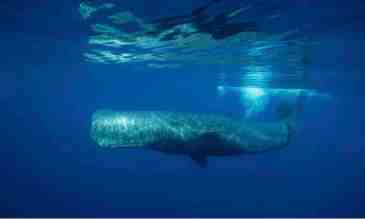
Fewer than 500 sperm whales are estimated to live in the waters surrounding Dominica. Photograph: By Wildestanimal/Getty Images
This island is already known for sperm whales. Protecting their habitat strengthens Dominica’s reputation as the conservation leader in the region:
Dominica creates world’s first marine protected area for sperm whales
Nearly 300 sq miles of water on west of Caribbean island to be designated as a reserve for endangered animals
The tiny Caribbean island of Dominica is creating the world’s first marine protected area for one of Earth’s largest animals: the endangered sperm whale. Continue reading