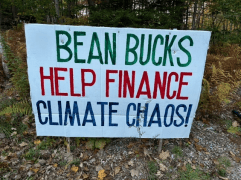
Green Capitalism Reconsidered
We shared an interview with the author of this book a few months ago, but missed the numerous reviews when her book was published last year. Thanks again to a Dutch biologist named Leon at the Inquisitive Biologist for this book review now:
BOOK REVIEW – THE VALUE OF A WHALE: ON THE ILLUSIONS OF GREEN CAPITALISM
In an attempt to address climate change and other environmental problems, governments are increasingly turning to economic solutions. The underlying message is clear: capitalism might have created the problem, but capitalism can solve it. Adrienne Buller, a Senior Fellow with progressive think tank Common Wealth, is, to put it mildly, sceptical of this. From carbon credits to biodiversity offsets, she unmasks these policies for the greenwashing that they are. The Value of a Whale is a necessary corrective that is as eye-opening as it is shocking. Continue reading
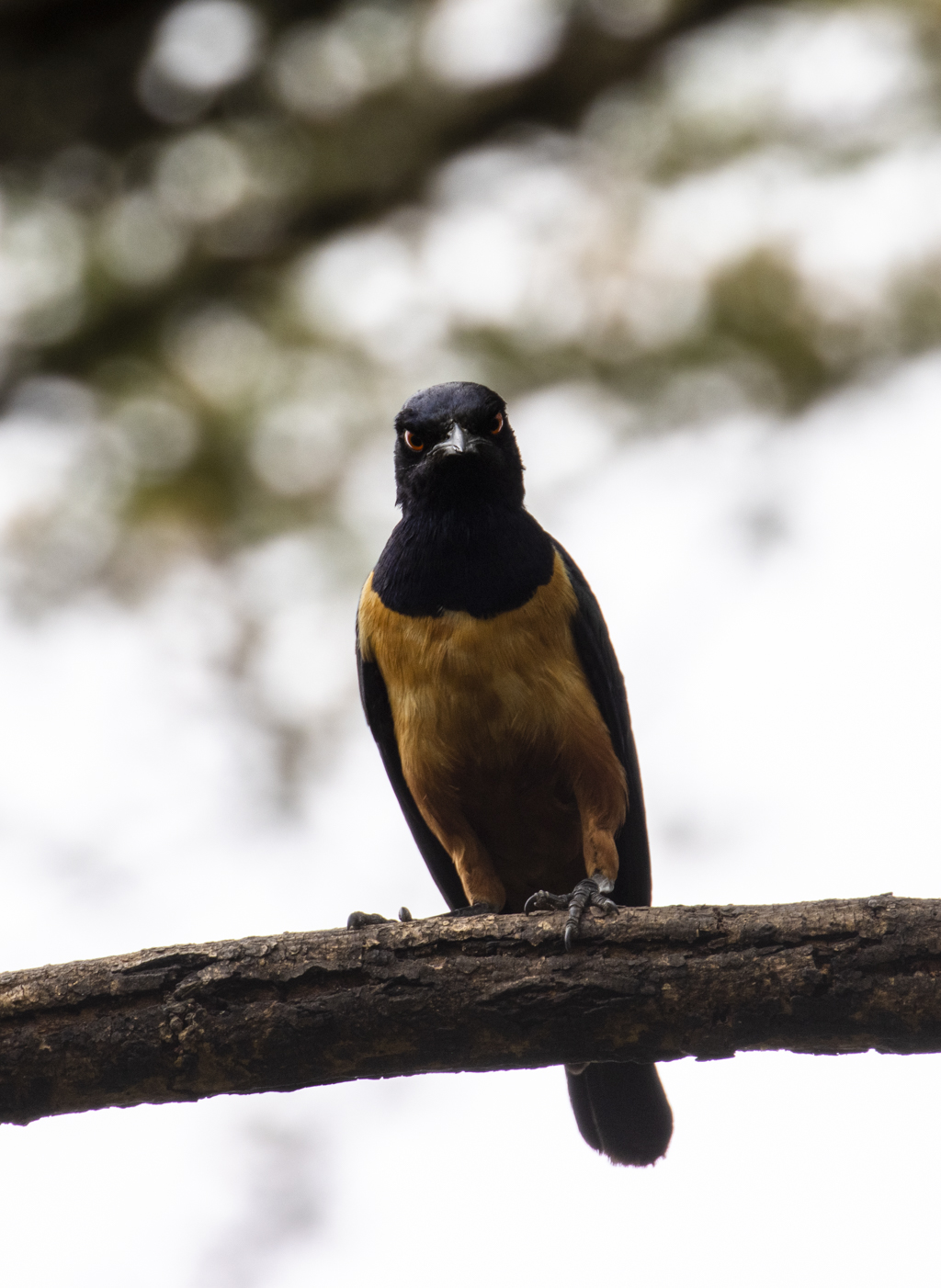
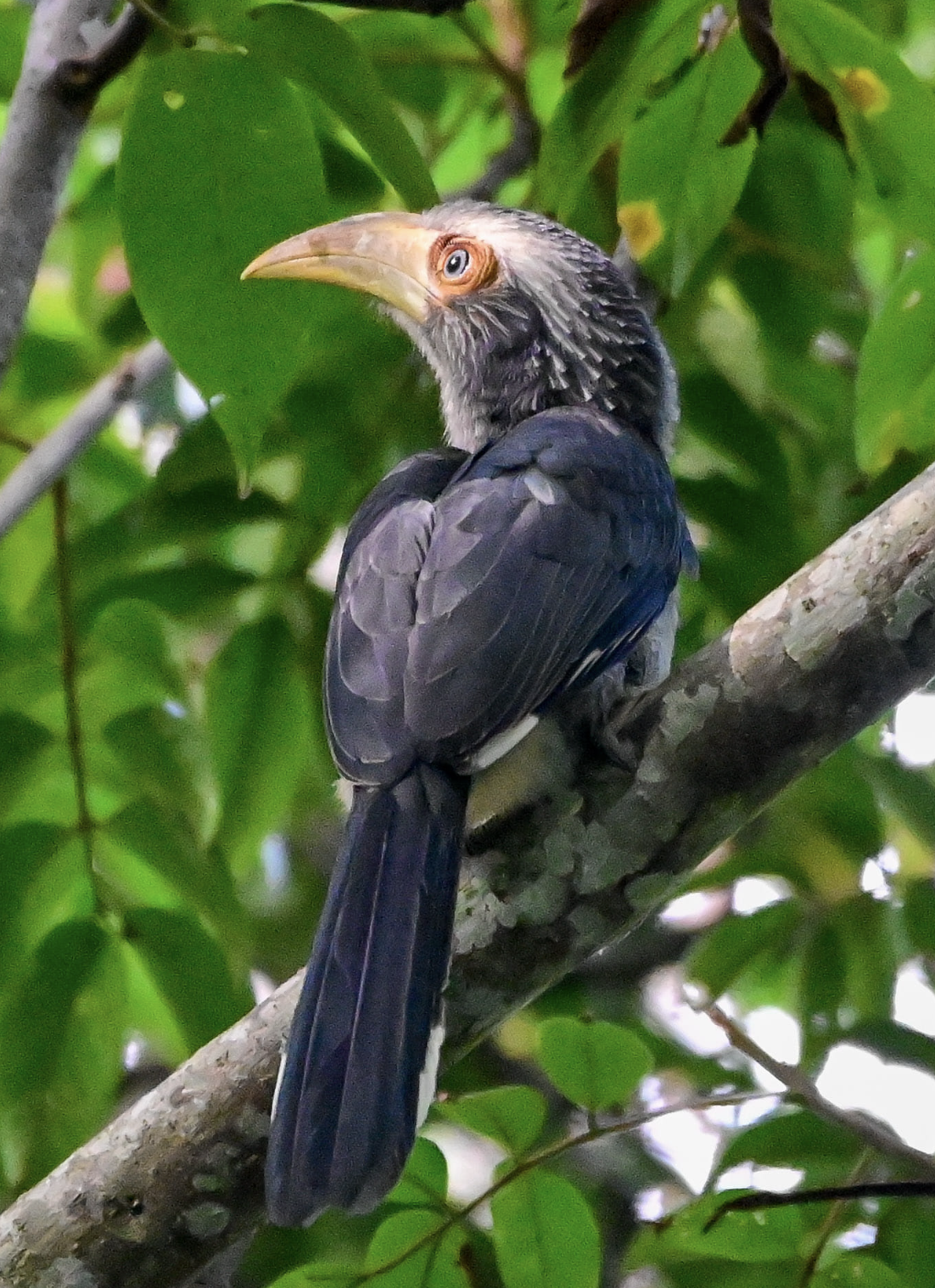
Bird of the Day: D’Arnaud’s Barbet
Travel Takeaways
We have ideas on what to take away if you are visiting Costa Rica. Yesterday, Joshua Hunt made this unexpected recommendation on travel takeaways:
Want a Vacation Souvenir? Buy Toothpaste.
The quotidian joys of this pocket-size keepsake.
Six weeks after my first trip to Italy, the fresh mozzarella I brought home is long gone, and so is the hard salami and pistachio-flavored chocolate. To squeeze a bit more from my Mediterranean experience, I can rely a little while longer on the tube of Elmex-brand toothpaste I used to brush away all that food. Continue reading
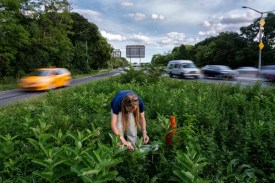
Bird of the Day: Summer Tanager
Stories from the Field: Birding with Clement Francis
Bird of the Day: Yellow-billed Stork
Future Fruits & Vegetables
Agricultural adaptation to a changing climate has caught our attention frequently with regard to wine grapes. Thanks to Kim Severson for this look at other fruits and vegetables:
Hot-weather cherries, drought-resistant melons and six other crops in the works that could change how we eat in a fast-warming world.
The Cosmic Crisp was bred at the University of Washington with a changing climate in mind. Credit…Ines Hanrahan/Washington Tree Fruit Research Commission
Plant breeders, by nature, are patient people. It can take them years or even decades to perfect a new variety of fruit or vegetable that tastes better, grows faster or stays fresh longer.
But their work has taken on a new urgency in the face of an increasingly erratic climate. Recent floods left more than a third of California’s table grapes rotting on the vine. Too much sunlight is burning apple crops. Pests that farmers never used to worry about are marching through lettuce fields.
Breeding new crops that can thrive under these assaults is a long game. Continue reading
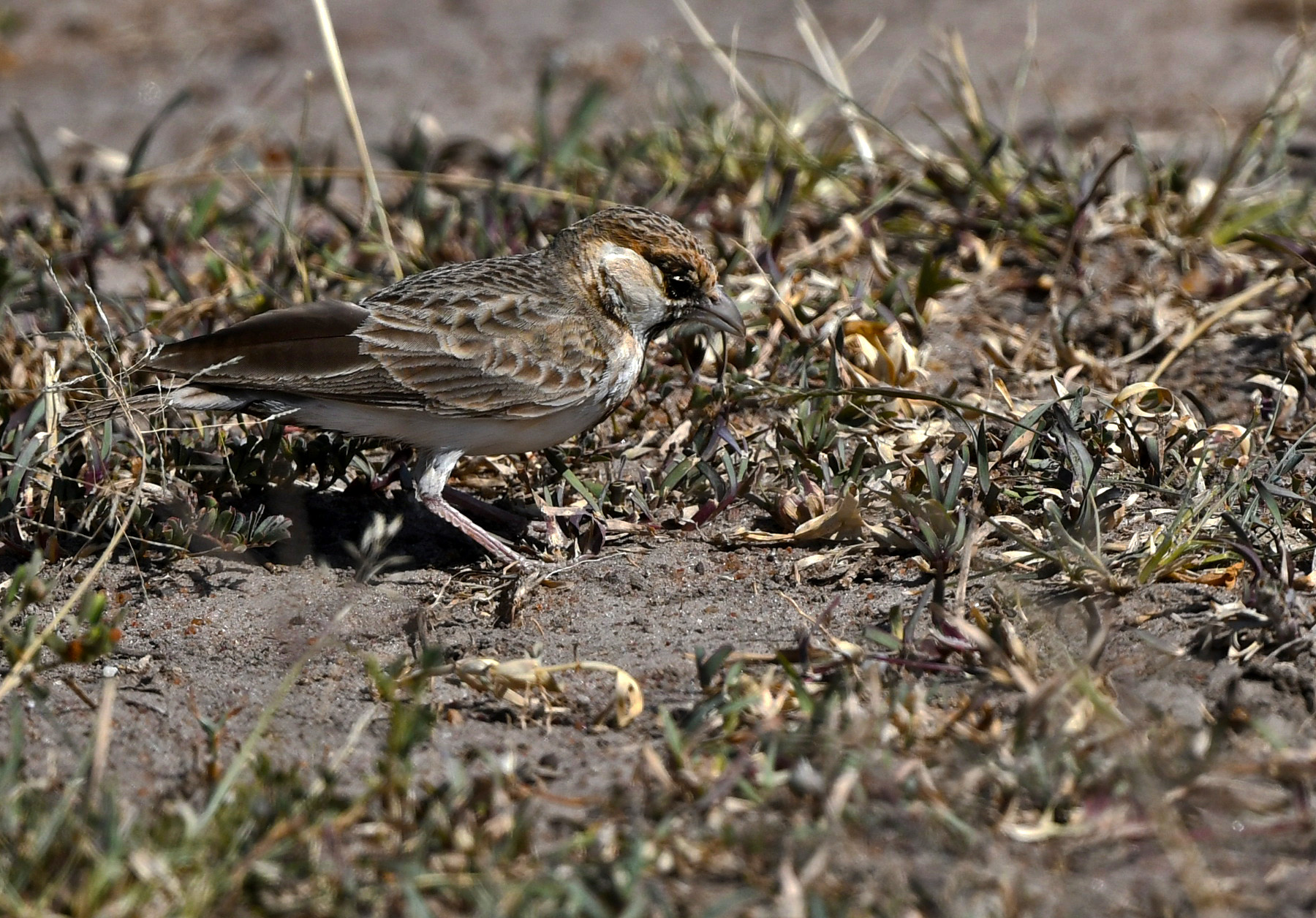
Bird of the Day: Rufous-naped Lark
Ancient Amazon Carbon Capture
Thanks to Yale e360 for this one:
How Ancient Amazonians Locked Away Thousands of Tons of Carbon in “Dark Earth”
A new study reveals how, by cultivating fertile soil for farming, ancient Amazonians locked away thousands of tons of carbon that have stayed in the ground for centuries. Continue reading
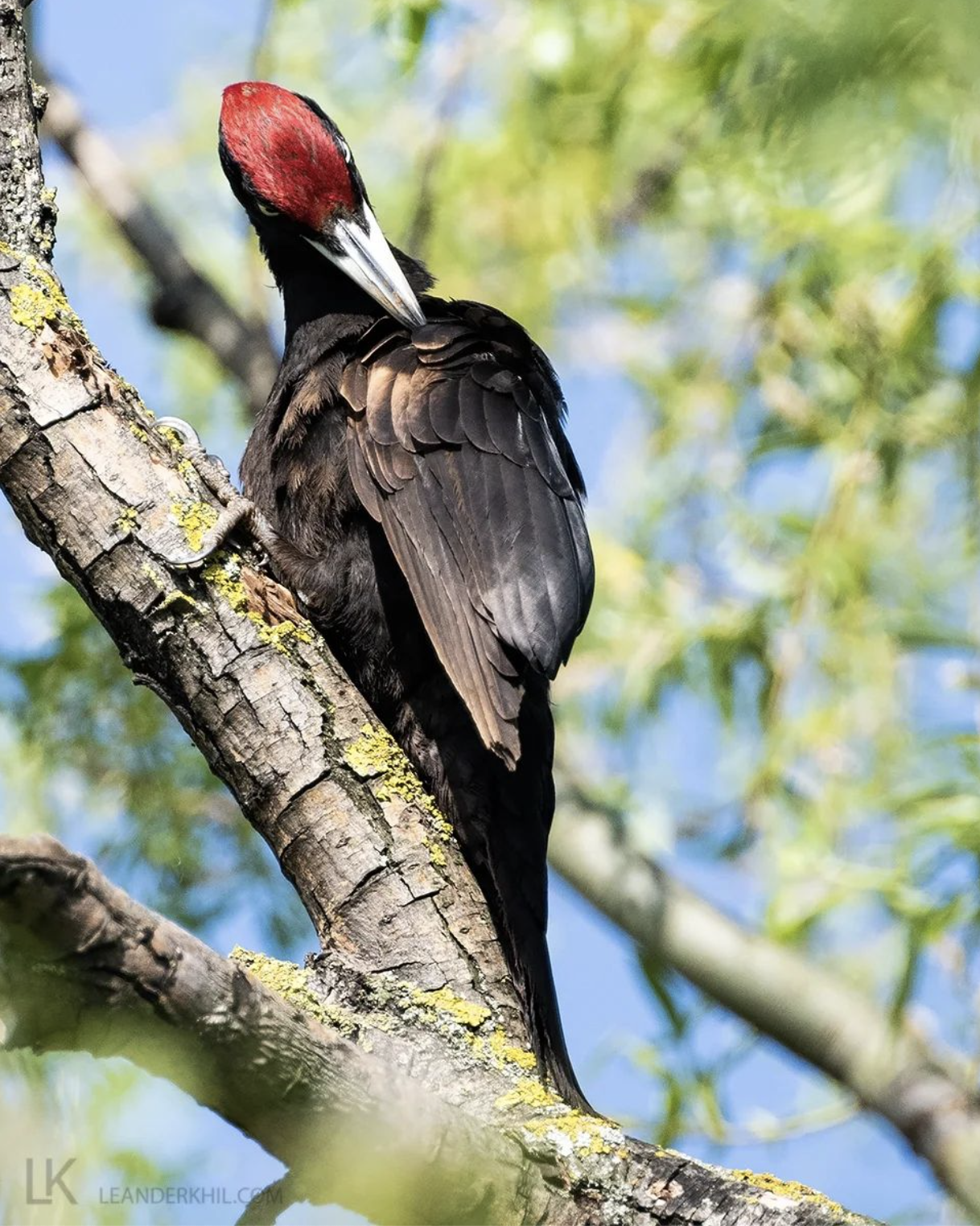
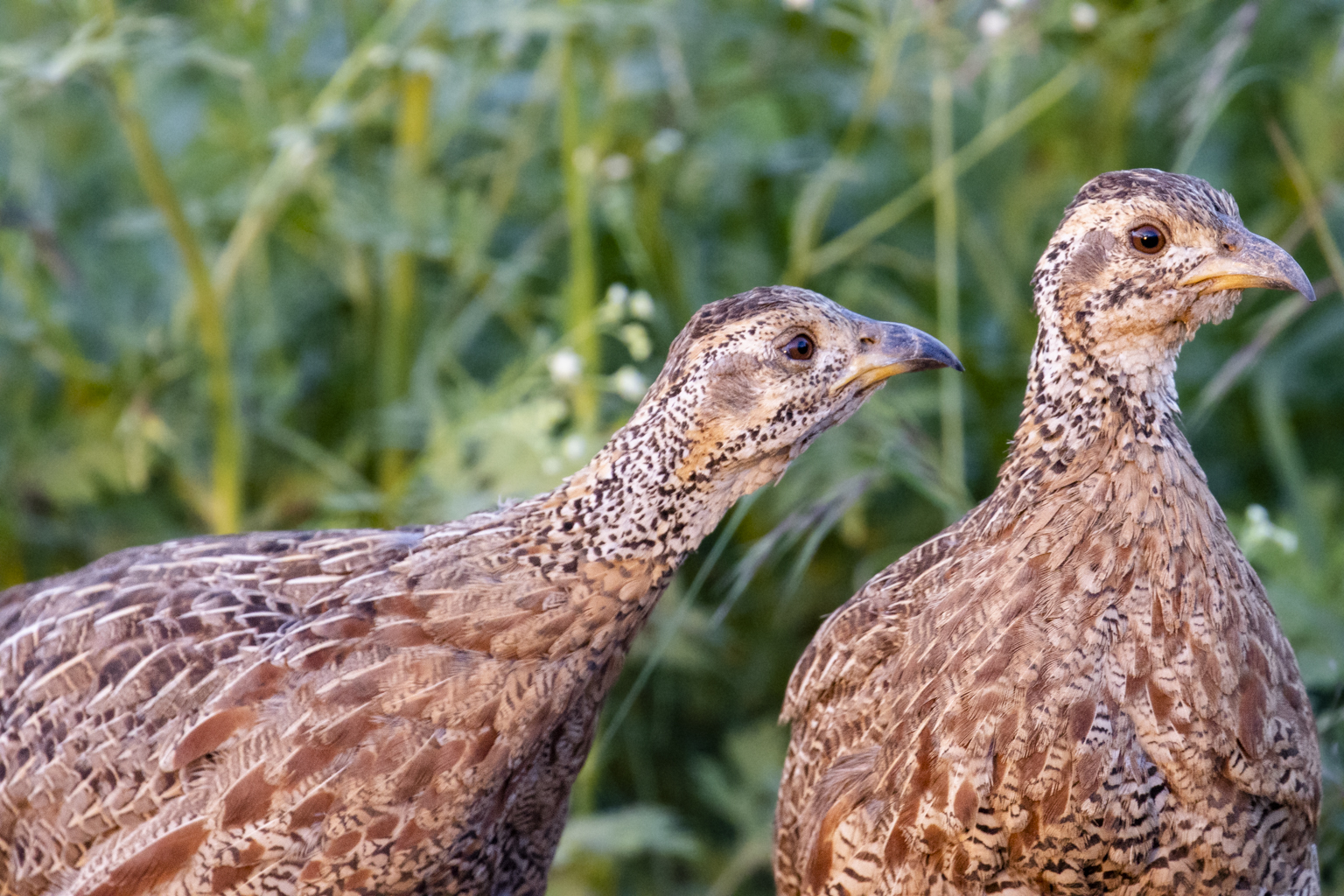
Bird of the Day: Ocellated Quail
Really, Rishi?
As a non-Brit, I spared the world my opinion on the own-goalness of Brexit, and the follow-up own-goal of electing Boris Johnson. Not my circus, not my monkey. But as a speaker of the English language, among other reasons, I have always cared about and paid attention to the civic affairs of the UK more than I do those of many other countries. I was reflexively optimistic with the baton passing to Rishi Sunak. He could not possibly be as terrible as his two immediate predecessors, right? In some ways right, but in the way that matters most to the entire world, shame on him. The Economist weighs in heavily, as does the New Yorker’s correspondent in the UK, the great Sam Knight:
Rishi Sunak’s Self-Serving Climate Retreat
The British Prime Minister has rolled back the country’s policies on reducing emissions. To what end?
Since Rishi Sunak became Britain’s Prime Minister, almost a year ago, in the middle of a national financial breakdown, his premiership has been defined by trying to make things go away. Continue reading
Bird of the Day: Sand Martins
St. Martins Therme and Lodge, Austria
CRISPR Silk
This will be the fifth time for CRISPR in our pages. We suspend judgement each time we link to explanations of the technology, or new applications:
Silkworms genetically engineered to produce pure spider silk
Spider silk has been seen as a greener alternative to artificial fibres like nylon and Kevlar, but spiders are notoriously hard to farm. Now researchers have used CRISPR to genetically engineer silkworms that produce pure spider silk
Silkworms have been genetically engineered with CRISPR to produce pure spider silk for the first time. The worms could offer a scalable way to create things like surgical thread or bulletproof vests from spider silk, which is prized for its strength, flexibility and lightness. Continue reading
Bird of the Day: Western Plantain-eater
Reminder Primer On Meat & Dairy
We have been preaching, and practicing, reduction in the consumption of meat and dairy for as long as we have been sharing on this platform. Reminders of why are always welcome. Our thanks to Max Graham, a Food and Agriculture Fellow at Grist for this reminder-primer:
What would happen if the world cut meat and milk consumption in half?
Agricultural emissions would fall by almost a third. But getting there wouldn’t be easy.
Cows are often described as climate change criminals because of how much planet-warming methane they burp. Continue reading
Bird of the Day: Yellow-throated Petronia
Species-Specific Safe Spaces
We have pointed to stories about activism and entrepreneurship in the interest of protecting animal habitat plenty of times, but not so much on the science of the field work. As part of its Climate Desk collaboration Mother Jones shares this article originally published by Undark, written by Marta Zaraska, that addresses some of the science of species-specific safe spaces:
Inside Scientists’ Race to Create Safe Refuges for Animals
Climate crisis is destroying habitats. Can technology help create new ones?
Conservation ecologist Ox Lennon simulated stacks of rocks that would create crevices big enough for skinks, but too small for mice. Courtesy Ox Lennon
In 2016, Ox Lennon was trying to peek in the crevices inside a pile of rocks. They considered everything from injecting builders’ foam into the tiny spaces to create a mold to dumping a heap of stones into a CT scanner. Still, they couldn’t get the data they were after: how to stack rocks so that a mouse wouldn’t squeeze through, but a small lizard could hide safely inside. Continue reading
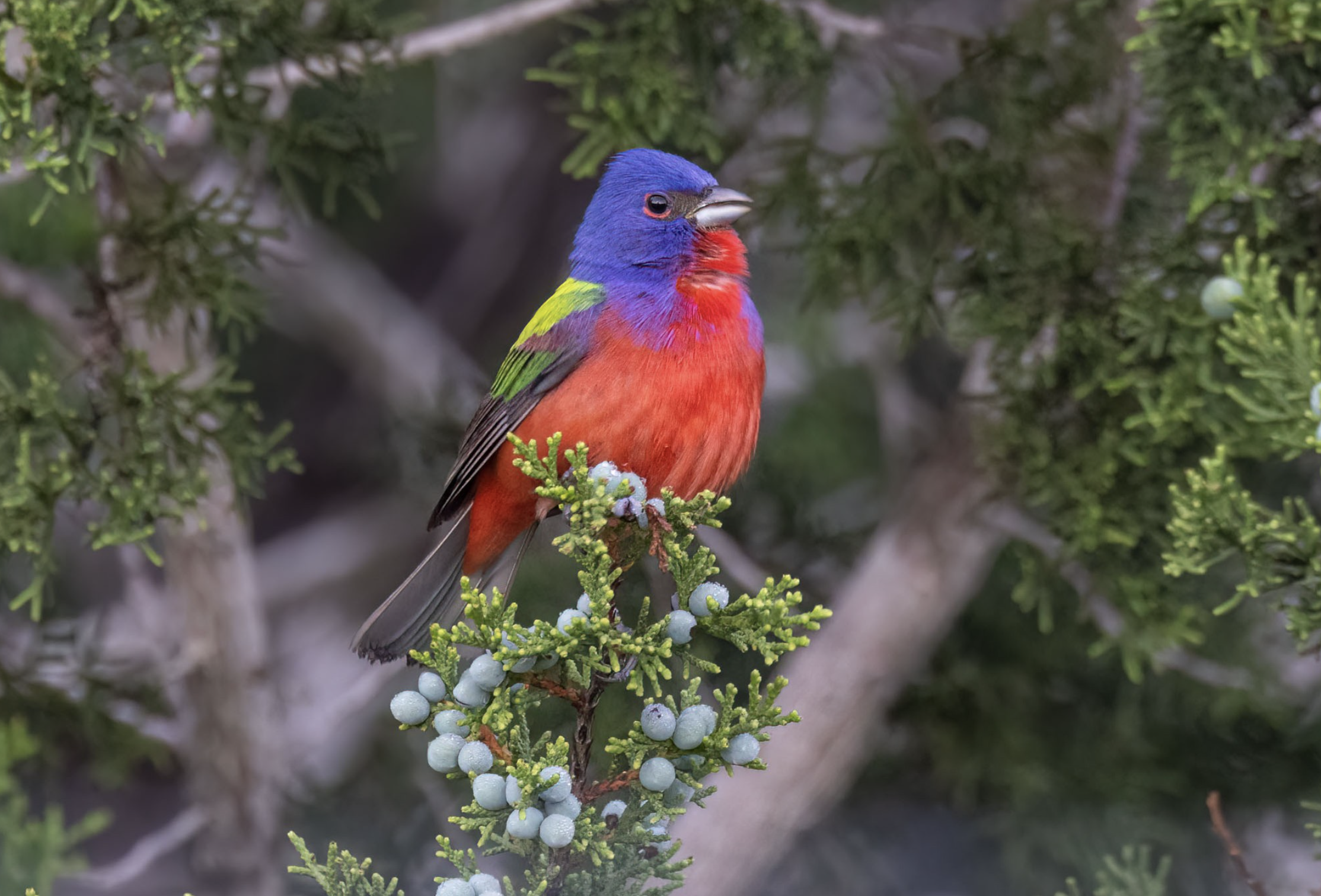
Bird of the Day: Blue Grosbeak
Subsidy Absurdity
This article by Stephen Robert Miller in the New Republic tells a story that is simultaneously inconceivable and yet perfectly explanatory of humanity’s contribution to climate change:
Why are we paying for crop failures in the desert?
Taxpayers are on the hook for heat-related crop losses in parched states like Arizona. That needs to change.
In mid-July in Phoenix, a man demonstrated to a local news station how to cook steak on the dashboard of his car. The city sweltered through a nearly monthlong streak of 110-degree temperatures this summer, while heat records are tumbling across the Southwest. Continue reading