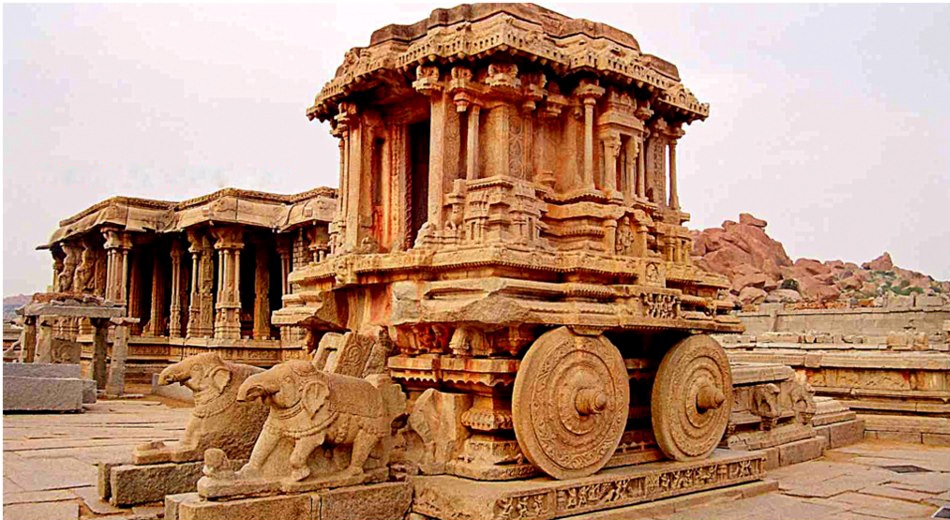
Standing on the southern bank of the Tungabhadra River, theĀ Vitthala Temple is the most magnificent of the religious edifices at Hampi. Vitthala portrays the aesthetic perfection of the Vijayanagar style during the time of Devaraya-II (A .D. 1422-1446). Continue reading
Bird of the Day: Golden-cheeked Woodpecker
Bracted Strawflower – Helichrysum bracteatum
Bracted Strawflowers are a native Australia perennial that has naturalized in the hill stations of India’s Western Ghats above 1500 meters. The parchment-like flowers bloom in a wide range of colors, including yellow, white, red and pink.
Continue reading
Artisan Ethos
Further to the provocative statement on vegan ethics here, we have chosen this as a follow up to highlight this new publication’s value–on a subject we actually talk about in our office and a our resort operations:
Joy in the task
Even the finest restaurants are serving coffee made with capsules. Have we lost faith in the human touch?
From Behind the Wheel: Cyclists Unite!
Venturing For Impact
A strong statement on Harvard Business Review’s blog site about the role of finance, specifically the venture capital model, in the future of social enterprise, which is in very close proximity to entrepreneurial conservation both conceptually and in practice. Ā Substitute ecosystem degradation for poverty or educational shortcomings and the framework with which Raxa Collective approaches its various initiatives:
During the past century, governments and charitable organizations have mounted massive efforts to address social problems such as poverty, lack of education, and disease. Governments around the world are straining to fund their commitments to solve these problems and are limited by old ways of doing things. Social entrepreneurs are stultified by traditional forms of financing. Donations and grants don’t allow them to innovate and grow. They have virtually no access to capital markets and little flexibility to experiment at various stages of growth.Ā The biggest obstacle to scale for the social sector is this lack of effective funding models. Continue reading
Teacher Of Teachers In Natural History
Because of its importance to this idea we work with, entrepreneurial conservation, we pay attention to the history of natural sciences. Ā We are curious, asĀ individualsĀ and collectively, about how we found our way here. In the Books sections of the New York Times Rebecca Scott reviews the Christoph Irmscher study on the Swiss immigrant scientist Louis Agassiz and his contributions to science–and therefore nature and conservation–in his adoptive country:
Nonetheless, there is no arguing with the claim that Agassiz, a Swiss immigrant, was pivotal to the making of American science. He was āone of the first,ā Irmscher writes, āto establish science as a collective enterprise.ā He was extraordinarily prolific and influential in many fields, including paleontology, zoology, geology and glaciology. Continue reading
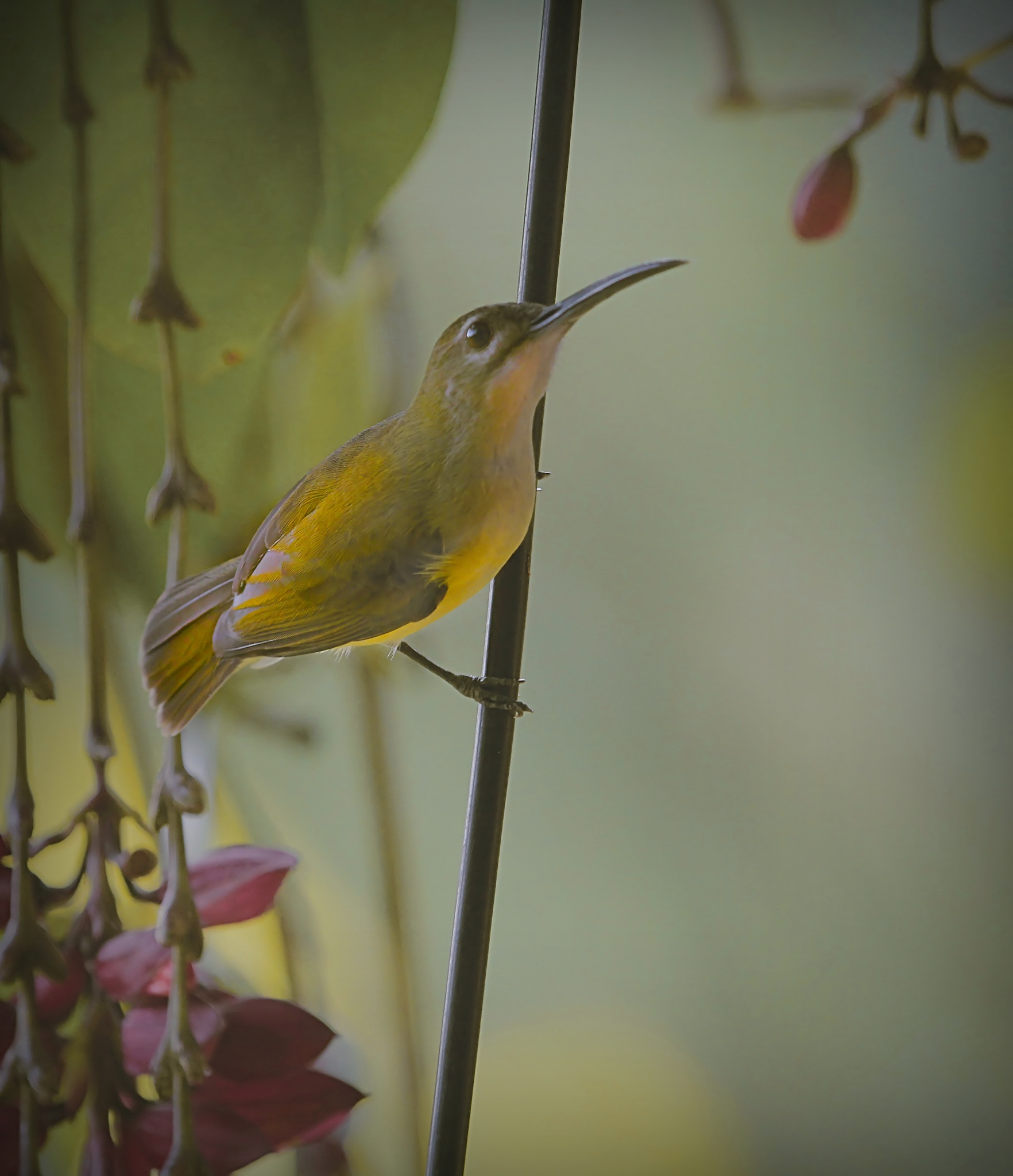
Bird of the Day: Little Spiderhunter
Waste Reduction By Altruistic Design
If you search around long enough on words such as altruism and design–both topics we pay attention to on this site–eventually you will encounter these folks. This particular product caught our attention and we see no harm in promoting it:
GOEDZAK IS A SPECIAL GARBAGE BAG FOR ITEMS THAT ARE STILL USEABLE. ITāS A FRIENDLY WAY TO OFFER PRODUCTS A SECOND CHANCE AND STIMULATE SUSTAINABLE BEHAVIOR. Continue reading
Green Demolition

Schematic showing how buildings are disassembled from the inside out. Image via Taisei Corp.
As Raxa Collective continues its work on a historic waterfront building in the Mattancherry section of Fort Cochin’s harbor–currently in the demolition phase of a portion of the property that was built in recent years–we have been doing our homework on methods that make the process as “clean” as possible. We came across EarthTechling, oriented to consumers rather than techno-professionals but with broad and deep coverage of clean tech. Ā This brief article is of interest to our demolition task:
We all know about ways to build greener more energy-efficient buildings, but what about the other side of this coin? Is there such a thing as āgreen demolitionā? Many of todayās small buildings are torn down slowly with wrecking balls and earth-moving equipment. Taller structures are more economically brought down by explosives and gravity, becomingĀ eye-popping media eventsĀ that bring out the destructive inner-three-year-old in all of us. Continue reading
Thattekkad Bird Sanctuary
Thattekkad Bird Sanctuary is Kerala’s first officially recognized bird sanctuary. Named after the late renowned ornithologist Dr. Salim Ali, the small but intensely biodiverse area lies snugly between two branches of the Periyar river and the serenity of the Anamalai hills. This bird watcher’s paradise was once a rubber plantation, but due to its abundant wildlife and in order to protect the wide range of resident and migratory birds it was declared a sanctuary in 1983.
Whale Wonders
Beach-combing can yield wonderful surprises. Click the image above to see where this wonder was found:
A man finds a rare rock of valuable whale vomit on the beach in Morecambe that could be worth up to £100,000. Ken Wilman and his dog Madge were out on a walk when they discovered the valuable substance. The musky vomit comes from a sperm whale and is a rare commodity used in perfume
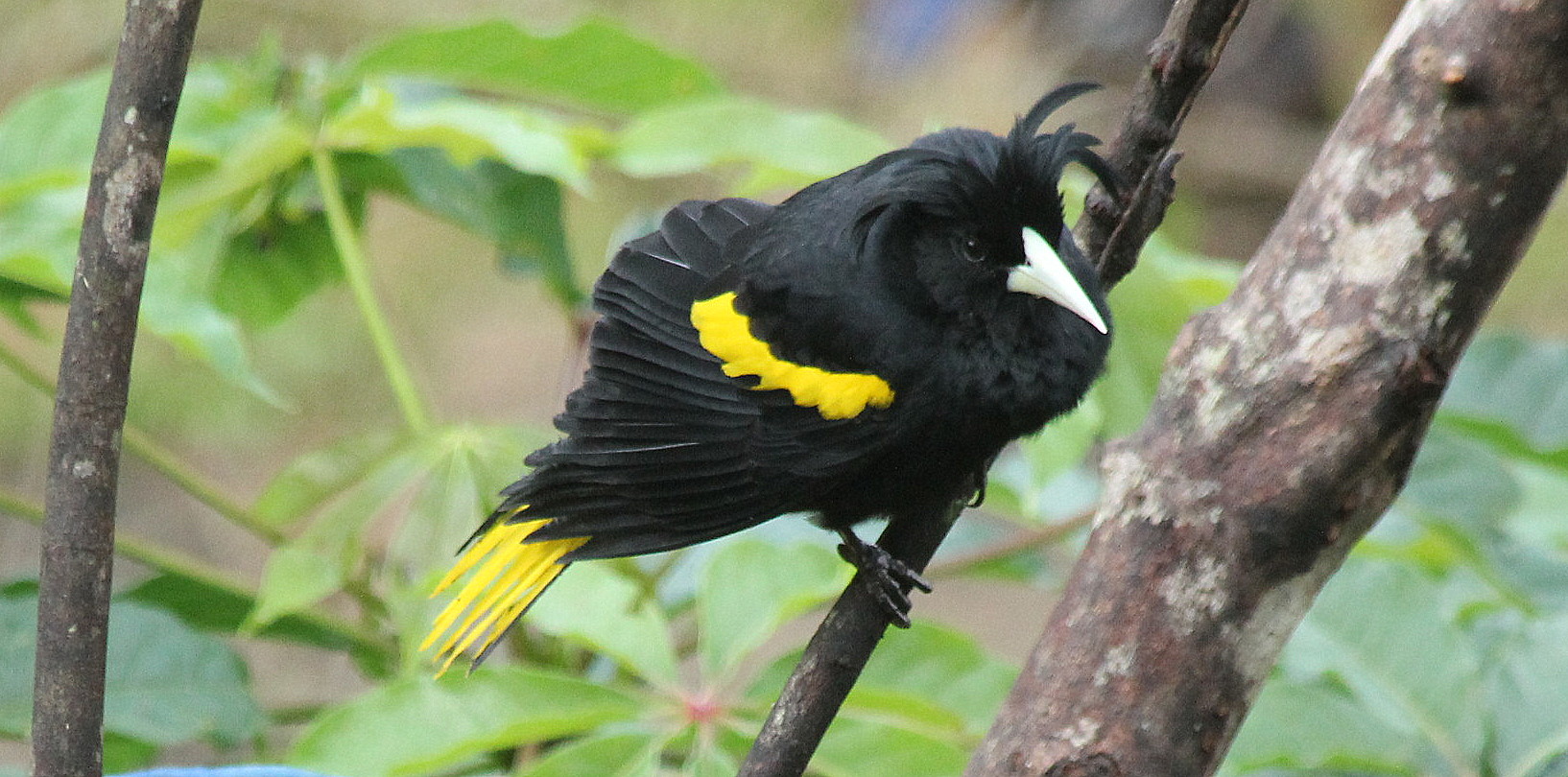
Bird of the Day: Yellow-winged Cacique
Dreamscapes

The Story Behind a Dream Shot – The Bird-of-Paradise Sunrise -A Greater Bird-of-Paradise (Paradisaea apoda) male greets the sunrise from his tree top display perch in the Aru Islands, Indonesia.
It shouldn’t seem surprising that the videos of such charismatic creatures have gone viral. But the study and associated film, book and lecture series seem to pack a similarly powerful punch.
Click the photo above to read about more about the million views and Tim Laman’s amazing stories.
From Behind the Wheel: Fit For A King
Beauty Of Kerala – Araca Nut Plantations
India is the largest producer of Araca nut and at the same time the largest consumer. The nut, popularly known as supari,Ā is extensively used during religious practices. Kerala produces about 30 percent ofĀ India’s total production. Continue reading
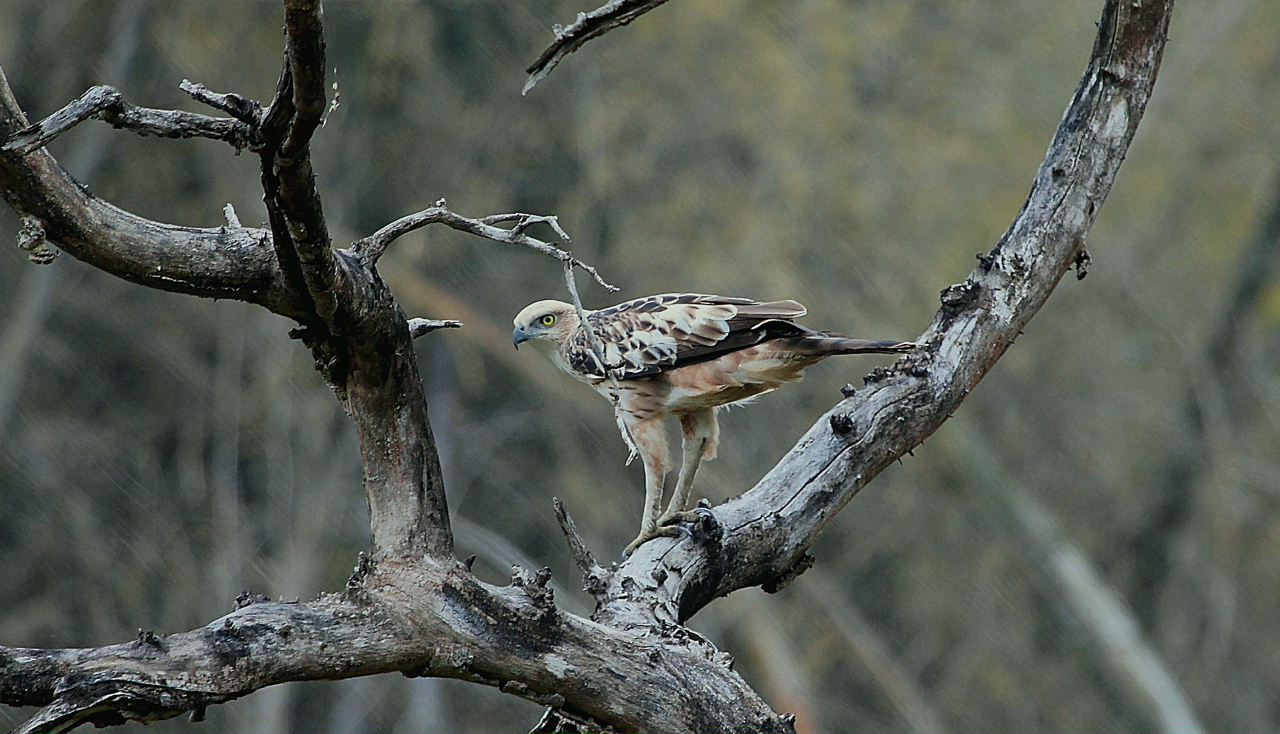
Bird of the Day: Changeable Hawk Eagle – Juvenile (Bandipur National Park, Karnataka)
Gorillas In His Midst
Yale Environment 360 has an excellent story on the various animals in this protected area, including the warden and those he is committed to protecting, but also the beasts who prey on those wards. Supporting national parks, wherever they may be and at whatever risk, has never been more critical:
The Perils and Rewards ofĀ Protecting Congoās Gorillas
Virunga National Park, home to one of the last remaining populations of mountain gorillas, has witnessed years of war and civil strife. In an interview with Yale Environment 360, the parkās warden describes the lethal threats faced by his rangers and the remarkable survival of the parkās gorillas. Continue reading
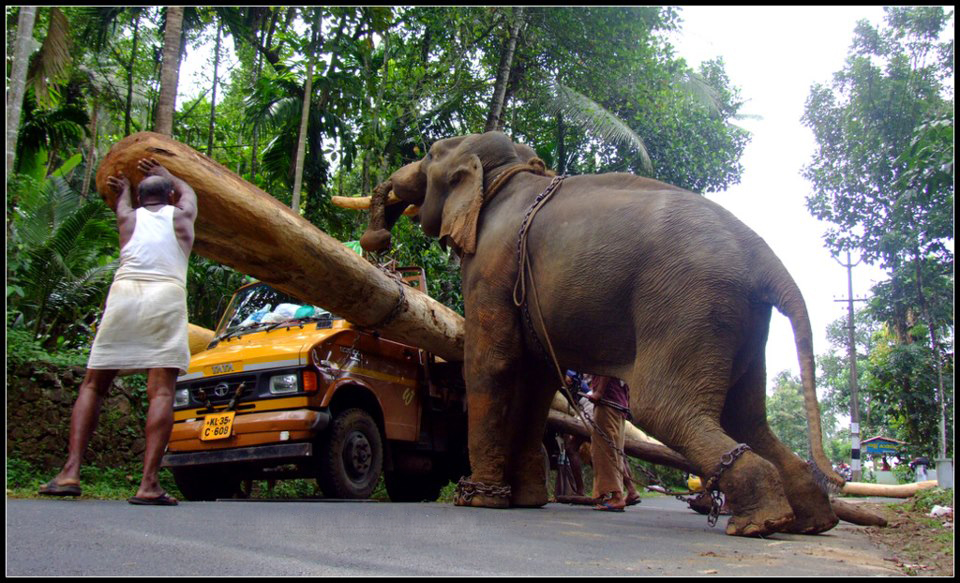
Elephants At Work
Kerala has about 700 domesticated elephants. Of these 90 percent are tuskers (the local term for male elephants), who play a major role in religious festivals. Apart from their role in temple ritual, the elephant’s strength and power has been effectively harnessed in work in the logging industry, primarily in loading timber for transport. This is unique to this region. Continue reading
Cleantech Solving Basic Needs In India
Continuing a topic covered recently in MIT’s Technology Review–namely the use of alternative energy to solve some basic needs in India’s rural areas–today’s Green Blog covers another innovation:
Milk? Garbage. Spinach? Garbage. Leftover Thai takeout? Garbage. For millions in the Northeast, clearing out the fridge after days without power was just one more unsavory chore that was part of the cleanup process afterĀ Hurricane SandyĀ passed through.
But in the developing world, throwing out food because of inadequate refrigeration isnāt just annoying, itās a devastating and irreparable economic blow that keeps farmers trapped at the level of subsistence and threatens food security. In India, the government estimates that anywhere from 30 to 40 percent of food spoils long before it finds its way to the table. Continue reading