Kuttichathan Theyyam

Photo credits: Ramesh Kidangoor

Theyyam is a synthesis of tribal, Dravidian and Aryan cultural practices. It seems as if Northern Kerala believed that the Indian pantheon of 33 crores (330 million) Gods was not a large enough contingent, they added ancestors and heroes to the list and gave them a special space in the Theyyam rituals. Continue reading →

For Valentine’s Day 2013 Skip Roses, Get Greener

This slideshow requires JavaScript.

If these are not available where you live, try a homecrafted version of the same using this organization’s schematic plans:

What Is A Windowfarm?

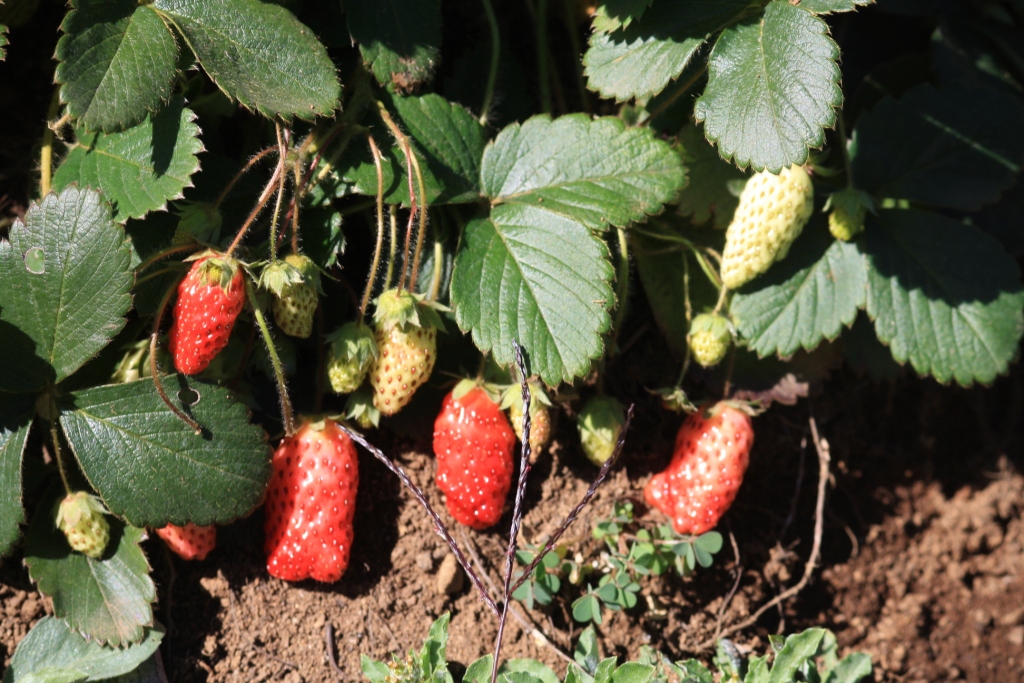
A Windowfarm is a vertical, indoor garden that allows for year-round growing in almost any window. It lets plants use natural window light, the climate control of your living space, and organic “liquid soil.”

In the hydroponic system, nutrient-spiked water is pumped up from a reservoir at the base of the system and trickles down from bottle to bottle, bathing the roots along the way. Water and nutrients that are not absorbed collect in the reservoir and will be pumped through again at the next interval. Continue reading →

Katrina, Come To Kerala!

Thanks to this book review in the New York Times we see Katrina in a light similar to that of several other remarkable people we have strongly urged to visit our neck of the woods.  Katrina’s work is illustrated above and in these images from her website.

This slideshow requires JavaScript.

From the description of her new book we would find some of this work challenging (as anatomical renderings can sometimes be), but from an artistic, craft/technical and scientific point of view, phenomenal:

There is more to a bird than simply feathers. And just because birds evolved from a single flying ancestor, doesn’t mean they are structurally all the same. With over 300 stunning drawings representing 200 species, The Unfeathered Bird is the most richly illustrated book on bird anatomy ever produced and offers a refreshingly original insight into what goes on beneath the surface. Continue reading →

Fresh Flower Garlands

Photo credits: Ramesh Kidangoor

Flower Garlands play an important role in the culture and traditions of India, crossing all religious and economic lines. Garlands are used for all ceremonies and welcome rituals: weddings, birthdays, offerings to Temples and blessings, now not exclusively for Hindus. Continue reading →

If You Happen To Be In Brooklyn

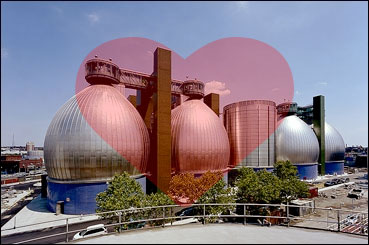
Your public servants are hard at work, innovating at the intersection of waste, love and water.  Make a Valentine’s Day reservation with your romantic counterpart to visit this spot in the Greenpoint section of Brooklyn, as per the press release:

Department of Environmental Protection Announces Second Annual Valentine’s Day Tours of the Newtown Creek Wastewater Treatment Plant

For Those Seeking an Alternative Valentine’s Day Experience, a Tour of the Greenpoint Plant Will Both Educate Visitors on the Essential Wastewater Treatment Process and Provide Breathtaking Views of the City from Atop the Famous Digester Eggs

Continue reading →

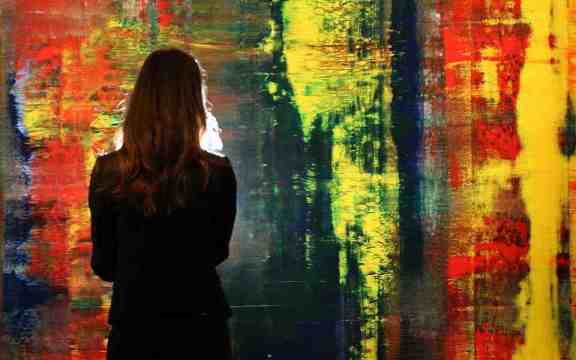
Engaged In The Temple Of Abstraction

Searching for the truly authentic image: Gerhard Richter’s paintings invite a deep engagement. Abstraktes Bild 809-4. Photo by Peter Macdiarmid/Getty Images

We are finding more reasons to pay attention to this publication each time we dig deeper into it. This artist, his art form, this writer, and the intersection of these ideas are all worth the 30-40 minutes this article grips your attention for:

I was in my teens when I first started to really look at paintings. Although I didn’t just look, I bathed in them, and I was perpetually teased by my friends for the tremendous length of time it took me to navigate an art gallery. This pleasure of looking and of being completely absorbed in painting has remained constant; whether ancient or modern, figurative or abstract, and whatever the style, I am prepared to give every work the chance to lure me in.

What is so compelling? When art was an adjunct of religion, its power was clear. But from the Renaissance on, painting, at least in the Western tradition, has preoccupied itself as intensely with secular as with overtly religious subject matter, or else with no subject at all. Continue reading →

Recommissioning, Stronger Attention To Our Oceans

This slideshow requires JavaScript.

Folks we respect and admire, not retiring nor shrinking from the challenges, but rethinking what’s next, state their case here on opening day:

‘Outstanding opportunity for change’ – Global Ocean Commission launches

The Global Ocean Commission, an independent body of international leaders, launches today (12th February) with the aim of reversing degradation of the ocean and restoring it to full health and productivity.

Chaired by former Costa Rican President José María Figueres, South African cabinet minister Trevor Manuel and former UK Foreign Secretary David Miliband MP, the Commission brings together senior political figures including former Heads of State, Foreign Ministers and Finance Ministers from around the world, alongside business leaders and development specialists. Continue reading →

Changing Business Models

hikers on a mountain

Patagonia’s connection to the wilderness has a big impact on the company’s approach to environmental issues, says Vincent Stanley, vice-president of marketing at Patagonia. Photograph: Daniel Garcia/AFP/Getty Images

From the Guardian‘s Sustainable Business blog:

Patagonia plans global campaign for responsible capitalism

The outdoor clothing and equipment company says we need to develop very different measures of success if we are to prevent environmental collapse

In the true spirit of adventure, mountaineering and surfing company Patagonia reaches one summit and immediately searches for an even tougher peak to climb.

Fresh from taking a pot shot at our consumerist society with its challenging “don’t buy this jacket” advertising campaign, Patagonia now has the whole capitalist system in its crosshairs. Continue reading →

Bicycle Information & Chitchat, UK Edition

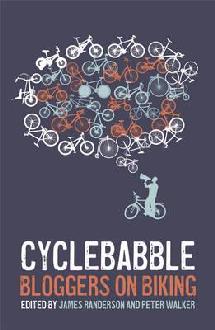
We are not in the business of selling books nor promoting purchases at any particular outlet, but we do have a thing for bicycles.  More would be good.  Better regulations would be too.  Safety rules that everyone follows, check.  A book that covers these and other topics? Yes.  Will zany be more effective than serious-wonky?  Judge for yourself. Only certain island nations can pull off this sort of thing:

‘Cycling is the King of A to B. Whatever our differences, we love one another: Lycra mankini or tweed trousers tucked into your sock? Traffic lights – a suggestion or an order? Racer or hybrid, helmet or commando, freewheel or fixie? Nothing sours the bond.’ Zoe Williams Continue reading →

Paddy Field – Kuttanad, Alappuzha

Photo credits: Ramesh Kidangoor

With its abundant paddy, Kuttanad has been termed the “Rice Bowl of Kerala”. Kuttanad is a large area made up of land from the three adjoining districts of Alappuzha, Kollam and Kottayam. Most of Kuttanad consists of paddy fields that spill out into vast stretches inland from the backwaters. Heavy monsoon rains bring top soil and minerals from the high ranges of the Western Ghats, depositing them in the low-lying Kuttanad region in a periodic replenishment that keeps the soil fertile.

Continue reading →

Taking The Geek Out Of Greek

We have already sung Stephen Greenblatt‘s praises several times, but why stop there? He has done something remarkable, making classicism classy:

Glories of Classicism

FEBRUARY 21, 2013

Stephen Greenblatt and Joseph Leo Koerner

The Classical Tradition

edited by Anthony Grafton, Glenn W. Most, and Salvatore Settis Belknap Press/ Harvard University Press, 1,067 pp., $49.95

Over a thousand pages in length, with some five hundred articles surveying the survival, transmission, and reception of the cultures of Greek and Roman antiquity, The Classical Tradition is a low-cost Wunderkammer, a vast cabinet of curiosities. Take the entry on the asterisk: you learn that this ubiquitous critical sign, named from the Greek for “small star,” originated in Ptolemaic Alexandria, where the great textual scholar Aristophanes of Byzantium and his student Aristarchus of Samothrace used them to mark repeated lines in the Iliad and Odyssey.

Continue reading →

A Few Etruscan Tombs

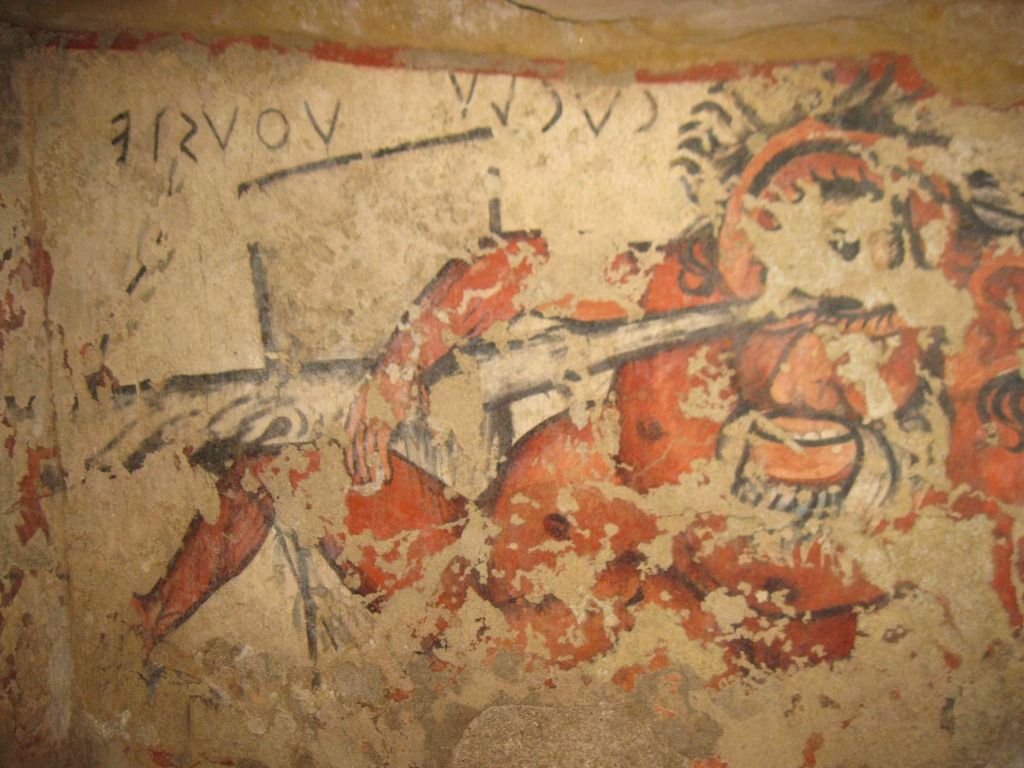
Polyphemus the Cyclops (Tomb of Orcus)

The Etruscans are, for all their great cultural influence on the Romans, a  poorly understood people. We know they once dominated northern Italy and much of its western coast and that they interacted extensively with not only the Romans but also many other native Italic tribes in the 1st milennium BC. Some of this contact is reflected linguistically: the modern English word “person,” deriving from Latin persona, entered the Latin language from Etruscan phersu Continue reading →