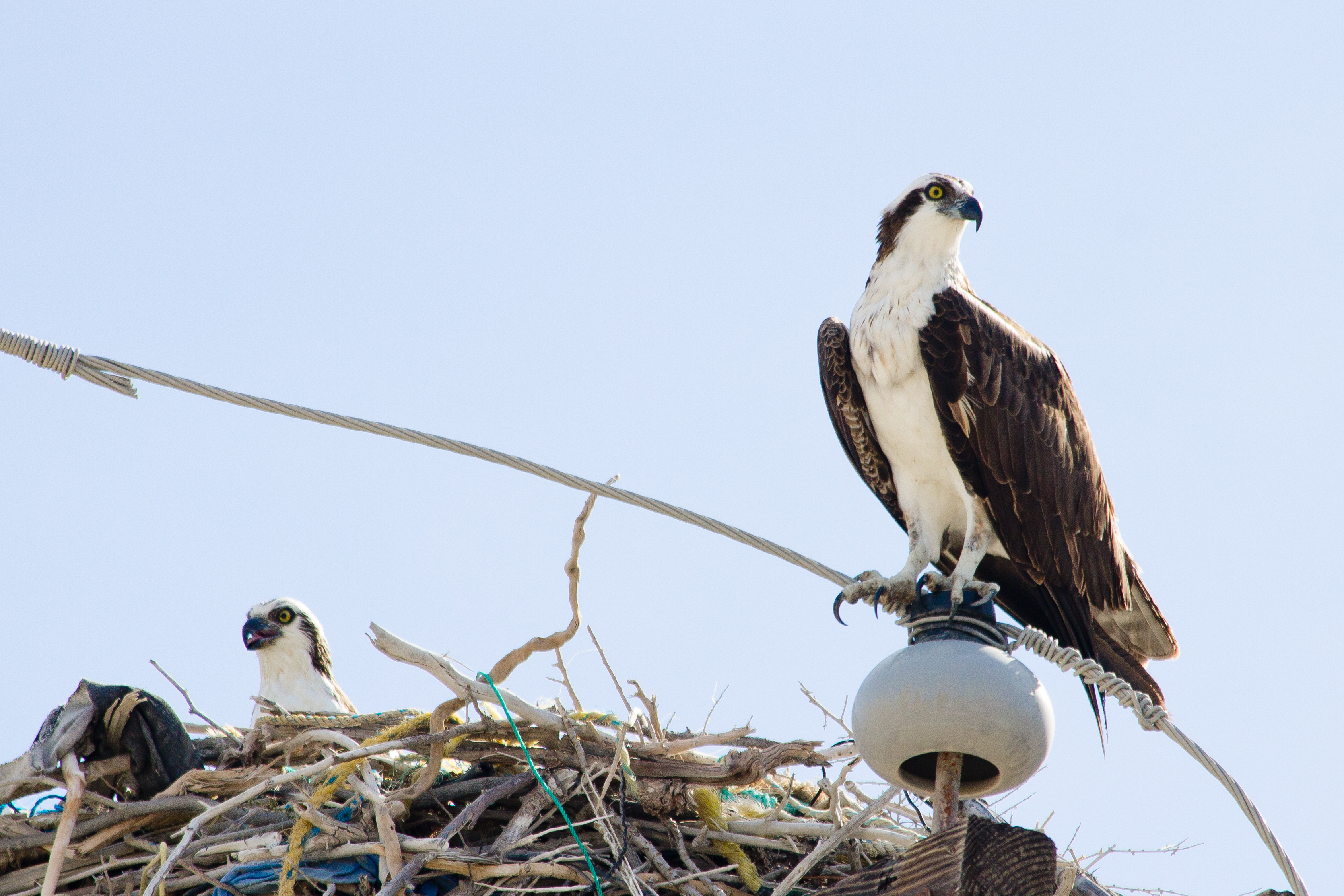
Baja California Sur, Mexico
Baja California Sur, Mexico

The Fishtail Palm is an attractive flowering plant with fishtail shaped leaves that grows in the tropical rain forest from India to Burma. In Kerala the tree is tapped for the local kallu (toddy) and the leaves are also a favorite fodder for elephants. Continue reading

In a story first run in the Wall Street Journal, and picked up by this fantastic cleantech news aggregator, surprising news about the pace of decrease in demand for the automobile in Europe:
Increased environmental awareness does encourage some people to drive less, and travel by foot, bicycle, or public transit more often.
In 2007, 16 million cars were registered in the European Union, however, that many registrations is unlikely to happen again, and may instead drop down to 11 million registrations, which is equivalent to that of 1993 before the number of registrations stabilizes.
Read the whole story here.

Ted Aljibe/AFP/Getty Images
It wouldn’t be the first time that we’ve written about the “Columbian Exchange” on this site. So many of the foods now considered synonymous with “Old World” or “Asian” cuisines are actually endemic to the Americas, and according to NPR’s The Salt “anthropologists think that a few foods made the 5,000-mile trek across the Pacific Ocean long before Columbus landed in the New World.”
Sweet potatoes originated in Central and South America. But archaeologists have found prehistoric remnants of sweet potato in Polynesia from about A.D. 1000 to A.D. 1100, according to radiocarbon dating. They’ve hypothesized that those ancient samples came from the western coast of South America. Among the clues: One Polynesian word for sweet potato — “kuumala” — resembles “kumara,” or “cumal,” the words for the vegetable in Quechua, a language spoken by Andean natives.
But until now, there was little genetic proof for this theory of how the tater traveled. Continue reading

Those of us living nomadic lives, moving from one set of responsibilities (or lack thereof) to another set in a different context, are often living by a compass we cannot quite figure out. A frequent first greeting in India, upon seeing someone who is clearly not from India, tends to be a variation on the question of where were you born. “Where do you stay?” (i.e. where is your residence at this moment) is the follow up to wondering where you are from. “Where are you going?” is rarely of concern. It seems understood by all that there may be no return to the place of birth, or the place where you stayed before, or other familiar places.
A new book surveys the animal kingdom for some remarkable examples of other creatures’ compasses. What about that cat that found its way 200 miles from an unknown location to the place where it normally lived? A review of the book in The Times Literary Supplement begins:
Curlews wing 6,000 miles, non-stop, along invisible bird-flying lanes in the sky as they travel from the South Pacific to Alaska. Spiny lobster crawl, one after the other, antennae to tail, for 30 miles along the ocean floor. Idaho salmon travel 900 miles and ascend 7,000 feet in elevation as they seek – and find – the tiny creek in which they hatched. Continue reading

Lalbagh Botonical Gardens, Bangalore
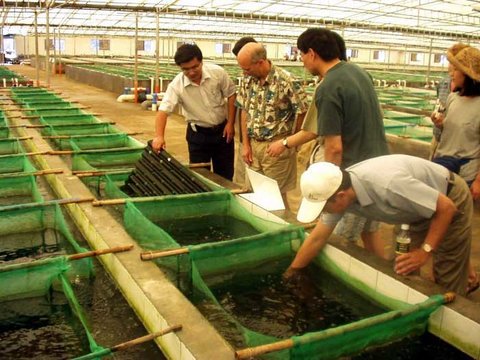
The New York Times reports on farmed fish:
Sometime this year, we will quietly pass a milestone in human history: the majority of the fish we eat will be farm-raised rather than wild-caught. Continue reading

Wordplay sometimes distracts or diverts attention, on purpose, for the sake of levity. Other times, such as punning in headlines, the opposite occurs and attention is drawn to something that might otherwise have been ignored or missed. The history of the pun is not as ignoble as an English major might have thought according to this story in the BBC Magazine (click the image above to go to the story):
…”Arrant puns” were the subject of attacks by the likes of Joseph Addison, 18th Century London’s pre-eminent literary tastemaker. He decried them as debased witticisms and exulted that they had been “banished out of the learned world”. Continue reading
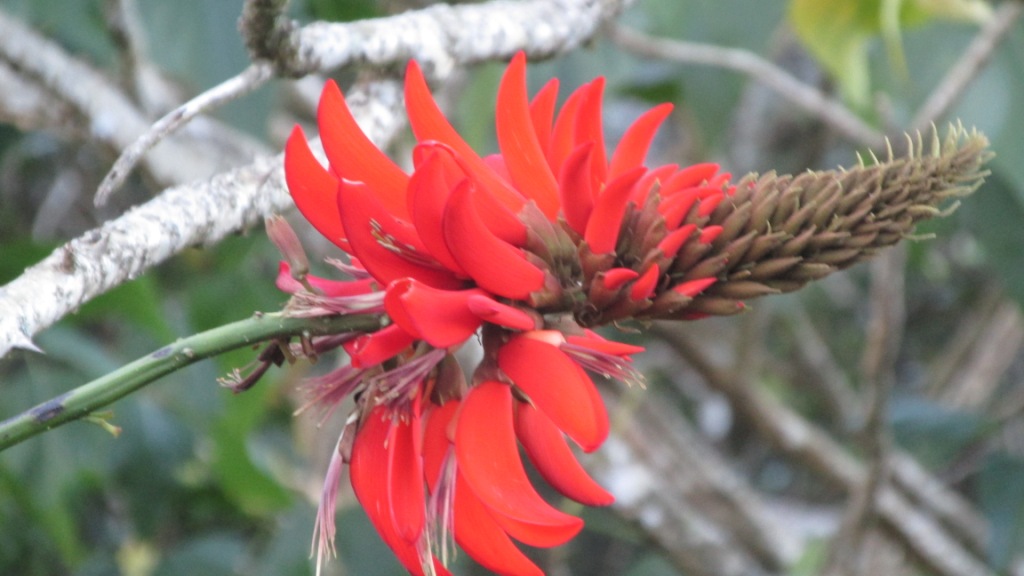
The Indian Coral Tree is native to tropical and sub-tropical regions of the Indian sub-continent, They are found widely in the Western Ghats, blooming during January to March. Continue reading
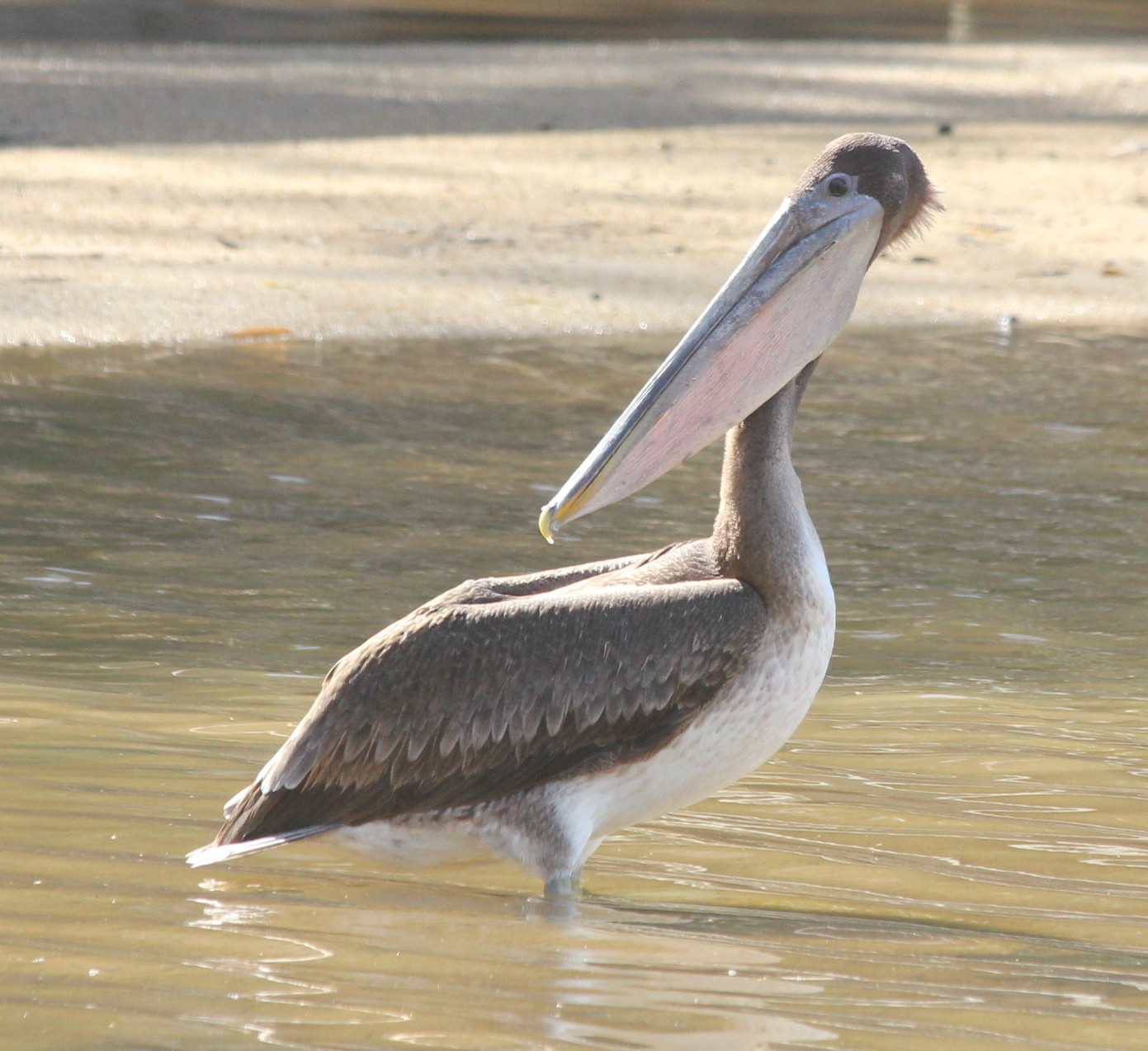
Yelapa, Mexico

Photo credit: Ramesh Kidangoor, near Madurai

Photo credits: Ramesh Kidangoor
Kumbakonam (translated roughly from “Jug’s Corner”) is one of the oldest towns in the state of Tamil Nadu. It has unique position in Hindu myth as containing the only temple for Lord Brahma due to the legend that he filled a clay pot with the seed of all living beings on earth. Continue reading
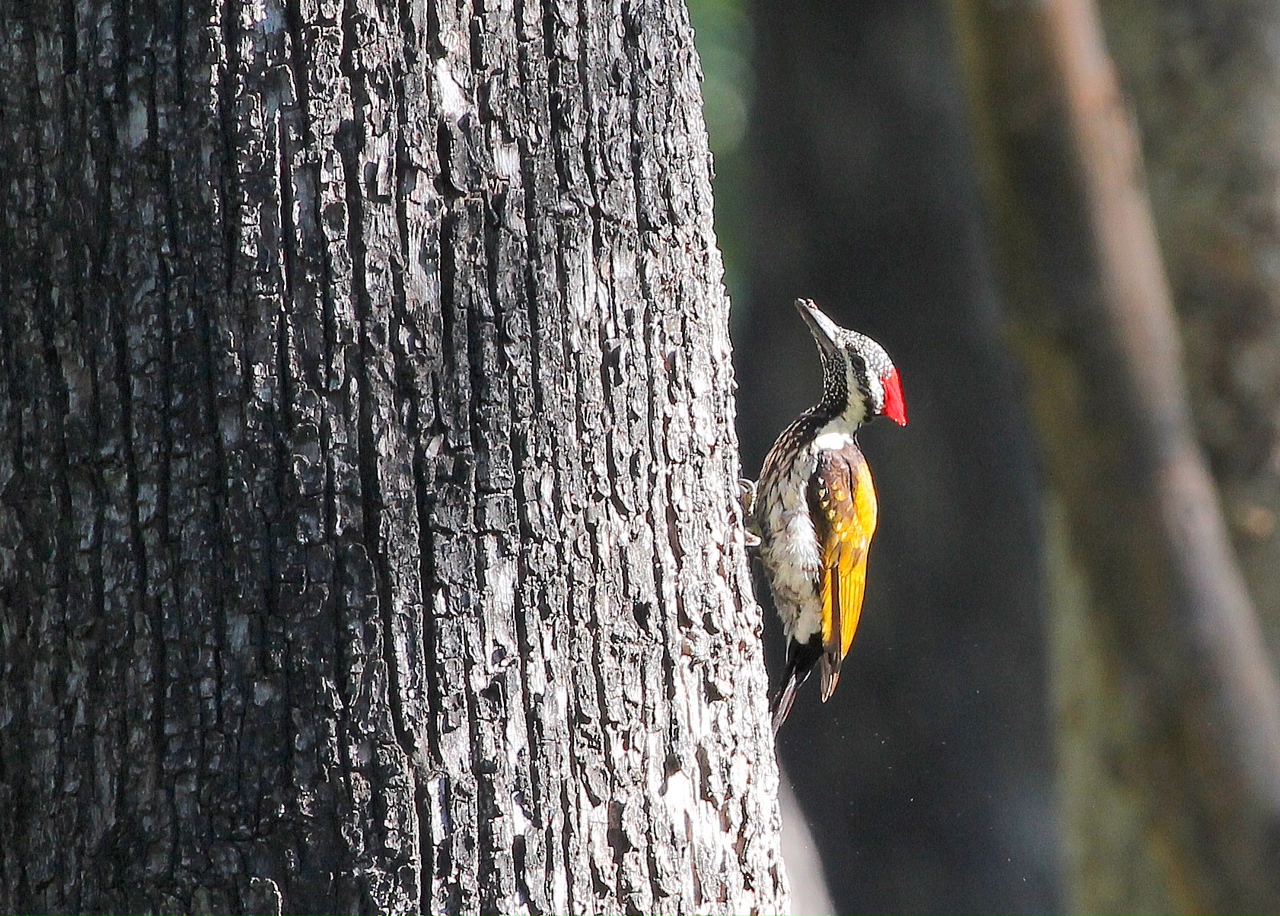
Nagarhole National Park, Karnataka

Justin Gillis/The New York Times. Alessio Rovere, a Columbia University researcher, examined an ancient shoreline deposit in Cape Agulhas, South Africa. Dunes moving inland ahead of a rising sea are believed to have buried trees at the site, with the decaying trunks producing the unusual features at center.
Thanks to Green Blog for linking to this article in the New York Times Science section on Tuesday:
In my article in Tuesday’s Science Times about the risks of long-term sea level rise, and in an accompanying podcast, I reported on the link between past instances of global warming, caused by natural fluctuations in the climate, and higher shorelines. Continue reading

Photo credits: Ramesh Kidangoor
In Kerala almost every church in every village has an annual celebration called Perunnal. All members of each church participate in a festive procession during this community event.
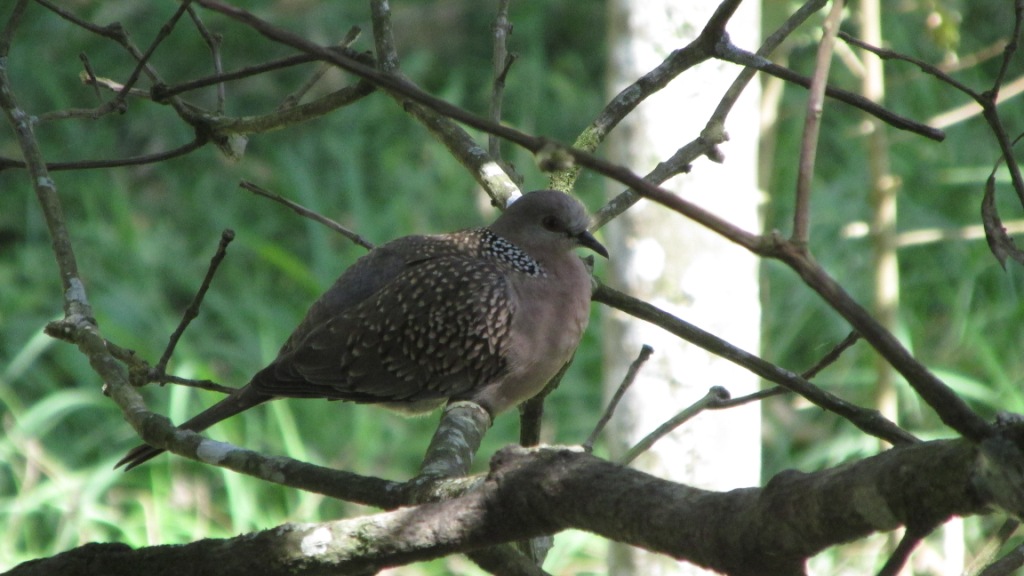
Kumily, Kerala

Recent research shows an excess of strengthening sugar molecules in the willows’ stems, which attempt to straighten the plant upwards in the presence of windy conditions. These high-energy sugars are fermented into biofuels.
Click the image to the right to go to the surprisingly accessible article from an otherwise engineer-oriented publication:
Willow trees cultivated for green energy can yield up to five times more biofuel if they grow diagonally, compared with those that are allowed to grow naturally up towards the sky.
This effect had been observed in the wild and in plantations around the UK, but scientists were previously unable to explain why some willows produced more biofuel than others.Now British researchers have identified a genetic trait that causes this effect and is activated in some trees when they sense they are at an angle, such as where they are blown sideways in windy conditions.
The effect creates an excess of strengthening sugar molecules in the willows’ stems, which attempt to straighten the plant upwards. These high-energy sugars are fermented into biofuels when the trees are harvested in a process that currently needs to be more efficient before it can rival the production of fossil fuels. Continue reading

Fernández Anaya helps Mutai toward the line / CALLEJA (DIARIO DE NAVARRA
On the rare occasion that we highlight a sporting event, the reason for doing so in this case is simple: we have been on the lookout for acts of goodness, random or otherwise, since starting this site. This is as random as it gets:
…Spanish athlete Iván Fernández Anaya was competing in a cross-country race in Burlada, Navarre. He was running second, some distance behind race leader Abel Mutai – bronze medalist in the 3,000-meter steeplechase at the London Olympics. Continue reading
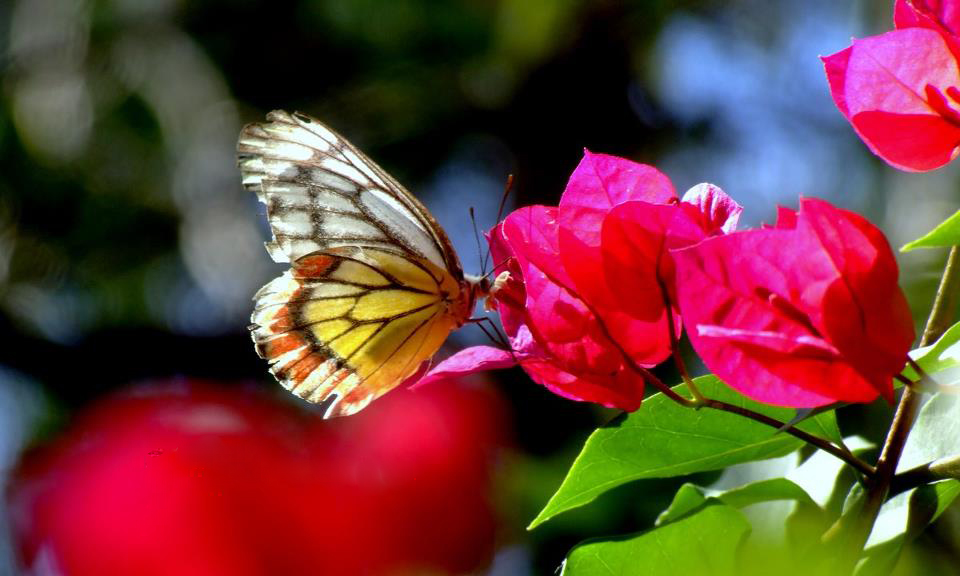
Photo credit: Ramesh Kidangoor
The Painted Sawtooth is a rare butterfly seen in Kerala’s forest settings only during January – April. The males fly extremely fast and have reddish orange spots on the back side of their wings.
 Organikos