
Ghats Road, Idukki District
Ghats Road, Idukki District

‘One of those once-in-a-decade projects’: the mile-long High Line linear park in Manhattan. Photograph: Andria Patino/ Alamy
We have written about it more than once, but here is an article quoting one of the architects of this public space on the relatively low expectations for success when it was first being designed and proposed:
The High Line, the mile-long park created on an old elevated railway in Manhattan, is one of those once-in-a-decade projects that, like the 1990s Guggenheim in Bilbao, both captures the imagination of the world and offers limitless inspiration to plagiarists. There are wannabe High Lines mooted for Calabria, Singapore, Jerusalem and Shenzhen, and in any number of American cities. Continue reading

Scott Green/Focus Features.
Matt Damon stars in “Promised Land,” directed by Gus Van Sant.
From Green Blog, a suggestion first to read the review of, then listen the actor/director conversation about, a new film related to the most controversial of the alternatives to old school fossil fuels:
Writing in The Times, A.O. Scott praises “Promised Land,” Gus Van Sant’s new film about the battle over fracking, as a film that “works,” mainly “by putting character ahead of story” and “inviting the actors to be warm, funny and prickly.” Continue reading

Photo Credit: Michael Tiemann
Periyar Tiger Reserve, Kerala

According to beliefs respected by much of the world’s population for the last several thousand years, there is a divine command to honor intergenerational commitments, aka “thy father and thy mother” in King James diction. The linked multi-media honoring of one author and illustrator of a previous generation, by an author and illustrator of our own generation, serves as a reminder of that command and its application beyond direct family. We close out this calendar year–just another random date, really, but we will mark it with extra respect–taking the opportunity to honor all those before us who have shined a light on our path forward.
(spoiler alert: the linked video has reference to aging, death, atheism and other challenging notions, but in the hands of Christoph Niemann all’s well that ends well)
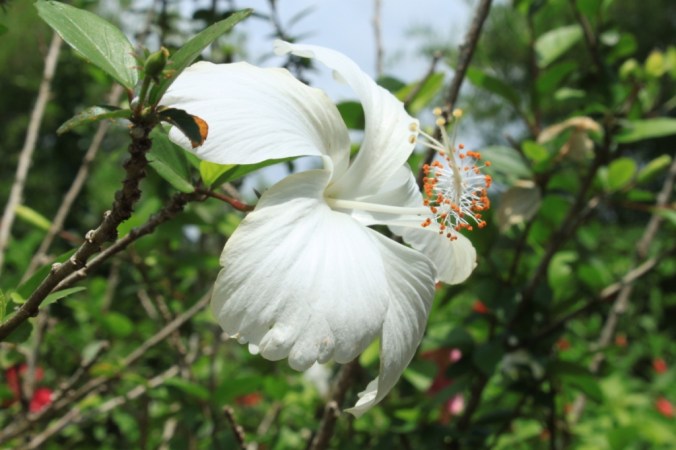
White Hibiscus is an ornamental flower commonly growing in the hill ranges of Kerala. In Ayurveda medicine white hibiscus root is used for cough and hair growth. The flower and leaf is also used as shampoo and conditioner.

The National Trust is against plans for a golf course at the edge of the Giant’s Causeway in Northern Ireland. Photograph: Paul Faith/PA
We have the occasional urge to just say no, site unseen. Anything with the name Trump attached, especially if involving golf and Scotland, is generally a good candidate. This is another one:
Conflict is synonymous with the Giant’s Causeway. Children in Northern Ireland are weaned on the legend of how its rugged landscape was formed when the giant Finn MacCool confronted his Scottish rival, Fingal, by hurling rocks into the sea.
A more prosaic, but no less violent, explanation for the causeway’s genesis attributes the creation of its 39,000 hexagonal, basalt stones to a series of volcanic eruptions 60m years ago. Continue reading


From free-range eggs to green energy, sales of ethical products and services are bucking the economic trend. Photograph: Daniel Berehulak/Getty Images
Some unusual news in tough times, about consumers spending more even when they have less, if the product speaks good:
Sales of ethical goods and services have increased despite the recession, growing to more than £47bn last year.
Since the onset of the economic downturn five years ago, the value of ethical markets from Fairtrade products and green energy to free-range and sustainable food has grown from £35.5bn to £47.2bn, according to a report produced by the Co-operative Bank.
The annual ethical consumer markets report shows that sales in the sector have grown from £13.5bn in 1999. Continue reading
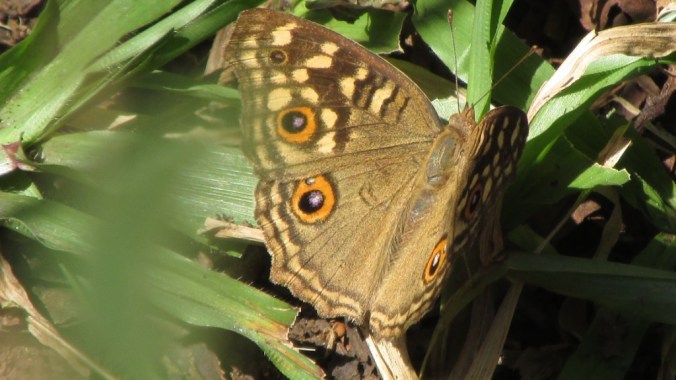
The Lemon Pansy Butterfly is among the many species commonly seen in and around the open forest and grass lands of the Periyar Tiger Reserve.
Continue reading

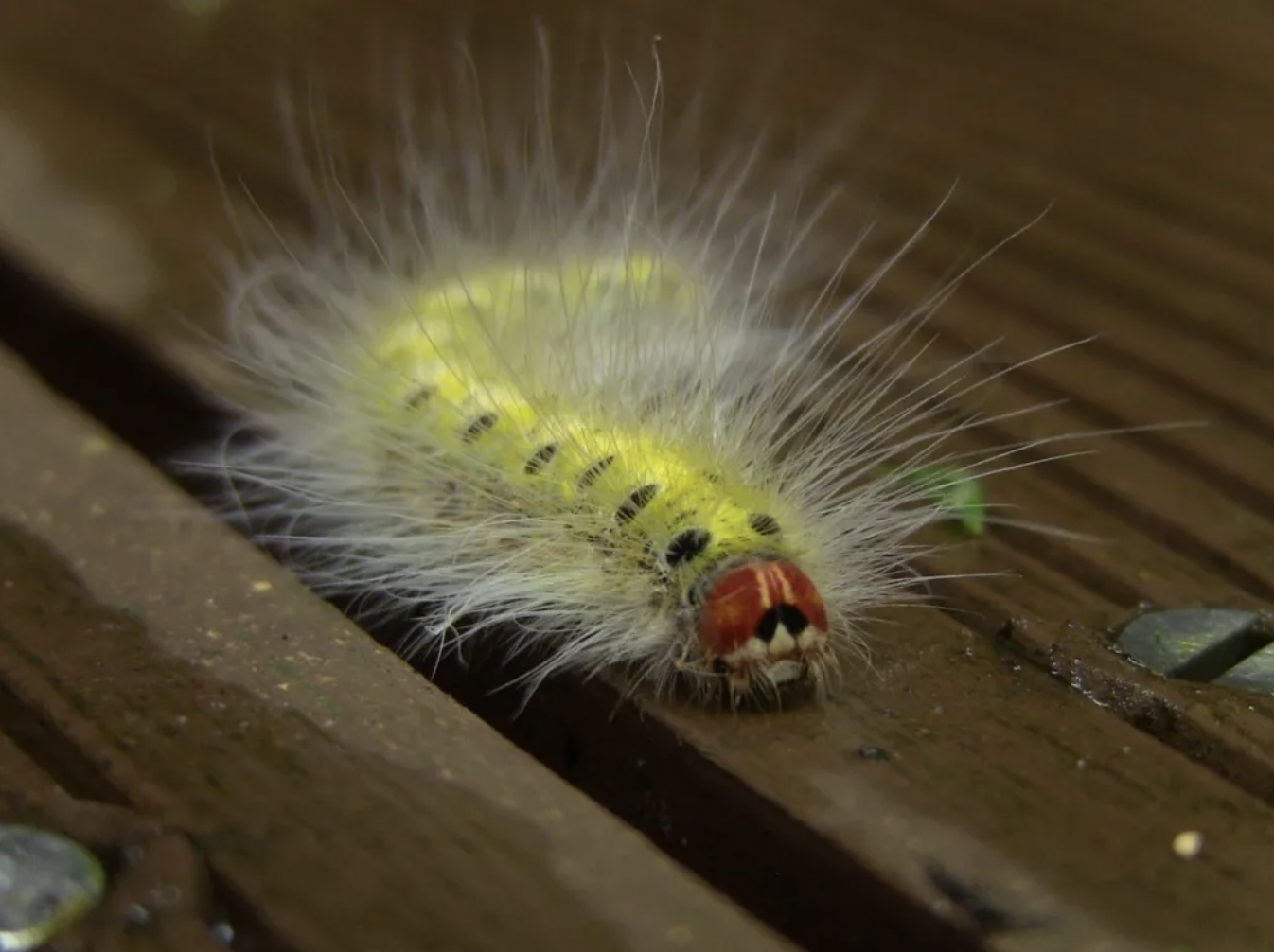
Photo by Milo Inman, India
During my last post I mentioned this agricultural strategy in passing, and I’m actually fairly surprised that the topic hasn’t come up anywhere on the blog before. After all, IPM is an increasingly effective and interdisciplinary way to curb economic losses in crops around the world, and one that often attempts to reduce reliance on environmentally unfriendly chemicals like pesticides.
Completely eliminating an agricultural pest is not the ultimate goal of IPM. In fact, due to ecological intricacies and the risks of removing certain species from an ecosystem, merely lowering the number of pests to numbers that do not cause significant economic damage is more advisable. Achieving this reduction in pest populations “requires an understanding of the ecology of the cropping system, including that of the pests, their natural enemies, and the surrounding environment,” according to Professor Anthony Shelton of the Entomology Department at Cornell University. For example, knowing that a certain pest caterpillar species has certain predator species, a farmer might introduce some of the natural predators into his crop to prey on the harmful caterpillars. If the farmer also physically removes the caterpillars by hand and the pest population dwindles to zero, the natural predators might turn to a beneficial insect, like a pollinator, or even attack the crop itself. This is a very vague and hypothetical example but one that reflects the need to understand causes and effects in an ecosystem if one is planning to employ IPM effectively.

British Sea Shepherd volunteer Natalie Fox. Photograph: Sea Shepherd
Her leader has many admirers among our ranks, but without Natalie and others screaming for justice, the whales would not survive the fury of the fleet from Japan:
One of Natalie Fox’s most cherished memories is of kayaking just off the coast of America Continue reading
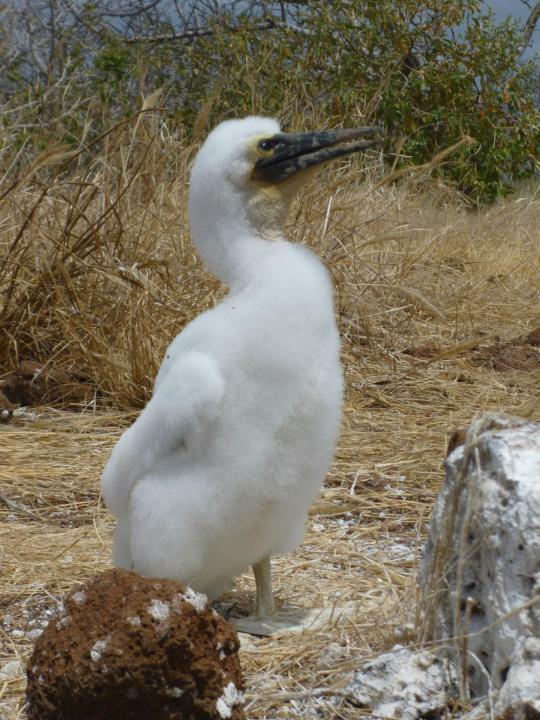
North Seymour Island, Galapagos, Ecuador
These earlier video and book posts about birds of paradise, as documented by the research and photography team from the Cornell Lab of Ornithology and National Geographic, were poignant partly because we have several contributors who work at the Lab. But mainly because those birds are unbelievable. So we of course cannot deny Mr. Attenborough his own spotlight with the same.
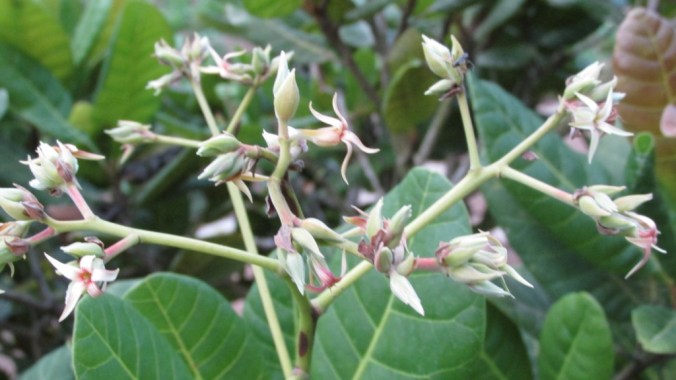
Cashew is an evergreen tree growing in the tropical and sub-tropical regions of the world. Although it is native to the Americas, it is now naturalized in much of Asia and in Kerala the Kollam district is famous for the best quality Cashew Nuts. Continue reading
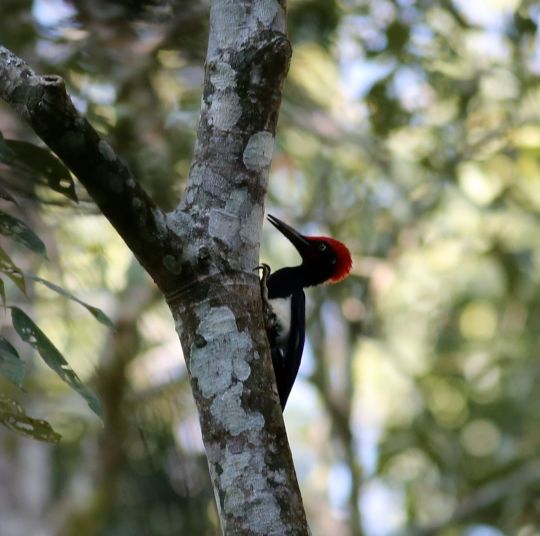
Photo Credit: Michael Tiemann
Male – Periyar Tiger Reserve, Kerala


Photo credit: BU Dining Services
Earlier this week I wrote about an entirely different sort of swamp. This brief post is about a topic much more in tune with the holiday season: cranberries. Grown in bogs with layers of peat, sand, gravel, and clay, cranberries are native to North American wetlands (our readers across the pond will probably know the European variety of the fruit as lingonberries). In the United States they are primarily grown in Massachusetts, New Jersey, Oregon, Washington, and Wisconsin (ordered alphabetically, not by output). Something not many people may know is that these cranberry bogs are cyclically flooded with vast amounts of water every season; some might worry over the constant waste of this precious liquid in areas of major cranberry production, or the contamination of water tables with pesticides and fertilizers common to agricultural use.
But I am about to tell you about some of the advantages cranberry-growers have over other industrial agriculturalists in terms of their water utilization. Why will I share this with you? Well, cranberry sauce features prevalently in the traditions of recent holidays, namely Thanksgiving and Christmas (and was thus probably consumed in an overwhelming majority of American households at least once in the past 60 days), plus my grandparents swear by cranberry juice, but I also recently found out that cranberries–and the water they are flooded with for harvesting–make for excellent art, or sport. What I never would have guessed is that Red Bull would be the one to show me this; just watch the video below:
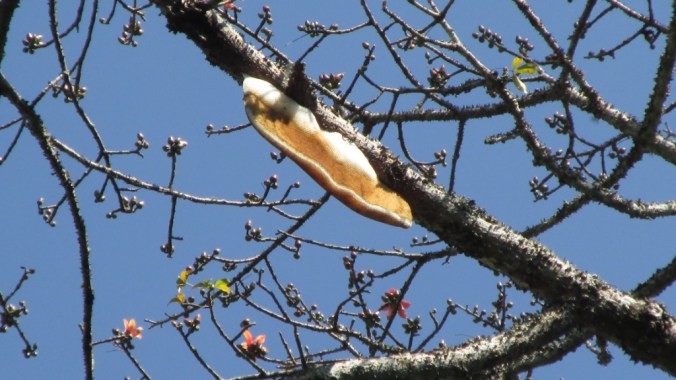
Periyar Tiger Reserve is a unique habitat where nearly 2000 different species of flowering plants exist, including 515 found nowhere else. Butterflies and other uncounted insects live and maintain this wilderness as a natural wonderland. Continue reading

