
From Behind the Wheel: The Communist Point of View

You do not need to be a fan of William Styron to appreciate the letters in this book; you only need to care about the art and craft of writing; so we thank the author’s friends at Paris Review for making these samples available (see below):
“A great book should leave you with many experiences, and slightly exhausted at the end,” explained William Styron in his 1954 Art of Fiction interview. “You live several lives while reading it. Its writer should, too.” Such is the experience in reading Styron’s Selected Letters, edited by Rose Styron and published this week. Alongside major cultural and political events of the latter half of the twentieth century are intimate accounts of family life, depression, writing, frustrations, and friendships.

The Periyar Tiger Reserve is one of India’s most famous wildlife sanctuaries. Periyar was declared a Forest Reserve in the late 19th centuary, a Wildlife Sanctuary in the 1930s and a Tiger Reserve in 1977. This land of emerald vistas, productive grasslands, orchid-studded rain forests, moss-laden trees and dripping ferns provide food and shelter to mammals, including Elephants, Tigers, Dholes, Leopards, and Wild gaur, as well as birds, amphibians and insects.
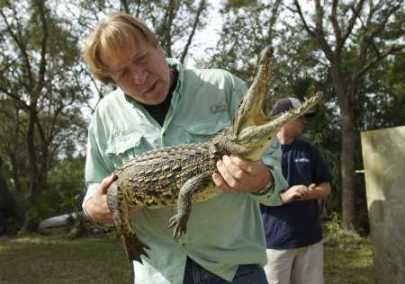
Joe Wasilewski works last month with a Nile crocodile captured near Homestead. The reptile expert says Nile crocodiles “learn that humans are easy targets.”
We do not enjoy reading about, or passing along, such stories. But we must. For shock value. Just not for the sake of entertainment shock value. How and why such creatures find themselves in such locations is a topic we have dedicated at least one post to. Wild creatures belong in the wild, except on rare occasions. In the case below, one wild creature will lose its life as a result of someone’s misguided thoughts to the contrary:
State wildlife officials have given their agents a rare order to shoot to kill in the hunt for a young and potentially dangerous Nile crocodile loose near Miami. Continue reading
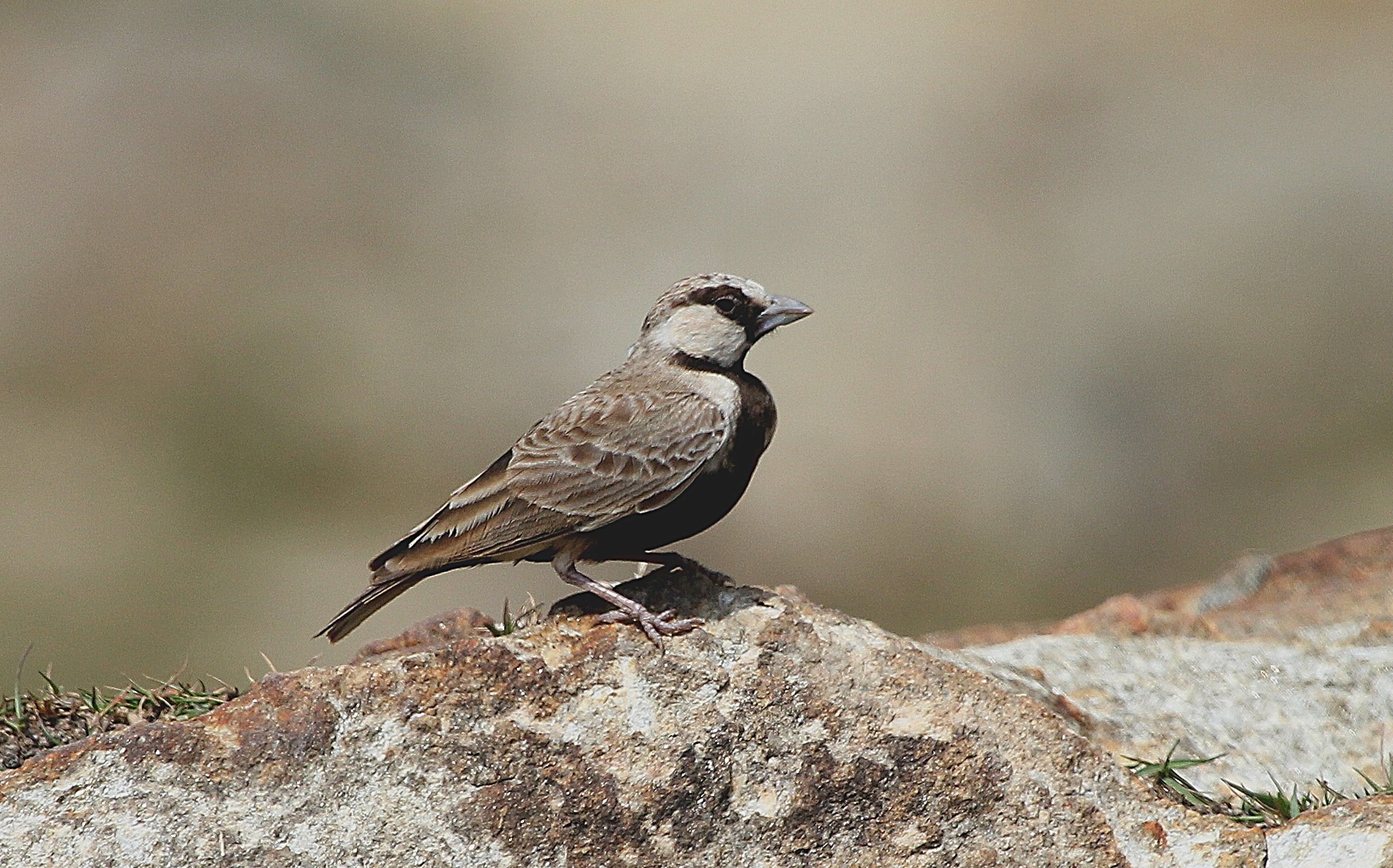
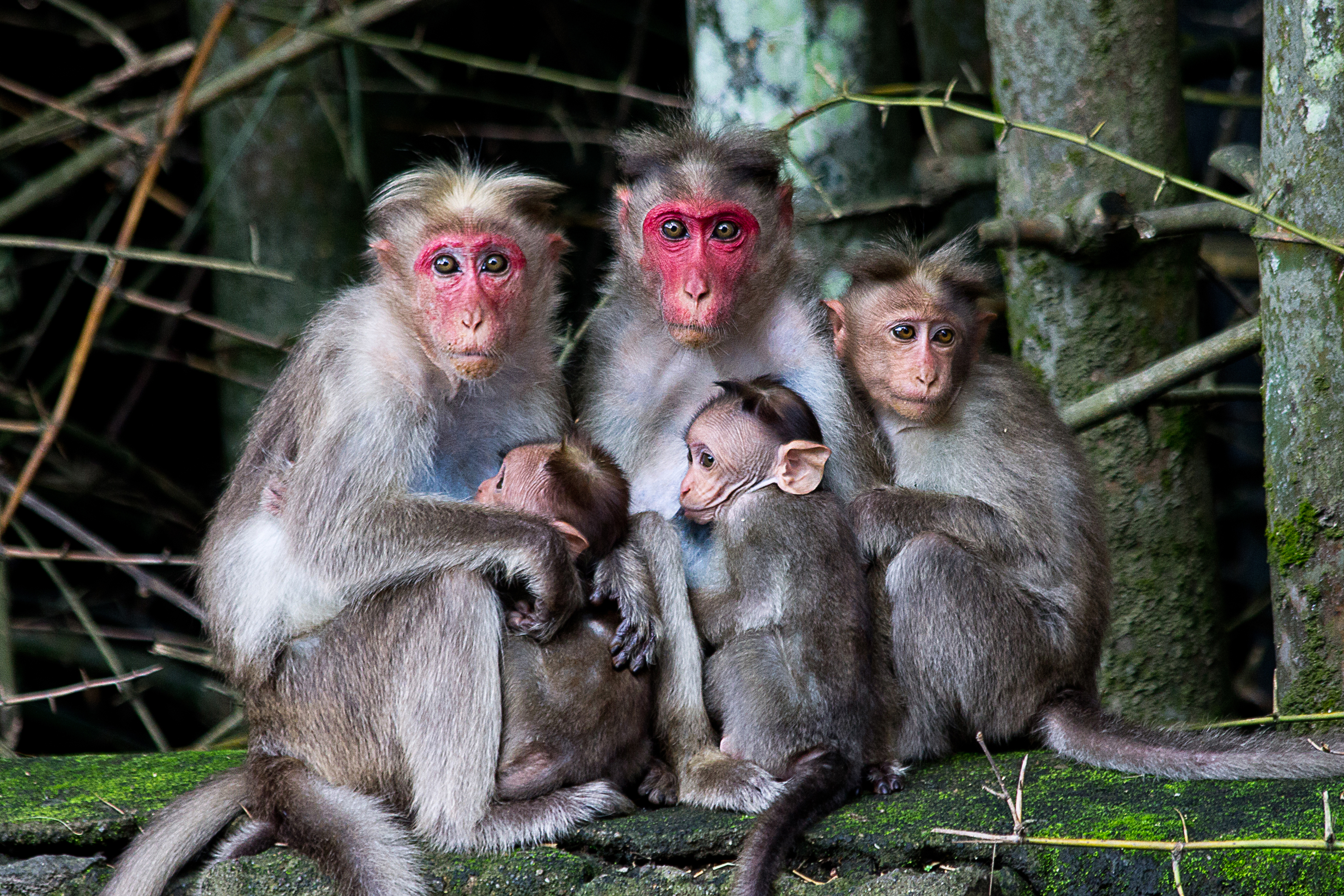
Anyone who has been to Thekkady is familiar with their extroverted nature. They screech and cackle, chase and fight each other in the most public spaces possible, and love to make themselves a nuisance. Bonnet Macaques are ubiquitous, quite probably because of how outgoing and shameless they are – and they seem to like their families big.
 Journalists are trained to investigate and report facts; when the occasion merits, we might want them to advocate. This writer does her reporting and then some. This particular advocacy will be ignored, derided as another “dead on arrival” idea, blah blah blah. But the fiscal cliff will be a picnic compared to the other cliff we are headed toward:
It’s been almost a century since the British economist Arthur Pigou floated the idea that turned his name into an adjective. In “The Economics of Welfare,” published in 1920, Pigou pointed out that private investments often impose costs on other people. Consider this example: A man walks into a bar. Continue reading
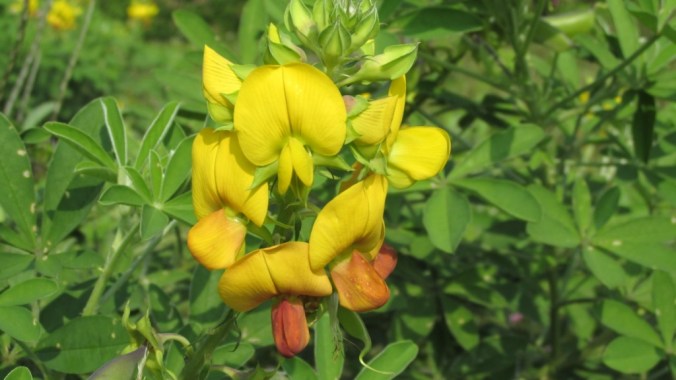
Periyar Tiger Reserve is one of the richest biodiversity pockets in the Western Ghats. Of nearly 4500 known flowering plants in the region, as many as 2000 species have been reported from Periyar itself. One fourth of these species are endemic to Southern Western Ghats.

The screen shot to the right shows the simplicity of the site. Which otherwise is an explosion of ideas, observations written with craft, and links. We wonder just about every day how she does it. And why. But that is on a need to know basis so we have just continued to visit her site and admired her prolific sharing. In a profile over the weekend, we learn a bit about how and why she has the stuff:
SHE is the mastermind of one of the faster growing literary empires on the Internet, yet she is virtually unknown. She is the champion of old-fashioned ideas, yet she is only 28 years old. She is a fierce defender of books, yet she insists she will never write one herself. Continue reading
 Click the banner to the left for an interview with the relentless organizing activist Bill MKibben, who says it all in plainspoken English:
We’ve got lots of good progress coming, it’s just much different than what we’re used to. Continue reading
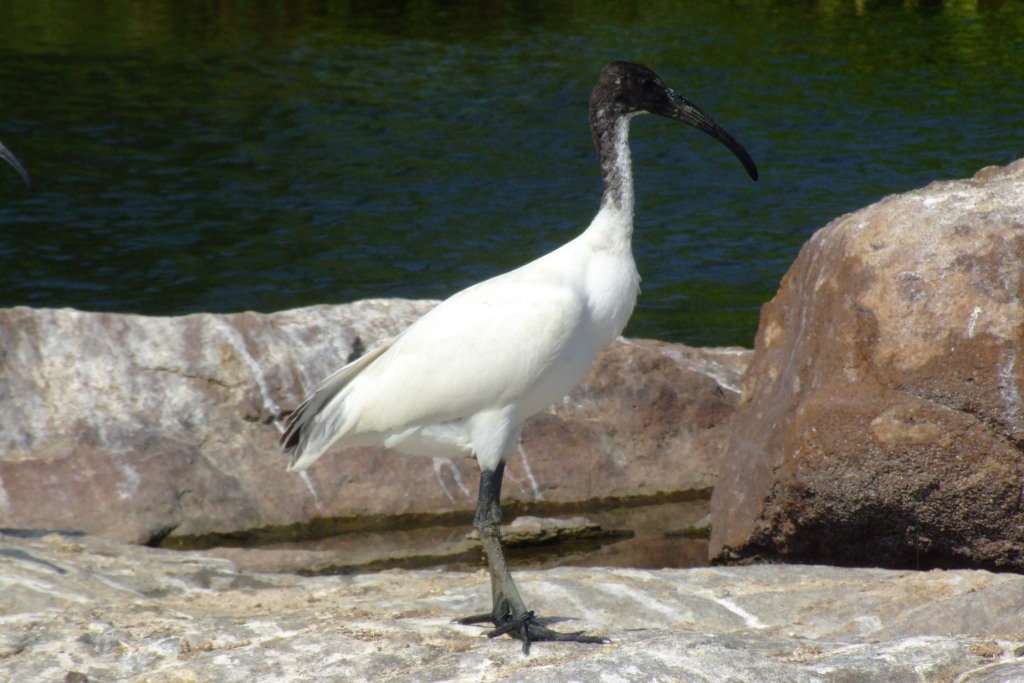
Threskiornis melanocephalus; Photo credit:Ramesh Kidagoor
 In my last book review sourced from the course I’m taking on environmental history, I hinted that some of the authors we read were very keen to list our failures of the past and quantify the damage we’ve done. Paul R. Josephson, in his Industrialized Nature, does just this, seeking to demonstrate how large-scale resource management systems almost always ensure environmental degradation and long-term losses in different ways. Dubbing these systems “brute force technologies,” Josephson studies how they were employed by varied combinations of diverse political systems, social groups, and economic goals on different types of raw materials in several countries. All led to similarly disastrous results for the ecosystems in question, but, the author argues, man’s hubris is strong enough to convince political and scientific spheres that further innovation can solve problems and maintain profitable advances in the future. While describing the ecological damage caused by brute force technologies, Josephson makes sure to include social stresses inflicted upon local communities, such as native tribes and other underrepresented groups directly affected by the overwhelmingly negative changes.

The principles of Bhutan’s gross national happiness system are spelled out for pupils at a secondary school in Paro, a largely agricultural region. Photograph: Jean-Baptiste Lope
Bhutan pioneered the challenge to standard measures of development and progress. Hearing this for the first time, it is reasonable to smile, wistfully. It sounds like it is not meant to be taken seriously. Speak to any Bhuttanese and you will sense otherwise. The Guardian shows it continues the challenge whenever it can:
For the past three decades, this belief that wellbeing should take preference over material growth has remained a global oddity. Now, in a world beset by collapsing financial systems, gross inequity and wide-scale environmental destruction, this tiny Buddhist state’s approach is attracting a lot of interest. Continue reading


Read to the end. It is worth every word and image:
We’ll start in a cornfield — we’ll call it an Iowa cornfield in late summer — on a beautiful day. The corn is high. The air is shimmering. There’s just one thing missing — and it’s a big thing…
…a very big thing, but I won’t tell you what, not yet.
Instead, let’s take a detour. We’ll be back to the cornfield in a minute, but just to make things interesting, I’m going to leap halfway around the world to a public park near Cape Town, South Africa, where you will notice a cube, a metal cube, lying there in the grass. Continue reading

East Indian Klugia (Rhynchoglossum notonianum) is an annual herb which is commonly growing on hilly slopes in the Western Ghats above 900 metres. The flowers are a deep, rich blue and hang downwards. Continue reading

Dinopium javanense; Photo credit: Joshy Manjummel
Idukki, Kerala
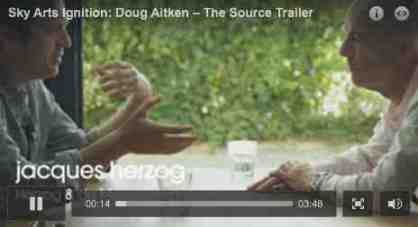
Another in the series of video-recorded conversations Doug Aitken has had with architects and artists for this exhibition:
This project is about the roots of creativity. Many of the people in this project are working in very diverse mediums and it’s that common thread that I’m interested in. Continue reading
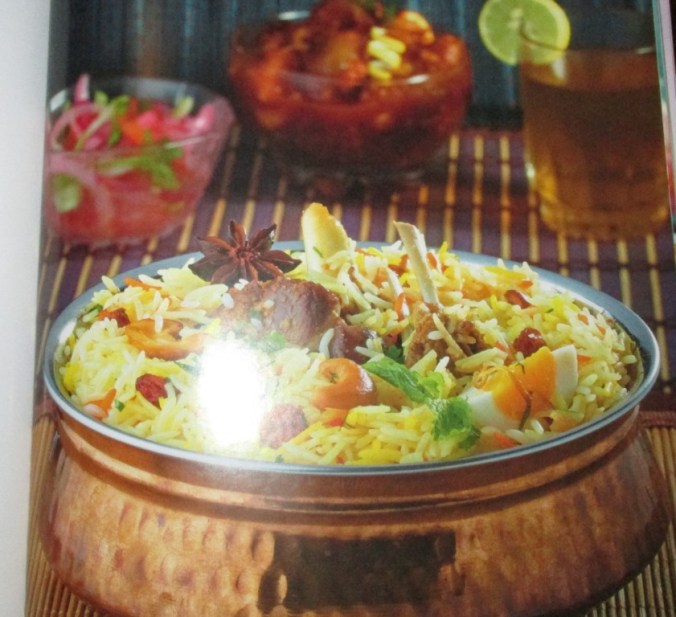 The Persians and Mughals influenced the Malabar cuisine and Biriyani is an example of one such delicacy. Biriyani can be prepared using beef, fish or chicken also. Malabar Mutton Biriyani is the most popular among the Biriyanis. Made with special rice, this dish is made using the ‘Dhum’ method. The preparation of the Biriyani masala is a trade secret which is not shared outside of the cooking circles.
Continue reading
The Persians and Mughals influenced the Malabar cuisine and Biriyani is an example of one such delicacy. Biriyani can be prepared using beef, fish or chicken also. Malabar Mutton Biriyani is the most popular among the Biriyanis. Made with special rice, this dish is made using the ‘Dhum’ method. The preparation of the Biriyani masala is a trade secret which is not shared outside of the cooking circles.
Continue reading
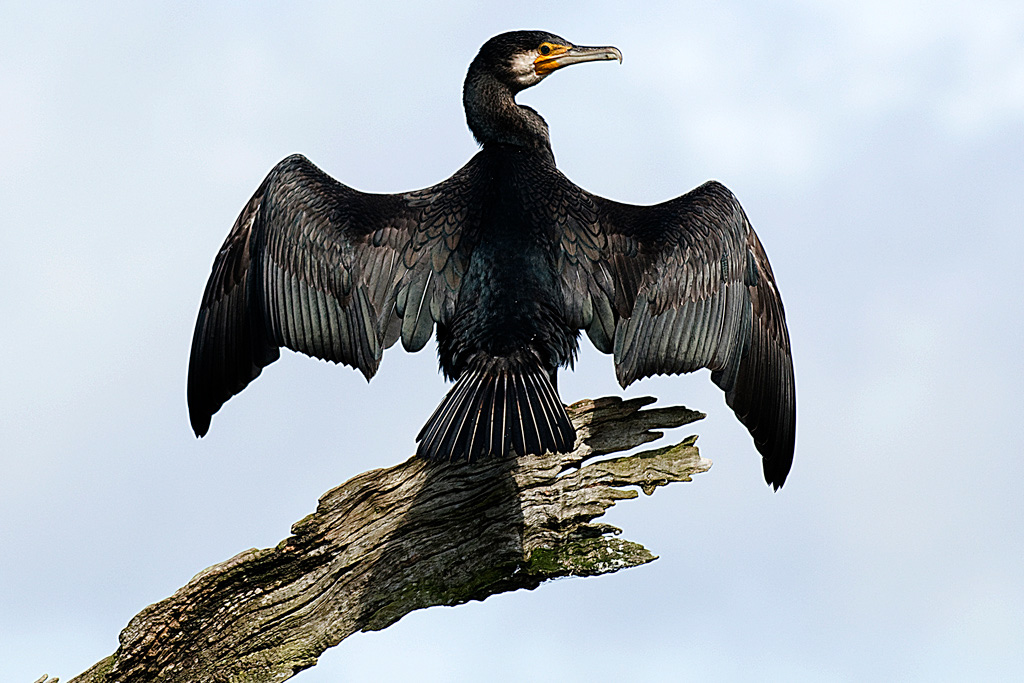
Phalacrocorax fuscicollis; Photo credit: Mr. Manoj Vasudevan
Thekkady, Kerala
 Organikos