 Click the banner to the left for an interview with the relentless organizing activist Bill MKibben, who says it all in plainspoken English:
We’ve got lots of good progress coming, it’s just much different than what we’re used to. Continue reading
Click the banner to the left for an interview with the relentless organizing activist Bill MKibben, who says it all in plainspoken English:
We’ve got lots of good progress coming, it’s just much different than what we’re used to. Continue reading
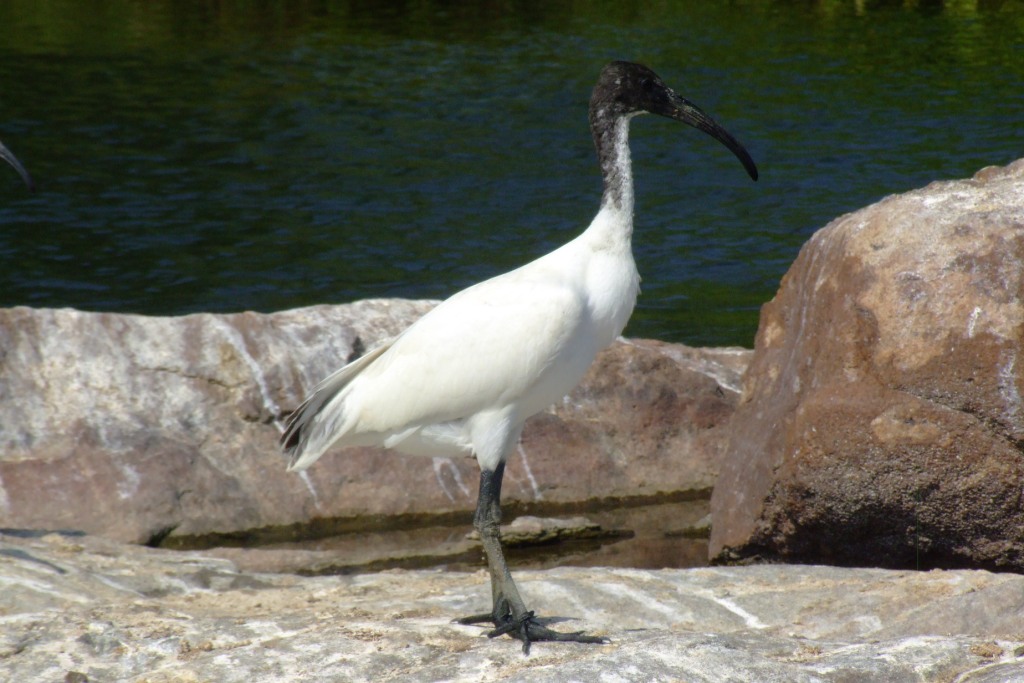
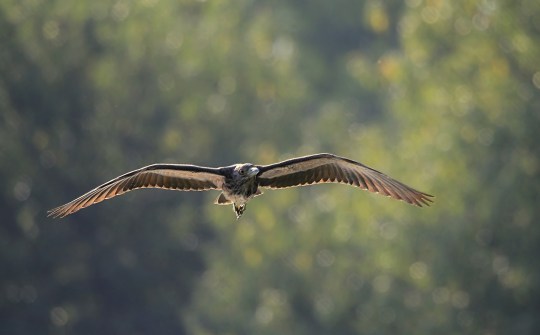
Threskiornis melanocephalus; Photo credit:Ramesh Kidagoor
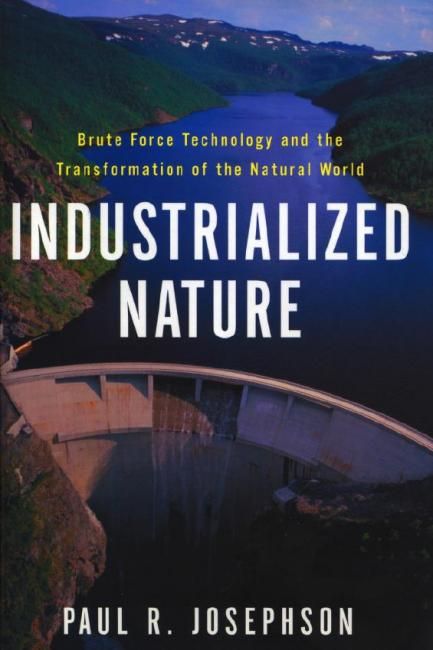 In my last book review sourced from the course I’m taking on environmental history, I hinted that some of the authors we read were very keen to list our failures of the past and quantify the damage we’ve done. Paul R. Josephson, in his Industrialized Nature, does just this, seeking to demonstrate how large-scale resource management systems almost always ensure environmental degradation and long-term losses in different ways. Dubbing these systems “brute force technologies,” Josephson studies how they were employed by varied combinations of diverse political systems, social groups, and economic goals on different types of raw materials in several countries. All led to similarly disastrous results for the ecosystems in question, but, the author argues, man’s hubris is strong enough to convince political and scientific spheres that further innovation can solve problems and maintain profitable advances in the future. While describing the ecological damage caused by brute force technologies, Josephson makes sure to include social stresses inflicted upon local communities, such as native tribes and other underrepresented groups directly affected by the overwhelmingly negative changes.

The principles of Bhutan’s gross national happiness system are spelled out for pupils at a secondary school in Paro, a largely agricultural region. Photograph: Jean-Baptiste Lope
Bhutan pioneered the challenge to standard measures of development and progress. Hearing this for the first time, it is reasonable to smile, wistfully. It sounds like it is not meant to be taken seriously. Speak to any Bhuttanese and you will sense otherwise. The Guardian shows it continues the challenge whenever it can:
For the past three decades, this belief that wellbeing should take preference over material growth has remained a global oddity. Now, in a world beset by collapsing financial systems, gross inequity and wide-scale environmental destruction, this tiny Buddhist state’s approach is attracting a lot of interest. Continue reading


Read to the end. It is worth every word and image:
We’ll start in a cornfield — we’ll call it an Iowa cornfield in late summer — on a beautiful day. The corn is high. The air is shimmering. There’s just one thing missing — and it’s a big thing…
…a very big thing, but I won’t tell you what, not yet.
Instead, let’s take a detour. We’ll be back to the cornfield in a minute, but just to make things interesting, I’m going to leap halfway around the world to a public park near Cape Town, South Africa, where you will notice a cube, a metal cube, lying there in the grass. Continue reading

East Indian Klugia (Rhynchoglossum notonianum) is an annual herb which is commonly growing on hilly slopes in the Western Ghats above 900 metres. The flowers are a deep, rich blue and hang downwards. Continue reading

Dinopium javanense; Photo credit: Joshy Manjummel
Idukki, Kerala
Another in the series of video-recorded conversations Doug Aitken has had with architects and artists for this exhibition:
This project is about the roots of creativity. Many of the people in this project are working in very diverse mediums and it’s that common thread that I’m interested in. Continue reading
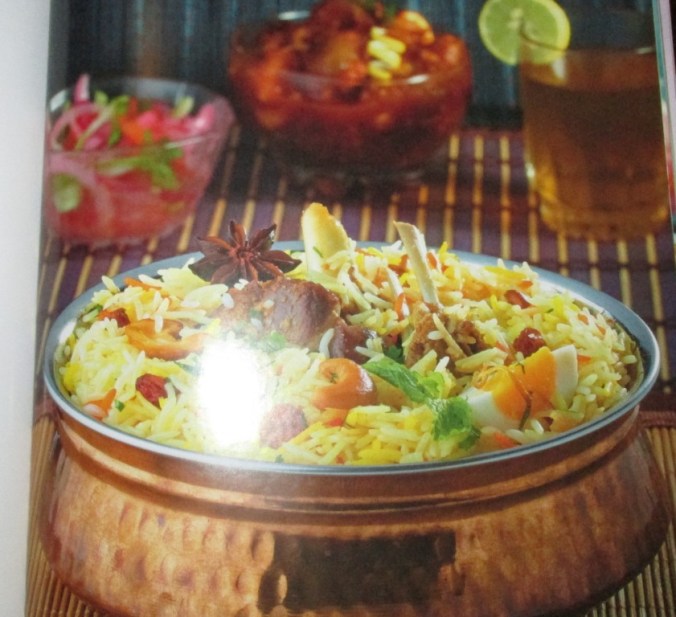 The Persians and Mughals influenced the Malabar cuisine and Biriyani is an example of one such delicacy. Biriyani can be prepared using beef, fish or chicken also. Malabar Mutton Biriyani is the most popular among the Biriyanis. Made with special rice, this dish is made using the ‘Dhum’ method. The preparation of the Biriyani masala is a trade secret which is not shared outside of the cooking circles.
Continue reading
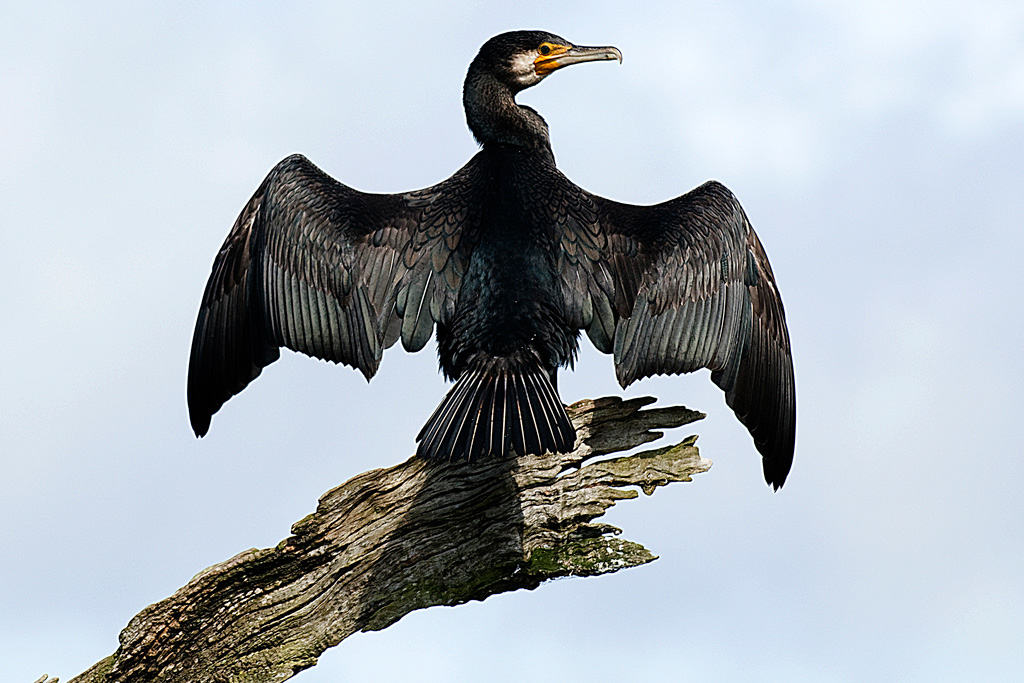
Phalacrocorax fuscicollis; Photo credit: Mr. Manoj Vasudevan
Thekkady, Kerala
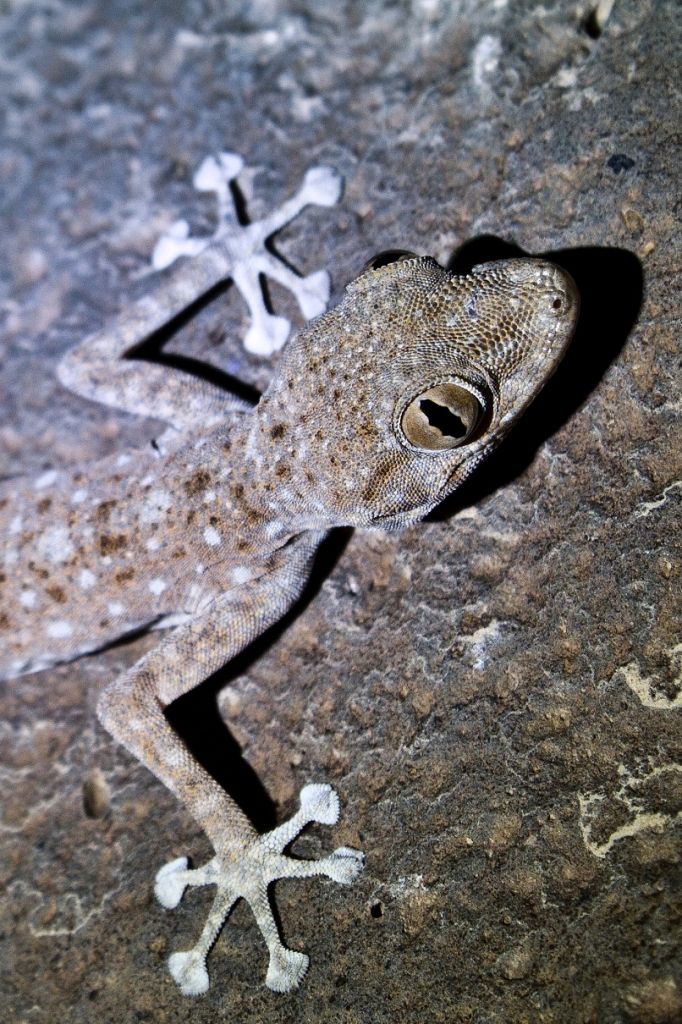
Geckos are more or less ubiquitous throughout the tropics, but visualizing them outside of such environments poses a challenge. Ptyodactylus guttatus, however, is a desert-dwelling species I found and photographed extensively in Jordan. Not only was this species my first subject to attempt capturing nocturnal macro photographs of, its residence within my own probably saved me quite a few mosquito bites over the weeks we shared it. Continue reading
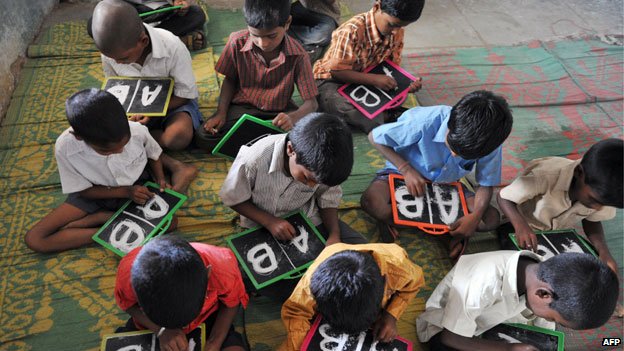
Today’s aspirational Indians want their children to go to a school where lessons are taught in English. But often the pupils leave speaking a language that would not be recognised in London or New York. Could this Hinglish be the language of India’s future?
Thanks to the BBC for this note on languages in our adopted home country:
Why, half a century after Indian independence, does English remain the language of higher education, national media, the upper judiciary and bureaucracy and corporate business? Continue reading

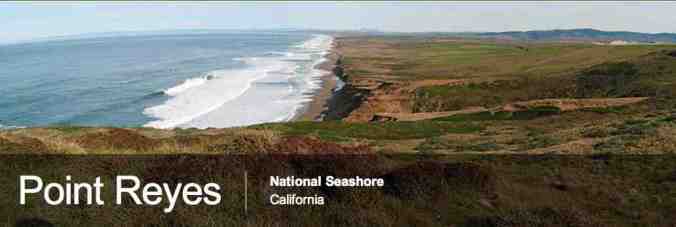
Thanks to a briefing on Green Blog, we learn today that the good deed was done, as hoped:
California Oyster Farm Must Go | Ken Salazar, the secretary of the interior, announced on Thursday that he would not extend the lease of an oyster farm in the Point Reyes National Seashore in Northern California, allowing the estuary there to become a wilderness area. Continue reading

Cumbum is located about 25km away from Thekkady and is famous for its weekly fresh vegetable market. People from Kerala and Tamil Nadu buy their produce here both in wholesale and for domestic use. Garlic, Onion, Tomato, Okra, Beans, Carrot and Green chilies are the popular vegetables from this market.

One of the longest and most fascinating items in the New York Times Magazine in ages:
After more than 4,000 years — almost since the dawn of recorded time, when Utnapishtim told Gilgamesh that the secret to immortality lay in a coral found on the ocean floor — man finally discovered eternal life in 1988. He found it, in fact, on the ocean floor. The discovery was made unwittingly by Christian Sommer, a German marine-biology student in his early 20s. He was spending the summer in Rapallo, a small city on the Italian Riviera, where exactly one century earlier Friedrich Nietzsche conceived “Thus Spoke Zarathustra”: “Everything goes, everything comes back; eternally rolls the wheel of being. Everything dies, everything blossoms again. . . .” Continue reading
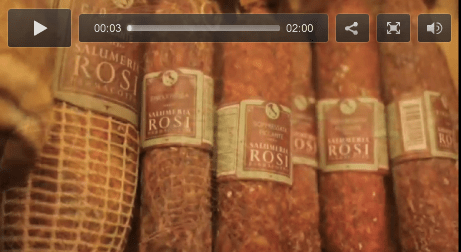
Usually the links to great journalism, or books worth reading, or art exhibitions, etc. on this site are left to to the group as a whole, and under the name Raxa Collective we share things like the video you can click through to on the image above. The text below will introduce you to that particular video.
But in my own voice, I urge you to pick up a real copy or click through to browse virtual portions of this week’s New Yorker magazine. For however many years they have been producing a “food issue,” a theme which (in the world we live in) could be tasteless but in this magazine almost never is, I think this year’s is the best yet. And this little video+writing piece is a good sample (Mimi, you have been much loved in our home and you always will be):
There are very few sausage- and salami-makers left in New York City, and presumably only one with “Swami of Salami” printed on his business cards. Cesare Casella is the executive chef at Salumeria Rosi, on the Upper West Side, where he cooks sausage and conjures up closely guarded formulas for gourmet cured meats. Casella said that cooking sausage brings him back to his childhood in Lucca, Italy, where he raised pigs as pets and then ate them. We sat down with him to see how sausage is made at his restaurant, and find out why so many people are so obsessed with his luscious links. Mimi Sheraton wrote about her obsession with sausage and salami in this week’s magazine.
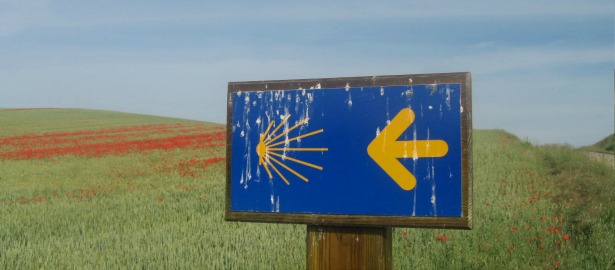
Click the image above to go to the thought piece. It got us thinking that sometimes we can only talk the talk; other times we make the effort to at least talk the walk; on a good day we walk as we talk; but on the best days we walk the walk:
For 44 days, I walked El Camino de Santiago de Compostella. “The way to Santiago along the field of stars.”
The standard icebreaker along the dirt path is simply, expectedly, “Why are you walking?” Continue reading

