Guardian, Angel, Sea Shepherd

Paul Watson, founder the animal rights and environmental group, Sea Shepherd Conservation, has returned to Antarctic waters after months on the run. Photograph: Markus Schreiber/AP

We feel fortunate to have the Guardian’s coverage of our favorite angelic trouble-maker, Paul Watson, since few other publications seem willing to pay attention to his cause. From our relatively comfortable, distant perch on dry land we nod to the southern waters where he and his band of activists righteously take on the whale-killers:

From aboard a Sea Shepherd ship, Paul Watson told Associated Press on Tuesday that his job is to protect whales, and he can’t do that if he’s in custody. He said the Sea Shepherd fleet is already in the Southern Ocean.

“I want to stay in the ocean,” the 62-year-old said. “I’m not going to be able to do that from some holding cell in Japan.”

Read the whole story here.
If You Happen To Be In London

This slideshow requires JavaScript.

Milo’s recent post got us thinking about the temptation to anthropomorphize.  Tim Flach‘s photography seems to be hugging the temptation sometimes, wrestling with it at others.

His show, just opening in London, would be a good place to start with his work.  The photos below help understand the riff on Milo’s post and his book looks worthy of any coffee table as a conversation-starter. 

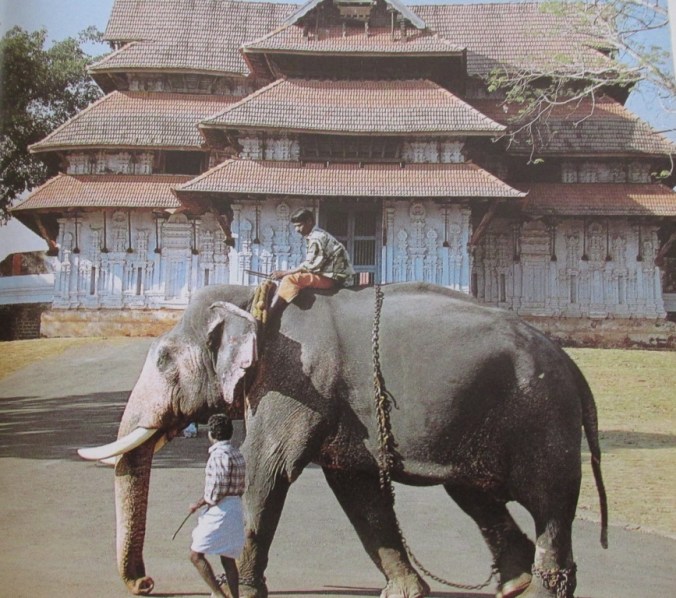
Vadakkunanthan Temple (Thrissur, Kerala)

Vadakkunanthan Temple is one of Kerala’s most ancient and famous temples. Millions of people witness the famous Thrissur Pooram with dozens of elephants at the temple annually. They also visit the site to view the many decorative paintings and historically important pieces of art. Continue reading →

Byron’s Daughter, Randomness And A Great Science Writer

The Royal Society’s recognition is enough to make even the author blush (in the video above, just barely visible in the fifth minute):

From the invention of scripts and alphabets to our current world of blogs and tweets, James Gleick tells the story of information technologies that changed the very nature of human consciousness. ‘The Information’ is the story of how we got here and where we are heading.

Professor Jocelyn Bell Burnell DBE FRS, Chair of the judges, said: “The Information is an ambitious and insightful book that takes us, with verve and fizz, on a journey from African drums to computers, throwing in generous helpings of evidence and examples along the way.  It is one of those very rare books that provide a completely new framework for understanding the world around us. It was a privilege to read.”

James Gleick said: “This is a very unexpected surprise. I am not a scientist, but I have my nose pressed against the glass. I visited the Royal Society 12 years ago to research a biography of Isaac Newton. It is a pleasure to be back again.”

Final Thoughts On Oysters, Dunes And Conservation

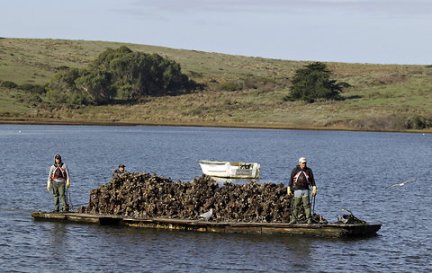
Photo: Associated Press. Workers from Drakes Bay Oyster Company bring in a load of freshly harvested oysters at Point Reyes National Seashore. Interior Secretary Ken Salazar announced last week that the operation would have to shut down.

Thanks to our oft-linked to favorite writer on such topics — Felicity Barringer — for the follow up on this story from a few days ago:

In the end, after all the money spent on the science — on cameras whose images were not carefully examined, on reports that misrepresented scientific studies, and on repeated investigations of flawed scientific work — the Interior Department’s decision not to renew an oyster company’s lease to operate within Point Reyes National Seashore largely sidestepped any scientific issues. Continue reading →

Flavours Of Kerala – Pal-Appam (Lacy Rice Cake)

Pal-appam is a popular breakfast dish in Kerala, served with vegetable, mutton or chicken stew.  Alternatively it is served as a starter dish with fish curry for formal meals.  Pal-appam is a white lacy crepe-like cake with crispy brown edges.

Continue reading →

A Parliament Of Owls

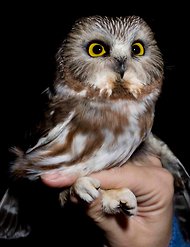
Photo: Scott Weidensaul. Little larger than a robin, northern saw-whet owls were long considered rare in the East.

Our thanks to Green Blog for this wonderful item:

Each autumn, thousands of miniature owls fill the night skies in the Northeast, gliding over forests and fields, suburbs and cities. They cast minuscule shadows as they breeze by the Empire State Building. Where they are headed, no one knows exactly. But researchers are certain of one point: there are many, many more of these little raptors, known as northern saw-whet owls, than they had suspected.

“This is a little bit of the Canadian wilderness passing through,” said Scott Weidensaul, a natural history writer who has coordinated volunteer research on saw-whet owls for 16 years. “Pretty much wherever you live in the Northeast or even in other parts of North America, there are tiny owls weighing no more than robins flying over your house.” Continue reading →

From the 2012 Net Impact Conference, Part 2

Continuing on my previous post about the 2012 Net Impact Conference, I want to address some of the interesting and debatable issues that several company panelists spoke about during the conference. I dedicate this post to addressing Monsanto’s climate change adaptation strategies. A very interesting discussion on how businesses have been approaching climate change adaptation included panelists from the World Resources Institute, AT&T, Monsanto, and a few universities. Monsanto’s strategies related to increased crop yield, and its view was that higher production was the clear answer to climate change risk and food insecurity.

Monsanto has experienced a haunted past (and continues to suffer from a poor reputation among environmentalists) with activist groups protesting its GMO seeds and its aggressive litigation against farmers.

Continue reading →

Design Can Be Both Fun And Serious

A couple of recent posts by Crist, and the design process he mentioned, have led us to add some new design-oriented sites to our scanning process.  This one may not be the most visited, but it has some interesting material:

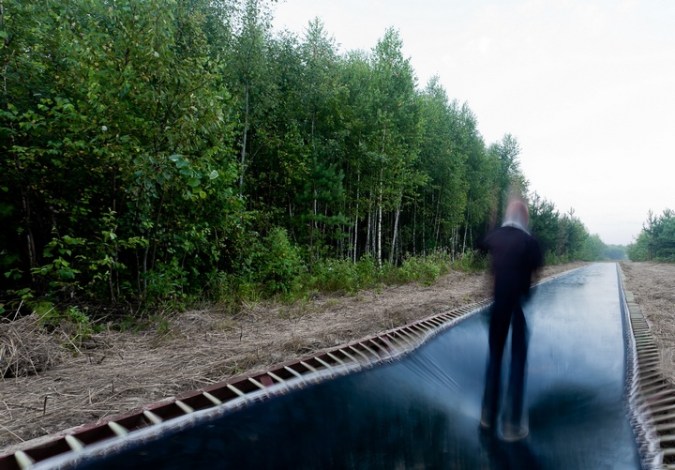
Archstoyanie is a creative festival that kicks off every year in the forest of Nikola-Lenivets, Russia. This year, the architects from Salto created a performance piece called ‘Fast Track’ – a 170 foot long track made of a trampoline! Designers Maarja Kask, Karli Luik, and Ralf Lõoke built the Fast Track to challenge the concept of infrastructure that only focuses on technical and functional aspects and tends to be ignorant to its surroundings.

Click the banner above to read more about what you see below.

Archstoyanie-festival-2012-Fast-Track-Salto-Architects-4
Continue reading →

An Old Fashioned Art And A Lesson In Craft

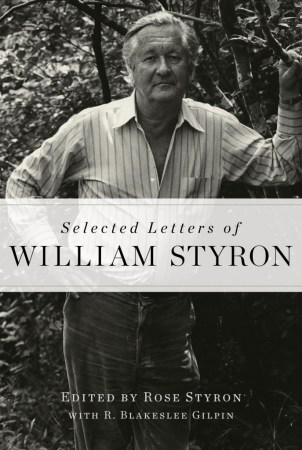
You do not need to be a fan of William Styron to appreciate the letters in this book; you only need to care about the art and craft of writing; so we thank the author’s friends at Paris Review for making these samples available (see below):

“A great book should leave you with many experiences, and slightly exhausted at the end,” explained William Styron in his 1954 Art of Fiction interview. “You live several lives while reading it. Its writer should, too.” Such is the experience in reading Styron’s Selected Letters, edited by Rose Styron and published this week. Alongside major cultural and political events of the latter half of the twentieth century are intimate accounts of family life, depression, writing, frustrations, and friendships.

Continue reading →

Periyar Tiger Reserve (Thekkady, Kerala)

The Periyar Tiger Reserve is one of India’s most famous wildlife sanctuaries. Periyar was declared a Forest Reserve in the late 19th centuary, a Wildlife Sanctuary in the 1930s and a Tiger Reserve in 1977. This land of emerald vistas, productive grasslands, orchid-studded rain forests, moss-laden trees and dripping ferns provide food and shelter to mammals, including Elephants, Tigers, Dholes, Leopards, and Wild gaur, as well as birds, amphibians and insects.

Continue reading →

One Wild Life Temporarily Lost, Likely To Be Found, Then To Be Lost Permanently

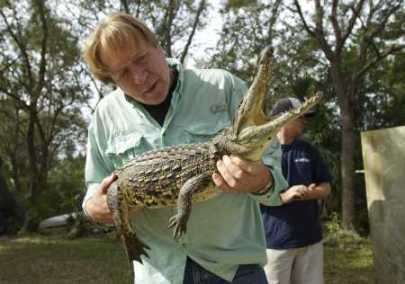
Joe Wasilewski works last month with a Nile crocodile captured near Homestead. The reptile expert says Nile crocodiles “learn that humans are easy targets.”

We do not enjoy reading about, or passing along, such stories.  But we must.  For shock value. Just not for the sake of entertainment shock value.  How and why such creatures find themselves in such locations is a topic we have dedicated at least one post to.  Wild creatures belong in the wild, except on rare occasions.  In the case below, one wild creature will lose its life as a result of someone’s misguided thoughts to the contrary:

State wildlife officials have given their agents a rare order to shoot to kill in the hunt for a young and potentially dangerous Nile crocodile loose near Miami. Continue reading →

Bonnet Macaques and Humanity

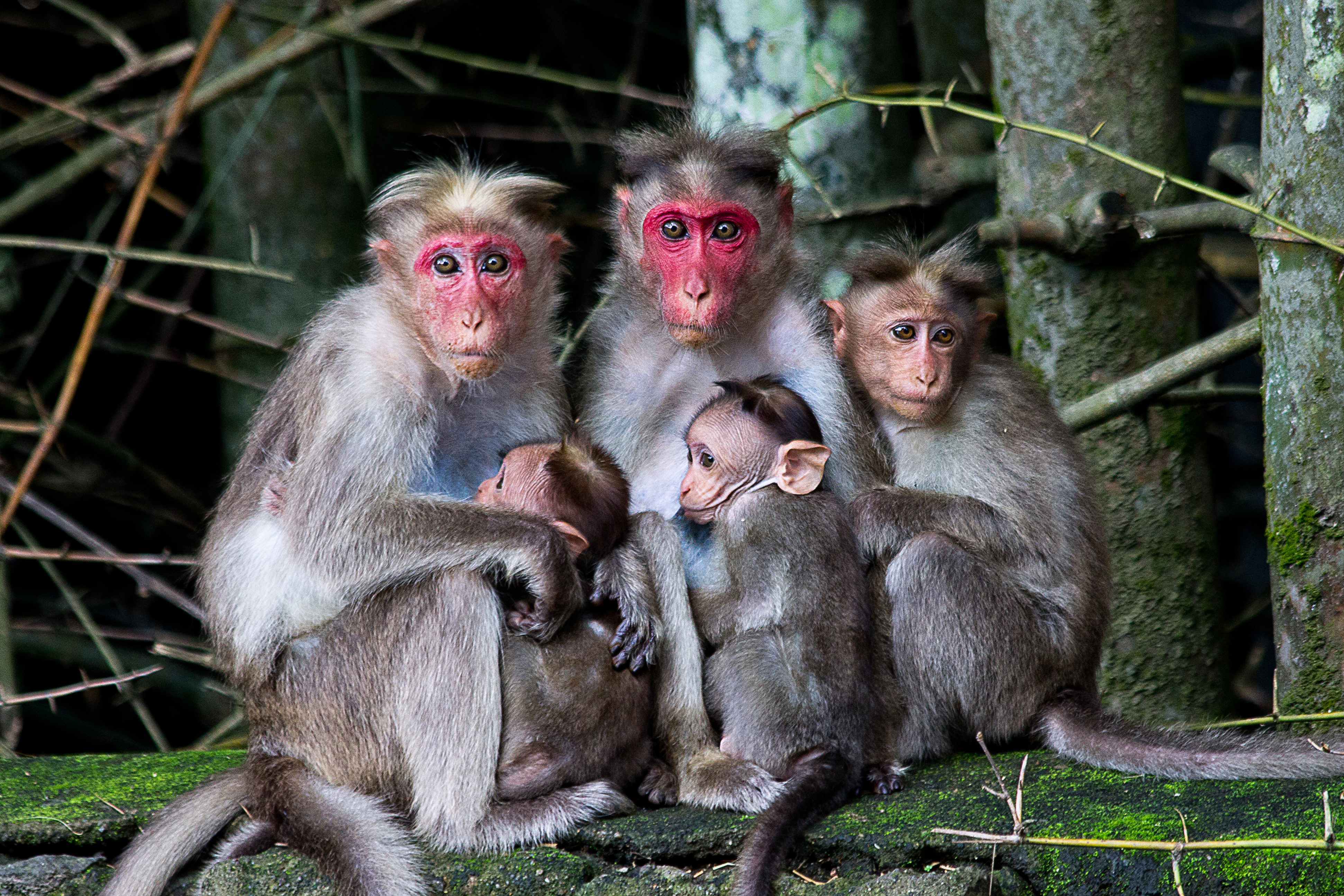
Anyone who has been to Thekkady is familiar with their extroverted nature. They screech and cackle, chase and fight each other in the most public spaces possible, and love to make themselves a nuisance. Bonnet Macaques are ubiquitous, quite probably because of how outgoing and shameless they are – and they seem to like their families big.

_MG_2274 Continue reading →

Sometimes Only The Impossible Will Do

Journalists are trained to investigate and report facts; when the occasion merits, we might want them to advocate.  This writer does her reporting and then some.  This particular advocacy will be ignored, derided as another “dead on arrival” idea, blah blah blah.  But the fiscal cliff will be a picnic compared to the other cliff we are headed toward:

It’s been almost a century since the British economist Arthur Pigou floated the idea that turned his name into an adjective. In “The Economics of Welfare,” published in 1920, Pigou pointed out that private investments often impose costs on other people. Consider this example: A man walks into a bar. Continue reading →

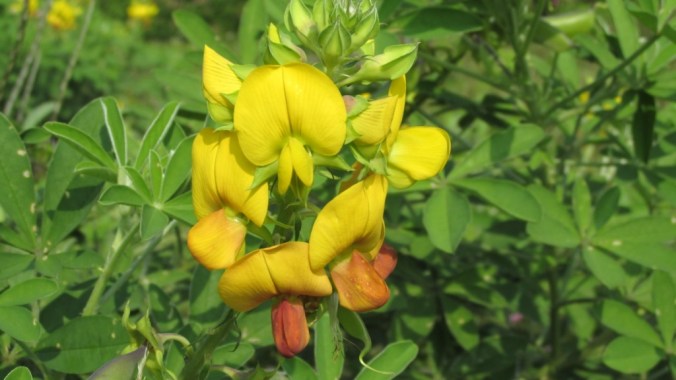
Wild Periyar – Smithia Racemosa

Periyar Tiger Reserve is one of the richest biodiversity pockets in the Western Ghats. Of nearly 4500 known flowering plants in the region, as many as 2000 species have been reported from Periyar itself. One fourth of these species are endemic to Southern Western Ghats.

Continue reading →

A Fountain Of Ideas, Spouting In Many Directions

The screen shot to the right shows the simplicity of the site.  Which otherwise is an explosion of ideas, observations written with craft, and links. We wonder just about every day how she does it.  And why.  But that is on a need to know basis so we have just continued to visit her site and admired her prolific sharing. In a profile over the weekend, we learn a bit about how and why she has the stuff:

SHE is the mastermind of one of the faster growing literary empires on the Internet, yet she is virtually unknown. She is the champion of old-fashioned ideas, yet she is only 28 years old. She is a fierce defender of books, yet she insists she will never write one herself. Continue reading →