Heroes In Green Clothing

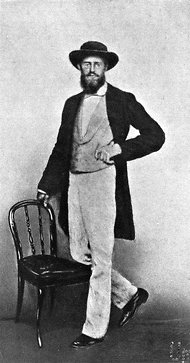
We pay homage from time to time to the forefathers of our own interest in the more modern entrepreneurial conservation.  Here is a lesser known, but no less important, figure in that pantheon. Click the image to the left to go to the full story:

Ask a room full of conservation biologists who they like more, Darwin or Wallace, and Alfred Russel Wallace will win every time. While Darwin is respected, Wallace is revered. More than 800 new species have been named for Wallace, and for Darwin, around 120.

Thursday, Nov. 7, marked the 99th anniversary of Wallace’s death and started the countdown to 100th-anniversary celebrations in Britain, Mexico and Malaysia. Continue reading


Connect The Dots

We find the simplicity–analyze the evidence; note the danger; take action–compelling.  A sister organization here in India takes a similar approach.  Click the banner above to add your dot-connecting to the collective action:

We’re connecting the dots between extreme weather and climate change.

Stay up to date with rapid-response campaigns by signing up at 350.org, submit your local stories to the Connect the Dots Tumblr, and find out if there’s a local 350 group in your area.

More On Birds In Storms

We have learned plenty of new things about birds in the wake of recent storm news, and today yet more from one of our favorite science writers.  Click the image to go to her story in the New York Times:

…biologists studying the hurricane’s aftermath say there is remarkably little evidence that birds, or any other countable, charismatic fauna for that matter, have suffered the sort of mass casualties seen in environmental disasters like the BP oil spill of 2010, when thousands of oil-slicked seabirds washed ashore, unable to fly, feed or stay warm. “With an oil spill, the mortality is way more direct and evident,” said Andrew Farnsworth, a scientist at the Cornell Lab of Ornithology. Continue reading

If You Happen To Be In Liverpool

Click the image above for more information on the exhibition. In case you cannot make it there in person, click the link below to see Doug Aitken’s films:

Tate Liverpool: Exhibition 15 September 2012 – 13 January 2013. Films from Doug Aitken – The Source will be published in the Channel each week… Continue reading

Terminalia paniculata – Kindal

These trees are very common in the moist deciduous forest of the Periyar Tiger Reserve, widely growing up to 850 meters in South Indian forests. These trees bloom from August to December with flowers that are white in colour and turn to red as they fruit.

Continue reading

Famed Photographer Goes With The Floe

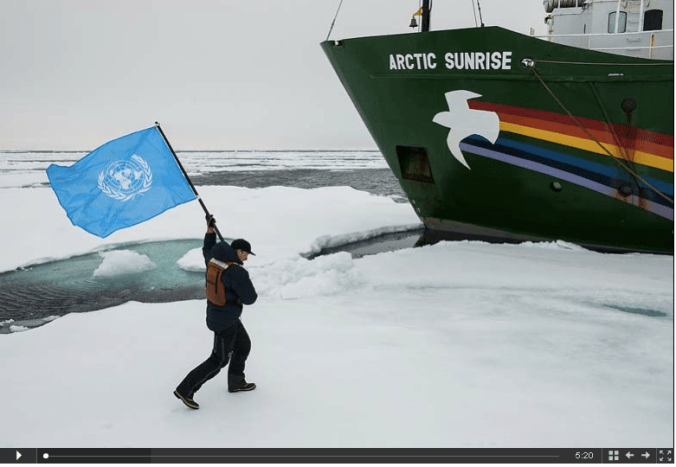
Thanks to the Guardian, click above to go to the audio slide show of Daniel Beltra in which the

Prix Pictet-shortlisted photographer discusses his recent expedition to the frontline of climate change, on board the Arctic Sunrise along with John Vidal, documenting the lowest sea-ice level ever recorded

From the 2012 Net Impact Conference, Part 1

A couple weekends ago, I attended the 2012 Net Impact Conference, which was hosted by the University of Maryland in Baltimore this year. If you’re unfamiliar with Net Impact, it is a 30,000-member nonprofit focused on mobilizing students and professionals to solve the world’s most pressing environmental and social problems through the public and private sector. I would personally describe Net Impact as an organization dedicated to mobilizing young professionals to make impacts with their careers. It’s an awesome organization.

Continue reading

Restricted Demon – Butterfly

Restricted Demon Butterflies are common in forests as well as countrysides, frequently seen during the rainy season. The upper side of the wings have three small white dots and just below that a long white patch. These butterflies are drawn to flowers especially lantana. Other favorite plants are Costus specoisa, Zingiber montana and Curcuma decipiens.

Horsepower In Context

By now we all know the importance and value of recycling, right? Right. Except when wrong. So, to be clear in case my occasional thoughts of science writing as a career go somewhere: I am in a course that requires my written reflection on some amazing books and articles related to environmental history. Raxa Collective, whose blog I have been contributing to since mid-2011, has asked me  to recycle some of that work for the sake of its readers.  Agreed.  I hope we are all right, alright?

First, one thing I am learning in university is that it is never too late to review literature. Some posts on this site point to evidence in favor of that idea. Ann Greene’s Horses at Work is just a few years old (whereas Swerve is a review of poetry from millennia past) but is already part of a canon: it made the cut for this course. Continue reading

Mixing Up The Medicine

Although we steer clear of politics, we pay close attention to policy; we do our part to support policy outcomes that match our values and interests; and (given the complexity of it all) mostly we just try to keep on our radar the various issues that lead to the need for policy in the first place.  You don’t need a weatherman. You need be neither policy wonk nor know-it-all nor tree hugger to know where those winds are blowing us. Case in point:

Dear President Obama,

As the lead negotiator for the world’s 48 Least Developed Countries (LDCs) in the United Nations climate change negotiations, I congratulate you on your re-election. I also want to express my admiration for your response to superstorm Sandy: without the preparations that you made, the impacts to those hit by the storm would have been even more devastating. As communities in the north-east work to rebuild and recover, the world has an opportunity to begin a new, reality-based conversation about climate change. Continue reading

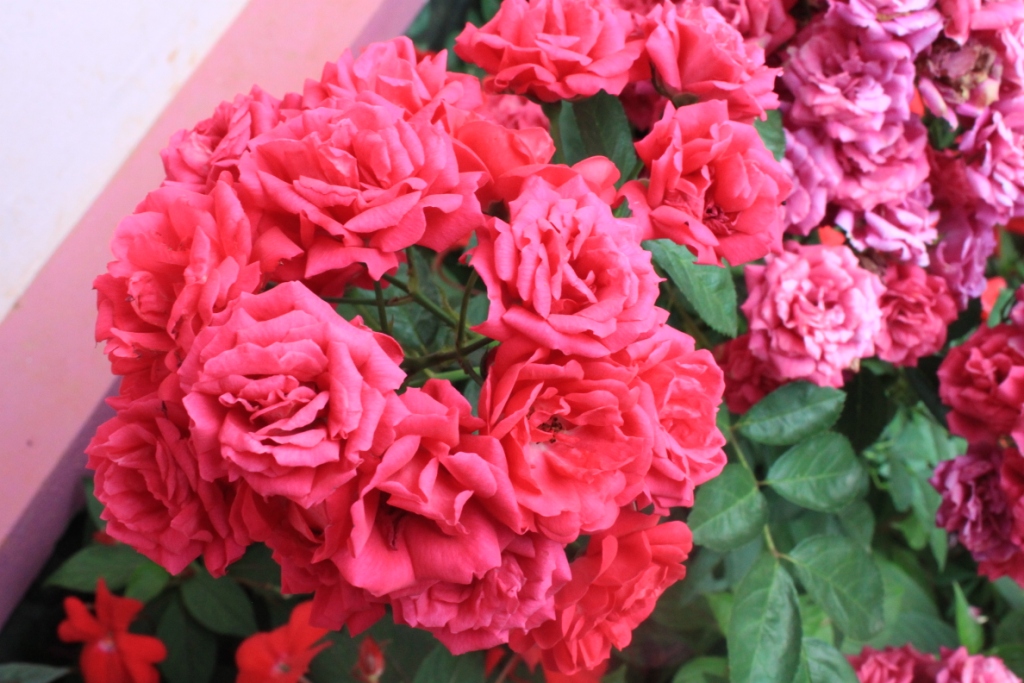
Rose

Roses are elegant and also nostalgically shaped blooms  that have an almost magical attraction. The rose is one of the oldest cultivated plants, and also richest in mythology. The fact that they bloom throughout the year makes these flowers a common sight in the gardens of the High Ranges.

Continue reading

If You Happen To Be In New York

The moderator, in particular, is a favorite food writer of mine so I must suggest this if you are a passionate participant in the food world, professionally or as a consumer:

Join food-world luminaries including Bill Buford, Will Guidara (co-owner of Eleven Madison Park), and Maguy Le Coze (owner of Le Bernardin) at 92YTribeca on Thursday, November 15, for a discussion with author and Financial Times restaurant critic Nicholas Lander in celebration of his new book, The Art of the Restaurateur. The panel, moderated by Buford, will discuss the role of the restaurateur in the age of the celebrity chef. Tickets are $18.