Rachel’s Place In The Eco-Pantheon

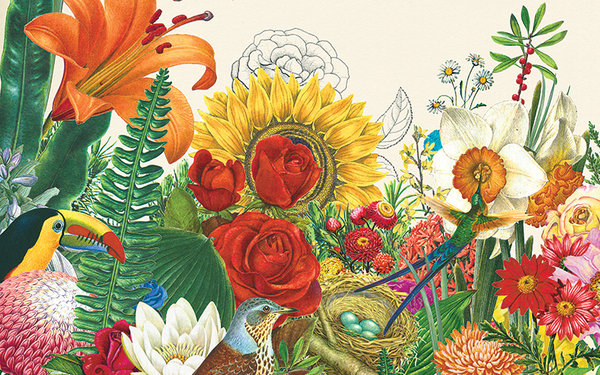
Illustration by Valero Doval

Click the illustration above to go to a great article in this past Sunday’s New York Times Magazine by Eliza Griswold about the historic significance of Rachel Carson’s book:

“Silent Spring” was published 50 years ago this month. Though she did not set out to do so, Carson influenced the environmental movement as no one had since the 19th century’s most celebrated hermit, Henry David Thoreau, wrote about Walden Pond.

Pre-Space Spelunking

Caves.  What have they done for us lately?  According to an article in Phys.Org, for astronauts they do amazingly important things, like providing:

…a taste of working as a safe and effective team during long spaceflights. In particular, they can hone their leadership and group skills while working in a typical multicultural team found on the International Space Station. Course designer Loredana Bessone explains the similarities of caving and working in space: “The ‘cavenauts’ have to adapt to a completely new environment. Working and living underground is both physically and mentally demanding.”

Community. Collaboration. We get it. This team spelunked for six days together and the video of their experience (after the jump) is worth six minutes, especially for any adrenaline junky. Continue reading

Thermal Imaging, Elephant Listening

©Elephant Listening Project. A thermal image of a juvenile forest elephant drinking minerals dissolved in water at the Dzanga Bai, Central African Republic. Different color palettes can be selected for the images (this one used “rainbow”) while the videos and the image at right were captured using the “iron” color palette.

We first saw the photos in a magazine, and then realized two of our own contributors work under the same roof as the Elephant Listening Project.

Click the image to the left to go to their website for photos and videos of the amazing new approach to listening.  We just returned there to see the new photo to the left and listen to some new recordings they have provided.

And then it dawned on us that we are currently identifying the theme of Summer 2013 internships and our related contribution to conservation at the Periyar Tiger Reserve, which has a healthy population of Asian elephants who may benefit from some listening.

Maybe one of our Lab-based contributors will help us with an introduction to their office mates in the Elephant Listening Project?
2012 Ig Nobel Prizes

Ig Nobel Prize Winner Dr. Elena Bodnar demonstrates her invention (a brassiere that can quickly convert into a pair of protective face masks) assisted by Nobel laureates Wolfgang Ketterle (left), Orhan Pamuk, and Paul Krugman (right). Photo credit: Alexey Eliseev, 2009 Ig Nobel Ceremony

Further to the theme started with reference to the book, now: Continue reading

Things You Do Not Need To Know, But What The Heck

If you are a fan of these fun prizes, click the image of the book to go to the publisher’s site:

Marc Abrahams, the founder of the famous Ig Nobel Prize, offers an addictive, wryly funny exposé of the oddest, most imaginative, and just plain improbable research from around the world. He looks into why books on ethics are more likely to get stolen and how promoting people randomly improves their work, to what time of month generates higher tips for Vegas lap dancers and how mice were outfitted with parachutes to find a better way to murder tree snakes in Guam.

Abrahams’ tour through these unlikeliest investigations of animals, plants, and minerals (including humans) will first make you laugh, then make you think about the globe in a new way. Continue reading

What Do We Want To See?

This slideshow requires JavaScript.

Give people options of what to look at. Members of one family will choose non-urban views most of the time (but not all of the time, as we have said more than once after visiting big cities).  To each, their own. An article by Ariel Schwartz, a Senior Editor at Co.Exist, titled “The Hidden Beauty Of Suburban Sprawl” is on that magazine’s website: Continue reading

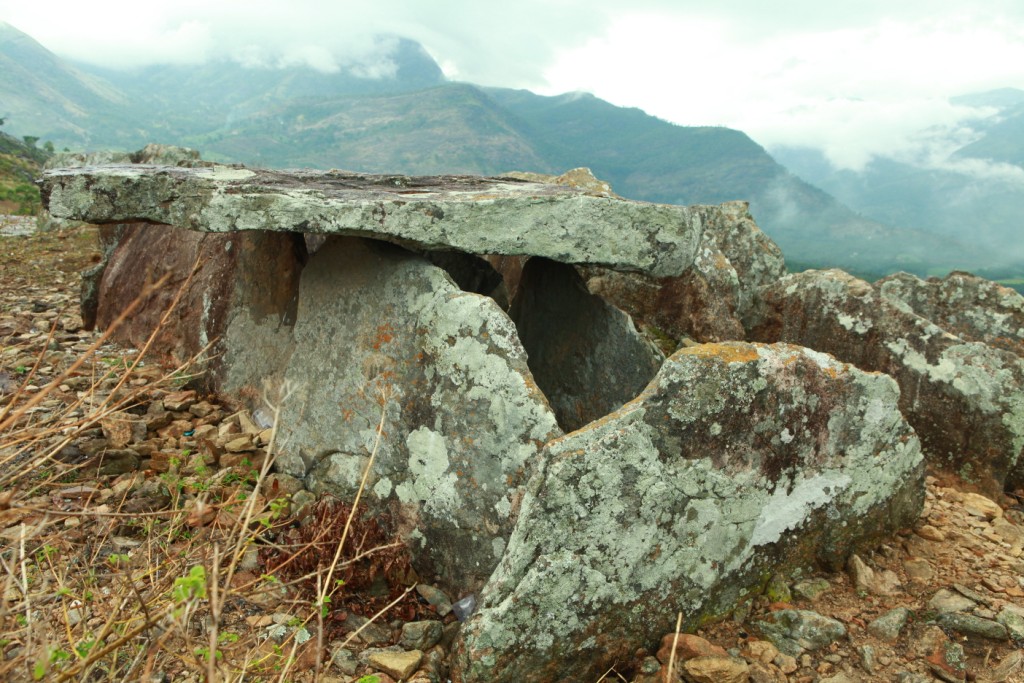
Muniyaras Dolmens

Muniyaras

Muniyaras Dolmens are burial chambers belonging to the Megalithic age made of huge rocky slabs. It is believed that this was the ideal place for the  ancient sages for meditation and Yoga. There are many dolmens in and around Munnar especially Marayoor, Kovilkadavu and near the cliffs overlooking the Pambar River.

Continue reading

Nothing Is Good, Frequently

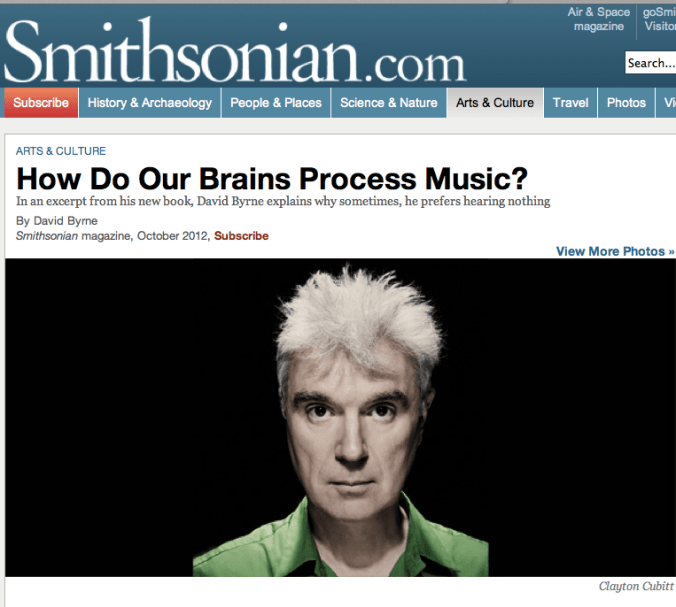
From a man who knows how to make loud noises worth listening to, the ideas (especially for those of us interested in reduction of noise pollution, click the image above to go to the  full story) here are most welcome:

Music, more than many of the arts, triggers a whole host of neurons. Multiple regions of the brain fire upon hearing music: muscular, auditory, visual, linguistic. That’s why some folks who have completely lost their language abilities can still articulate a text when it is sung. Oliver Sacks wrote about a brain-damaged man who discovered that he could sing his way through his mundane daily routines, and only by doing so could he remember how to complete simple tasks like getting dressed. Melodic intonation therapy is the name for a group of therapeutic techniques that were based on this discovery.

Franzen On Birds

On this site we have a commitment to, bordering on an obsession with, birds.  Every day you can find at least one post featuring a bird that a member of our team (employee, internstaff photographer, or staff photographer’s brother) or a member of our extended network of birders.  Recently, we have run several posts featuring the bird-loving writer featured in this video.  We will continue this thread until we run out of material.  Promise.

Platon, Come To India!


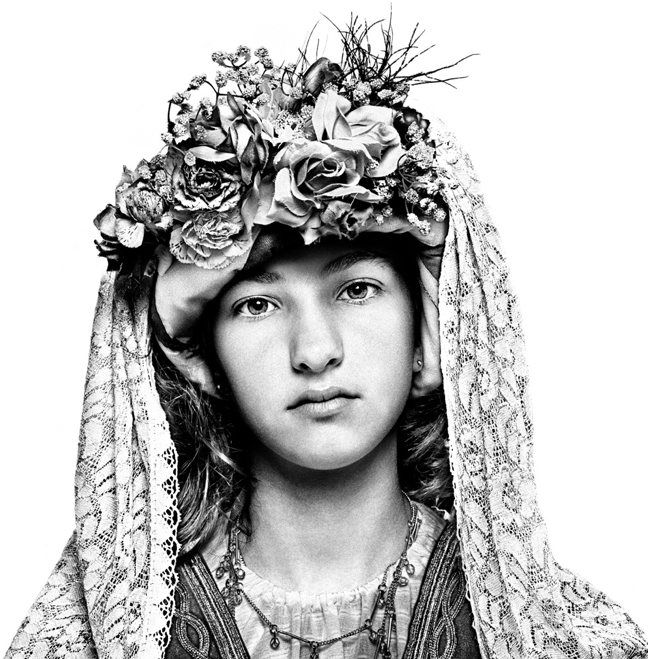
One of the greatest photographers of people we have ever seen, Platon, has been returning home every few years to the Greek island where he grew up.  These photos, even viewed merely on websites and in video, are somehow conveying mythic modesty, and are very different from his normal work: Continue reading