
Uda Walawe, Sri Lanka
Uda Walawe, Sri Lanka
 Newspaper editor Brendon Grimshaw bought an “abandoned” Seychelle island in the 1960s and spent the rest of his life lovingly creating the habitat that is now Moyenne Island National Park, part of the Ste. Anne Marine National Park.
Together with a Seychellois named Rene Lafortune Grimshaw transformed the island, planting 16,000 trees by hand, including native hard woods such as mahogany. The trees attracted birds (some 2,000 make the island their home), and Grimshaw himself reintroduced over 100 giant tortoises, native to the Seychelles but almost hunted to extinction in the early 1900s. The labor of love resulted in Moyenne island now holding more than two thirds of all endemic plants to the Seychelles as well as the Seychelles government standing firm against the multiple advances offering millions of dollars to”develop” the island after Grimshaw’s death. Continue reading
The IUCN released the most recent list of 100 Most Threatened Species last week. Read it and weep. Or get activated. Look at what SOS is doing and see what you can do to make a difference.

Kadavanthra Junction, Ernakulam

The elegant Soft Shield Fern loves neutral, humus-rich, fresh soil. It is commonly found in the Western Ghats of India above 1000 meters. Continue reading
While a group of graduate and undergraduate students from Singapore, Korea, the Philippines and the USA were in Kerala generating content for the stop motion summary of their internship experience, another group of students in Lausanne were just finishing their own stop motion fun. Watch to the end to see the “making of” segment, which is just as fun as the finished product.

Photo credit: Stephen Crafts

Click the banner to the left to go to his blog site and on the image after the jump for the post in which Robert Krulwich wonders about the “Old Rice-Grains-On-The-Chessboard Con, With a New Twist”:
Once upon a time, says the science writer David Blatner, there was this con man who made chessboards for high-end clients — in this case, a king.
The craftsman was good; his chessboards were better than beautiful. The king, he knew, loved chess. So he hatched a plan to trick the king into handing over an enormous fortune. His plan? He figured, “This king is not too good at math.”
So when the craftsman presented his chessboard at court, he told the king,
“Your Highness, I don’t want money for this. Or jewels. All I want is a little rice.”
Last weekend I ventured for the first time into Ithaca’s Sapsucker Woods – a forested area adjacent to Cornell’s Lab of Ornithology, which among many other projects, strongly influences ornithological citizen science far and wide. Sapsucker Woods, however, is not merely a place where birds nest and feed. It is a living, breathing organism – an ecosystem that is more than the sum of the parts of the intricate denizens, both biotic and abiotic, within it. The complexity of a forest is fractal – from the way sunlight is distributed to the canopy, to the well-known food chain, to the molecular structure of the enzymes saprophobic fungi use to break down the hydrocarbon bonds in the wood they devour. Through a magnifying glass, or a microscope, or out of an airplane’s window – a forest is beautiful. Continue reading
From the innovators who get paid to think outside the normal boundaries, and who brought us the disposable cup above, the website explains what they do in general and what they did in this case:
Sardi Innovation is an Outsourcing Business Innovation Center.
Cookie Cup, “Sip the cofee then eat the cup” The cookie cup is made of pastry that is covered with a special icing sugar that works as an insulator making the cup waterproof and sweetening at the same time.
Cookie Cup [has collected] very important Awards in Ecology, Marketing, Business Strategy and Design sectors.
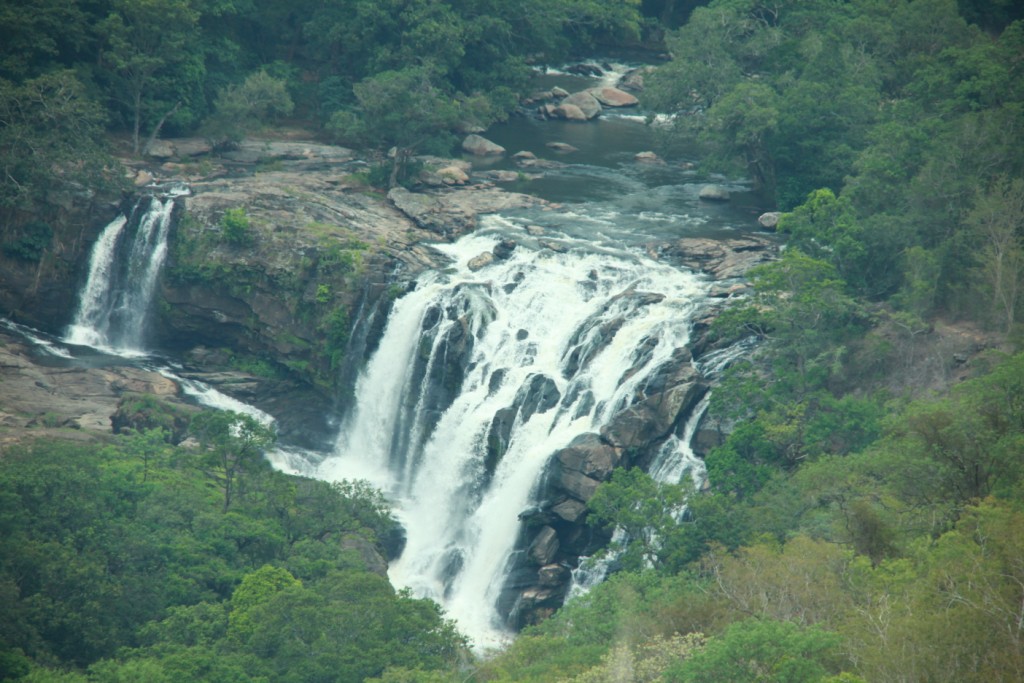
Thoovanam Waterfall
Thoovanam Waterfall is one of the largest and most beautiful falls in Munnar found enroute to the Chinnar Wildlife Sanctuary. The cascade is in the Pambar River, which flows East and joins the Amaravathi reservoir in Tamil Nadu. Continue reading

From The Guardian’s website, in the Environment section, a bit of videography that puts the James Bond-type action films, which after all are merely entertainment without any deeper purpose, to a bit of shame:
Behind the scenes of Greenpeace’s Arctic oil protest Continue reading
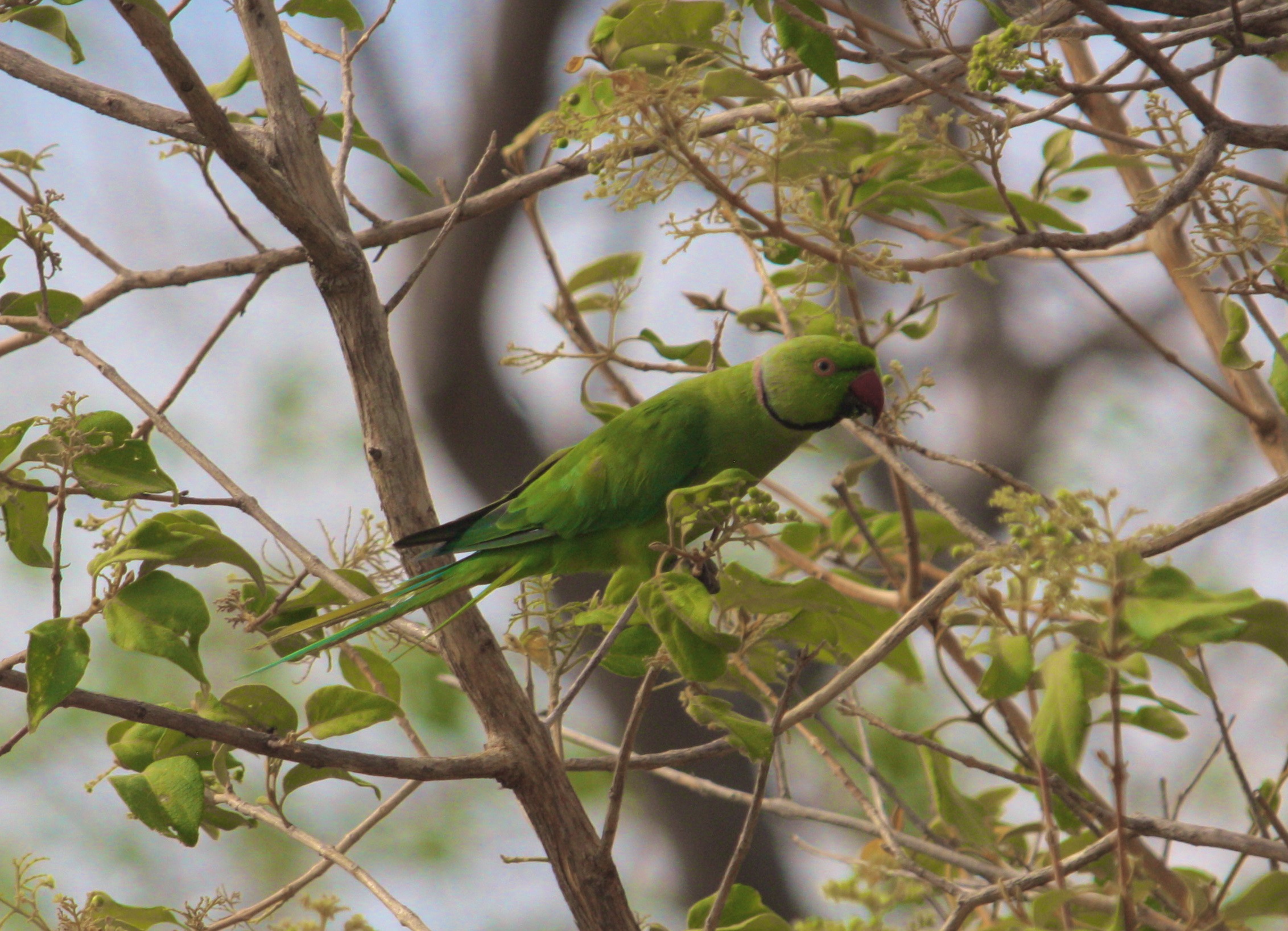
Uda Walawe, Sri Lanka
Another session of Michael Pollan‘s course at UC Berkeley brings us back to the colorful, and colorfully clad, storyteller Peter Sellars, alluded to nearly one year ago. Intensely bracing. Give it the full 90 minutes it deserves (halfway through he begins making references to pre-vedic texts in India about food’s sacred role in life, and the importance of sharing it; at minute 56 he begins a very interesting discussion of Coca Cola in Kerala, and thereafter many references to wonderful phenomena in south India).
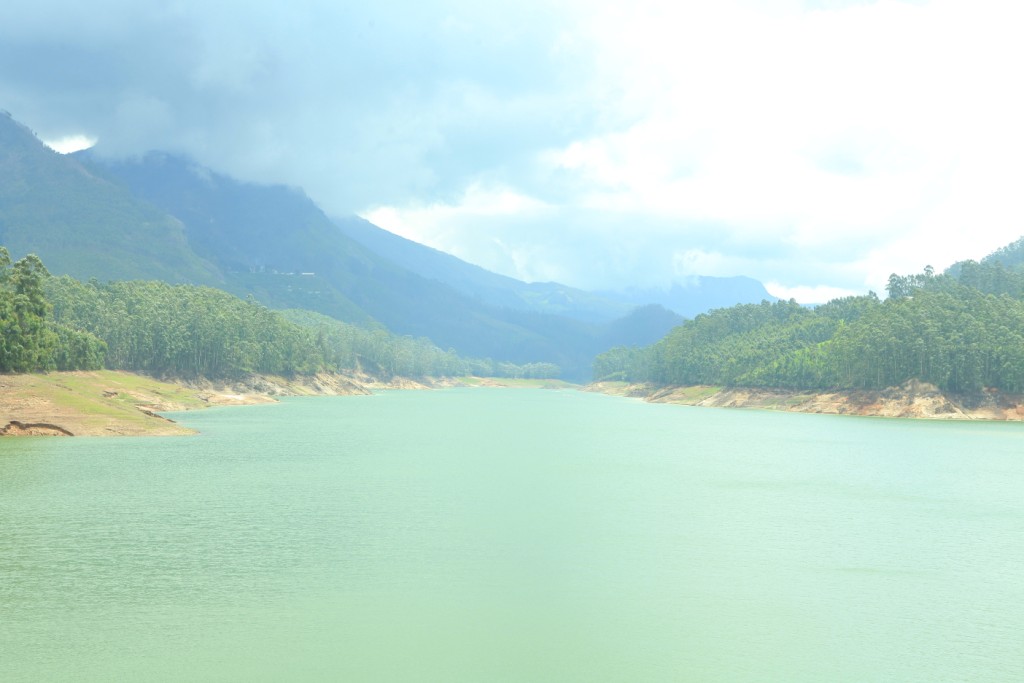
Mattupetty Dam
Near Munnar and at an altitude of 1700 meters above sea level, Mattupetty is a favorite haunt of weekend picnickers due to the temperate climate. The beautiful Mattupetty lake, created by the small hydro electricity dam, is flanked by steep hills and woods. Continue reading

From last week’s New Yorker, a book review about the challenge to the dominant strain of science related to how mental traits evolved, saying it makes no practical difference. This is the stuff science is made of, starting with stories:
When Rudyard Kipling first published his fables about how the camel got his hump and the rhinoceros his wrinkly folds of skin, he explained that they would lull his daughter to sleep only if they were always told “just so,” with no new variations. The “Just So Stories” have become a byword for seductively simple myths, though one of Kipling’s turns out to be half true. Continue reading
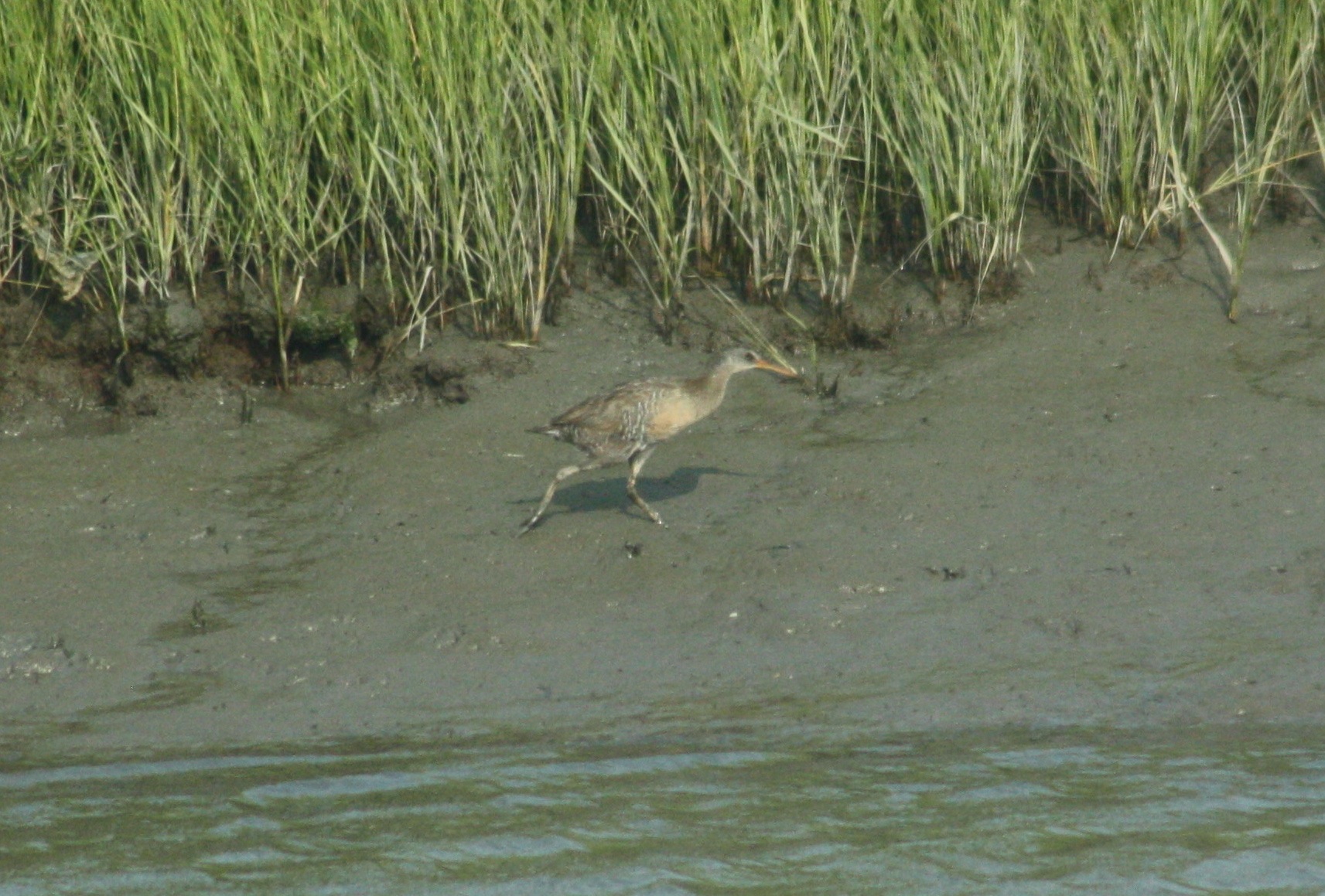
Edwin B. Forsythe NWR, NJ

Barbara Krumsiek, President and CEO of Calvert Investments, has led the company for 15 years.
Two summers ago, I had the pleasure of working at Calvert Investments, a Bethesda-based socially responsible investing (SRI) firm. The words “socially responsible investing” would often raise eyebrows as I attempted to concisely describe to other hotelies at Cornell what exactly Calvert does. Socially responsible investing is broadly defined as a holistic approach to investing that considers both the economic and social/environmental returns of your money. Although SRI accounts for less than five percent of all general investment funds, it is a growing field with potential. Cornell’s business school has had some interesting takes on this asset class.
So what does SRI look like? There are many different approaches, so I’ll just describe what Calvert tries to do. From Calvert’s view, it is an extensive process of research, indexing, and investing. First, we perform research on firms that we potentially want to invest in or that our clients are asking us to invest in. The research is comprehensive and looks primarily at environmental, social, and governance (ESG) issues for a specific company. For example, imagine that we’re considering to invest in BP. Some of the research we might do would ask these types questions (again, these are hypothetical, and they only skim the surface):
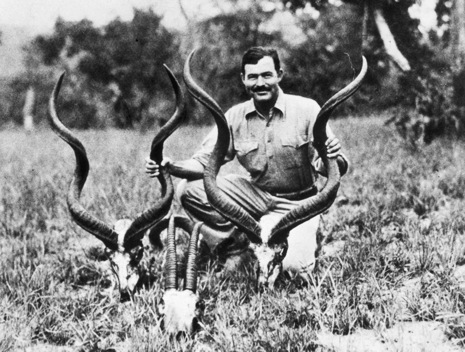
1937: American writer Ernest Hemingway (1899 – 1961) kneels while holding a pair of antelope horns during a safari, Africa. (Photo by Hulton Archive/Getty Images)
From The New Yorker‘s Page Turner series we highlight the last paragraph of a short comment by writer Brad Leithauser (click the image above to go to the source):
At his best, Hemingway creates a terrain where he is no longer breaking any rules of grammar or codes of good writing. In this particular territory, the codes no longer apply. After all his travels, he has taken the ultimate step and fabricated his own landscape, and those who come to inhabit it are his followers, abiding by his rules. They are legion. Turn any which way. Welcome to Hemingway country.

Kundanoor Junction, Ernakulam

 Organikos