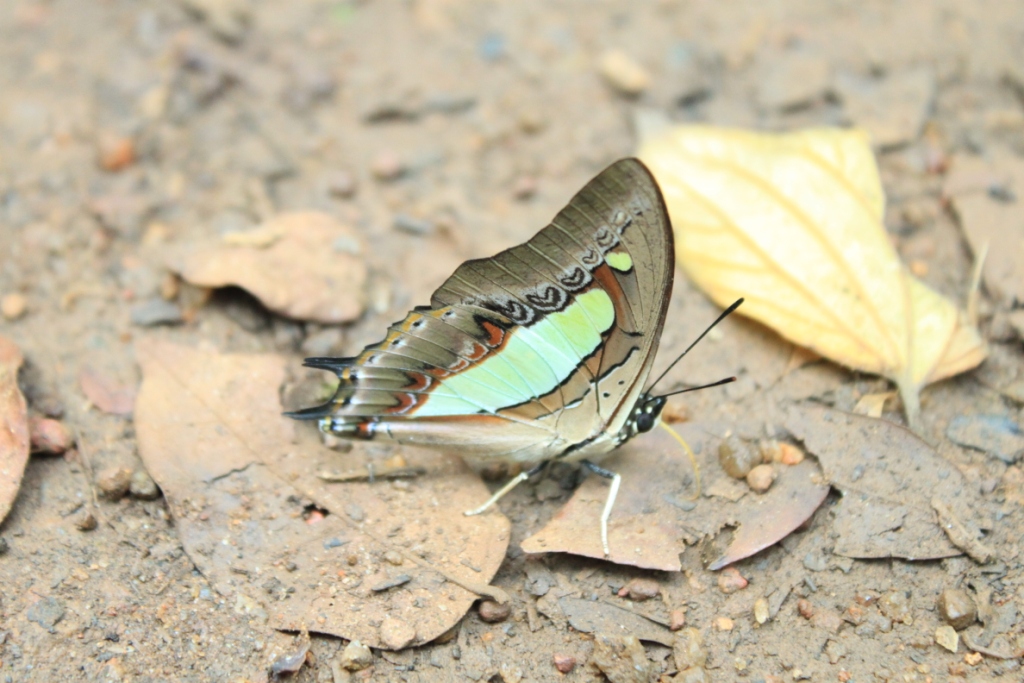
Nawab Butterflies are frequently found inside the forest, in damp patches as well as open areas such as pathways and fields. The butterflies have yellow and green patches on both side of the wings. Continue reading
Nawab Butterflies are frequently found inside the forest, in damp patches as well as open areas such as pathways and fields. The butterflies have yellow and green patches on both side of the wings. Continue reading
MEMORANDUM OF UNDERSTANDING ON THE CONSERVATION OF MIGRATORY SHARKS
After three meetings – the first in Mahé, Seychelles in December 2007, the second in Rome in 2008 and a third in Manila in February 2010 – the Memorandum of Understanding on the Conservation of Migratory Sharks was negotiated and signed. It commenced on 1 March 2010, the requisite number of signatures (ten) having been achieved in Manila at the end of the negotiations. Continue reading

Monterey, CA

Hanging by a thread? A study offers new insights on the greenback cutthroat trout. Image: Fish and Wildlife Service
From the Green Blog in the New York Times, a story about this beautiful creature:
The rare greenback cutthroat trout, Colorado’s state fish, is even more imperiled than scientists thought, a new study suggests. Continue reading

Native to Central Europe, Euphoria are now widely growing in the High ranges of Kerala.Their highly unusual, sculptural structure makes these plants look somehow rather bizarre. In Kerala these plants are grown as ornamentals in home and public gardens.
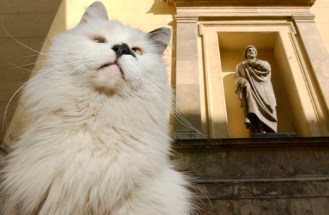
Vaska the cat, one of the Hermitage Museum mice hunters, seen in the museums yard, with an antic statue on the background, in St. Petersburg, in this April 25, 2004 photo. Cats have been part of the Hermitage’s security system since its founding days. (AP Photo/Dmitry Lovetsky)
Winding beneath the magnificent halls of St. Petersburg’s Hermitage Museum, with its Da Vincis, diamonds, Greek statuary, Egyptian parchments, enormous number of paintings, mechanical peacock clock, and other treasures, there is a catacomb of cellars. It was into this windowless nether region—far below the Winter Palace’s expansive view of the waters of the Neva—that Maria Haltunen and I had cautiously descended. As I followed her through a narrow, imperfectly-lit corridor, full of large pipes and jutting wires, Haltunen gasped. “Look!” she said.
In the semi-darkness, a little being had appeared. He perched, a foot-tall shadow, on a water pipe.
“Oh, you are a fat one!” said Haltunen, jangling the chain of her I.D. pass like a talisman as she approached the pointy-eared creature. “How nice you are!”
The cat sat, perfectly still. Then he vanished.

Uda Walawe, Sri Lanka

Vandaperiyar, Idukki District
Thanks to one of Atlantic Monthly’s most talented writers, who mostly writes on topics unrelated to our site, we came across the above. For many of us it is the first time hearing Hemingway’s spoken voice–we know only his written voice(s). The last line says it all.

Bi-Coloured Frogs are endemic to the Western Ghats, especially in Periyar Tiger Reserve. The tropical climate and abundant rain combine to create rich and varied niches that offer safe haven for these amphibians. The leaf litter–the most nutrient and species rich strata–is a favourite hunting ground for these frogs.
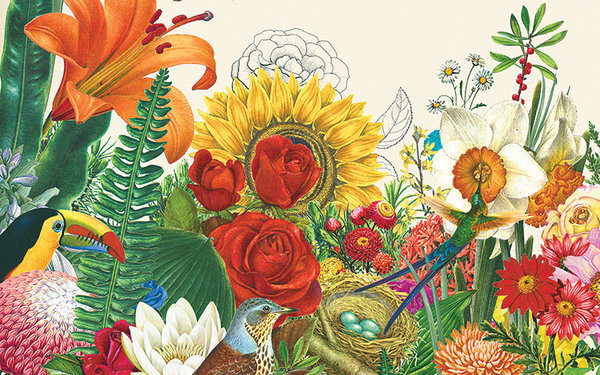
Illustration by Valero Doval
Click the illustration above to go to a great article in this past Sunday’s New York Times Magazine by Eliza Griswold about the historic significance of Rachel Carson’s book:
“Silent Spring” was published 50 years ago this month. Though she did not set out to do so, Carson influenced the environmental movement as no one had since the 19th century’s most celebrated hermit, Henry David Thoreau, wrote about Walden Pond.

Uda Walawe, Sri Lanka

Caves. What have they done for us lately? According to an article in Phys.Org, for astronauts they do amazingly important things, like providing:
…a taste of working as a safe and effective team during long spaceflights. In particular, they can hone their leadership and group skills while working in a typical multicultural team found on the International Space Station. Course designer Loredana Bessone explains the similarities of caving and working in space: “The ‘cavenauts’ have to adapt to a completely new environment. Working and living underground is both physically and mentally demanding.”
Community. Collaboration. We get it. This team spelunked for six days together and the video of their experience (after the jump) is worth six minutes, especially for any adrenaline junky. Continue reading
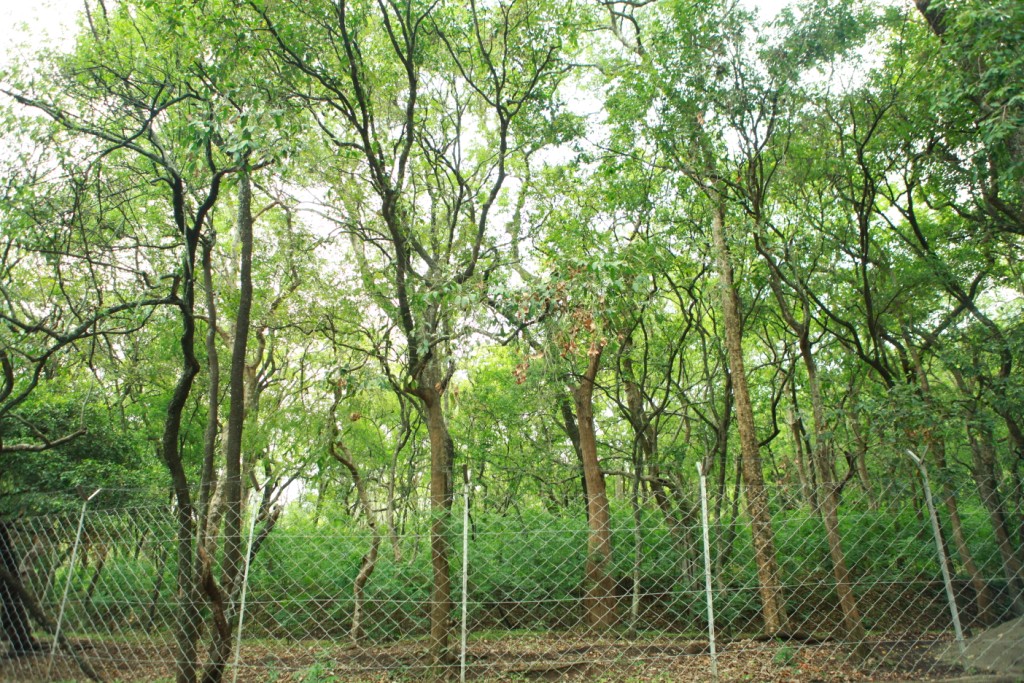
The only natural sandalwood forest in Kerala is near to Munnar at Marayoor. The sandalwood of Marayoor is said to be the best in the world. Continue reading

Basking Ridge, NJ

©Elephant Listening Project. A thermal image of a juvenile forest elephant drinking minerals dissolved in water at the Dzanga Bai, Central African Republic. Different color palettes can be selected for the images (this one used “rainbow”) while the videos and the image at right were captured using the “iron” color palette.
We first saw the photos in a magazine, and then realized two of our own contributors work under the same roof as the Elephant Listening Project.
Click the image to the left to go to their website for photos and videos of the amazing new approach to listening. We just returned there to see the new photo to the left and listen to some new recordings they have provided.
And then it dawned on us that we are currently identifying the theme of Summer 2013 internships and our related contribution to conservation at the Periyar Tiger Reserve, which has a healthy population of Asian elephants who may benefit from some listening.
Maybe one of our Lab-based contributors will help us with an introduction to their office mates in the Elephant Listening Project?
Cardamom County guests, Mr. & Mrs. Renjith, visited Periyar Tiger Reserve and shared some of their wildlife experiences with us.



Ig Nobel Prize Winner Dr. Elena Bodnar demonstrates her invention (a brassiere that can quickly convert into a pair of protective face masks) assisted by Nobel laureates Wolfgang Ketterle (left), Orhan Pamuk, and Paul Krugman (right). Photo credit: Alexey Eliseev, 2009 Ig Nobel Ceremony
Further to the theme started with reference to the book, now: Continue reading
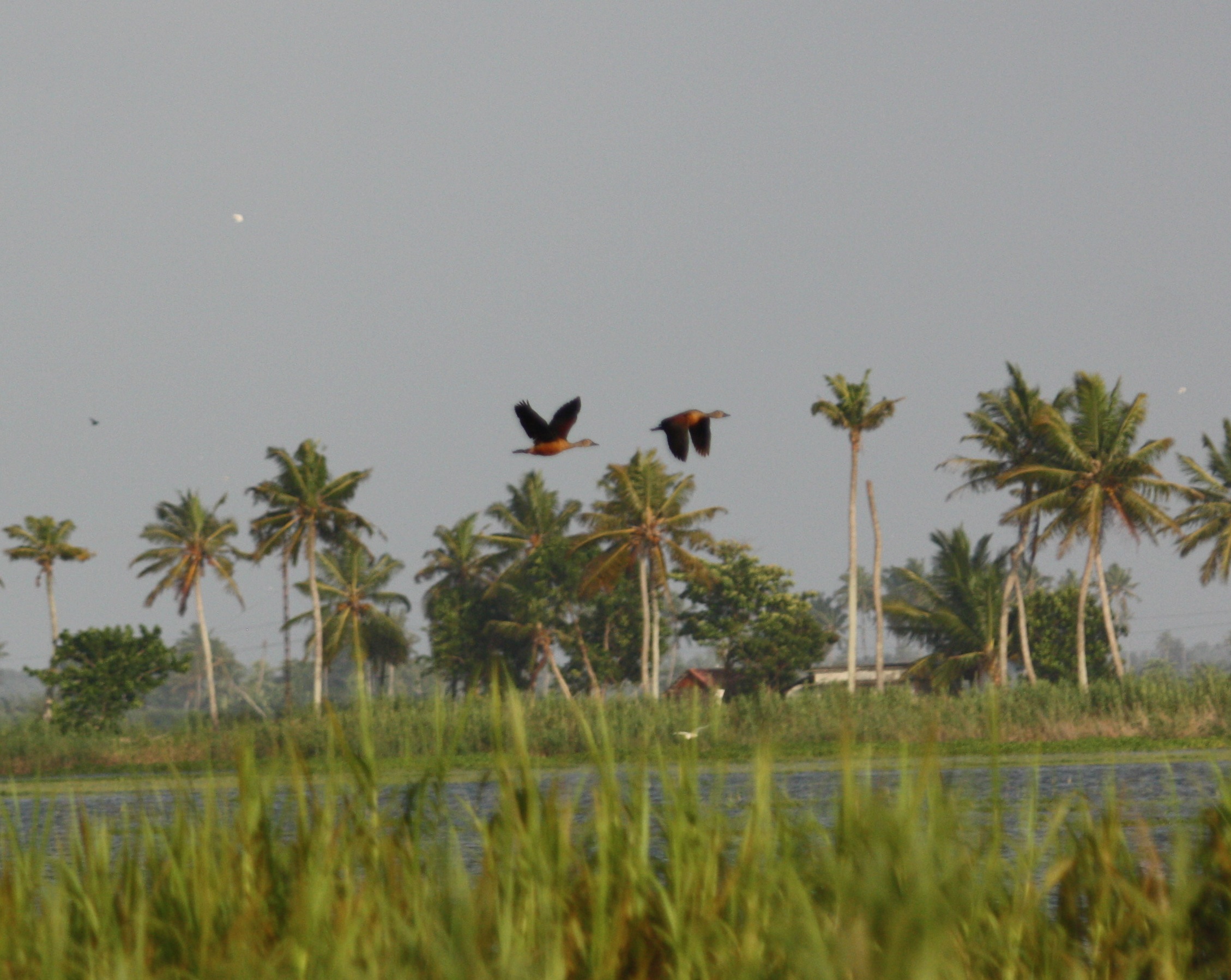
Kerala Backwaters, India

Toddy Shop, Kanjirapally, Kottayam District

