Birds, Book, Bother

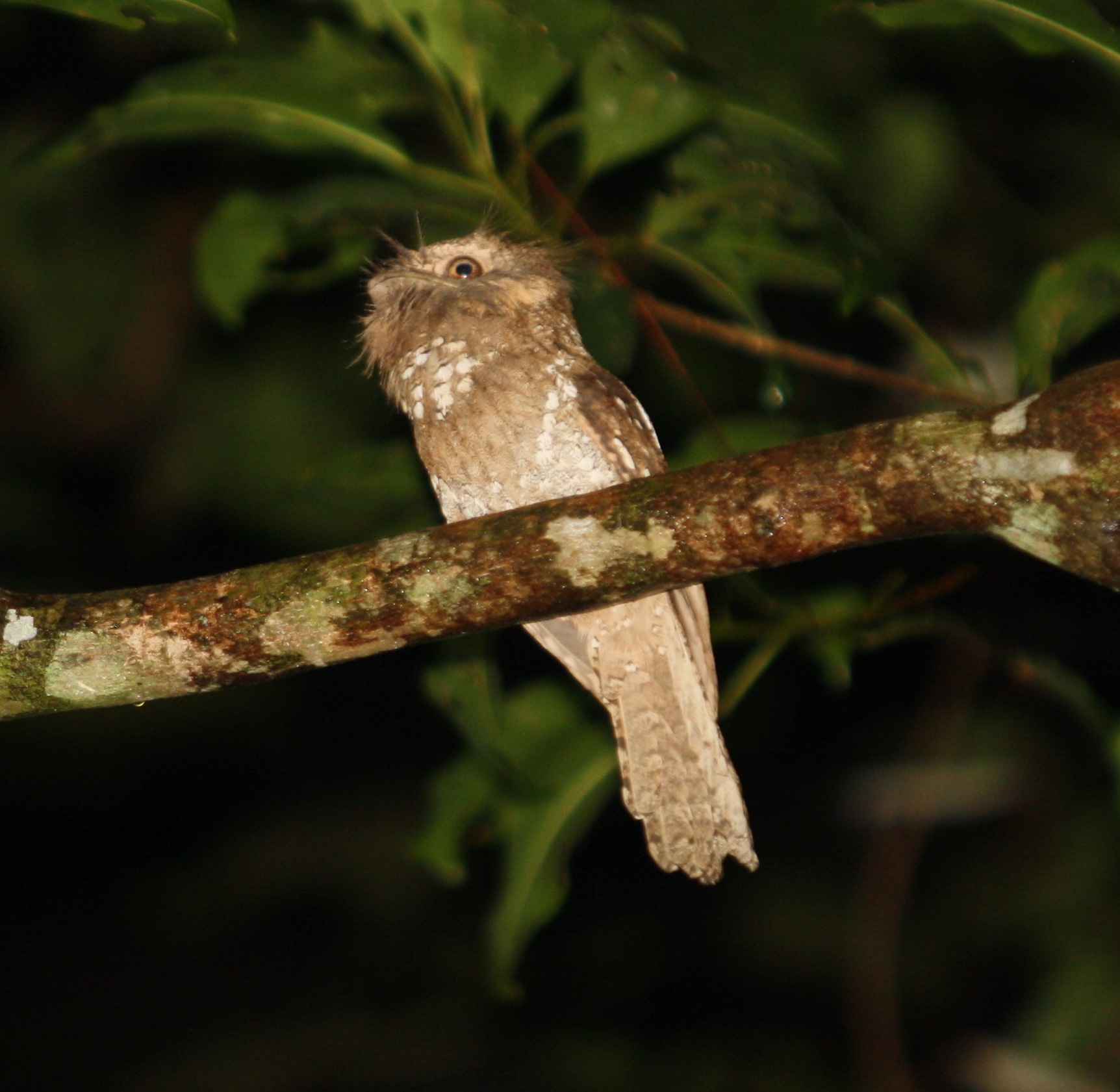
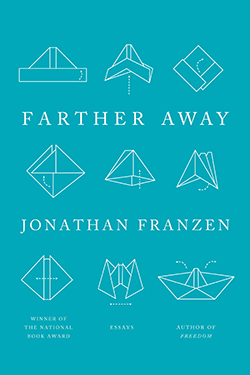
From the review in Smart Set (click to book image to go to the source) it is clear that we will enjoy this collection, whose title we had already seen in another context, from a writer we already had reason to admire for his attention to birds:

A novel is a bird. I learned this from Jonathan Franzen. It is the underlying message of his newest collection of essays, Farther Away.

Franzen became a bird watcher many years ago. He is almost apologetic about that fact, realizing that — in the opinion of most normal human beings — the birdwatcher is a slightly pathetic if otherwise harmless individual. In his commencement address at Kenyon College, “Pain Won’t Kill You,” Franzen writes: Continue reading
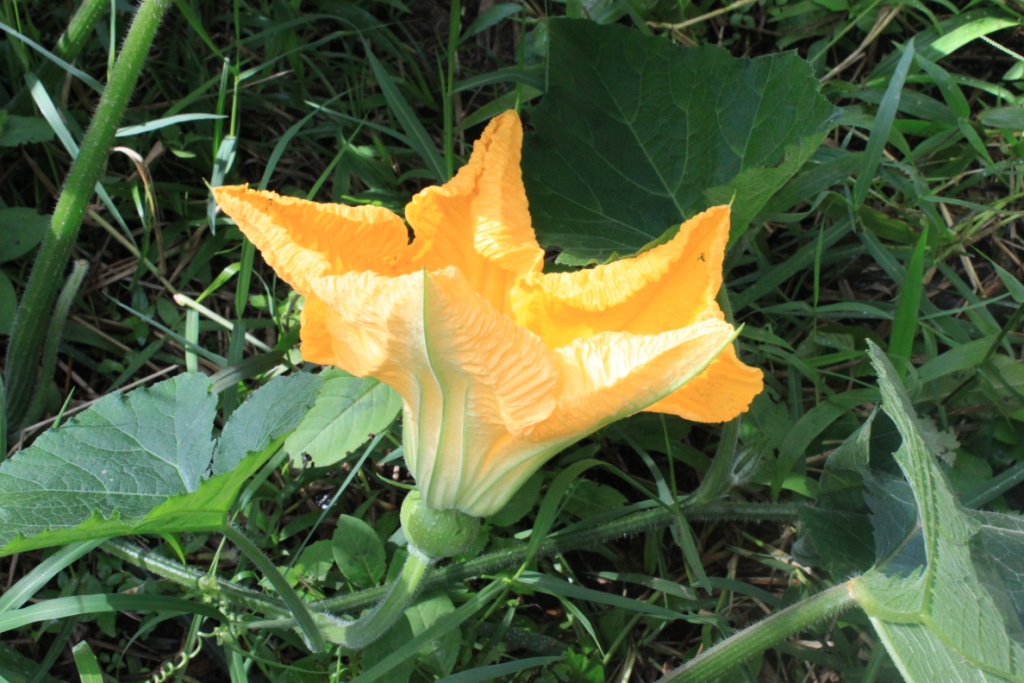
Pumpkin (Cucurbita maxima)

Although originally native to North America pumpkins are now widely growing all over the world as one of the largest vegetables. This gourd-like squash belongs in the botanical family Cucurbitaceae. In India they are commonly farmed in hill station ecosystems.  Continue reading

Conservation Crossroads, Asia

Click the headline above to go to the story:

On Sept. 1, 1914, the last passenger pigeon on earth died in captivity at the Cincinnati Zoo. The species, once numbering in the billions, had been hunted to extinction.

Around the same time, another iconic North American species, the bison, was also being hunted past the point of no return. But the bison didn’t die off steadily until the last one perished in an enclosure. Continue reading

“The Wheelchair Is A Portal…”

In coordination with the 2012 Paralympics British performance artist Sue Austin has revised her 2008 project “Portal” into “Creating the Spectacle!”, a piece that literally sends ripples across the divide between spectator, audience, galleries and stage.

The focus of the project has shifted from being about transforming preconceptions about the wheelchair to a more global perspective that we all have issues to transcend… Continue reading

Why Organic?

Click the banner above for the press release from Stanford University’s Center for Health Policy on the results of a new meta-analysis published in the Annals of Internal Medicine:

They did not find strong evidence that organic foods are more nutritious or carry fewer health risks than conventional alternatives, though consumption of organic foods can reduce the risk of pesticide exposure. Continue reading

Guinea Balsam

This slideshow requires JavaScript.

Guinea Balsam is a beautiful flower which was introduced from New Guinea. Also known as Impatiens,it is bushy, soft wooded-plant widely growing in Kerala especially in the hill stations. Balsam’s wide range of colors from red, purple, orange, white, and violet make a popular ornamental in many gardens.

Essential Reading & Listening

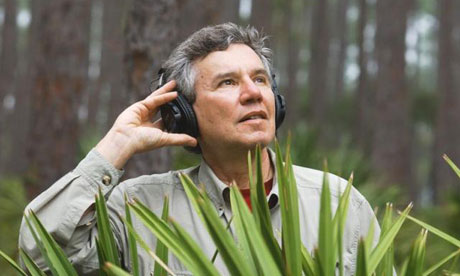
Musician and naturalist Bernie Krause has spent 40 years recording over 15,000 species in many of the world’s pristine habitats. Photograph: Courtesy of Hachette Book Group

Click his photo for the story.  Never heard of him.  But we have certainly heard his sounds:

Krause, whose electronic music with Paul Beaver was used on classic films like Rosemary’s Baby and Apocalypse Now, and who worked regularly with Bob Dylan, George Harrison and The Byrds, has spent 40 years recording over 15,000 species, collecting 4,500 hours of sound from many of the world’s pristine habitats.

But such is the rate of species extinction and the deterioration of pristine habitat that he estimates half these recordings are now archives, impossible to repeat because the habitats no longer exist or because they have been so compromised by human noise. His tapes are possibly the only record of the original diversity of life in these places.

Click the image below for the bigger story. Continue reading

Art & Nature Or Art + Nature

Bravo to the good folks of Australia for their public spiritedness, and for sharing it on vimeo.  Also thanks to the commenters (search on Goldsworthy and Australia and you will see there was lots of outcry on this) far and wide who shared their opinions.  Like it or not, this is where we are: less and less nature, more and more people who want to do/say something about it.

Onam Celebrations At Thekkady

This slideshow requires JavaScript.

Celebrations in Kerala are never focussed on the individual; they are about the land, the people and the society. The state’s most famous festival, the Harvest Festival of Onam takes place during the time when granaries overflow. In contemporary Kerala in addition to traditional customs there are exhibitions and sales across the state with music and dance events, flower shows and food festivals. These are some of the Onam festival pictures from Thekkady, which are organized by the Tourism department and Grama Panchayat (the local municipality).

You Probably Will Not Believe It

The Atlantic‘s website for mobile devices has run an article with the graphic above under this headline:

Why Does Canada Have a Strategic Maple Syrup Reserve?

Yes, difficult to believe. So click the image above to get the full story:

On Friday, news broke that thieves had stolen $30 million dollars worth of Quebec’s strategic maple syrup reserves. Much as the United States keeps a stock of extra oil buried in underground salt caverns to use in case of a geopolitical emergency, the Federation of Quebec Maple Syrup Producers has been managing warehouses full of surplus sweetener since 2000. The crooks seem to have made off with more than a quarter of the province’s backup supply. (I personally suspect these guys.)

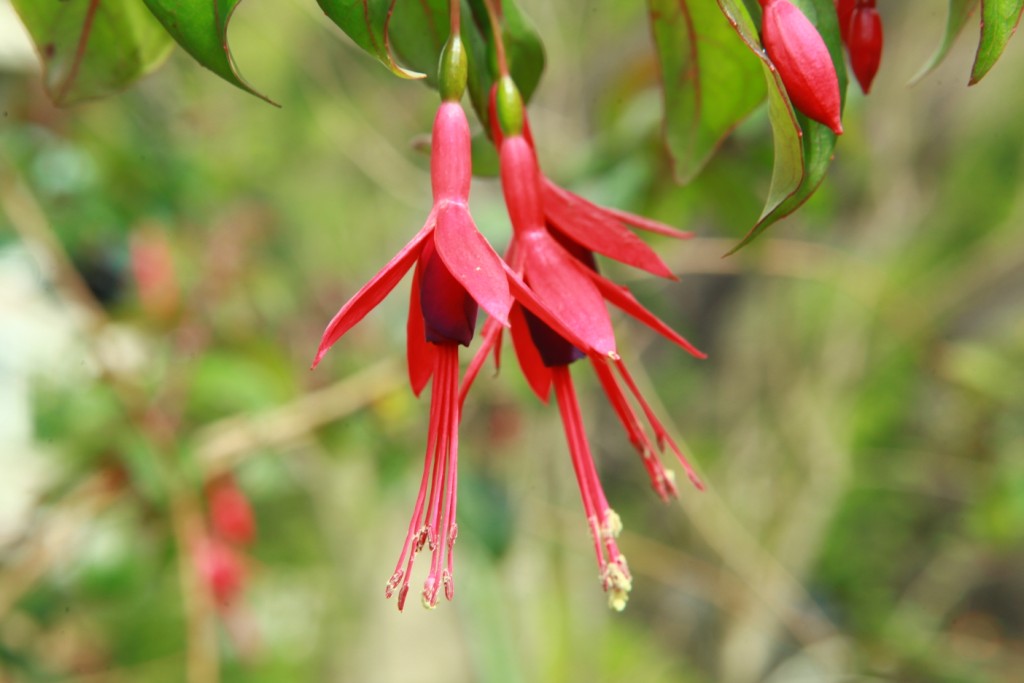
Fuchsia Magellanica “Georg”

Fuchsia magellanica is an upright shrub that reaches a height of 3-4 feet. The plant is a famous ornamental found in the Western Ghats of India above 1500 meters. It bears flamboyant flowers with deep red sepals and purple-red petals. Continue reading

Yasuni Model Of Conservation

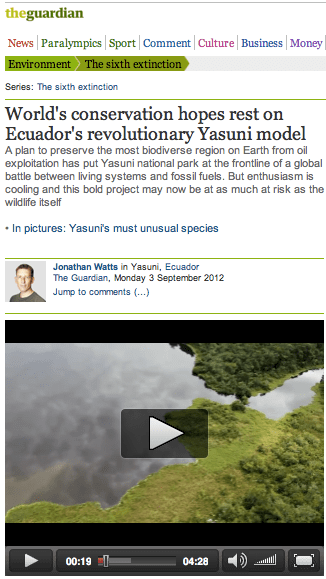
Click the headline to go to the story:

In their first hour in Yasuni’s Amazonian forest, many people will see more creatures than they have seen in their entire lives, including some that have yet to be documented by science. To paddle up the Ayango creek that leads from the traffic and pollution of the Napo river into the most biodiverse region on Earth is to encounter a wall of noise, frequent bursts of colour and unimaginable combinations of life.

A tiger heron flaps lazily past our canoe, electric blue Morpho butterflies jolt the eye, spiders the size of an adult’s hand sit on branches, and kingfishers flash past. On a mud bank, a lizard suns itself, while high up in the tree canopy, we catch glimpses of flying monkeys and grunting Hoatzin “stinky turkeys” – prehistoric survivors with claws that grow into wings…

A Flux Of Thought From Sri Lanka

Whenever we check in on The Smart Set we find something interesting, and today it was an essay by Stefany Anne Golberg — an artist, writer, musician, and “professional dilettante” who is also a founding member of the arts collective Flux Factory.  Click the image above to go to Flux Factory, but be sure to read her interesting take on a recent New York Times article about monkeys in Delhi:

It wasn’t so long ago that monkeys and people cohabitated in Delhi like monkeys and squirrels or people and people. They competed for space and food. They shared the same sky. Their lives were fundamentally commingled. This commingling is still common in less developed countries, such as Sri Lanka, where I am presently living.