
Basking Ridge, NJ
Basking Ridge, NJ

In early summer the forests of the Western Ghats are roaring with the sounds of insects. Crisp dried leaves crackle underfoot, and monkeys howl in the distance. I didn’t really expect to see animals – any intelligent enough to survive would be sleeping in a cool hollow somewhere. Despite the heat, the woods are beautiful, and the scenes unfolding before my eyes as we trek deeper into the reserve grow more and more unusual, with trees’ limbs and roots seeming to grasp and grope. Continue reading
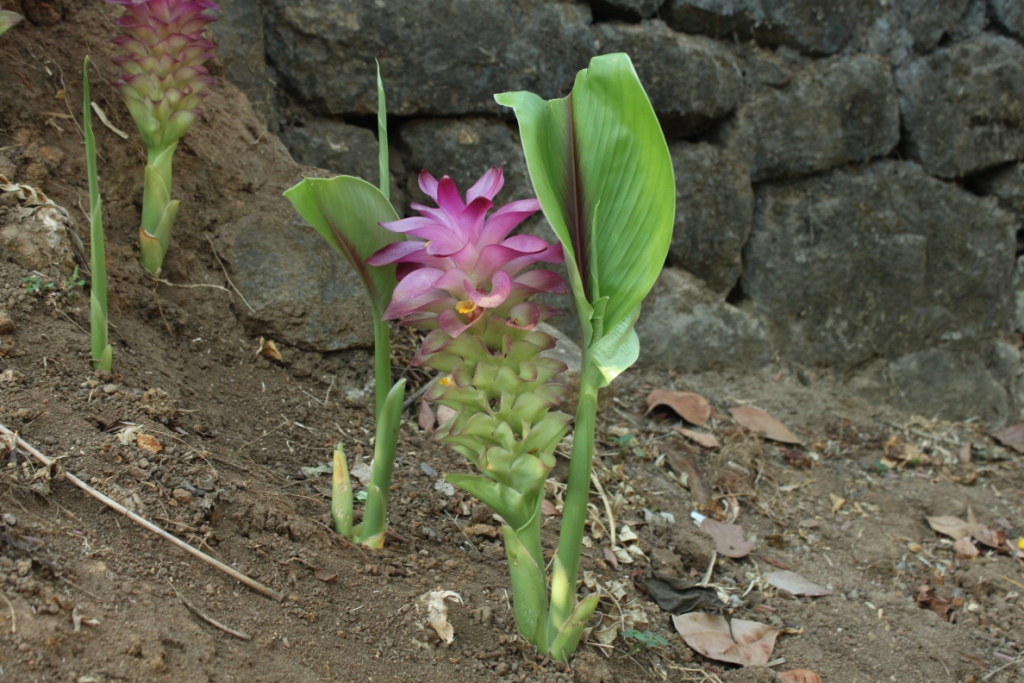
Hill Turmeric (Curcuma pseudomontana) is a tall 60 to 70cm perennial native to the Western Ghats which is commonly found in forested slopes. The attractive bright yellow flowers are borne among mauve-purple bracts.


Photo: Joshy Manjumel
Pakal Pooram is a small-scale version of the grand Thrisssur Pooram. The Pakal Pooram (Day Pooram) pictured above took place last December in Thekkady as a tourist attraction.
Elephants have been the part of the cultural ethos of Kerala for centuries. The people of Kerala consider this animal a harbinger of good fortune, a remover of obstacles and as a representative of the god Ganesh, an inseparable and integral part of religious and economic life.


File photo by Stephanie Mitchell/Harvard Staff Photographer
I have already said how surprising I found it that writing about the influence of classical literature on modern thought can be so effectively illuminated; in fact I could not help but say it a couple of times. On this site we like to celebrate the success of our favored visionaries, writers, producers, educators, artists, thinkers, doers. One of the publications at the university where he teaches had special reason today to put his name in visible circulation (click the image above to go to the story) with the announcement mentioned here:
Greenblatt’s book, which describes how an ancient Roman philosophical epic helped pave the way for modern thought, was awarded the 2012 Pulitzer Prize for general nonfiction.
In its citation, the Pulitzer board described “The Swerve” as “a provocative book arguing that an obscure work of philosophy, discovered nearly 600 years ago, changed the course of history by anticipating the science and sensibilities of today.”
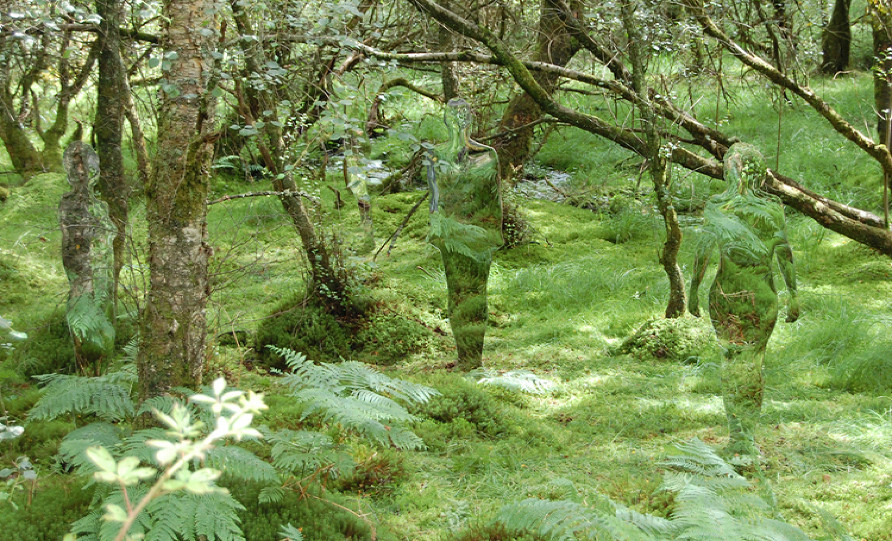
Vestiges, David Marshall Lodge, 2012
Scottish artist Rob Mulholland‘s work touches on Man’s relationship with Nature in many ways, but for me the most essential is the most literal. At our very best we reflect the beauty of our environment, in the same way that we are said to reflect the divine.
A few minutes ago every tree was excited, bowing to the roaring storm, waving, swirling, tossing their branches in glorious enthusiasm like worship. But though to the outer ear these trees are now silent, their songs never cease. Every hidden cell is throbbing with music and life, every fiber thrilling like harp strings, while incense is ever flowing from the balsam bells and leaves. No wonder the hills and groves were God’s first temples…
-John Muir Continue reading

Palos Verdes, CA
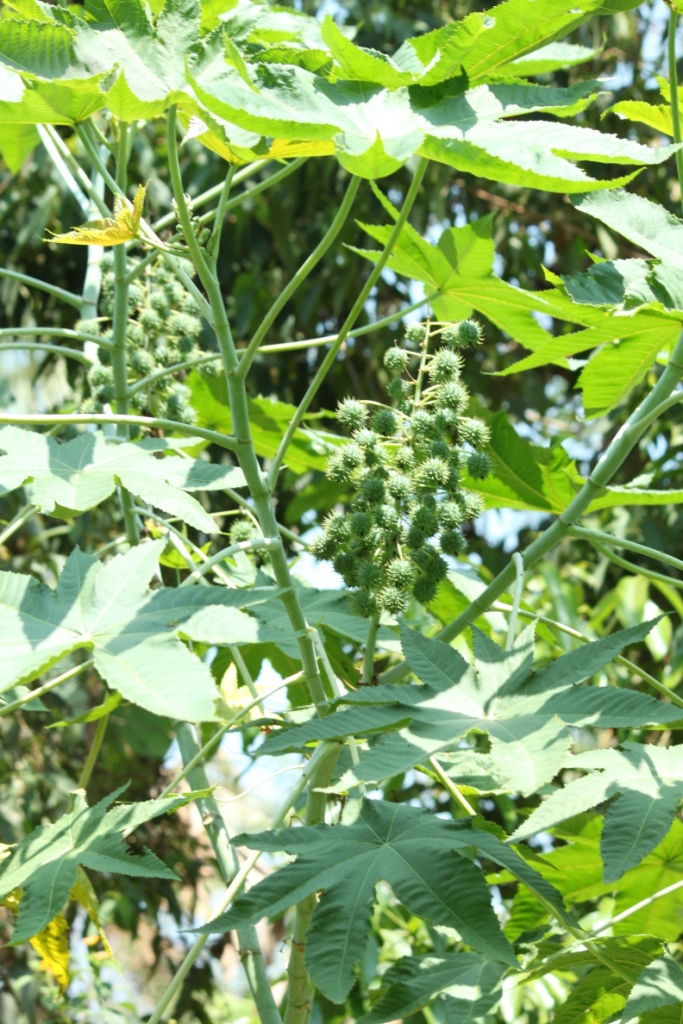
The Castor plant is a very strong, sturdy plant growing throughout tropical regions, common along stream banks, riverbeds, bottomlands and any hot area where the soil is well drained. This fast growing plant grows to a height of 6-15 feet in one season and can reach the height of 39 feet. It can live for many years in mild climates, and can become quite woody, like trees.
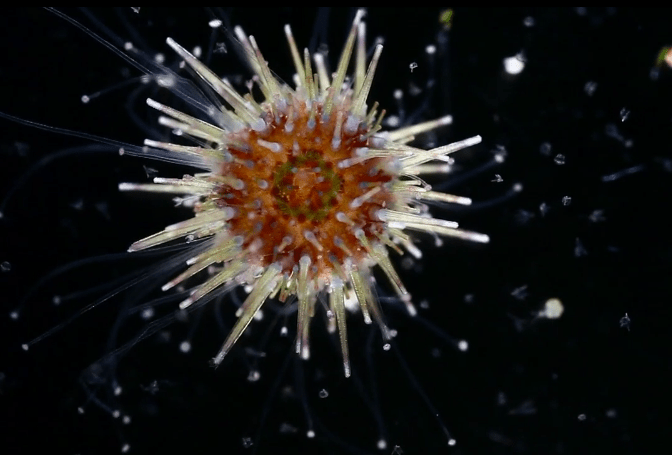
Despite its “Science Fiction Trilogy” sounding name, The Plankton Chronicles is a series of short, compelling educational videos made in conjunction with Tara Oceans Expeditions (a scientific expedition to “sail the seven seas” collecting plankton samples to understand and hopefully mitigate the effects of climate change) and the Observatoire Oceanologique de Villefranche-sur-Mer.
Viewed as a set, they invite the viewer into the kaleidoscopic world that exists in a teaspoon of seawater as well as the open oceans. Click on the image for a macro lens glimpse. Continue reading

Ding Darling NWR, FL

Male Common Emigrant
This butterfly is the most common among the six species of Grass yellows that are found in Kerala. Though often found flying languidly over grassy patches, this small, fragile insect has nothing to do with grass. Its food plants are Cassia legume and other legumes. It is on the wing throughout the year, except during winter extremes. It is often seen on garden flowers and on damp patches where the mud is puddled.
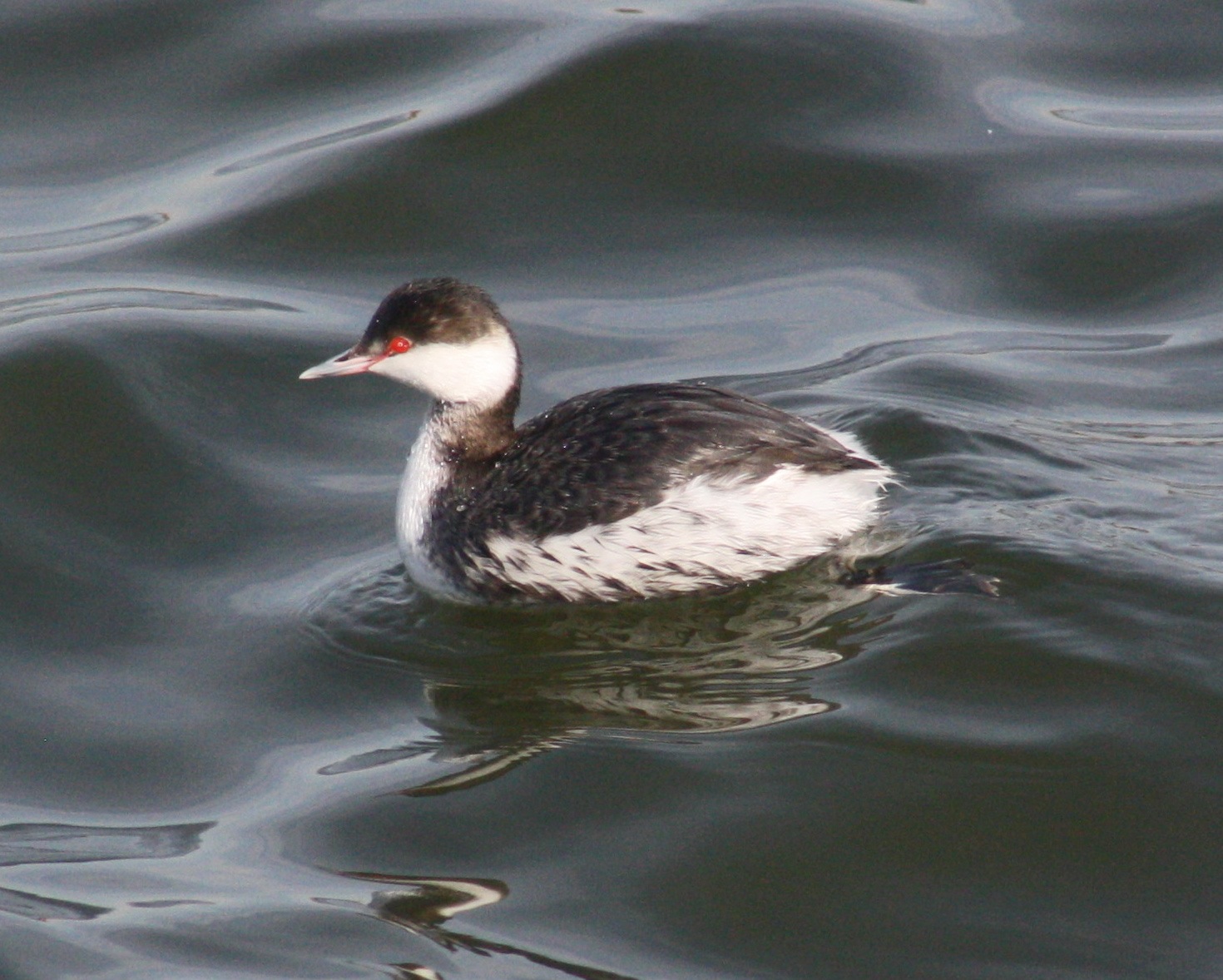
Bayonne, NJ

The Areca Nut palm tree is an unbranched, erect, medium sized monoecious (unisexual) tree growing in humid tropical regions. Its has fragrant, white flowers that mature into olive shaped, reddish-orange fruit, about 4-5 cm long in which lie the areca nut. The areca nut is a major commercial crop in India. These are often chewed along with betel leaves and hence are also called Betel Nuts.

India’s Western Ghats are one of our planet’s most biodiverse zones – as well as an intensely beautiful geological spine that separates the southwestern coast of the subcontinent from the southeastern. Kerala’s border with Tamil Nadu coincides with the range, which poses no mysteries. Transportation over the hills and mountains is tedious, and each side has it’s own cultural and meteorological identity; the border makes sense to an outsider. Continue reading

Click the image above to go to the article in Financial Times about a museum inspired by a book, and an author’s life experience:
In a dark-red Ottoman town house in Istanbul’s antiques district, a fast-gentrifying quarter where brassware spills on to steep, cobbled lanes, an idiosyncratic museum has been taking shape. Continue reading
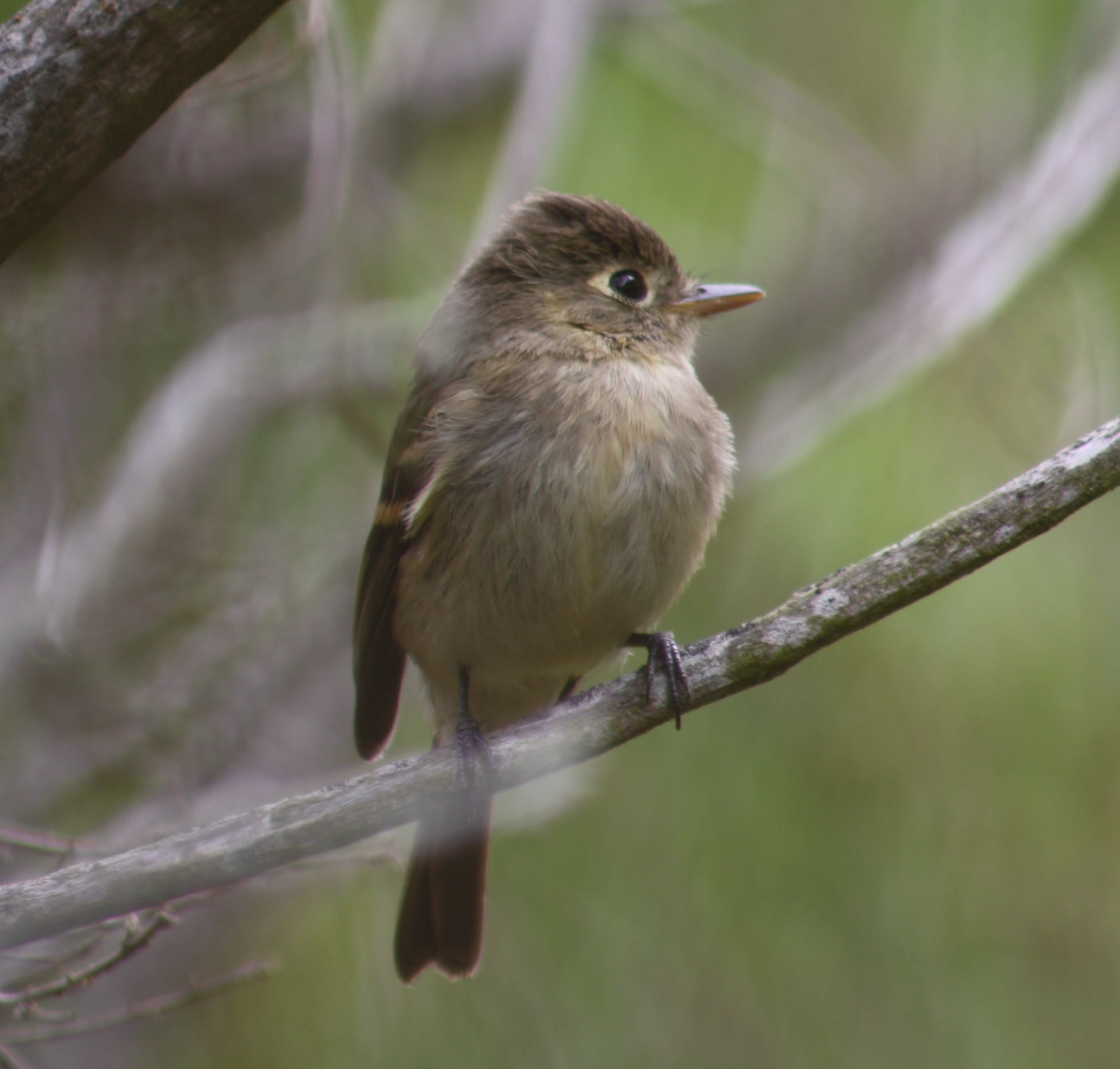
Palos Verdes, CA

Indian Borage (Plectranthus amboinicus) is a perennial herb which grows up to the height of 30 to 60 cm. It is in the coleus family in which the entire plant is succulent and does not become woody. The plant is also known as Mexican mint and Spanish thyme due to its strong flavor and aroma.

Click the image to the right to go to the Guardian’s article in today’s paper about a campaign to reduce light pollution. We tend to like these stories, and that publication, and have been known to support pollution-reducing schemes in our own communities; but quoting our favorite cosmos guru ensures attention: Continue reading
 Organikos