The festival has the kind of illustrious history that makes it interesting enough on its home turf in Wales; its more recent evolution is a sign of creativity in motion. Take a look at this story from the most recent iteration of the festival in Kerala, and then after the jump see more on one of the festival’s participants in Colombia last week. Continue reading
Is It Winter?
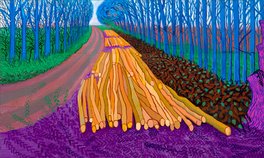
The leading international forum for literary culture, aka The Times Literary Supplement, has a blog that covers more than literary topics. Click the photo to the right if you enjoy the snippet here:
In his new biography of David Hockney, Christopher Simon Sykes tells a story about the practicalities of making pictures: the young art student, caught up in a flurry of creativity, ran out of paint and couldn’t afford to buy any more. Continue reading
Bird of the Day: Spotted Dove (Calicut, India)
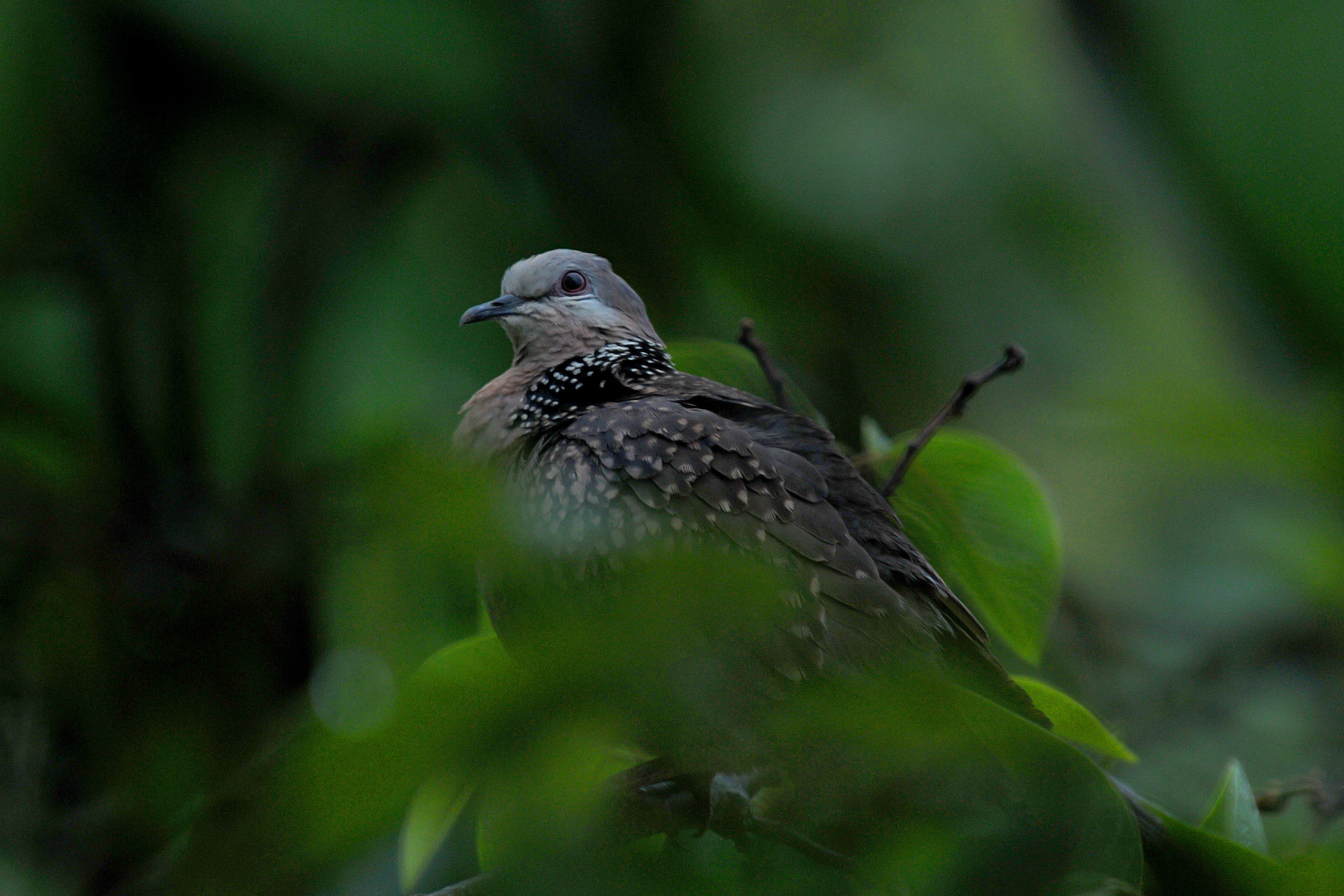
Photo: T.J. Varghese
Praying Mantis
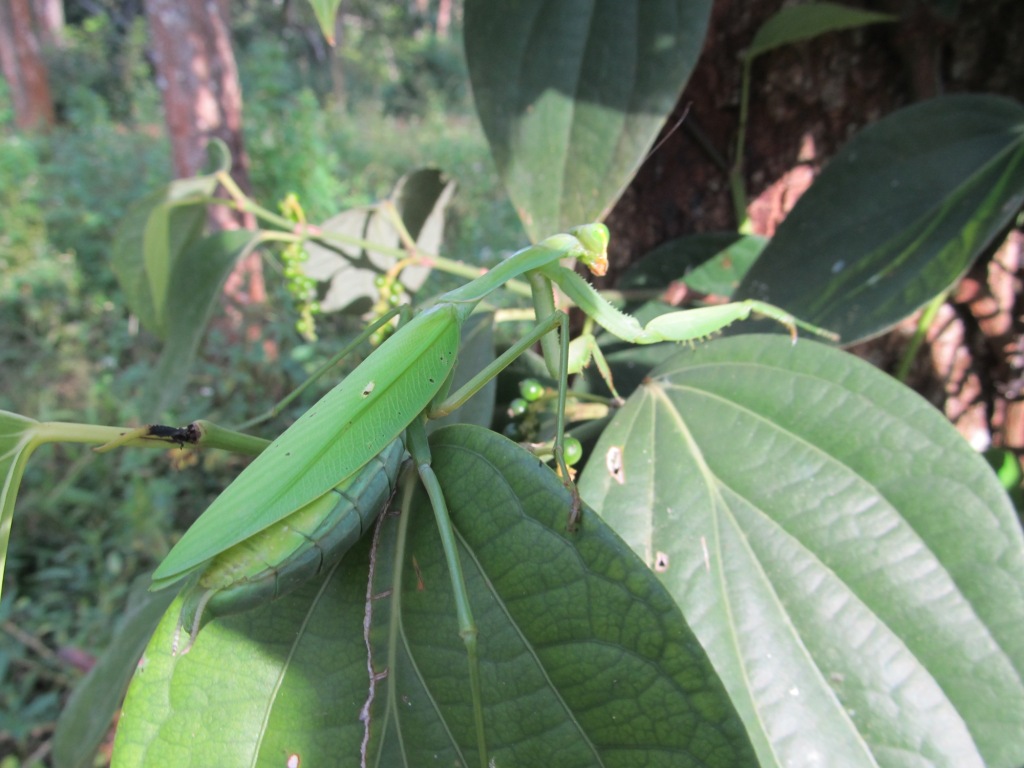
This photo has been taken near the tribal village (Mannakudi), Periyar tiger reserve December 2011
The praying mantis is the common name used for this insect due to their typical ‘Prayer-like’ stance. The word ‘mantis’ is actually derived from the Greek word ‘mantis’, which means fortune teller, or prophet. Continue reading
Bird Of The Day: Great Cormorant
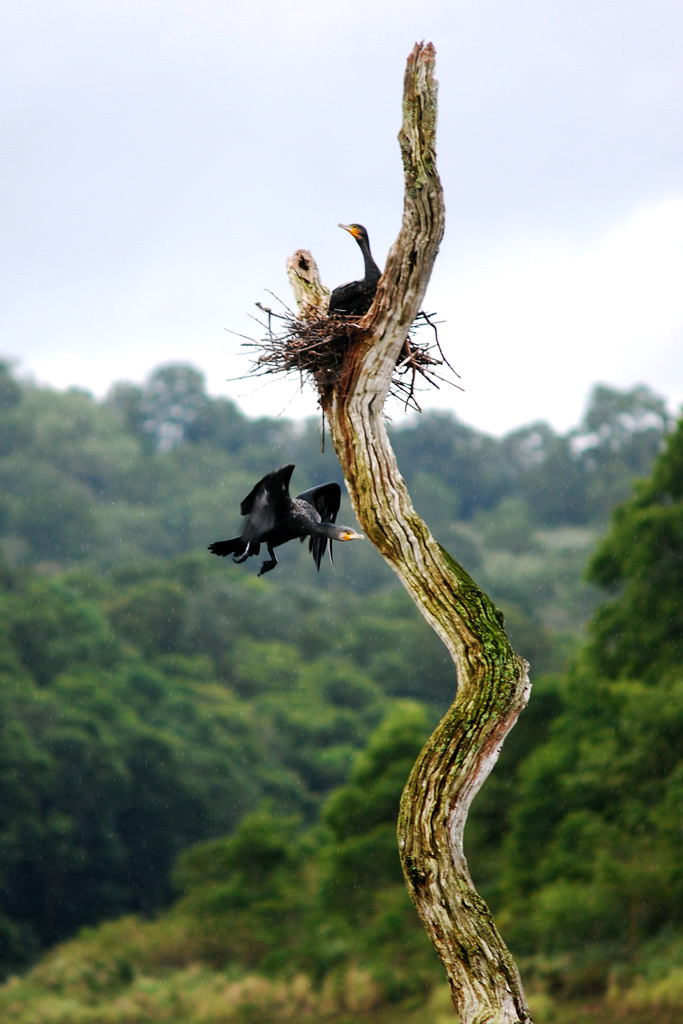
Photo: T.J. Varghese
Periyar Reserve, Kerala
Theyyam – The Ritual Dance 2
 In Kerala, almost every village has its own temple, with an annual festival. So there’s always a local festival happening somewhere or the other. As we mentioned about Theyam in our previous post, there are more than 400 Theyams performed in Kerala each year. Continue reading
Europe’s Green Capital
So I’ve left behind the wild, lush landscape of the Costa Rican rainforest and arrived in Strasbourg, France, to find a completely different kind of green.
Costa Rica is one of those countries the climate change debate focuses on – it’s the epitome of natural diversity and everywhere you turn there is some species or habitat that could be gone in 20 years’ time. Or 10 years’ time. From the rainforests I hiked through to the sloth sanctuary my mum and I visited, everything there seems at once so wild and so fragile. The conservation efforts we see there are direct, tackling the specific problems the land faces: protected areas are being designated, turtle-watching programmes are being set up to monitor and protect the species, and the people at Aviarios sloth sanctuary provide education for locals as well as caring for the animals.

Places like the Manuel Antonio National Park have to concentrate on the effects of climate change.
Bird of the Day: Chatham Mockingbird (Galapagos Islands, Ecuador)

(unique to Chatham Island In The Galapagos archipelago)
Red Leadwort (Plumbago Rosea Linn)
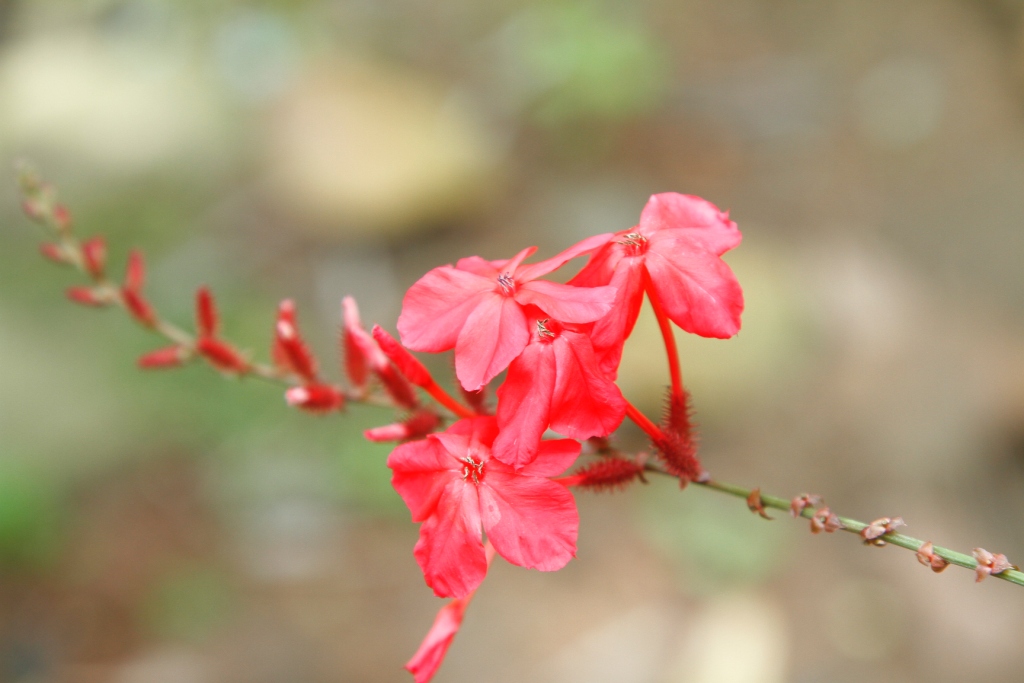
Red Leadwort (Plumbago rosea Linn ) is an ornamental plant which is found in most gardens in India. The main attraction of this plant is its flower stalk, but more importantly the plant is used in the field of Ayurveda for its medicinal values. Continue reading
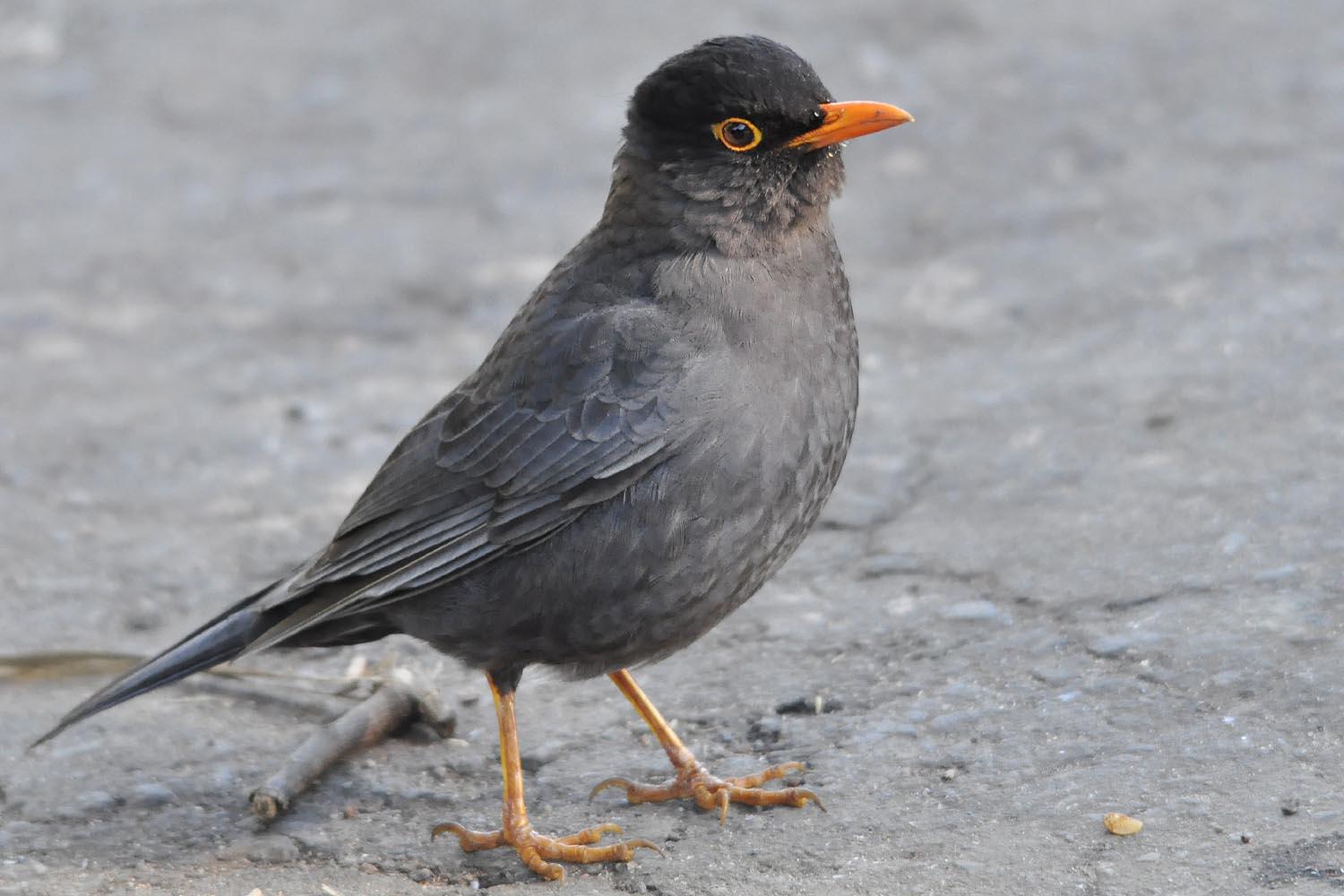
Bird of the Day: Eurasian Black-Bird (Ooty, India)
Peel, Warp, Rust
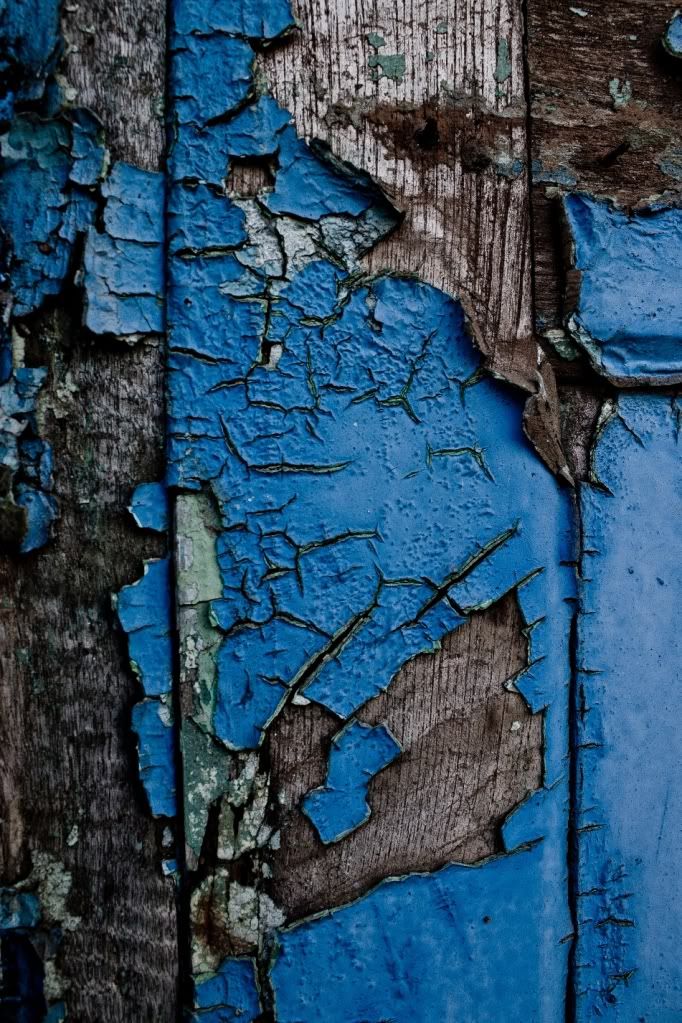 Urban decay. From a bird’s eye view, an old city overgrown may look as clean and composed as a modern metropolis. But for an insect on a wall, every surface is a landscape; cracked and scarred, bruised and faded. Paint peels, creepers climb, and dust invades, creating an eerily beautiful visage of element and age. Historic Fort Kochi has no shortage of crumbling buildings and waterfronts, most of which are still in use. Mattancherry’s spice wholesalers operate out of buildings with as much character as themselves, and ferries come and go from half-sunken jetties of old stone. Any of a thousand walls can be seen as a canvas, small pieces of which may paint a tale of time. Continue reading
Feathered Finery
I am constantly amazed by the number of artists who find inspiration from the world of ornithology. Whether crafted with bits of bauble, tufts of fabric or a steady, painterly hand, birds have attracted the artistic imagination since mankind had tools to immortalize it.
Working with handmade clay, paper and paint, this “birdophile” artist who works under the name “Dou Dou” (the French term for a child’s “lovey”, or something that is most cherished) makes no secret of her feelings for the world’s feathered creatures. Continue reading
Periyar Sightings: January 6-7, 2012
We are sharing some of the snapshots taken by Ms. Sofia, who stayed at Cardamom County on 6th & 7th of Jan-2012, from Periyar Tiger Reserve.
The Dry Tortugas

Nesting Brown Noddies
The sun rose on a beautiful spring day in southern Florida. After a week and a half of birding with my dad across the state, our trip was coming to a close. During this time we had seen some amazing species: Mangrove Cuckoo, Snail Kite, Swallow-tailed Kite, Snowy Plover, Black-whiskered Vireo, Short-tailed Hawk, and so much more. However, we had saved the best for last.
The Cyberspace Jungle
Today, w e are bombarded with information. Millions of bits–photos, text, video–stream by us every second we’re on the web. And we’re always on the web. Mobile devices on 3G (and now “4G”) and lightweight laptops able to access nearly ubiquitous WiFi hotspots mean that the modern age is certainly the information age. And the Internet continues to grow riotously; like a tropical rain forest, millions of unique niches exist, but they are inhabited here instead by users and data. And much like a natural ecosystem, the internet is also inextricably interlinked and interdependent: hyperlinks, reference pointers, and social media make the Internet a pseudo-organic entity that has its gaze turned not only outward (towards expansion) but also inward (towards connections). In its own way, the internet is an oddly beautiful thing. The freewheeling, ever-shifting topography of the web means that from second-to-second it’s never quite the same place.
But for all its seductive beauty and facile utility Continue reading
Our Gang, Thevara (Sunday Shuttle)
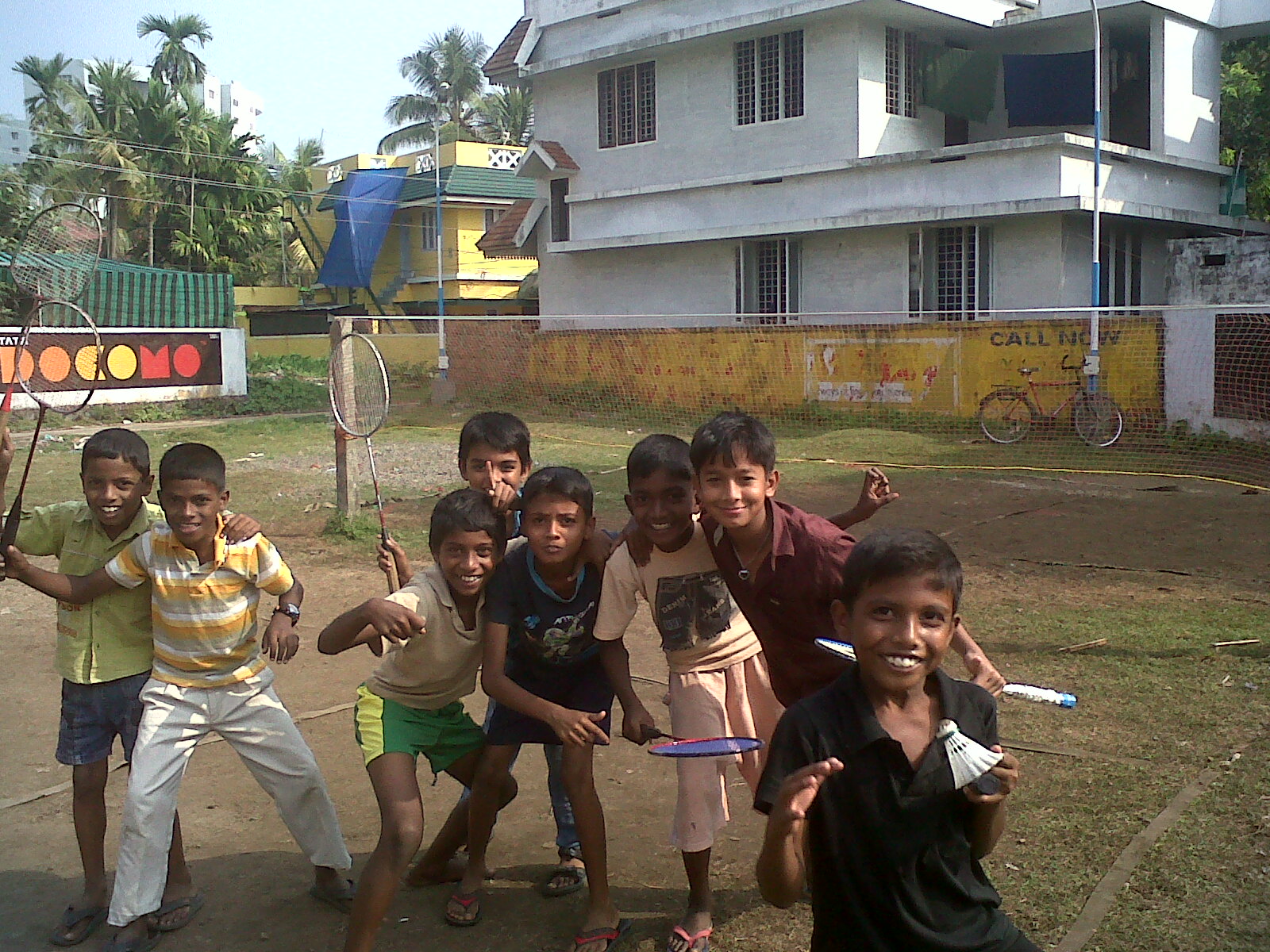
The friendliest fellows to be found. Any passerby will get a smile. Any passerby who tries to click a snapshot will get the royal treatment: a split second shift from the middle of a game (which was the point of the snapshot) to the most spectacular improvised pose that could be mustered. Continue reading
Bird of the Day: Greater Flameback Woodpecker

female – Thekkady, India
Entrepreneurial Conservation Through Rockclimbing
Guest Author: Robert Frisch
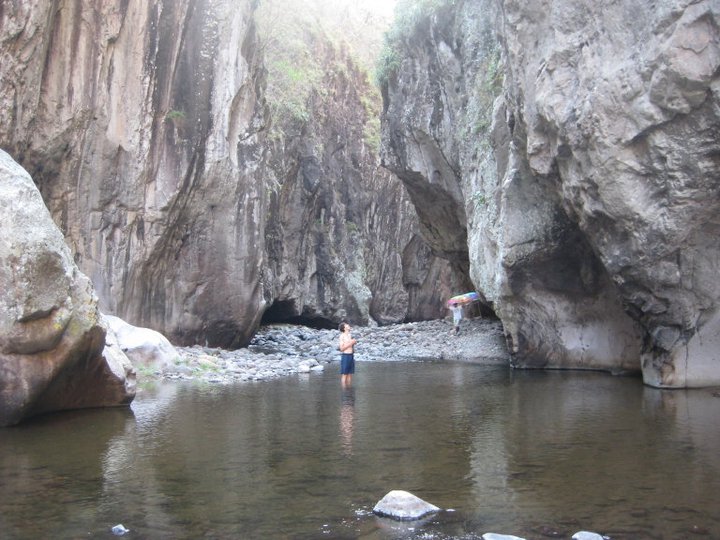
The burgeoning sport of rock climbing is an excellent example of how an adventure sport can propagate the conservation of natural areas through private sector initiatives. In the early days of the sport, climbers would hammer iron “pitons” into cracks in the rock as they ascended, and attach ropes to them in order to protect against falls. The pitons were not designed to be removed, and can still be seen on some of the classic climbs around the world. Visionary thinkers such as Yvon Chouinard (of the Patagonia clothing and gear company) were unsatisfied with the fact that with each new climb, permanent scars were left in the rock, and set out to devise other means of protection. Nowadays, climbers use removable “nuts” and “cams” that still protect against falls, but leave no trace in the rock. In fact, rock climbers have even set up organizations such as the Access Fund that participate in conservation and land protection initiatives. The sport has also helped to bring much needed revenue to rural areas as diverse as Slade Kentucky, Yangshuo China, or Sigsipamba Ecuador. Continue reading
Pepper Harvest and Paper Bags
Guest Author: Aby Thomas
The title “Pepper harvest and Paper bags” may sound unusual, but it’s related to the newspaper bags initiatives by Cardamom County and the forestry department to create alternatives means of income for the tribal ladies leading to community development. The Vanasree Auditorium ladies have multiple responsibilities based on their working directly for the forestry department. But the Mannakkudy ladies have had the newspaper bags as their primary income. Until recently….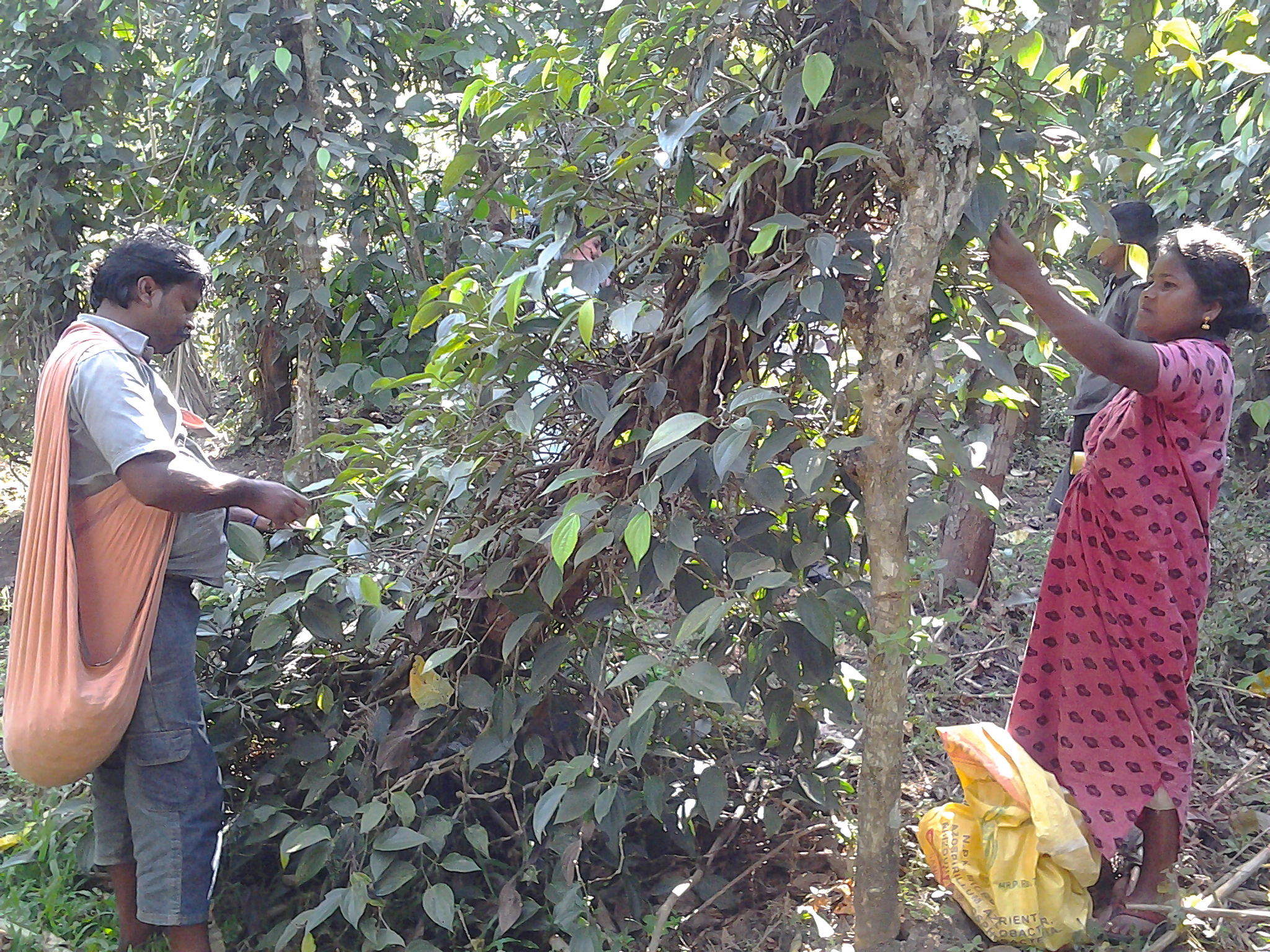 The paper bags unit was active until the end of December, but now the tribal ladies are busy with their pepper harvesting. The pepper harvesting season in the locality begins with the month of January and ends during March. During these periods, the ladies help men in harvesting pepper. Continue reading
Verticals & Travel

Is it about the nascent field of urban ecology? The science of water? Microscopic adventures? Click the image above (from the collection of the Wellcome Library in London, an “1828 etching by William Heath depicting a woman dropping her teacup in horror on discovering the monstrous contents of a magnified drop of water from the Thames, at the time the source of London’s drinking water”) to read Mark Dorrian’s captivating means of introducing a film, using a couple ideas and images that
anticipated future expressions of the new adventure on the vertical, perhaps the most striking of which would be Charles and Ray Eames’s short film Powers of Ten.
 Organikos