
Bird of the Day: Wedge Rumped Storm Petrel (Galapagos Islands, Ecuador)
A few days ago while walking around Kumily, I saw one of Kerala’s more common species of dragonfly, Neurothemis tullia. Having written about the species before, I didn’t photograph it as usual, until I realized I had a new accessory on my person. The reverse lens adapter is a brilliant money saver, and while not quite as powerful or versatile as a macro lens, costs close to 50 times less than a new lens. Using the final technique described here, the adapter basically replaces the duct tape and allows for much steadier hands. Focusing is still very difficult, and the focal plane is usually limited to under a centimeter, but this often allows for very unusual and abstract images. Such as this young female Pied Paddy Skimmer:
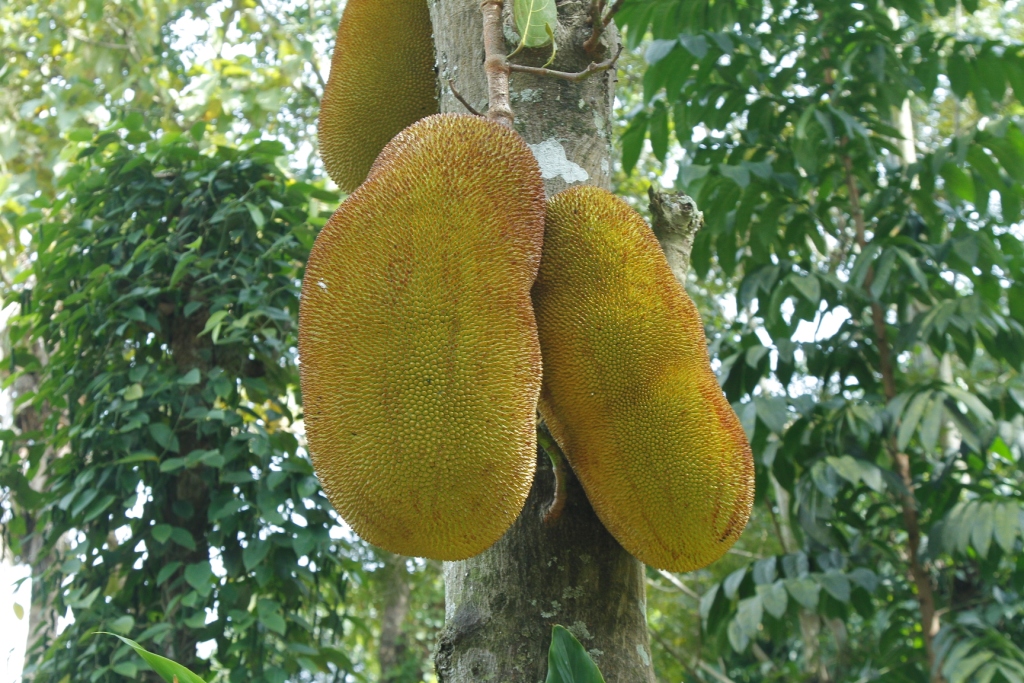
In Kerala, there are a wide variety of trees and plants. The Jackfruit tree is one of the most commonly seen. It is a large spreading evergreen tree that produces one of the largest edible fruit in the world. One jackfruit can weigh up to 10 – 35 kg. Continue reading
A post from early November saved a similar video of starlings for the end. Twitchers (a nickname for seriously devoted birdwatchers) were expected to read to the end and see that video as a crescendo of beauty. Continue reading

Too many times. 1,239,927 views of this particular clip, but that is not the point. This could be either another example of invasive product placement, in which Nokia thinks we will love this clever response to their insidious noise; or another example of how easily we laugh at “foibles.” Continue reading
Creating panoramas is an imprecise art – a photographer has to account for several variables when planning a shot. Composition is itself the most simple of these variables – despite the fact that what you see is rarely what you get. A good vantage point at a higher altitude than the subject is ideal, although occasionally elements which frame in the view add interest to the image. Symmetry isn’t necesary, but unbalanced shots should have either objects of interest or follow the rule of thirds (which is by no means an actual rule). A panorama need not be a full 360 degrees, and besides the ‘wow’ factor there is usually little value to this property. The picture ends up being more like a strip than something easily viewable, and takes a great deal of time to see and appreciate.
There may be many cases of co-adaptation between species, but we do not encounter them frequently. This video clip is one sampled from the thousands (hundreds of thousands?) of hours that the BBC has invested in for the sake of it various nature programs. Because it is made available on Youtube, which has an intellectual property rights vetting process, it seems to be an example of the BBC’s generous contribution to the commons.

Photo: T J Varghese- taken from a temple festival near kannur, North kerala
Kerala is a land of old traditions, rituals, customs and arts. Most of them spring from folk tradition but they are often related to religious rituals and mythological stories.
Theyyam is one of the oldest popular devotional performance of Kerala. The performer usually takes a role of one deity and continue the character over the year. Continue reading
 The first day of the Chinese new year offered the opportunity to reflect on commitment and the second offers something randomly different from the same source. Click the image to the left for the bio of Douglas Coupland, an artist whose work seems worth seeking out:
What’s both eerie and interesting to me about déja vus is that they occur almost like metronomes throughout our lives, about one every six months, a poetic timekeeping device that, at the very least, reminds us we are alive. I can safely assume that my thirteen year old niece, Stephen Hawking and someone working in a Beijing luggage-making factory each experience two déja vus a year. Not one. Not three. Two. Continue reading

In case you are on your way to India, and can divert to Delhi for a day or two, here is a diversion to justify it (click the image above to go to the website):
The 4th edition of India Art Fair, formerly India Art Summit, will once again bring focus to the rapidly growing Indian art market. The 3rd edition in 2011 drew 128000 visitors over 4 days. While 80% of the galleries reported buoyant sales, the fair also attracted a record number of new collectors (30-40%). In only three years, India Art Fair has consolidated its position as the region’s leading platform for modern & contemporary art. Continue reading
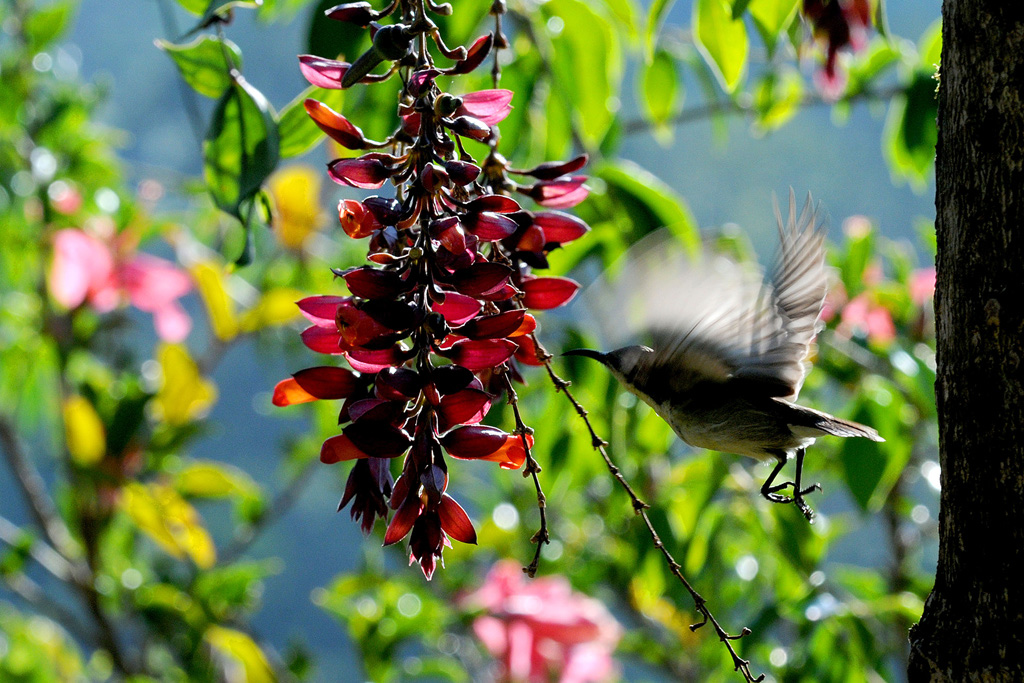
photo : T J Varghese
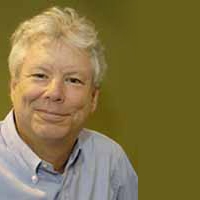 Today marks the start of another year of the dragon, according to Chinese tradition. I was just about to go find out what that might mean, but decided better of it. That decision was influenced by the man in the picture to the right (click it for his bio) and what he said in this brief but moving response to the Annual Question that Edge puts to very smart folks (his response is the second one, so scroll down to that).
It is a fundamental principle of economics that a person is always better off if they have more alternatives to choose from. But this principle is wrong. There are cases when I can make myself better off by restricting my future choices and commit myself to a specific course of action. Continue reading
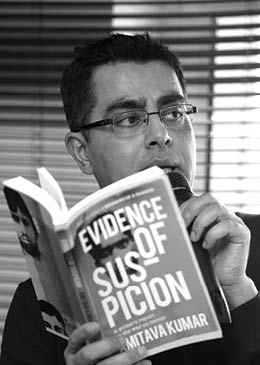 Click the image to the left for a trip to Jaipur via The Guardian and the fertile mind of Amitava Kumar:
When I was younger books were fetish objects. They sat in a small group on a bare shelf or a window sill, depending on whether I was at home or staying in my room at the college hostel. Now, with more money, I’m able to acquire the books more easily, and they have lost their ancient magic as objects. Now, they are treasured as friends. Or, more likely, as guilty reminders of money wasted — because I hardly have the time to read one-tenth of the books I buy.
Mr. Kumar is quoted here in a series called “Of Writers & Reading” in honor of the Jaipur Literature Fest. Continue reading
Although we are partial to the Carl Sagan & Cosmos origins of this series, John D Boswell’s latest gift may be his best yet. Only a few minutes long each, the music-video-remix of scientific explanations is a novel approach to getting the hook in. This one is about evolution.
Aesthetics are always a matter of taste, so the particular style of music, the fast-cutting images, the lighthearted transition from the speaking voice of a well-known scientist to a singsong dub-repeat-dub–all may have their detractors. Continue reading

Galapagos Islands, Ecuador
Someone at the Greene County Public Library had the bright idea, and creative ability, to put a fun spin on an erstwhile quiet, sometimes sleepy, and recently endangered institution. The little library in Ohio that roared.
Guest Author: Robert Frisch

My Peace Corps Location: Matagalpa, Nicaragua
As a former Peace Corps volunteer, it is not a rare occasion that I come across an eager undergraduate looking for some guidance on the decision of whether or not to join the organization. I also receive many requests for tips on how to make the most out of the two-year volunteer program. Over the years, I’ve narrowed down my responses to three main categories: Continue reading
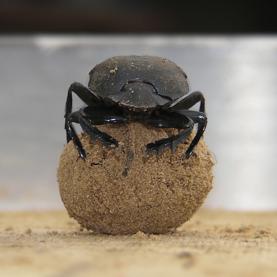 Click the image to the left to go to an article in Scientific American about a beetle that is capable of a remarkable architectural feat while dancing a remarkable two-step:
Emily Baird of Lund University in Sweden and her colleagues study how animals with tiny brains—such as bees and beetles—perform complex mental tasks, like navigating the world. The dung beetle intrigues Baird because it manages to roll its dung ball in a perfectly straight line, even though it pushes the ball with its back legs, its head pointed at the ground in the opposite direction. If the six-legged Sisyphus can’t see where it’s going, how does it stay on its course?


 Organikos