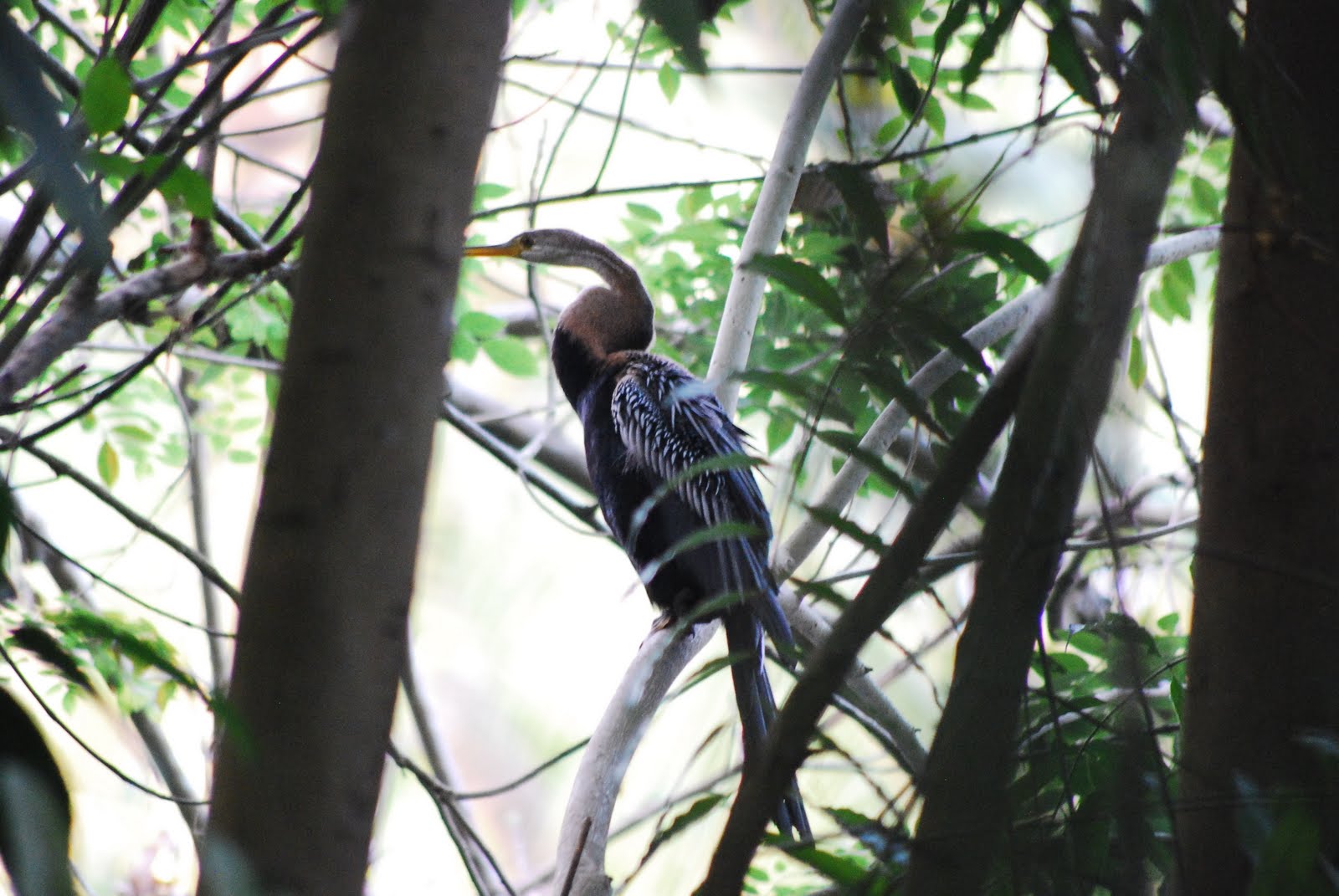
Photo: Taken by Ravi Raj at Kumarakom Bird Sanctuary
Photo: Taken by Ravi Raj at Kumarakom Bird Sanctuary
 Like its name, the Bleeding Heart Vine (Clerodendrum thomsoniae) flower is so romantic with crimson petals emerging from a white base.
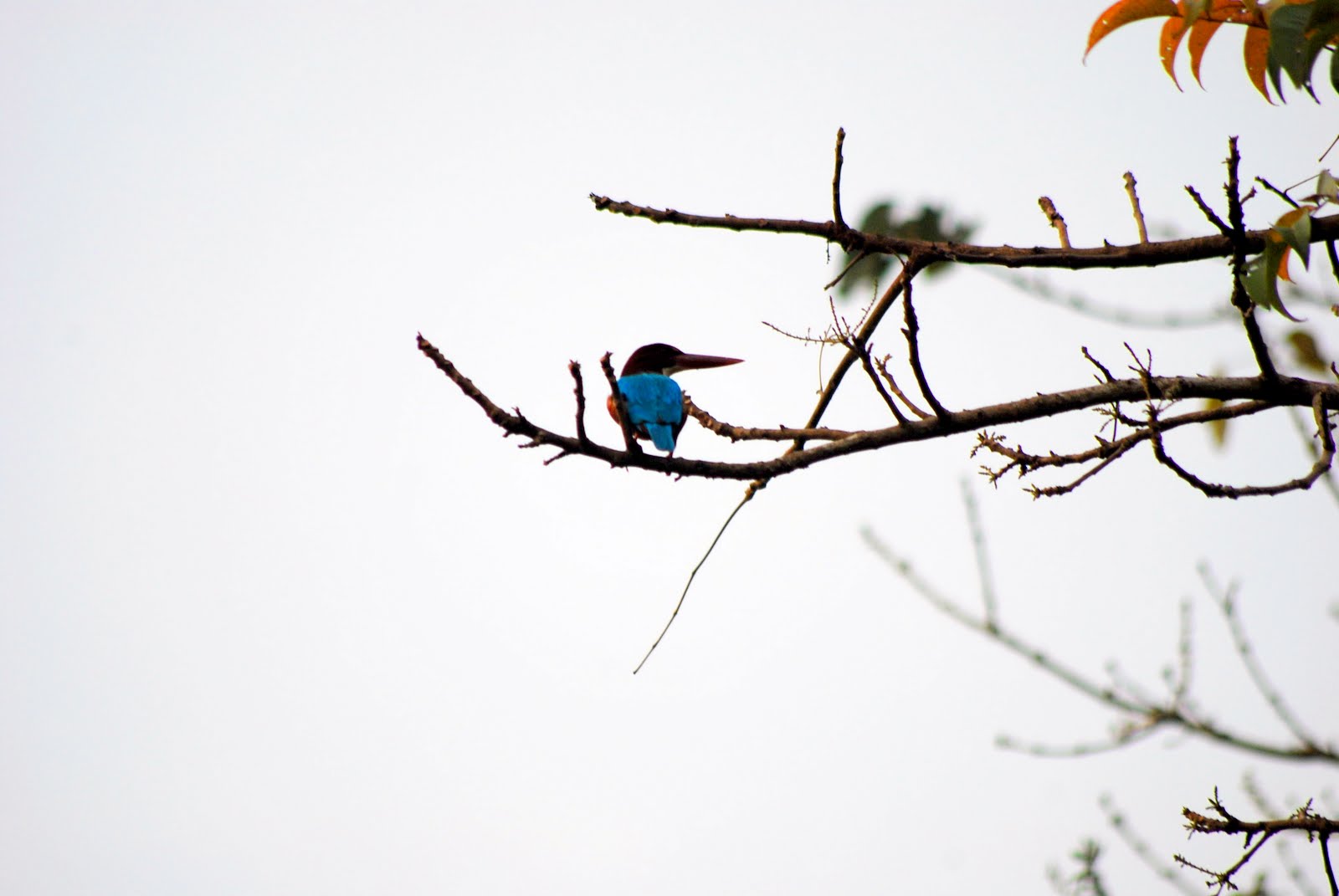
Photo: Ravi Raj, taken during a stay on a River Escapes houseboat
Kerala Backwaters, India

Chemparathy (shoe flower) is one of the fabulous plant to have in our garden, which is an evergreen perennial shrub and native of china. So, it is also called as china rose, Chinese Hibiscus. It is the national flower of Malaysia.
In retrospect, it seems that everyone I’ve met wanted to be an astronaut at some point in their life. And then we found out about the mind-blowing mental requirements, and hastily adjusted our horizons to firemen or veterinarians, or for the ambitious, treasure hunter. But today’s astronauts aren’t the chiseled-from-fossilized-textbook astronauts of the past (at least, that’s how I’ve imagined them) – besides academic brilliance, creative thunderstorms seem to be commonplace in those launched into space. Continue reading
Guest Author: Lindsay Wilner
I recently returned from working as a Volunteer Consultant for TechnoServe in Tanzania. Coming in with limited agricultural knowledge, I left with what feels like an additional Master’s degree…which is to say, I learned a ton during my 3.5 months there. It’s difficult to imagine that I could have gone through two years of development-oriented studies during my MA in International Relations and very rarely touched the topic of Agriculture. I was even an Energy, Resources, and Environment concentrator! Why is this so surprising? Well, if not for anything else but that the economy of many African nations is primarily agrarian based. In Tanzania, agriculture provides jobs for 80% of the population.
My role as a Volunteer Consultant was to conduct an Industry Strategic Plan for the mango and potato industries. Continue reading

One of my favourite flowers is the cute Shankupushpam, known worldwide as Butterfly Pea (Clitoria ternatea). The luminescent blue flower with the yellow core is the most striking feature. Continue reading
With the close of the semester, I’ve had some time to reflect on the classes I took—and which ones provided the most value. One of best courses I took this semester at Cornell was called Green Real Estate, and it was taught by Mark Vorreuter, a passionate LEED AP who was eager to see students of all majors interested in green buildings. The course covered many aspects of LEED (Leadership in Energy and Environmental Design), a certification offered by the Green Building Council for buildings, homes, and neighborhoods that meet a set of criteria. I remembered spending several nights cramming for a practice LEED exam in which I had to acquaint myself with many of its specific criteria, but not until recently was I able to see the real effects of green building and neighborhood design.

Suburbs in Pearland offer large houses, wide roads, and generous land spacing.
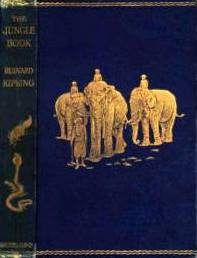
First Edition 1864
Now Rann the Kite brings home the night
That Mang the Bat sets free–
The herds are shut in byre and hut
For loosed till dawn are we.
This is the hour of pride and power,
Talon and tusk and claw.
Oh, hear the call!–Good hunting all
That keep the Jungle Law!
“Night-Song in Jungle” by Rudyard Kipling
In the world of literature we associate Rudyard Kipling first and foremost with India, although in reality he only spent about 12 years of his life here. Born December 30th 1865 in Bombay to English parents, he spent his very early childhood there before returning to England at the age of 5. In his mid-teens he returned to India and spent an additional 6 and half years working as an editor in Punjab. Despite living the majority of his life elsewhere (England and the United States), India and his self-identification as an “Anglo-Indian” defines much of Kipling’s work.
The Jungle Book first appeared in serialized versions but was eventually published in 1894 under one cover, with illustrations by Kipling’s father, John Lockwood Kipling. The Jungle Book and the Just So Stories still remain among Kipling’s most beloved works. Continue reading
Cornell University and the City of Ithaca began fencing the bridges that run over several of Ithaca’s famous gorges some time in 2010, for safety purposes. Many have opposed these barriers, partly because the fences inhibit a full view of the famous natural beauty of Ithaca’s gorges, a huge part of Ithaca’s identity and college appeal. In fact, “Ithaca is GORGES” t-shirts or bumper stickers are a very common sight on campus, and parodies (Ithaca is SQUIRRELS) are becoming popular.

A common sight that is not quite a parody, however, is “Ithaca is FENCES” stickers. They can be seen on every bridge on campus, and on t-shirts. You can read about the messy details of the fence controversy here; the main reason I give this example of protest is its unconventional form: stickers placed on telephone poles or fence posts that play off a famous (at least locally) play on words. Continue reading
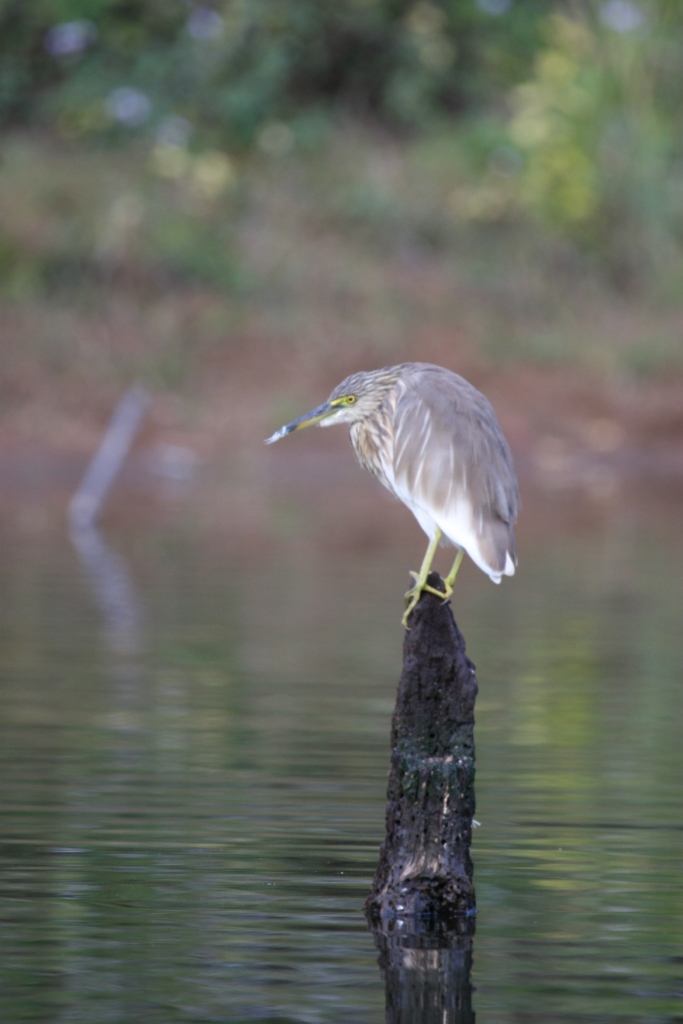
A few months ago while staying at Cardamom County, I spent a morning with a wonderful character named Jain – a tribal man with an avid interest in insects and arachnids, working as a guide in the Periyar Wildlife Sanctuary, and incidentally, a friend and student of Mr. Vijaykumar Thondaman‘s. Both armed with cameras, Jain and I entered the reserve just after dawn, and spent the best part of the morning hunting dragonflies and damselflies across streams and fields, ponds and gullies. Continue reading
 The hot hand remains hot. One of the horrible culinary traditions that persists around the world, even though it is repugnant from an environmental perspective, is the harvesting of fins from sharks to make soup. Click the image to the left for but one small data point in the effort to end the illegal harvesting and sale of shark fins.
Better yet, don’t click that. Continue reading
Try as we may to accentuate the positive, from time to time there seems to be a hot hand of unpleasantries reported in the news. Rather than hide our head in the sand, we thank Scientific American yet again:
As they used to say in New England: Continue reading
Thanks to Scientific American and its excellent blog posts, this video above is set up with some context. The video shows what will likely be the one chance most of us get to see of this animal. Continue reading

If your life has a certain soundtrack and you read American literary fiction, you may have already encountered the novels of Michael Chabon. Click the image above for a snapshot interview with him. When he announced at the beginning of this year that he was working on a new novel, it was seen by many in a blog post split over two days. A turn of phrase in the middle of the second post resonates with the small group of people who form Raxa Collective:
…thanks to Wax Poetics, one unexpected but maybe not unforeseeable result of the decision to have some characters own a shop together selling battered old things that are beautiful and valuable only to a small number of randomly assorted Geeko-Americans has been the joyful return to my life of hip-hop…
Things that are beautiful and valuable only to a small number: those are the things we are focused on here. See all of Salim’s recent posts for examples. Milo’s too. Chabon’s new novel may focus on the culture of hip-hop, which you will not likely encounter on our pages, but the underlying idea has both profound and light-hearted implications. Continue reading
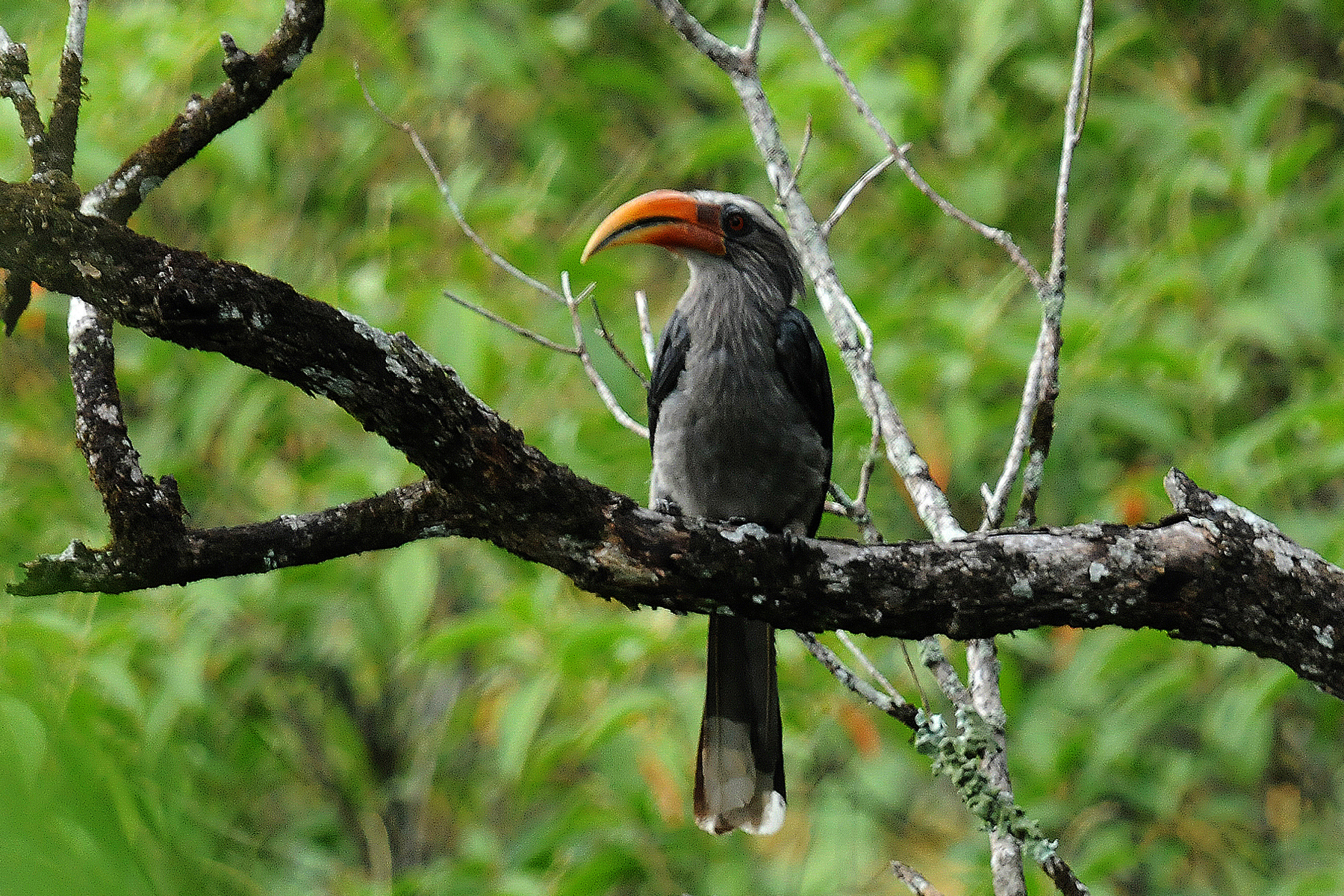
My routine interaction with the guests staying at Cardamom County provides first hand information about their experiences at the resort and various activities in and around wild Periyar. I recently happened to speak with Mr. Namjoshi and his family, who stayed at Cardamom County a couple days ago.
Here are some of their comments and photos:


A beautiful origin, thanks to OED for reminding us, of a word that has come into the possession of statisticians, demographers, political scientists and such:
1. A rounded bend or circuit of a stream.
c1630 T. Risdon Chorogr. Surv. Devon In the trend of Touridge,‥stands Meeth. Continue reading
 Organikos