Vive La Différence

One of our favorite phrases comes to mind upon seeing the news that Umberto Eco, whose book on experiential travel is as must-read as it is little-known, is curating an exhibition on lists at a museum.  Long live the difference: the man of letters, whose academic work on semiotics even many scholars are challenged by, can write trash-free page-turners as well as travel books and, why not, curate a museum exhibition.  Long live the difference: the museum that resists the trashy blockbusters can invite a man such as this to open his cabinet of curiosities. Continue reading

Fringe Physics

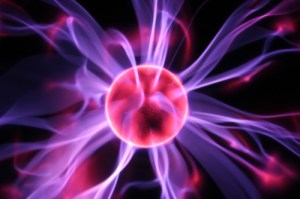
We have a soft spot for unusual geniuses, whether formally defined, or recognized in other ways, so it is with pleasure that we discovered this book (click the image to the left), its author, and a TED talk (after the jump) to boot.

For the past fifteen years, acclaimed science writer Margaret Wertheim has been collecting the works of “outsider physicists,” many without formal training and all convinced that they have found true alternative theories of the universe. Jim Carter, the Einstein of outsiders, has developed his own complete theory of matter and energy and gravity that he demonstrates with experiments in his backyard‚-with garbage cans and a disco fog machine he makes smoke rings to test his ideas about atoms. Captivated by the imaginative power of his theories and his resolutely DIY attitude, Wertheim has been following Carter’s progress for the past decade.

Click the picture to the right for a podcast that gives a nifty overview of the book. Click here for a review of the book from a great blog connected to Columbia University’s math department. Click here for an excellent review in a once great and occasionally still good newspaper’s website. And click here for a review from an always great magazine’s website.

Continue reading

Any Given Christmas

While the paper Christmas stars of Kerala are often just cheerful adornments to a rooftop, shopfront or hanging eave, there are also an entire range of much larger, homemade stars. Ranging in size from large to gargantuan, they are meant to convey messages from simple well wishes to the deepest ideologies…. Continue reading

Saip!

In my own favorite post of the last few months (Kerala: Seeing & Learning), I briefly mentioned the word. But I didn’t make it clear just how hilarious the instances of its utterance can be, especially when the subject knows its significance.

A New Zealand writer who lived in Kerala for a few years describes a few bizarre Continue reading

Kerala’s Stars

The colorful stars that begin to grace Kerala buildings in December from homes, to businesses, to places of worship have humble beginnings despite their current flashy status.  The were originally a simple white 7 point star that correlated with the beacon leading to the Christmas manger.

Many of these folded and cut paper stars are the handiwork of a group of women in a fishing villages around the southern Kerala city of Kollam. Continue reading

Blue Dawn Glory (Ipomea nil)

Blue Dawn Glory is an annual twiner seen commonly throughout India in areas up to 1800 meters altitude. This twiner is commonly known as Morning Glory due the fact the flower opens around sunrise and fades before sunset.

Continue reading

Relics

Everywhere you go in India, even cities considered ‘modern’ by today’s standards, there are relics of the past. Architecture, attire, animals walking through the street. In Cochin, one of Kerala’s biggest cities, locals don’t even look twice if an elephant walks down the street – the same street with IT parks and shopping malls on it.  Continue reading

Mysore Thunbergia (Thunbergia mysorensis)

Mysore Thunbergia is a climber mostly found in Evergreen and semi-evergreen forest foothills of the Western Ghats. It is  popularly known as Lady Shoe Flower due to the flower shape and large size. Sunbirds are the frequent visitor for these flowers which are rich in nectors.  Flowering season is between October to January.

Kerala: Seeing & Learning

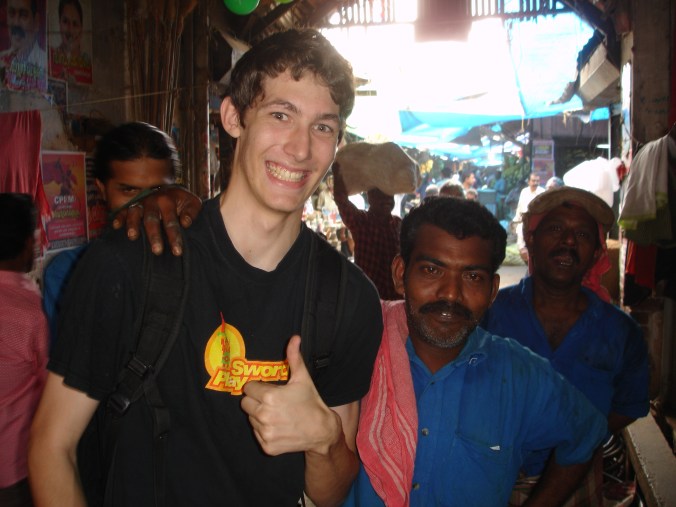
As I begin putting myself in situations in which photographing people in their natural state is more possible, I’m finding that I not only become more comfortable doing so, but the quality of my photographs improves. The subject doesn’t always have to be smiling, or even friendly – my best portraits are the ones that express the authenticity of a subject’s disposition and emotion in a single frame. Asking a scowling subject to smile will usually result in a sheepish grin, or a reluctant curve upward of the lips that ends up radiating a general feel of puzzlement.  Continue reading

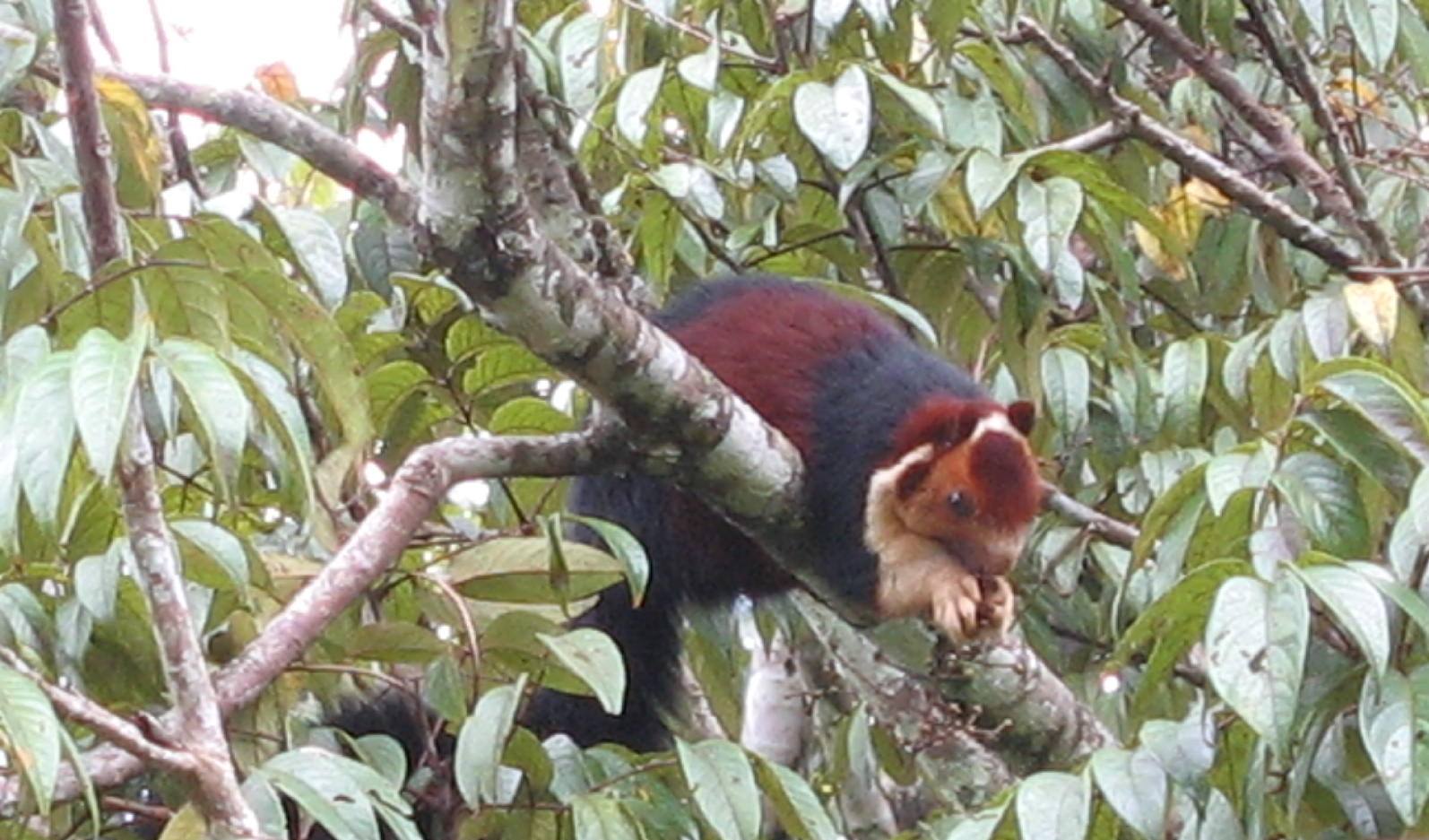
Malabar Giant Squirrel

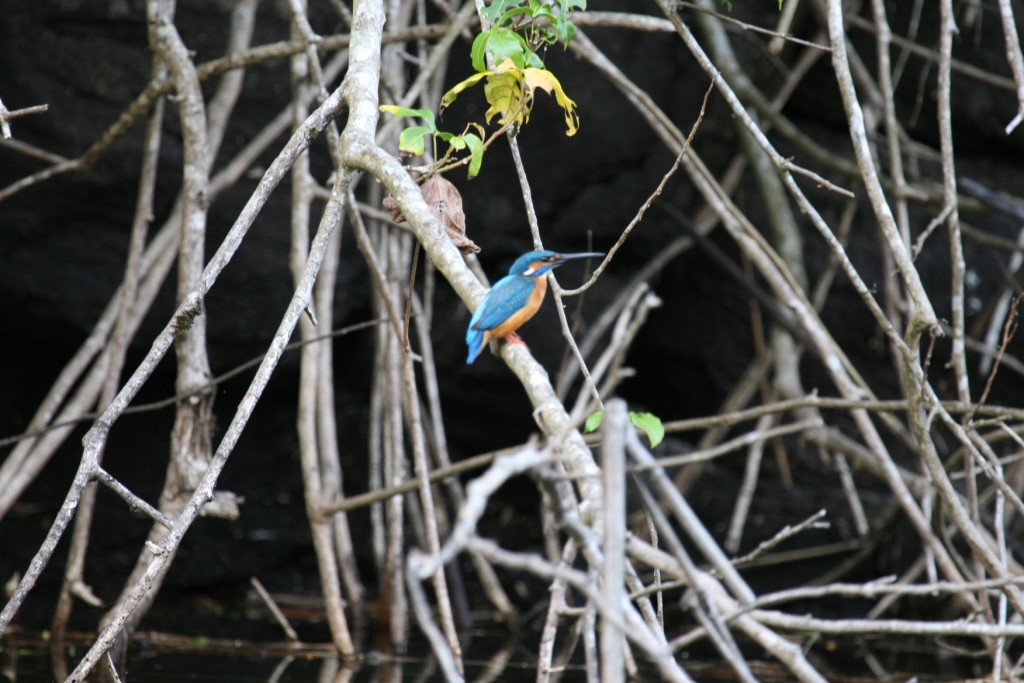
My friends and I usually head into the forest every now & then to bask in the sounds of the forest- the chirping birds, crickets, sounds,  monkeys and always in the hope of sighting wild animals. And most of the time we hear the rattling calls of the Malabar Giant Squirrel but we rarely get to capture a photograph of the beautiful creature. Continue reading

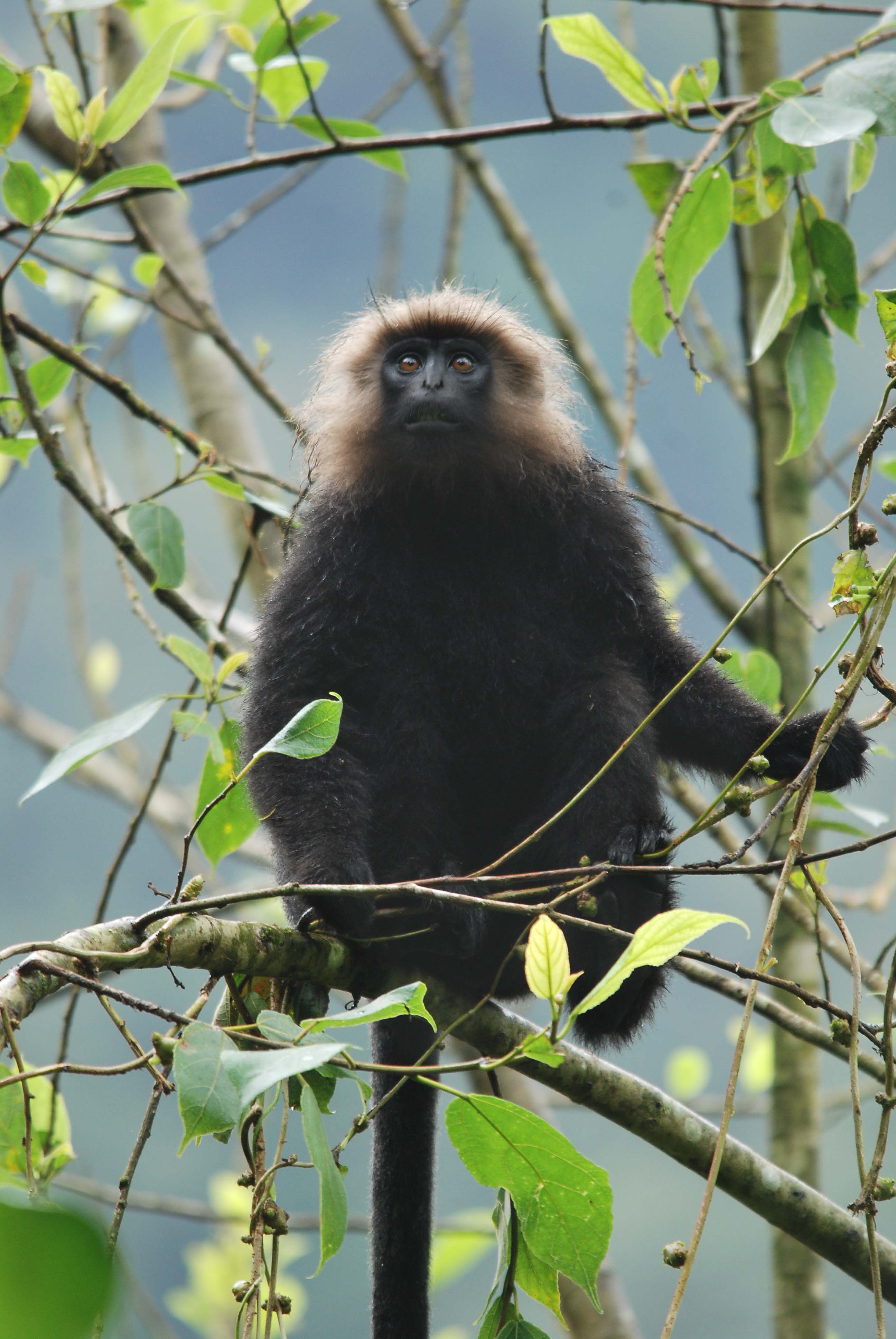
Niligiri Langur

Photo: taken 2 months ago by Shahul -a visitor at the Periyar Park

Niligiri Langur (Trachypithecus johnii) is endemic to the rainforests in the Western Ghats and they are one of the more common sights in the Periyar Tiger Reserve.

Continue reading

Deep Ecology, American Roots: Part 4

Here are some final thoughts following my discussion of the relationship between deep ecology and certain American figures:

Just as deep ecologists at heart may need to stay closeted to keep their public shallow ecology jobs, shallow ecology groups such as The Group of Ten must retain their traditional views in order to maintain government support and continue to receive public donations from massive bases.  In the early 1980s alone, Sierra Club membership grew by 90%; as the mainstream groups grow, it makes sense that more radical splinters will form.  Unlike traditional environmental groups, however, the fringe splinters are fairly flexible to fundamental changes in ideology.  David Foreman eventually left Earth First!, thinking it had become too concerned with social justice issues when the group opened alliances with labor unions; he believed wilderness preservation had lost priority as the group’s mission.  But was this shift in Earth First!’s goals one from deep to shallow ecology?  This query presents issues inherent in social justice, which are far too vast to discuss here; the simplest answer, it seems, would depend greatly on whom the group was serving, and to what ends. Continue reading