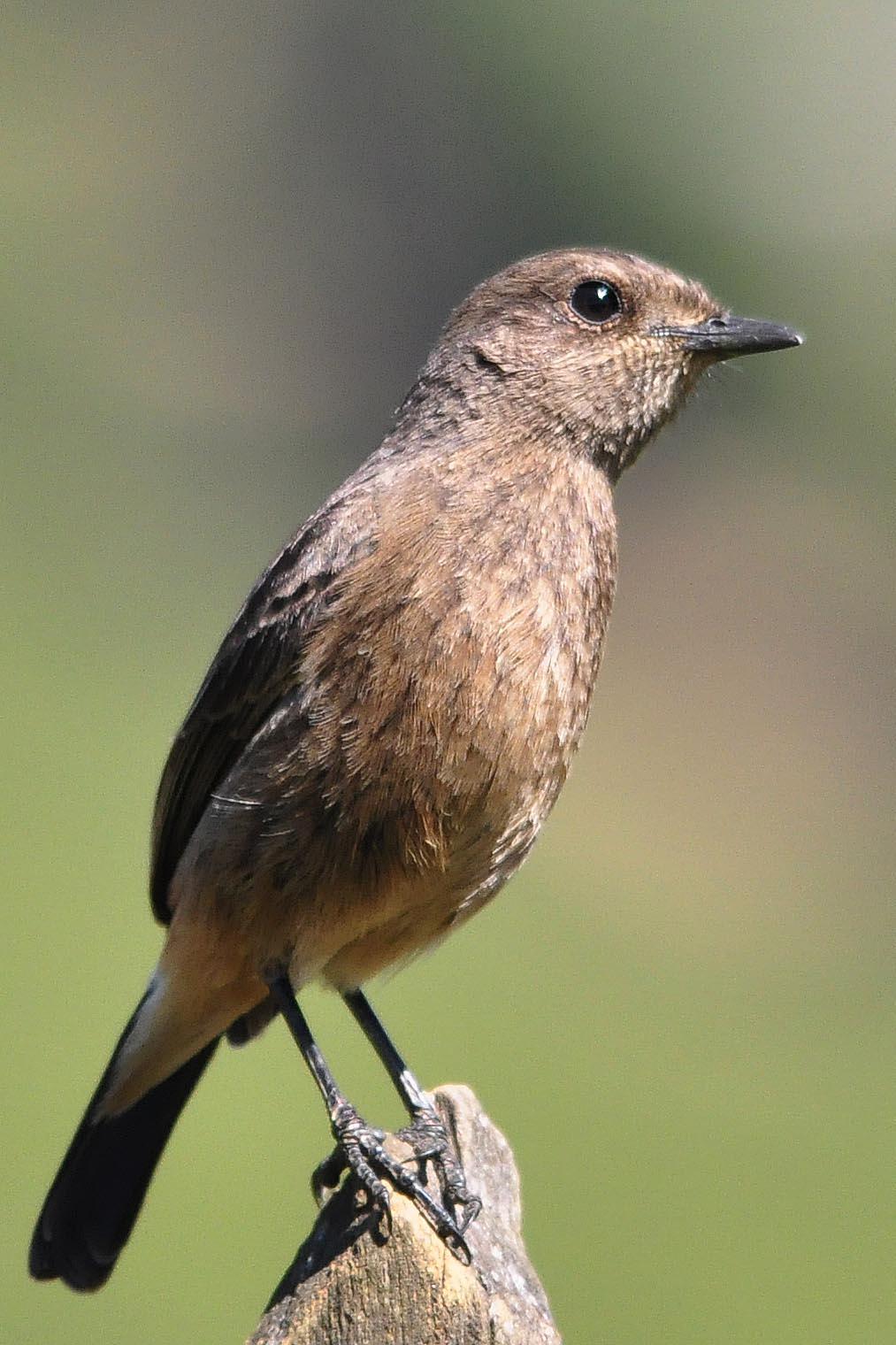
Bird of the Day: Pied Bushchat–Female (Ooty, India)

photo:TJ VARGHESE
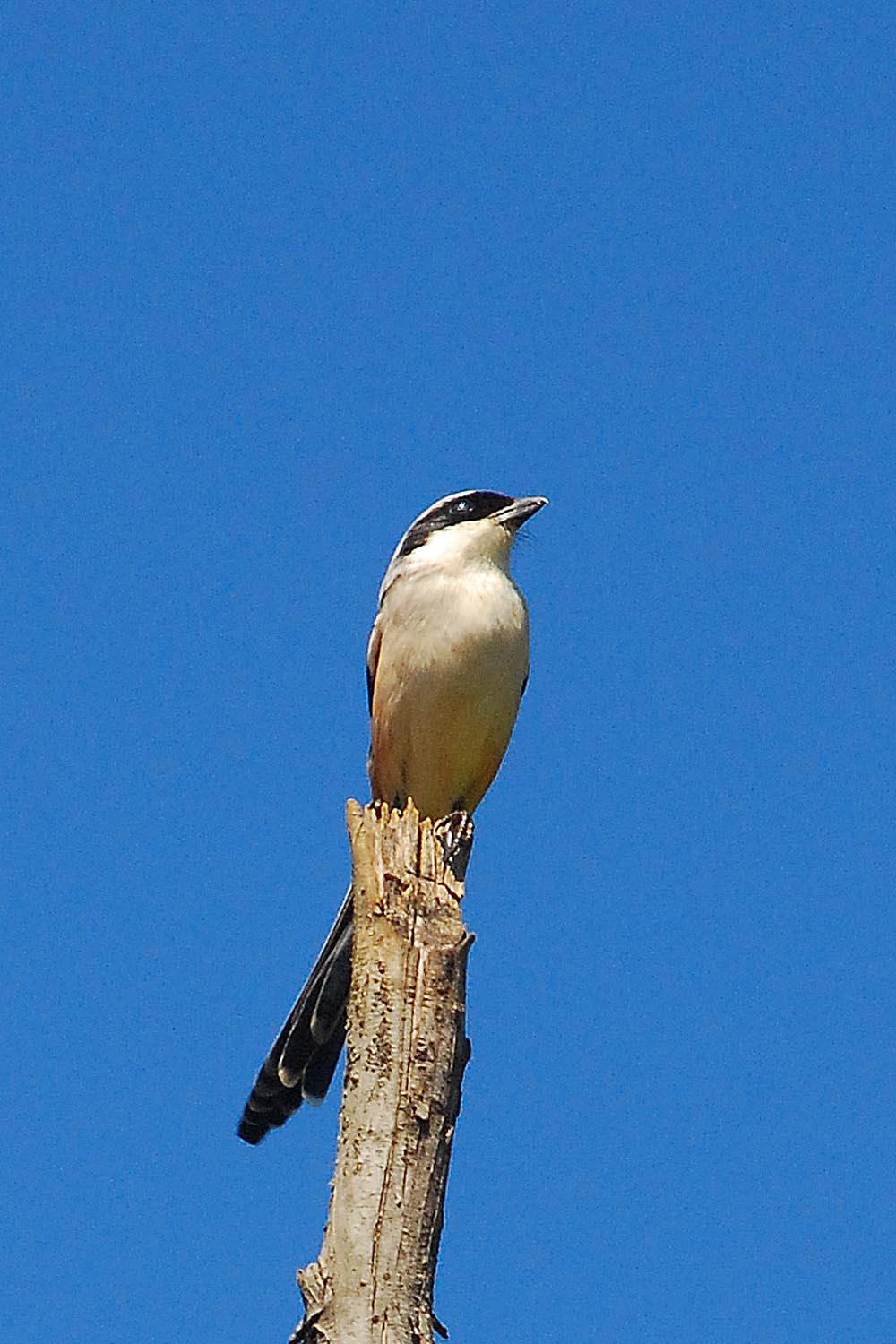
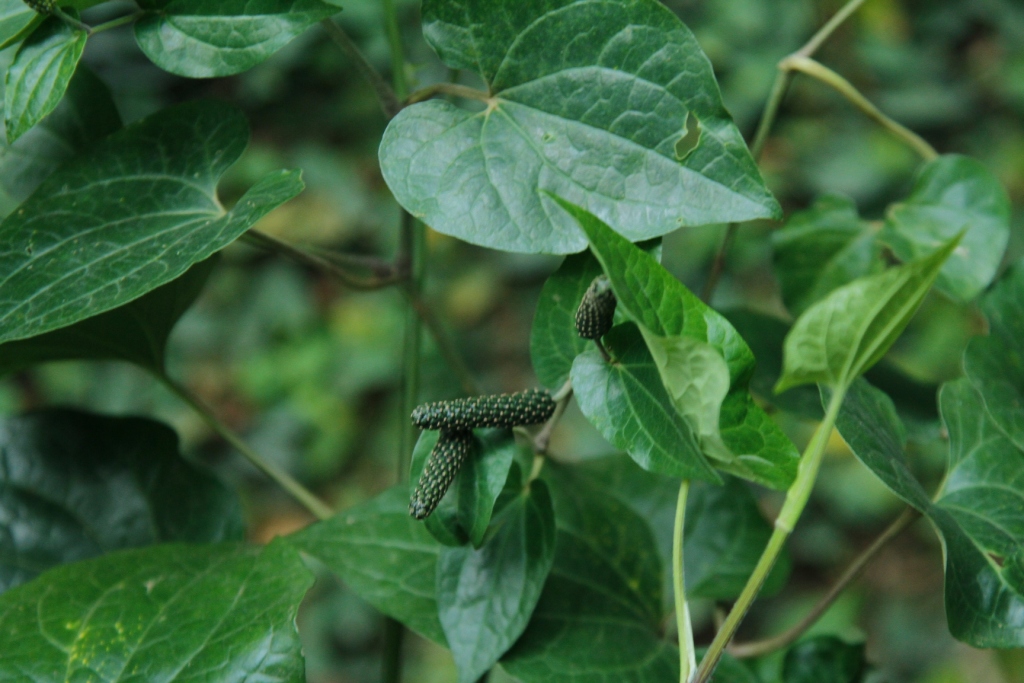
Long pepper (Piper longum) has a similar, but hotter, taste to its close relative Piper nigrum. Continue reading
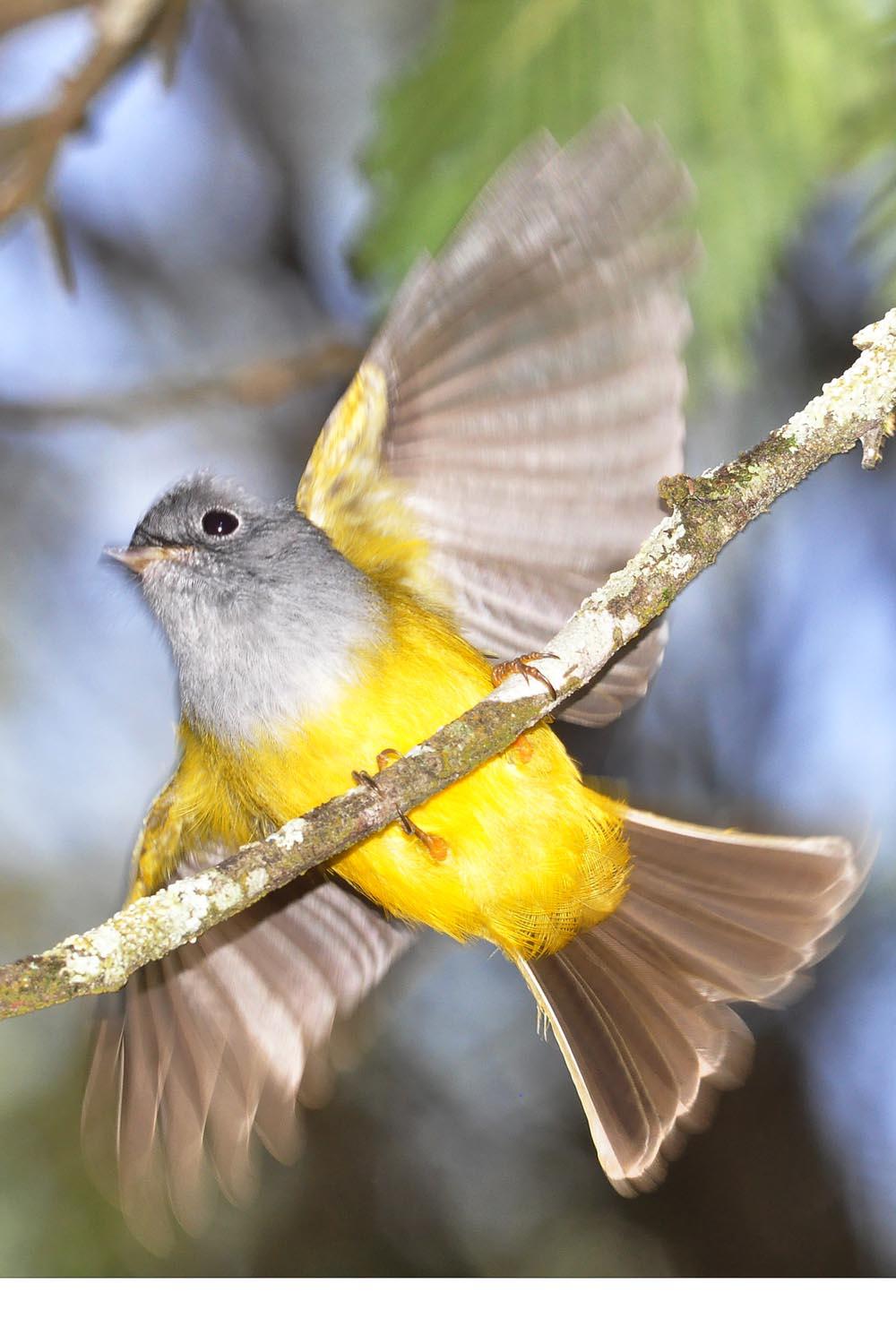
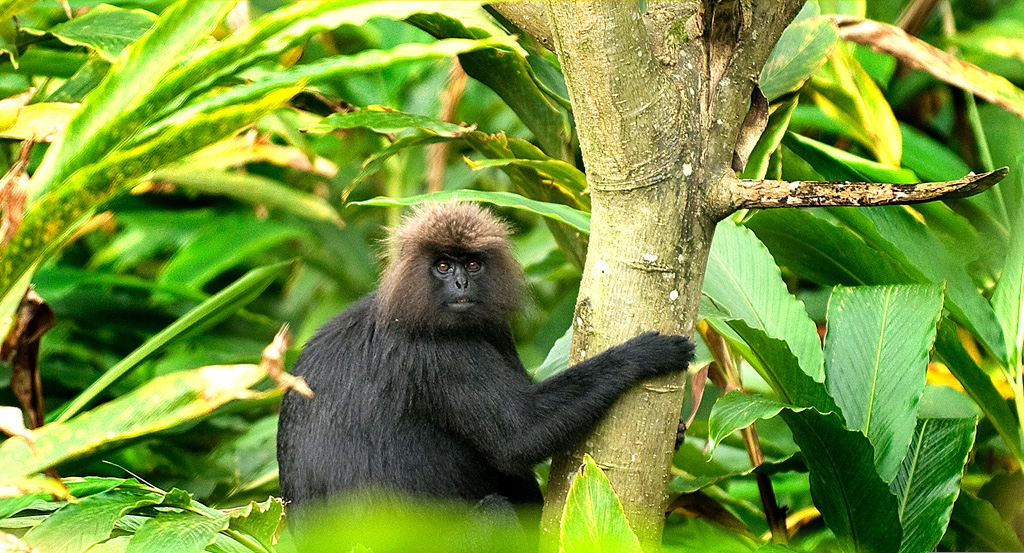
Photo taken from Gavi- ecotourism zone, north of periyar

This one was actually made by Ana's daughter Meli - it must be a family tradition!
I don’t know what I was expecting when Ana Teresa invited me to take a look at her studio. On the one hand, I’d seen the quality of the products on the shelves in REMOC, and thus knew that the craftswomen were not amateurs; but I also knew that many of them didn’t have high incomes or hours to invest in their business – one of the challenges of the trade, for them, is that they are making a living while maintaining a home for their families and fulfilling their duties as a wife and mother. So, despite knowing that the work they produce is ‘serious’, I was still impressed when Ana ushered me through a door I’d thought led to a garage, and I found myself in a real, fully equipped artisan’s workshop. Continue reading

Click the image above to see the schedule of MOMA’s programming. The image is from Shree 420 (1955), directed by Raj Kapoor and the image belongs to the Indian International Film Academy. Continue reading
If you have an interest in Voltaire, as we do, spend two minutes listening to the science of social media applied to the science of ideas. Continue reading
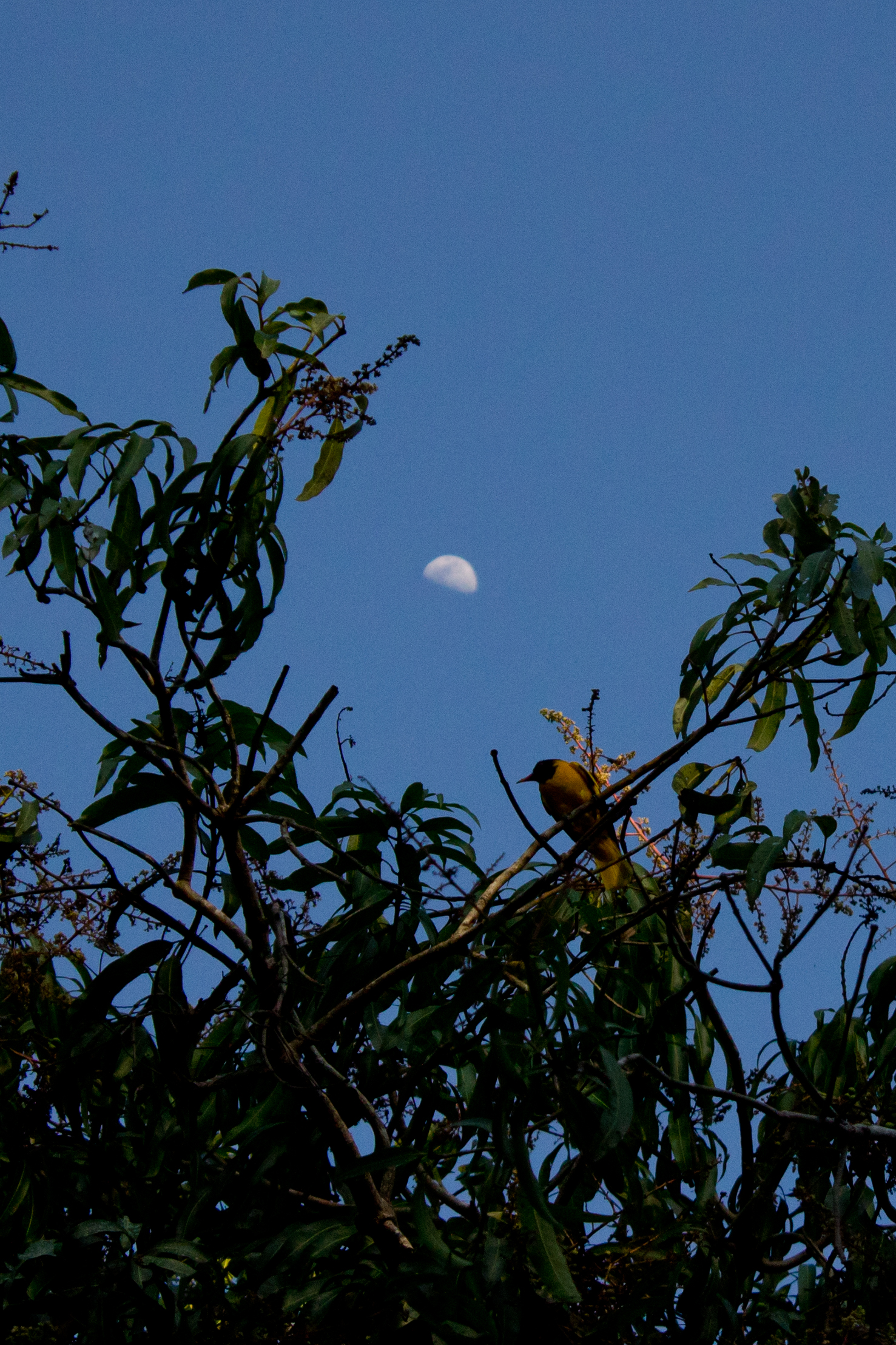
Kerala, India
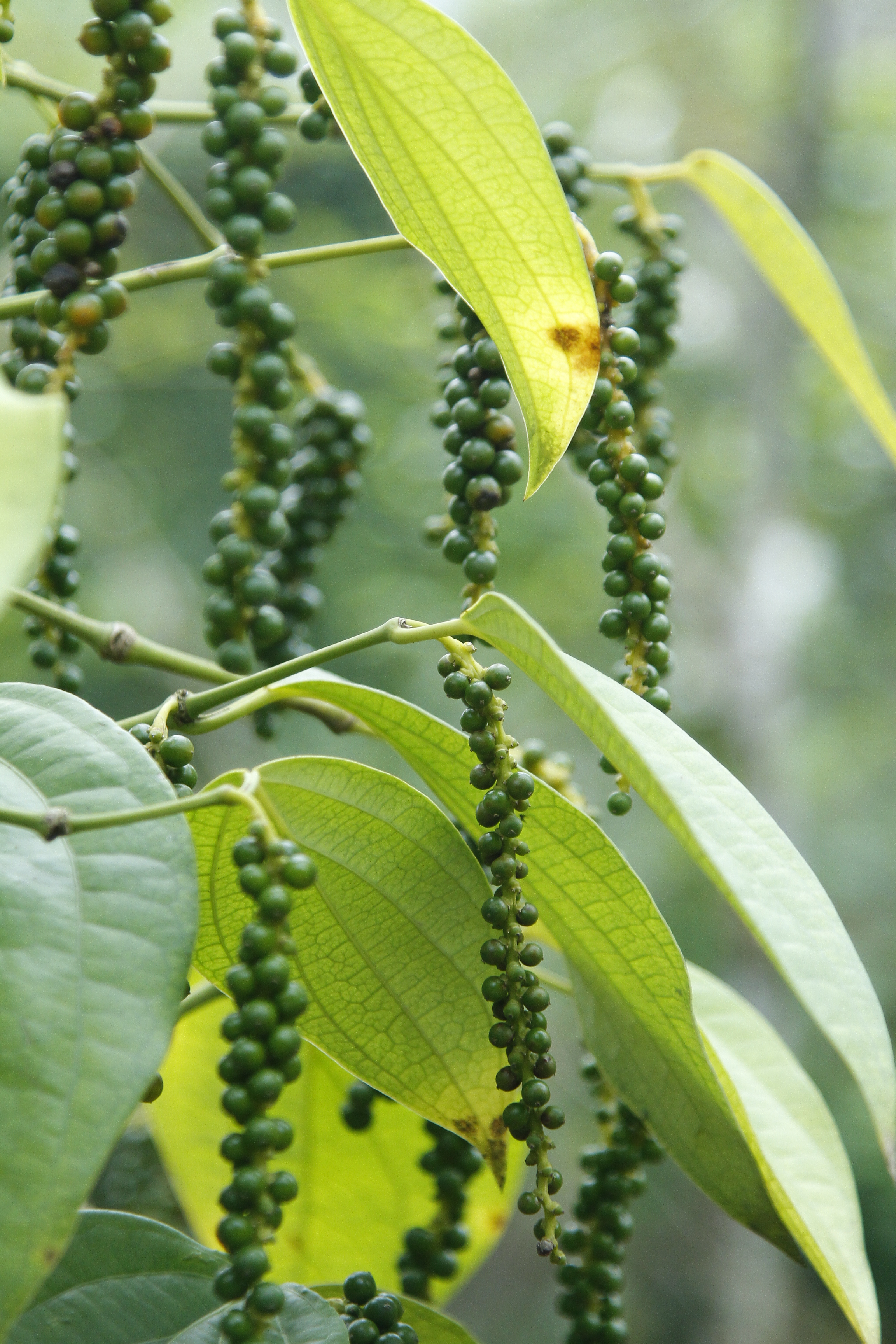
Native to the Western Ghats, Pepper is popularly known as the “King of Spices”. Continue reading
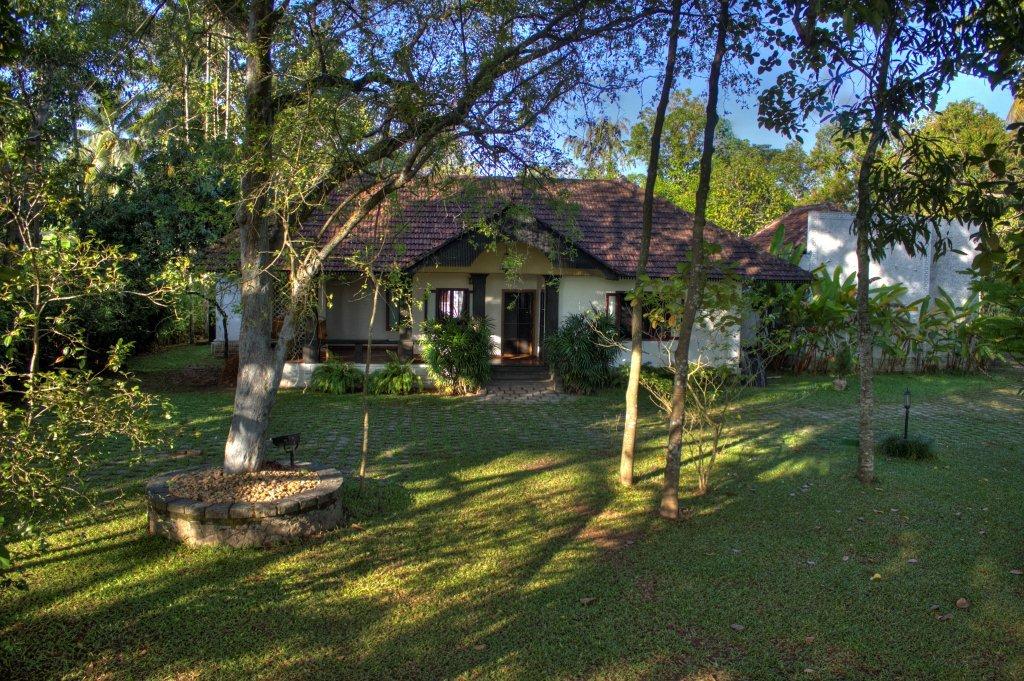
We have mostly shown images of life on Kerala’s backwaters from the perspective of boats, as in looking at and looking from. As Milo’s recent post showed (at the tail end, so to speak), there is much more life on these waters than first meets the eye of the occasional visitor. The view above is from the river, looking at a home that Raxa Collective recently took responsibility for.
This responsibility included modifications to the interiors in order to make it more welcoming to travelers. It had served as the home of a prosperous resident of the backwaters, but now is open to receive visitors whose preferences in terms of privacy, decor and food (at least spice levels) often differ from those of locals, at least a bit.
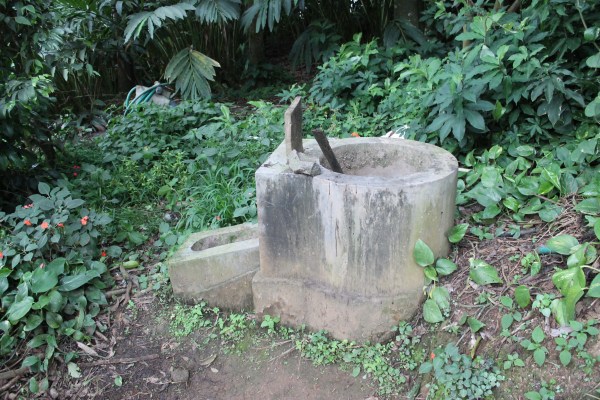
We often talk about ‘imagination’ as if it’s a fixture of the human mind. Human beings, as common sense would have it, are inherently able to imagine what is different; we bring what is distant near only by thinking it so. In the middle of a blistering New England winter, for instance, we might picture ourselves on a sandy beach in Florida; in the mess of rapid and haphazard “development,” we might imagine pristine, virgin land.
But imagination—like all of our most transcendent capacities—exists not invariably, of course, but in degrees, in flux, in varying quantities and qualities, and sometimes—that is, in some minds—hardly at all. I was reminded of this last week following the death of North Korean dictator, Kim Jong-Il, which caused me to reflect upon (and imagine) the lives and minds that comprise a nation with only one permitted text upon which to project its fantasies—the doctrine of North Korean socialism.
And yet this extreme example serves only as a limiting case, one which indicates a more universal difficulty. We’re all always limited in our imaginings. We block their course, sometimes deliberately, but also sometimes mechanically, and often blindly. This is what makes routine possible, and what makes even our most arbitrary and destructive habits seem perfectly natural. We cling to what is readily available, forgetting the partial nature of our given sphere. While imagination brings what’s distant near, habit forgets the possibility of distance (and difference) at all.
Cultivating one’s imagination is a privilege, one which we ought to covet and guard with jealousy. I was granted this privilege this past summer, when I was able to stay in Kumily, Kerala for two months—Kumily, a place so unlike any of the other places I call home in custom and in ambience, in ethic and in landscape. I wrote previously about how the hills and depths of the Periyar moved me, and about how Raxa Collective’s work with the Forest Department and the Development Committees humbled and inspired me. But in that post I neglected to mention one of the more memorable moments of my stay at Cardamom County, one which broadened the horizons of my imagination even more than the occasional monkey-encounter or motorcycle ride through Tamil Nadu. Continue reading
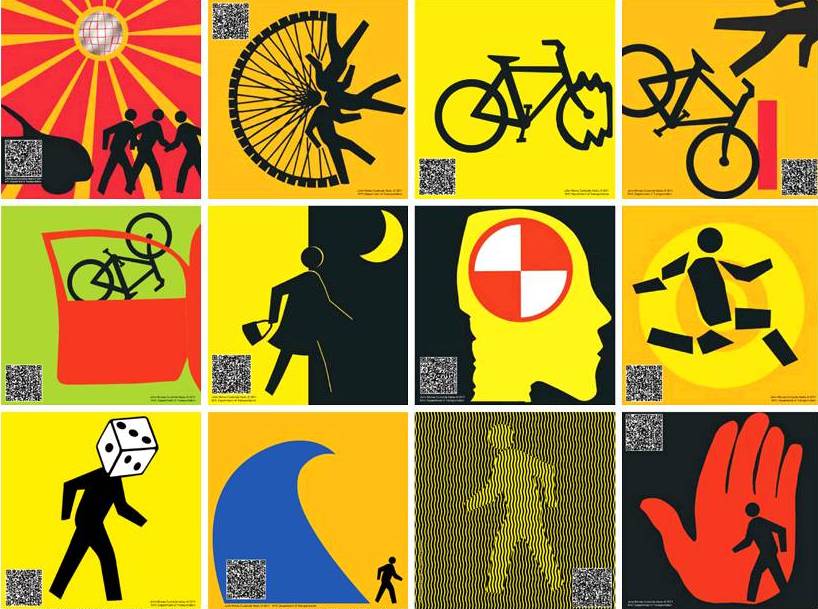
From New York to Paris to Bombay, navigating city streets can be a challenging choreography between bipeds, bicycles and motorized vehicles. In places like India that dance expands to include the more than occasional quadruped as well.
We’ve written about driving in India on several other occasions, and to mitigate the apparent chaos the Indian Government has a program of sometimes rhyming, often droll, road signs that include little “ditties” such as:
Speed Thrills But Kills
Impatient on the Road, Patient in the Hospital
Safety On Road; Safe Tea At Home!
Reach Home In Peace, Not In Pieces!

Photo by: Varghese TJ
The most familiar scenic view of Periyar Lake, which covers 26 Sq Km of the Periyar Tiger Reserve. Continue reading
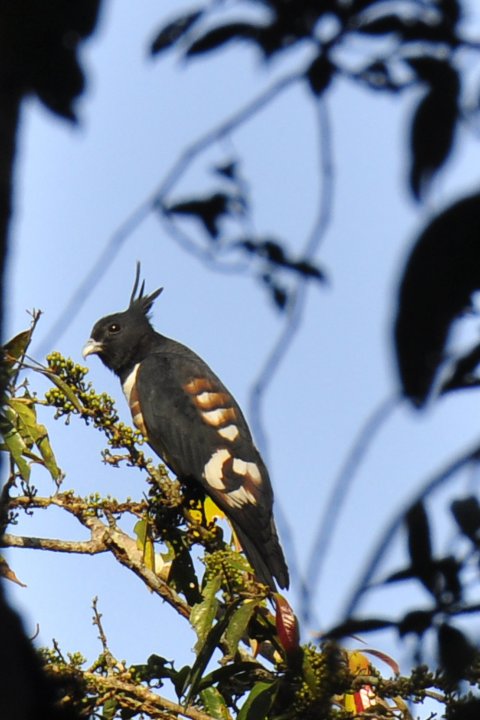
For anyone who has seen the Nicholas Roeg film, from 1971, that takes this word as its title, the definition is visual. You could watch that film with no sound and understand this word. Try it.
Or you might start with the OED definition and etymology which notes that this noun is of Australian origin but begins with a generic, modern catchall meaning and gives specifics on the origin second (after the jump; of particular value, see the last sentence of the 1979 reference):
1. A person who travels on foot, esp. for an extended period of time; a swagman or traveller.
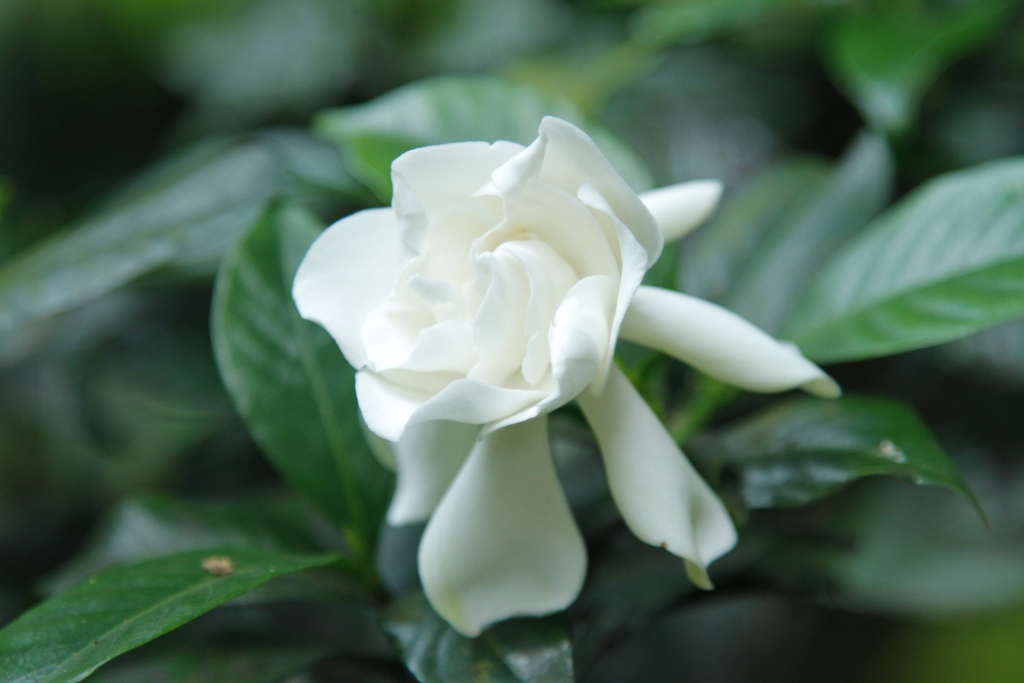 East Indian Rosebay (Tabernaemontana divaricata) is an evergreen, much branched shrub which is cultivated as a garden plant.

Photo: Taken by Ravi Raj at Kumarakom Bird Sanctuary
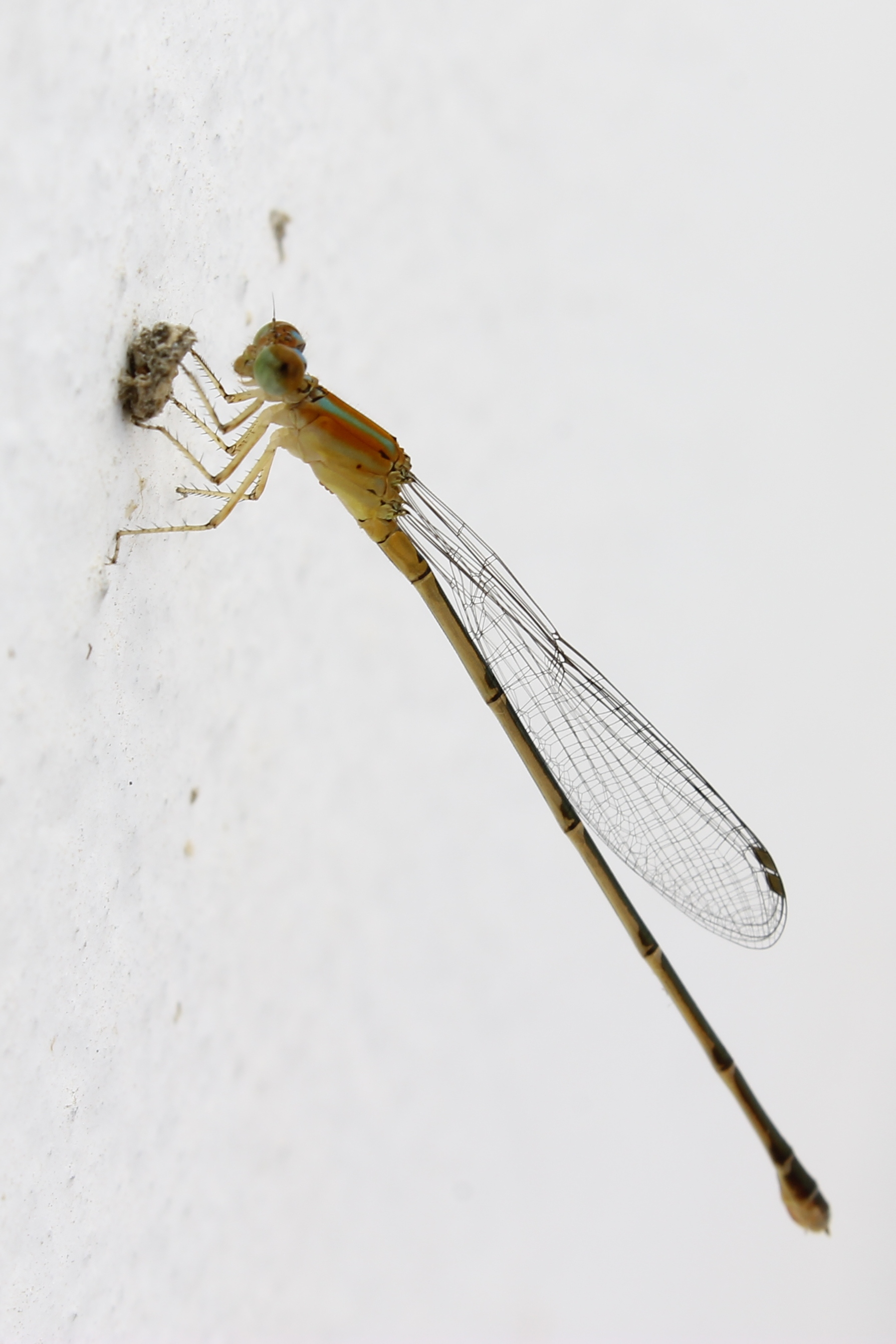
The first time I saw this species, I was dumbfounded, to say the least. We live in a 10th floor apartment in urban Cochin, which admittedly is on the banks of the backwaters. Nonetheless, I was quite surprised to see a dull-colored damselfly float through a window and over our dining room table, and out the door onto the balcony on the opposite side of the room. Fortunately, I gathered my wits quickly enough to rush back with my camera, and corralled the enigma into a corner in the balcony (non-violently, of course), and was able to get a few shots before it breezed off in the lethargic float I’ve come to associate with damselflies. The only time I’ve seen any damselfly zooming the way most dragonflies do is when they’re swooping in on their prey, at which point even the laziest, slowest, and smallest of them can put on quite a turn of speed.
 Organikos