Arctic Circle, Stop Motion

Imagine being talented enough to make that short, brilliant piece.  Now imagine being that talented and having the opportunity to share the stage with the master:

I recently took part in a presentation at Toronto’s TIFF Bell Lightbox and had the opportunity to screen The Arctic Circle for Tim Burton. After the screening, I had a few minutes on stage to get his reaction and ask a few questions.

The art is the thing, but watching the young artist on stage with the master is fun too…

Continue reading

The United Nations Meet Las Defensoras Populares

As a new face here at Raxa Collective, I thought I’d take a minute to introduce you to all to the organisation I’m volunteering for here in Costa Rica. It’s called MUSADE, which stands for Mujeres Unidas en Salud y Desarrollo, and its function is to provide support for women who have suffered intra-familiar violence. MUSADE has a lot of great programs going on, but today I’d like to talk to you about some exciting news for our Defensoras Populares.

This banner was made to commemorate MUSADE's 25th anniversary this coming Tuesday.

Continue reading

Pygmy Dartlet

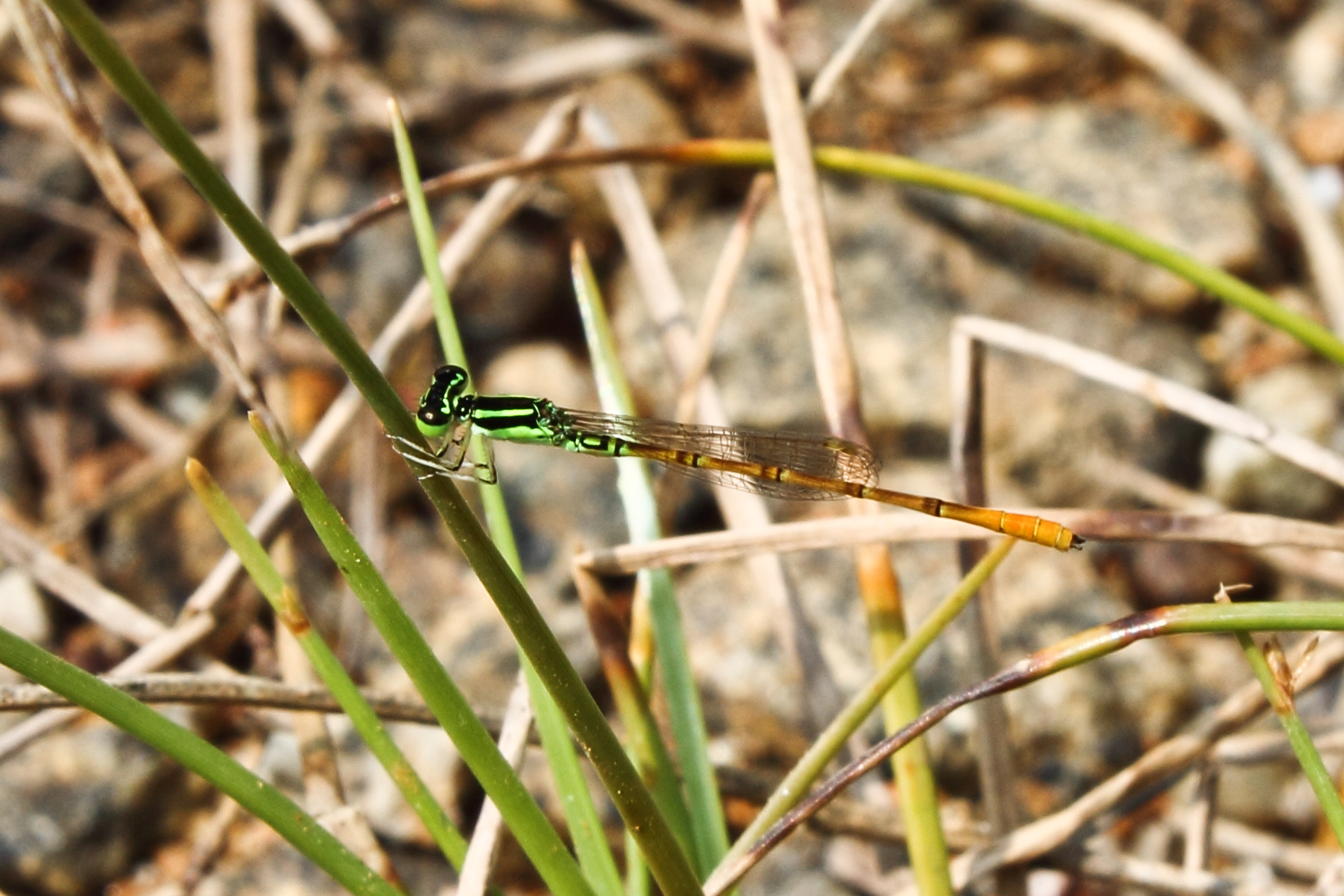
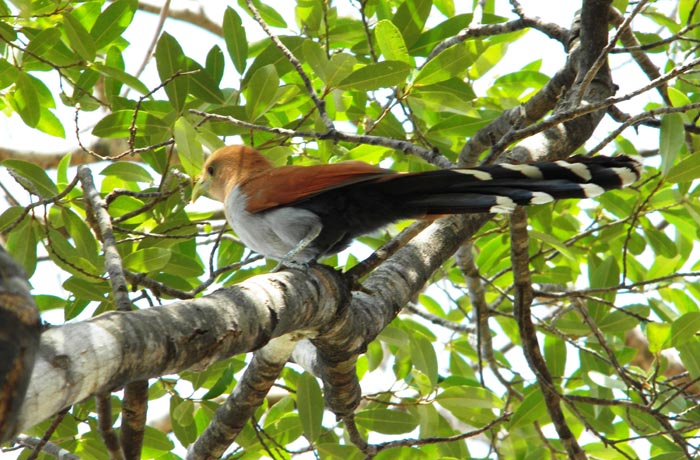
The Pygmy Dartlet is a very widespread species of damselfly, surprisingly enough. Measuring about 16 millimeters, Agriocnemis pygmaea is undoubtedly the smallest damselfly or dragonfly I’ve seen. The species is known to have many different appearances, with both male and female displaying up to three or four different color combinations. The male is pictured above, and the female below.  Continue reading

Mahatma Gandhi In Paris

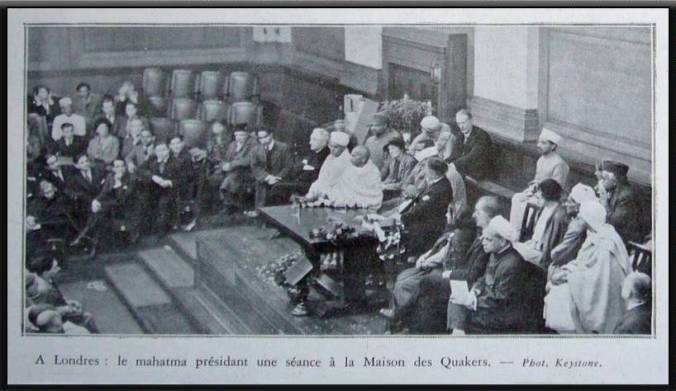
With a mission like this how could we not pay attention? The image above links to the story about two of our favorite subjects, brought together by The Caravan.  The image is from a French magazine, which covered the Mahatma’s visit to Paris (and elsewhere) with reverence.

Continue reading

3 Minute Wonders: You Get What You Pay For

It is easy to be skeptical about the relationship between buzz and art, where buzz is meant to be a synonym for meaningful discussion. At 2:23 in this clip one person eloquently suggests that this is art because it has generated discussion. But has it?

Continue reading

Exploring Kenya: Lake Nakuru

This slideshow requires JavaScript.

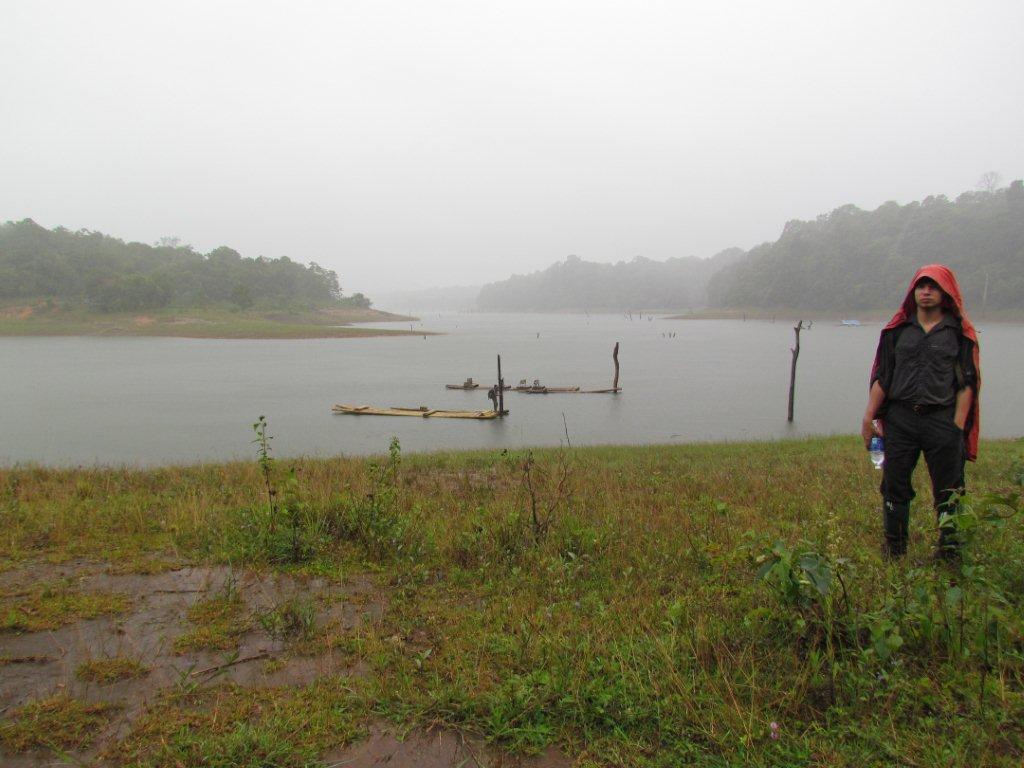
My first trip to Kenya was about two years ago; unfortunately, I never ventured outside the borders of Nairobi. This time, I pledged to experience the nation’s countryside firsthand. Above is a sample of what I saw from Lake Nakuru and the drive to the Masai Mara. Continue reading

Swampbuster

My last post introduced the problem of hypoxia in the Gulf of Mexico, and I promised to start trying to answer that question. Today I’ll shed some light on some subsidies and federal policies that could be altered and bolstered in the right ways to stop nutrient-rich runoff from reaching the Mississippi River. I’m going to point out right away that although the most obvious way of preventing hypoxia is by reducing fertilizer use, this is also the most difficult and expensive tactic to implement. My goal is to start laying out elements of a more cost effective, pragmatic plan for ameliorating hypoxia in the Gulf of Mexico.

The agricultural subsidies that I discuss here are measures that can be implemented through various policy tools (e.g. direct payments, technical assistance, tax incentives) to reduce costs for producers and attempt to benefit the economy in doing so. One positive form of subsidy, known as a cross-compliance program, discourages creation of farmland from current wetlands or land that is highly erodible. Continue reading

Arts & Science

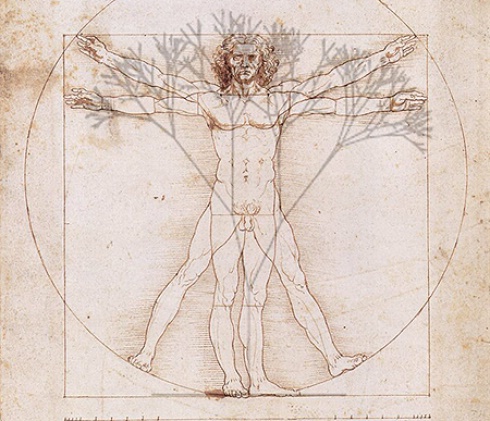
Every year, some percentage of undergraduate students majoring in an academic discipline within the liberal arts, often aka Arts and Science, wonder: what’s next?  As in, what will I do when I complete my degree?  Many do not need to wonder because they are on a clear path–pre-med or pre-law for example.  But for those wondering, we hope our site sheds some light on the variety of possibilities.  For one example (click the image above for the source) we like the idea of literally combining art and science (so did da Vinci):

…a mysterious, nearly universal growth pattern first observed by Leonardo da Vinci 500 years ago: a simple yet startling relationship that always holds between the size of a tree’s trunk and sizes of its branches.  A new paper has reignited the debate over why trees grow this way, asserting that they may be protecting themselves from wind damage.

Continue reading

Emergence

Rainforests have dense canopies. The plants in the undergrowth struggle to survive using the limited sunlight that reaches the lower levels of the jungle, and many plants don’t make it. When the weak plants die, their lifeforce nourishes the survivors. It has been this way for millions of years, and walking through the forest, the evidence crunches and crackles underfoot, or in more moist areas, decomposes rapidly into a soft, nutritious humus. Easing oneself out of the forest and into a clearing can be soothing – only upon emerging into the vivid sunlight and open air does one realize how resonant the forest can be. Continue reading