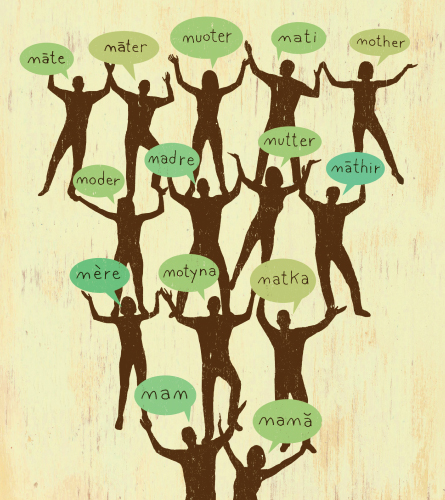
There are needs, and there are wants.
A toothpick sculpture? Not necessary for San Francisco to demonstrate its greatness (as might have been an underlying objective of the commission). Not sufficient for that purpose either.
There are needs, and there are wants.
A toothpick sculpture? Not necessary for San Francisco to demonstrate its greatness (as might have been an underlying objective of the commission). Not sufficient for that purpose either.
 Click the photo to the left to read the interview of mother by daughter, artist by artist. The interviewer shares this perspective on the interviewee’s art:
Her work has, over the years, centred on forgotten, vanishing worlds, art and language that exist on the margins. The epigraphs to her novels (TS Eliot, Emily Dickinson, Borges …) often make reference to the persistence of memory. She writes: “The ancient Chinese believed time is not a ladder one ascends into the future but a ladder one descends into the past.” Her new book, The Artist of Disappearance, is made of three delicate stories about the frailty as well as the transforming power of art.
 The cover illustration is not very inviting, but the reviews and blurbs in more than one newspaper make it sound worth the read:
Not really a dictionary, but a series of short essays on such topics as equality, Hell, miracles, religion, tyranny and superstition by one of the leading spirits of the Enlightenment. The tone is witty, catty, and there are many neat aphorisms such as: “Atheism does not prevent crimes, whereas fanaticism commits them.”
Incidentally, in case you are already a Voltairophile, you may want a deeper well from which to draw inspiration. In which case you may want to pay a visit to Oxford.

Click the image above to go to the story. Better yet, don’t. This might already well be called the era of weaponized foodstuff (witness all that pepper spray), so a story about the goal of breeding the hottest chili pepper in the world (all in good fun, of course) does not bode well.
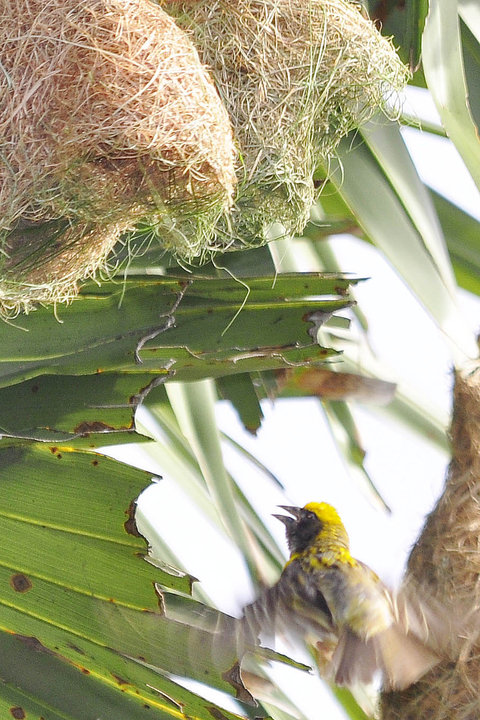
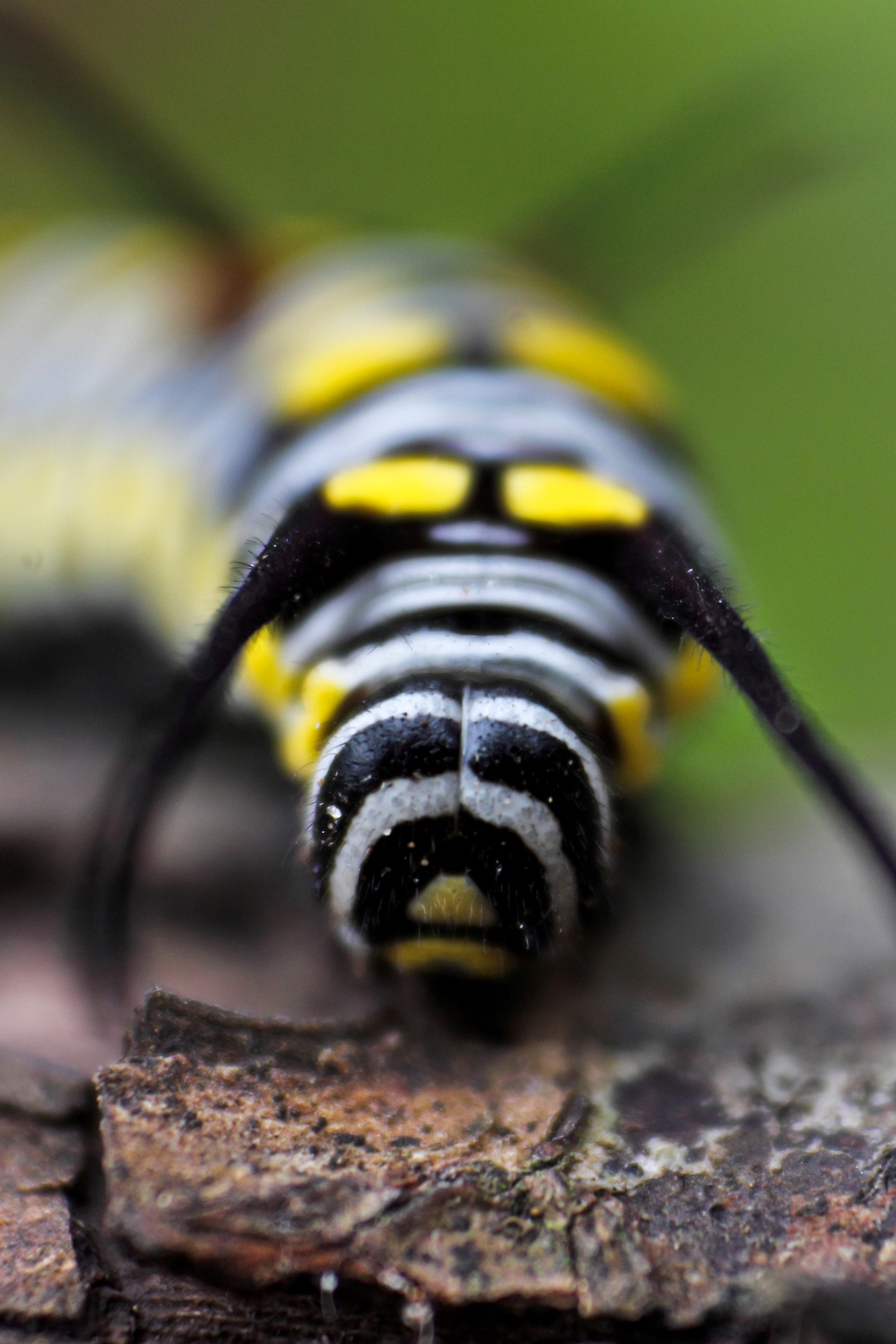
More than once I have failed to successfully (by my standards) photograph a butterfly’s larva due to insufficiently sophisticated equipment. However, those days are coming to an end, inching forward step by baby step, in odd undulating motions eerily akin to a caterpillar’s rolling gait.
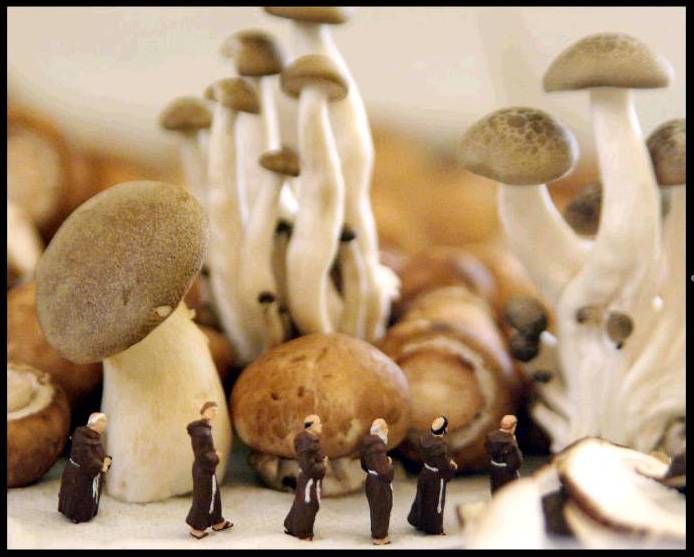
In this season of Thanksgiving and other food focused festivals, it seemed appropriate to highlight the artist Matthew Carden. He and his wife Jennifer Carden clearly have a loving relationship with food that doesn’t take itself too seriously. Continue reading
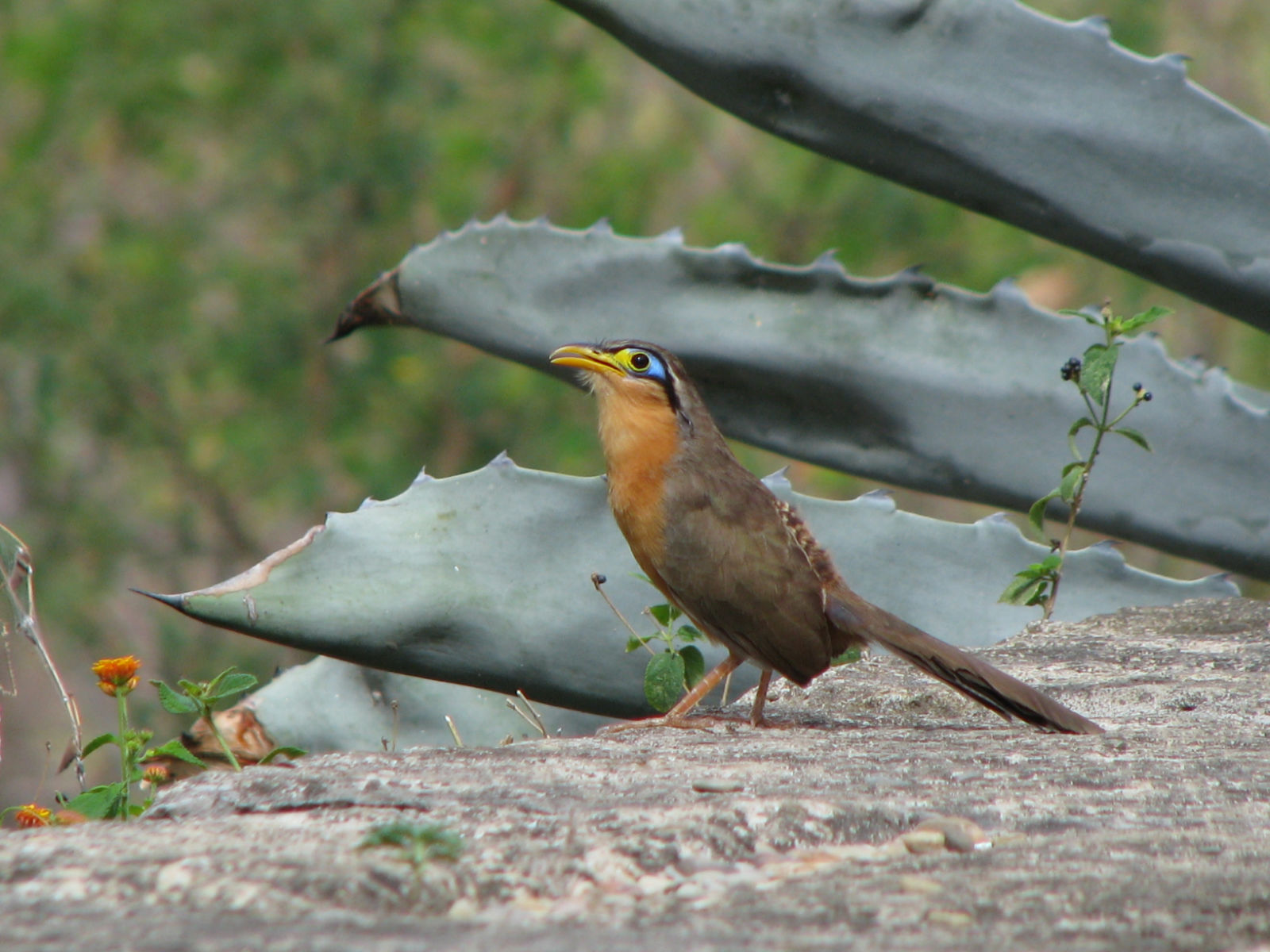
Playa Ocotal, Nicaragua
At first glance, this article and others on this website appeared to be of the “denier” variety, but on close read of this particular item (click the banner below to go to the article) it seems clearly of the educational clarification variety.

According to Rodale and his acolytes, products created by—and processes carried out by—living things are fundamentally different from lab-based processes and lab-created products. The resurrection of this prescientific, vitalistic notion of organic essentialism did not make sense to scientists who understood that every biological process is fundamentally a chemical process. In fact, all food, by definition, is composed of organic chemicals.
Guest Author: Aby Thomas
Last week I wrote about the ladies of the Mannakkudy EDC and the success and quality of their bag production.
Now I’d like to tell you a bit more about the Vanasree Auditorium ladies and their Forestry Department responsibilities. If you notice that the ladies’ clothing is different from their counterparts in the Mannakkudy section of the EDC, you are correct. Part of the Vasanta Sena (or Green Army), these women help with both forest patrols against poachers and illegal logging, and as guides for the Cloud Walk Trek as well. And since they pick up plastics and other non-biodegradable waste along the way, they understand the need for a plastic free national park all the more. Continue reading
Now, after 50 years of studying the brain, listening to philosophers, and most recently being slowly educated about the law, the issue is back on my front burner. The question of whether we are responsible for our actions — or robots that respond automatically — has been around a long time but until recently the great scholars who spoke out on the issue didn’t know modern science with its deep knowledge and implications.
…words and other language units change systematically as they are passed from one generation to the next, much the way genes do. Charles Darwin similarly argued in 1871 that languages, like biological species, have evolved into a series of related forms….
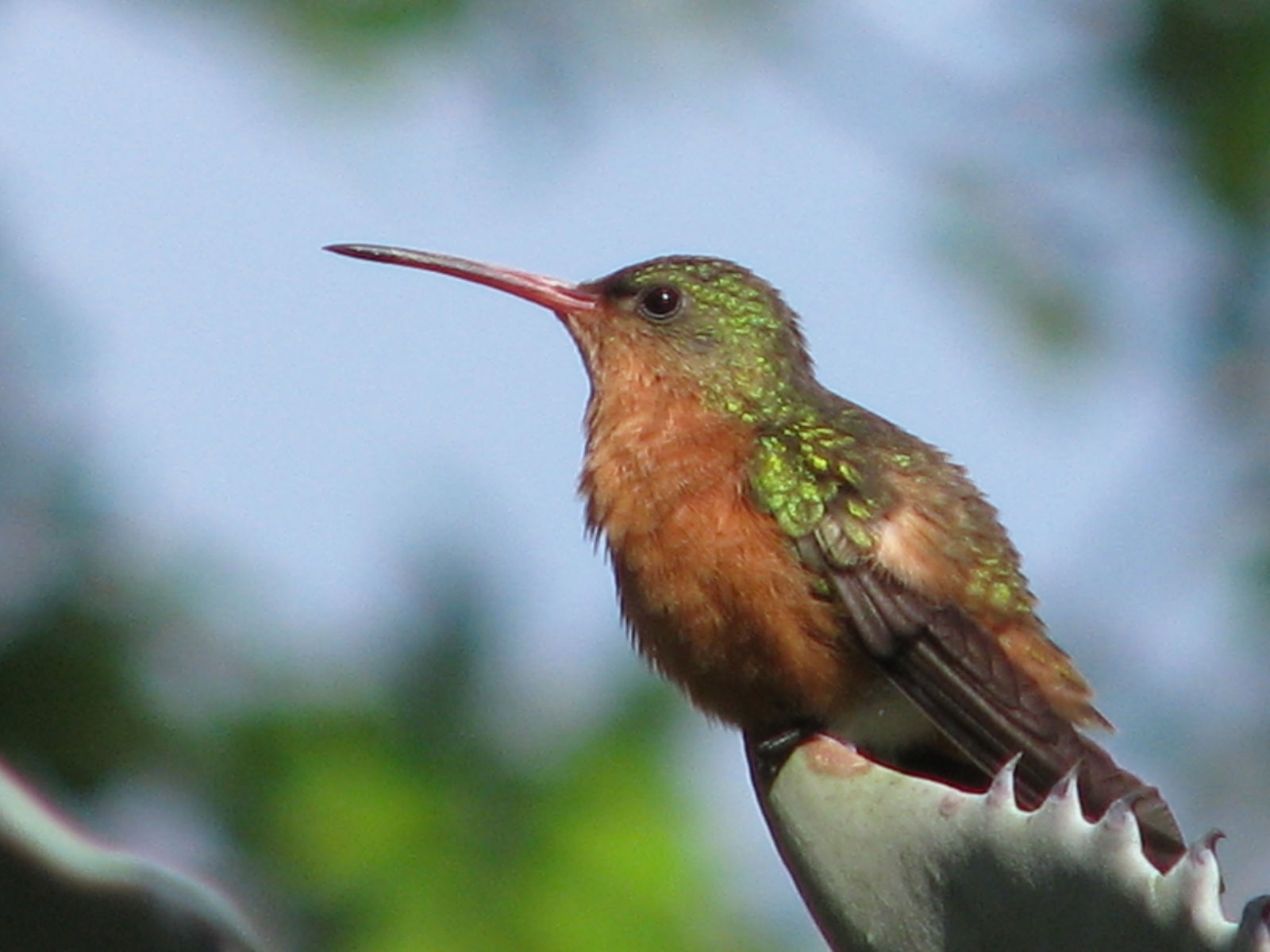
Playa Ocotal, Nicaragua
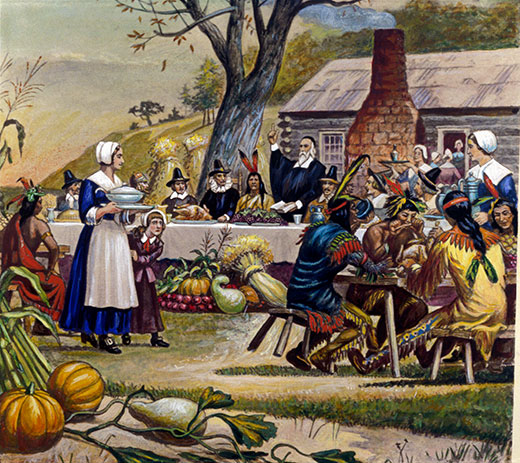
“Wildfowl was there. Corn, in grain form for bread or for porridge, was there. Venison was there,” says Kathleen Wall. “These are absolutes.
William Bradford, the governor Winslow mentions, also described the autumn of 1621, adding, “And besides waterfowl there was great store of wild turkeys, of which they took many, besides venison, etc. Besides, they had about a peck a meal a week to a person, or now since harvest, Indian corn to that proportion.”
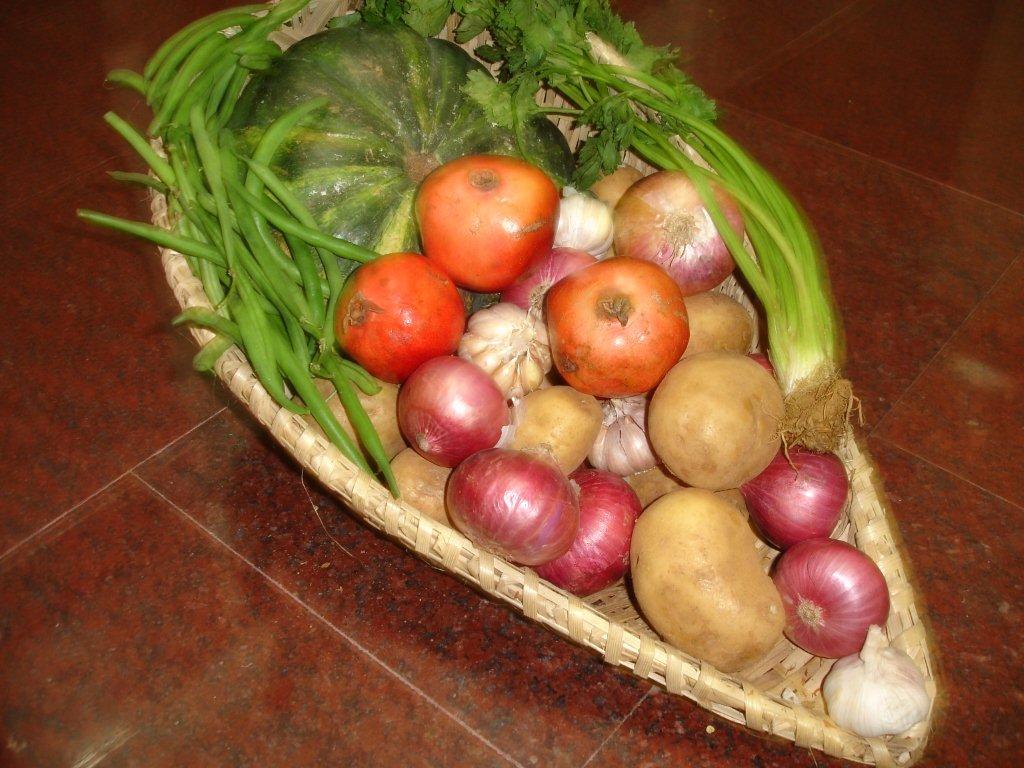
This morning at 8am, India Standard Time, our Thanksgiving turkey arrived at our flat. With a little help from friends it was surprisingly easy to come by. Unlike chickens, which can be seen running around every yard or patch of untended land, or ducks, which are pretty ubiquitous in Kerala’s watery byways, turkeys are just not that common here in India. So when I saw a few milling around someone’s yard while Milo and I were kayaking on the backwaters some time back I just had to ask our friend (who happens to own the neighboring property) to see if they might sell one to me. The rest is history, as they say. Continue reading
Besides being the most useful holiday known to man (however it is celebrated, as well as whenever, and by whomever) today is the birthday of the first publication of Darwin’s On the Origin of Species by Means of Natural Selection, or the Preservation of Favoured Races in the Struggle for Life.
Did you know that Charles Darwin and Abraham Lincoln were born on the same day? And that Lincoln was responsible for making Thanksgiving a national holiday in the USA? Continue reading

These are the first good shots I’ve gotten of any glories before. I have seen Stream Glories (Neurobasis chinensis) in Gavi, but they were far too shy to be able to photograph them. Walking through the forest the other day, however, a single Forest Glory (Vestalis gracilis) flew past me into the undergrowth. Careful not to lose sight, I followed it, only to discover a total of five damselflies lounging about in the shade. Continue reading
This crowdsourcing of microscopic imagery arrived long before the invention of the smartphone and networked communications: the amateur has long made a mark with the microscope—in the early years, by hand drawing images that appeared underneath the lens, and, in more recent times, with the added realism brought by the photograph.