All the World’s a Stage

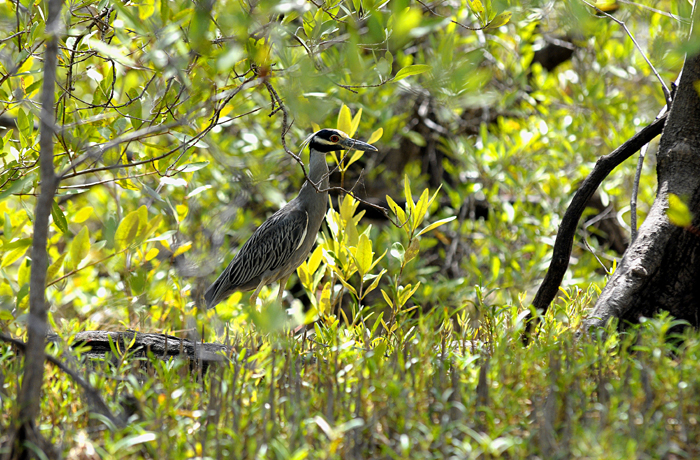
In a recent post Matthias Jost shared his impressions of San Jose, Costa Rica and its Teatro Nacional.  But what he didn’t share was the fascinating history that surrounds this piece of National Patrimony.

Part apocryphal and part historical, the tale goes that in the late nineteenth century an important European Opera Troupe was touring Central and South America, but they refused to stop in the “back water” of Costa Rica, as it had no proper venue for them to perform in. Continue reading

Mad Dogs

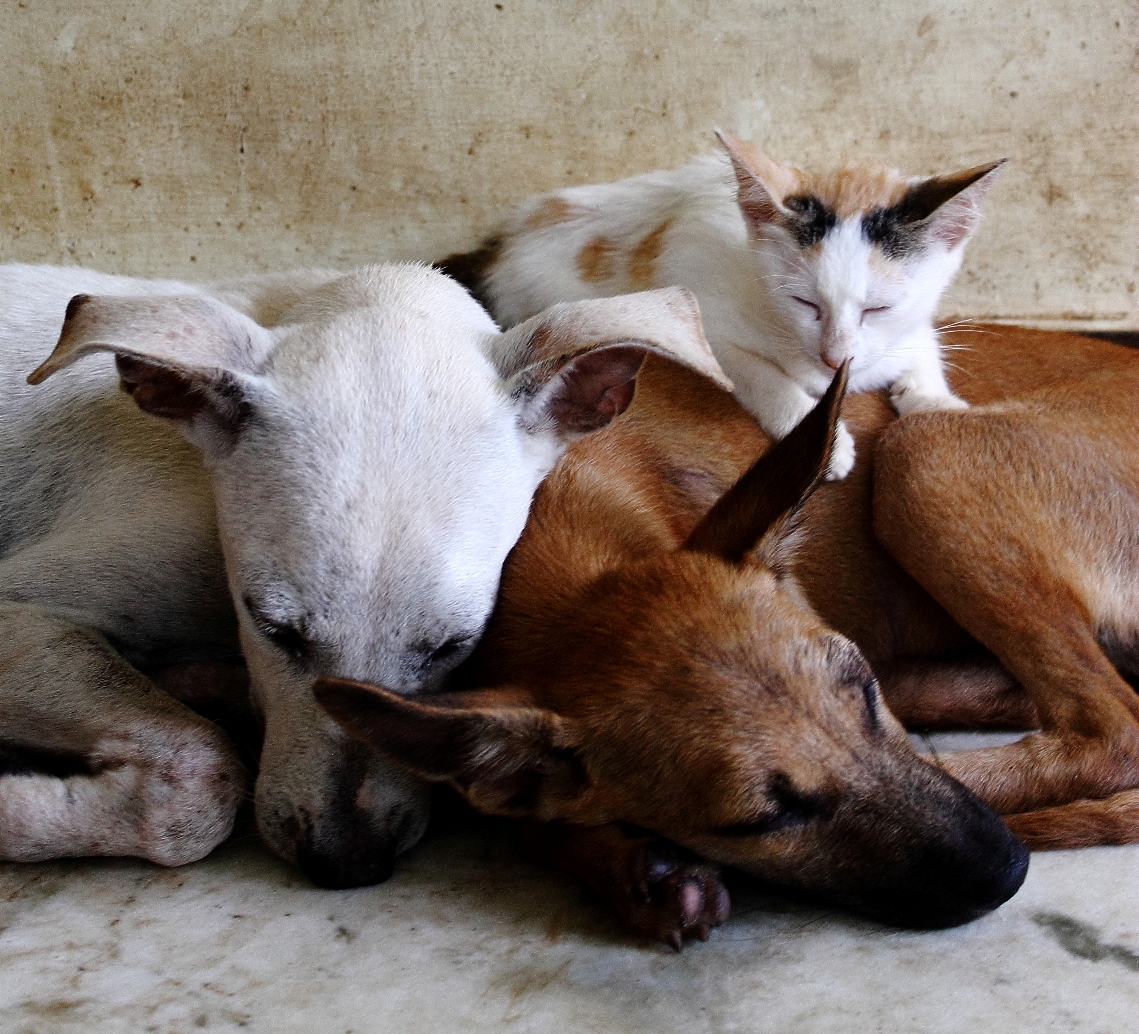
Street life for animals anywhere is hard, but in India it is exceptionally so. The infamous modus operandi of Indian motorists is based in fact, and stray animals on the road frequently bear the consequences of too many cars and people in too little space. Animal cruelty is not unheard of anywhere in the world – even the most modern of American cities have incidences; India is much less well-organized in terms of prevention and consequences. Despite the sprawling bureaucracy of Kerala’s government, there is no sole agency dedicated to the safety and well-being of urban animals. As such, the responsibility falls to warm-hearted citizens, either by adopting stray animals or taking them to a shelter. Continue reading

Opening Doors

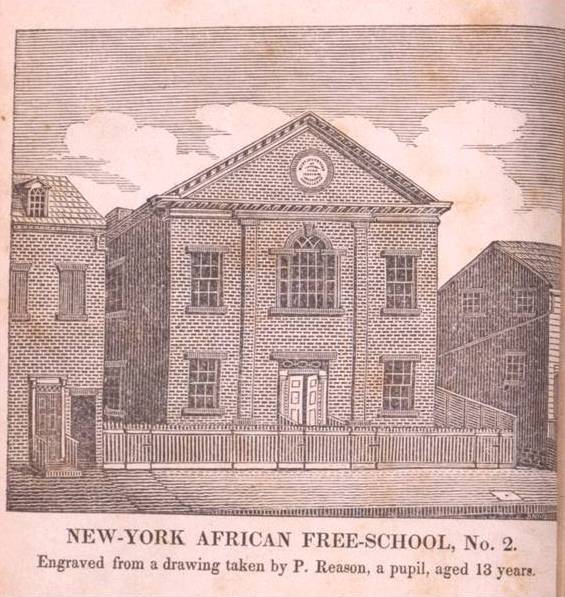
Source: Schomburg Center for Research in Black Culture / Manuscripts, Archives and Rare Books Division/ The New York Public Library, via Columbia University

The New York African Free School was established November 2, 1787, seventy-eight years before slavery was officially abolished by the 13th Amendment of the U.S. Constitution. Despite the fact that slavery was considered “crucial to the prosperity and expansion of New York”, groups such as the New York Manumission Society were established that advocated for African Americans and abolition.

Certainly ahead of its time, the school was co-educational, teaching reading, writing, arithmetic, and geography equally to children of both slaves and free men. Vocational skills were taught as well; the boys were offered astronomy and cartography, skills needed by seamen, and the girls learned sewing and knitting. Continue reading

What the Trees Read

Without question, the section of Cayuga Lake’s Inlet that receives the most traffic is a small area of shoreline at the corner of the second tendril extending east from the Inlet into Ithaca. Community members and college students are attracted to this little spot on the Inlet, known as Steamboat Landing, because the Ithaca Farmer’s Market spends its weekends there, sheltered under a long wooden pavilion topped by a green metal roof. Dozens of stalls are laden with earthly, culinary, and artistic crafts; more than a couple hundred people a day visit each of them to browse and purchase these locally produced goods.

This quaint market is surrounded by a mixture of modern development and natural shoreline that I could not have noticed from the Inlet’s waters—only by walking around Steamboat Landing was I able to understand the spot’s significance to the Ithaca community, and connect elements of Henry David Thoreau’s and Aldo Leopold’s writings with the history of the place. Continue reading

Progress Back And Forth

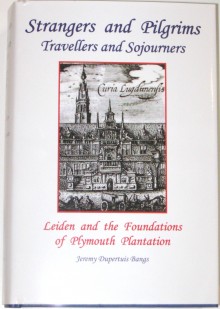
We have noted before the intriguing coincidences that link the “old world” to the “new world”–not least the desire to establish trade with what is now Kerala and the accidental discovery of somewhere else; and other links in both directions.  “Old” and “new” become fuzzy qualifiers when considering “modern” European travelers of the 15th century sailing to “ancient” India and instead encountering people we now call Pre-Columbians.  Seth has posted on the environmental impacts of people from that so-called old world as they settled in the new world and brought their definitions of progress with them.  Now, thanks to an article in Smithsonian Magazine our attention is brought to a book and a man who broaden our horizons back to the old world from which those people came. Continue reading

Wordsmithing: Pilgrim

For approximately 90o years now, according to OED,  those of us with wanderlust might properly be defined as a person

on a journey, a person who travels from place to place; a traveller, a wanderer, an itinerant…

…in short, a pilgrim.  That, according to the first entry defining the word according to its oldest usage.  The second definition gives the now more familiar context of journeying to a sacred place as an act of religious devotion, but qualifies that by adding that a pilgrim makes a journey as an act of respect, or homage to a place of particular significance or interest (without necessarily any religious context).  Getting the utility of this word into more widespread practice would be progress, indeed.

The Tale of Two Pomegranates

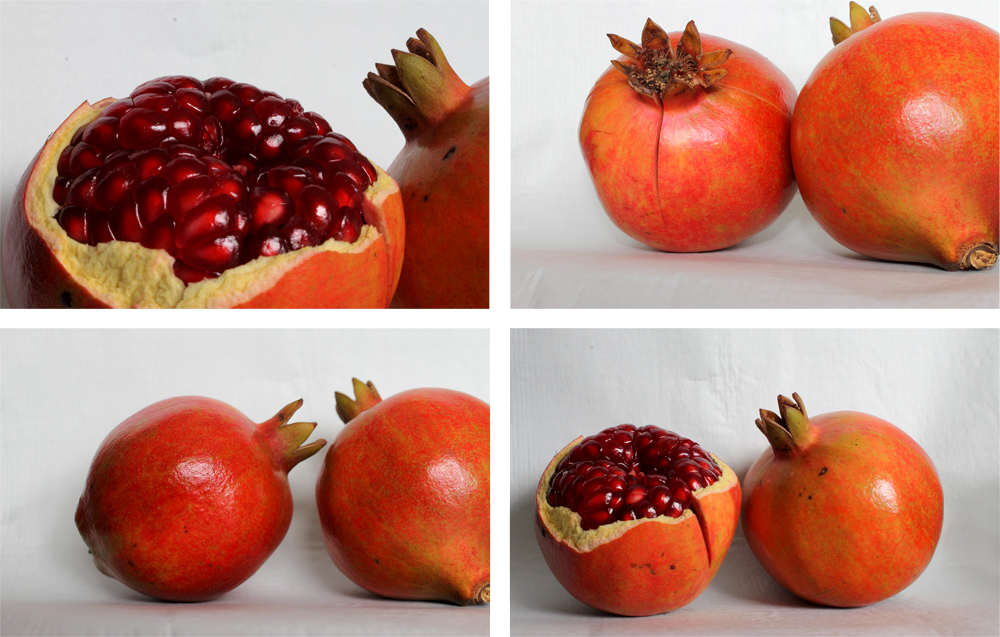
The color red defines the current fruit season in India.  (Bananas don’t count because they are always in season, and yes there are indeed red bananas…)  The fruit stalls are piled with apples and pomegranates.  What lacks in variety is made up in abundance, as well as the flair for display.

But this season pomegranates reign.  Native to Iran (culturally Persia), the fruit traveled through India, mostly in the north of the country (Pune is famous for pomegranate production), but also in our southern state of Kerala.  The Middle East, Mediterranean and southern Europe were also fertile ground for the Punica granatum, and when the Spanish brought it to the “New World” it completed the global circuit nicely. Continue reading

So, San Jose

But how is it? It’s certainly not a beauty compared to other bigger cities. The Google Earth image above provides a kind of accurate representation of the first impression–not much to feel at first glance.  But this city has its own very charming sides, and I enjoy being here.  Continue reading

From Halloween To Día De Los Muertos

On the fringes of our intent at this site, where culture is sometimes king, sometimes queen, and sometimes jester: a pause to refresh our memory of what many of us consider a not-so serious cultural artifact.  The traditions associated with October 31 in the USA represent a rich co-mingling of sacred, sacrilegious and purely commercial interests; in Mexico and elsewhere those of November 1 or so represent mostly sacred, family-focused interests.  But both share, at least in recent times, an orientation toward humor and its ability to soothe fears.  In that specific path of tradition, the following seems just right for the transition from October 31 to November 1:

Supporting Great Smoky Mountains National Park

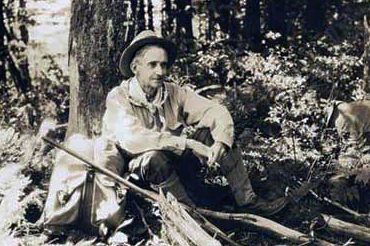
Horace Kephart is, or should be, in the pantheon of anyone working on entrepreneurial conservation initiatives in or near wilderness areas.  Particularly if you have ever been lucky enough to camp in the Great Smoky Mountains National Park.  Even more so if you have also walked through Cornell Plantations.  The book that Kephart wrote, Camping and Woodcraft, has supported both of those amazing places financially.  You could take a look at the contents of this book here or here for a free ride.  But according to this article the royalties from the book were originally donated by Kephart’s descendants, several of whom attended Cornell, to the Plantations.  The article (from which the photos here are rendered) also states that proceeds…

…from the new edition benefit the Great Smoky Mountains National Park.

We will have to investigate further how that works, since Amazon offers a new edition that does not look like the one mentioned in that article.   If you have any information to share on this, please post a comment here.  Meanwhile, anyone who would aptly describe their life as biophilia-driven might understand why this man spent his Continue reading

Crabby and Ant-sy (In The Best Possible Way) in Colombia

Guest Author: Nicole Kravec

This slideshow requires JavaScript.

I woke up smiling and drenched in sweat.  It took me a moment to remember exactly where I was, as my exuberance to investigate Colombia’s diversity resulted in new accommodations nightly.  But as I peeped my head out of the hammock and became further enveloped by the Caribbean humidity, I was content with the decision to spend a few days in one place.   I spied a horse grazing near the backpacker tents, heard gentle ocean waves rolling, and smelled fried plantain patacones pattiesContinue reading

Blue Marsh Hawk

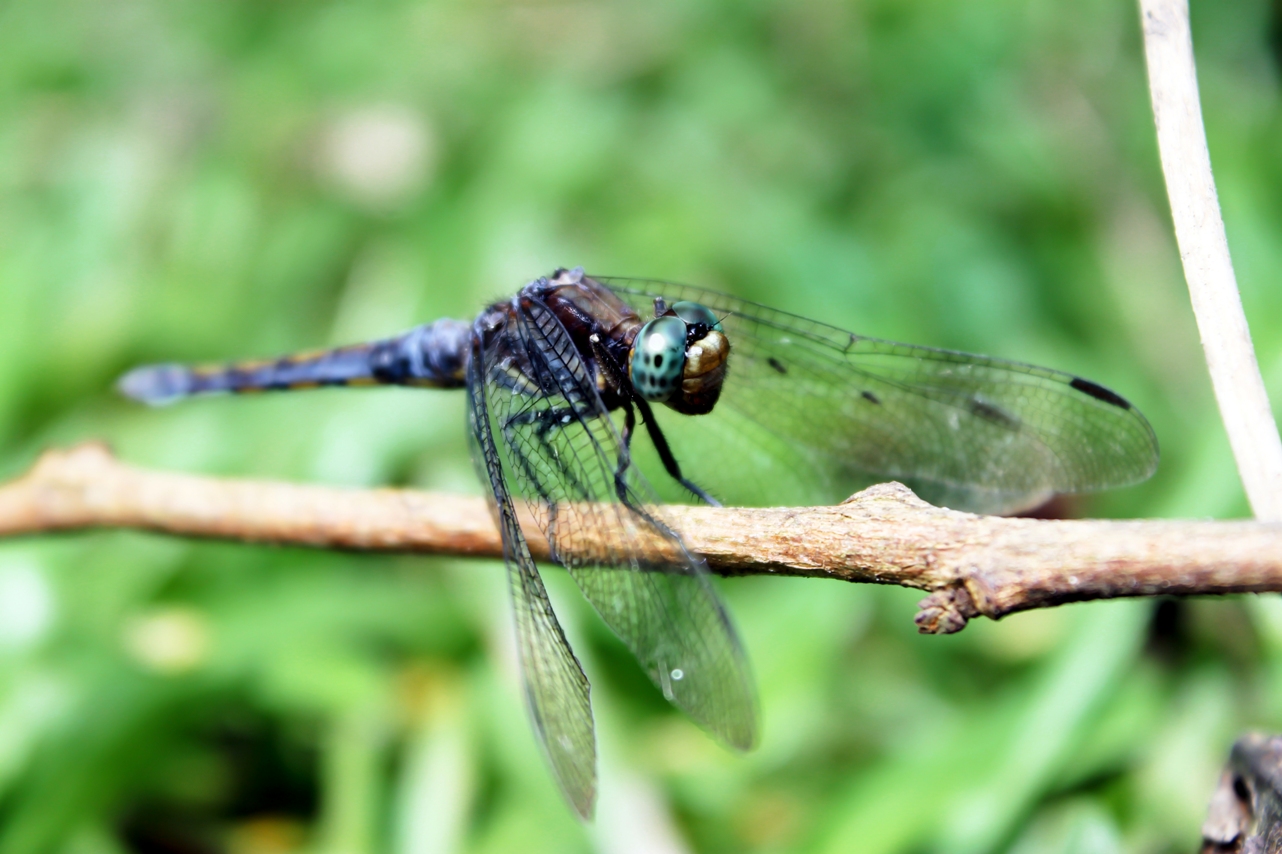
A female Blue Marsh Hawk (Orthetrum glaucum) photographed in the Periyar Tiger Reserve. In some species of dragonfly, the male and female are remarkably similar. Blue Marsh Hawk males are similar to females, although their ‘face-plate’ is significantly darker and the abdomen is lacking the prominent yellow stripes present on the females. Continue reading

A Closer Look

Yesterday’s link to that last post in Robert Krulwich’s series on camouflage reminded me of the experience I had two weeks ago, while taking a photograph of some sea lions perched on the top of an outcrop of sun-absorbing, smooth black rock.  Those seemingly lazy creatures climb up from the waters below to recharge in the sun.

From where I was standing taking this photograph I did not notice anything other than the same kind of rocks in front of me.

Instinctively, I took a photograph of the outcropping in front of me but did not notice anything other than the contrast between the black and white.

I stood in the same spot for some minutes, mainly looking at the sea lions, but eventually looked back down in front of me and snapped another photo. Continue reading

Different Tastes, Together

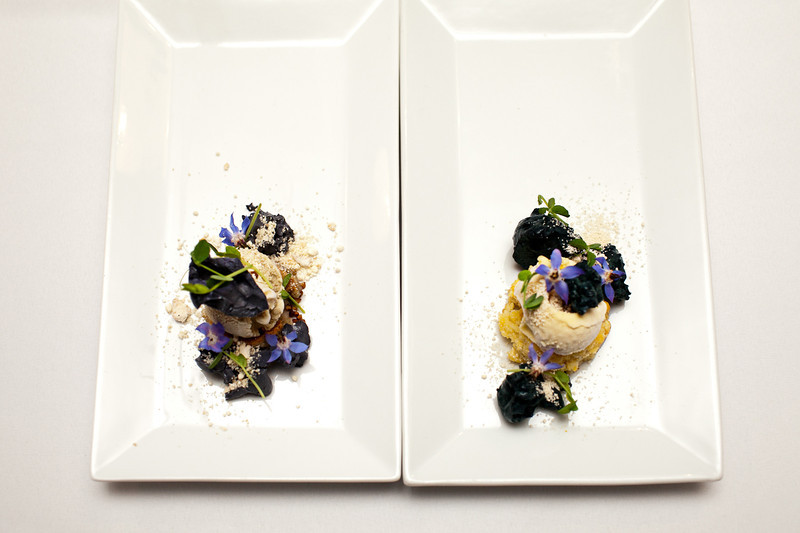
I had a thought once about couples where one person was a vegetarian and the other was a meat eater. It seemed like they could really never share a meal and have the same experience without one person–usually the omnivore–compromising to suit the mutually agreeable meal. To a normal, well adjusted human being, this is a totally banal observation that wouldn’t warrant losing sleep over.

But to us at Studiofeast, we thought it’d be cool to do a meal where an omnivore and a vegetarian could both share the same meal without the former forgoing meat or the latter having to try flesh. That was the seed of an idea that grew into our most recent dinner: a 7 course meal with an omnivore and vegetarian option where each corresponding course looked identical across the meat/vegetable line. And on July 17th, we seated 40 guests–20 omnivores on one side of the table, 20 vegetarians sitting opposite them–and served them our Doppelganger Dinner.

This slideshow requires JavaScript.

See the whole story hereContinue reading