 Male Ditch Jewel (Brachythemis contaminata) spotted on a riverbank in Alleppey, Kerala. The Allapuzha District is home to an extensive network of backwaters as well as rice paddies, an ideal breeding ground for dragonflies and damselflies, as well as one of Kerala’s main destinations (for human visitors, that is). The male and female are difficult to distinguish Continue reading
“Horoscope not matching, that lady…”

A few weeks ago I wrote about the importance of the astrologers‘ input in choosing a life mate. Yesterday I asked a member of the family whether the young man had chosen a bride yet. The title of this post was his simple response.
So, back to the drawing board, as the saying goes….
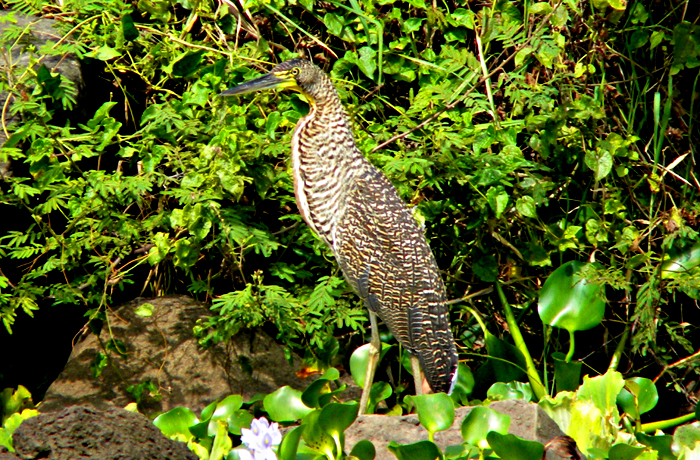
Bird of the Day: Tiger Crane (Las Isletas de Granada, Nicaragua)
Trumpet Tail
 Mature female Trumpet Tail (Acisoma panorpoides) photographed in the Periyar Tiger Reserve. Unfortunately well camouflaged (at least for their prey and photographers), this species is another exceptionally small one. The good news for me was that Trumpet Tails, due perhaps to their small stature (and presumably metabolism) cannot fly for long distances, and therefore are easy to chase and photograph.
I find the abdomen’s structure to be quite beautiful – certainly more so than the straight-and-narrow ones of say, gliders or marsh hawks. Sadly, although I found the male to be more attractive Continue reading
Paying for Ecosystem Services
Tim Chen has covered ecosystem services as they relate to ecotourism; below I’ve written some additional information on how the process might work on the market.
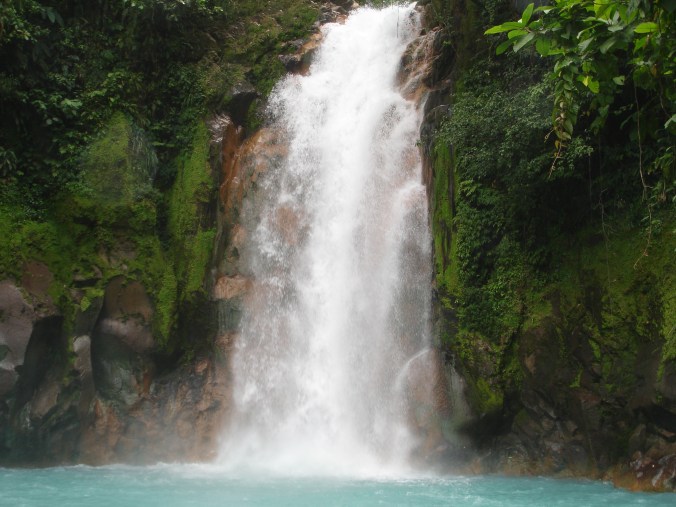
- Sulfur-rich waterfall in Costa Rica
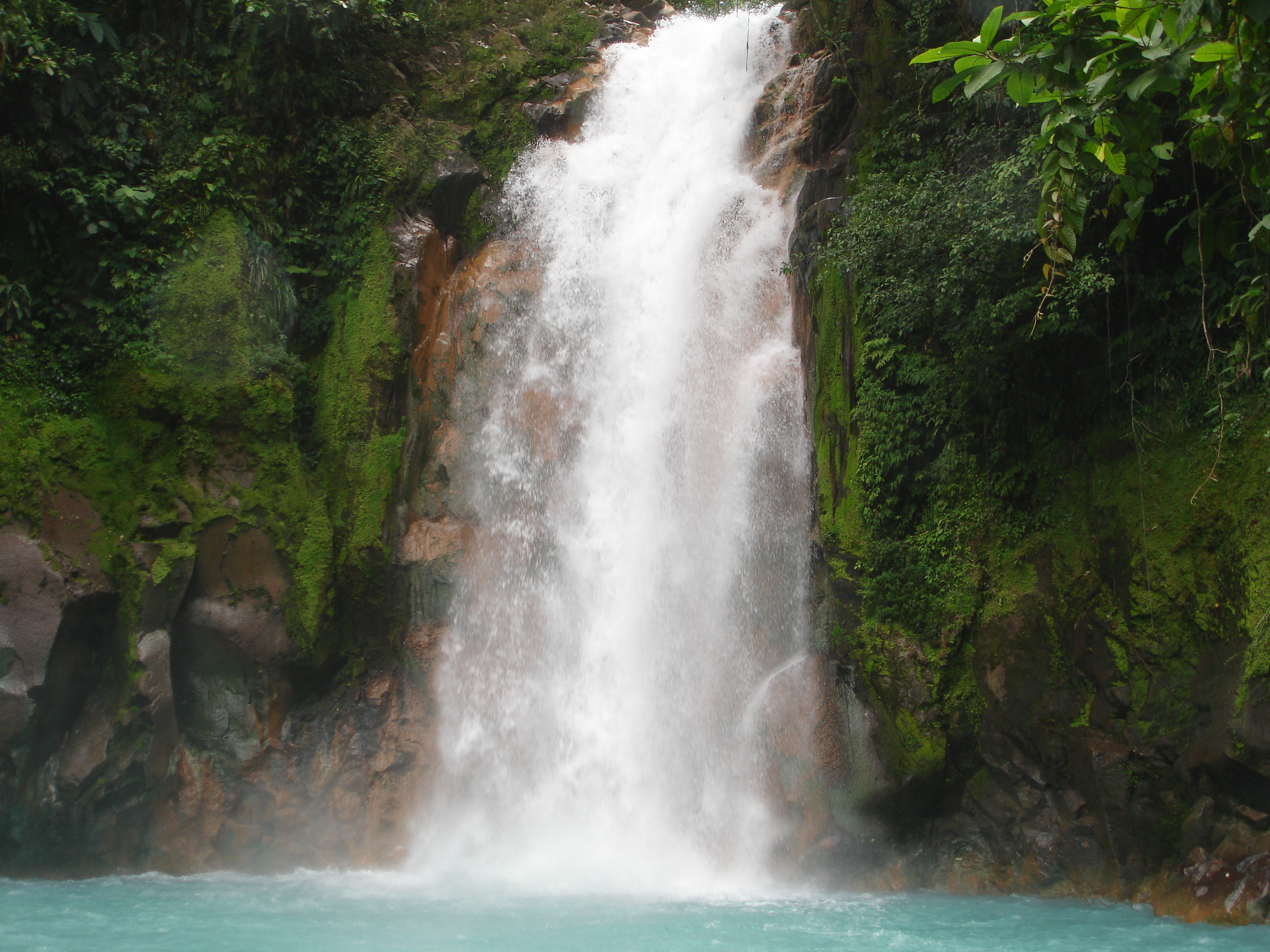
As developing countries increasingly convert natural ecosystems to areas controlled by humans, ecosystem services (e.g., waste absorption, water purification, soil conservation) are being lost. In order to prevent these shifts, people who live in urban areas or have no close relationship with, for example, their sources of drinking water are often willing to pay people who do have direct impacts on the watersheds. Payment for ecosystem services (PES) has become a measure by which higher-resource groups can induce lower-resource communities or individuals to protect local wetlands, forests, or other areas in order to maintain the ecosystem services that support a particular standard of living. Before such payment schemes can be established, however, certain scientific analyses must be carried out to determine the most efficient allocation of resources and facilitate the selection of the right service providers. Continue reading
Scraping Hell’s Attic

The Sulphur-Bottom Whale
The sulphur-bottom whale is the largest mammal on (or under) the earth’s surface; many speculate that it might be the largest animal ever to have inhabited our terraqueous globe. These immense creatures can typically grow to between eighty and a hundred feet long, with the largest specimens caught suggesting that the whales might exceed one hundred and ten feet in length! The weight of the sulphur-bottom whale is commensurate with its size: they can weigh between one hundred and one hundred and fifty tons. For comparison, the largest elephant ever recorded weighed a mere twelve tons. If the sulphur-bottom whale rolled over in its sleep Continue reading
Synchronous Symmetry
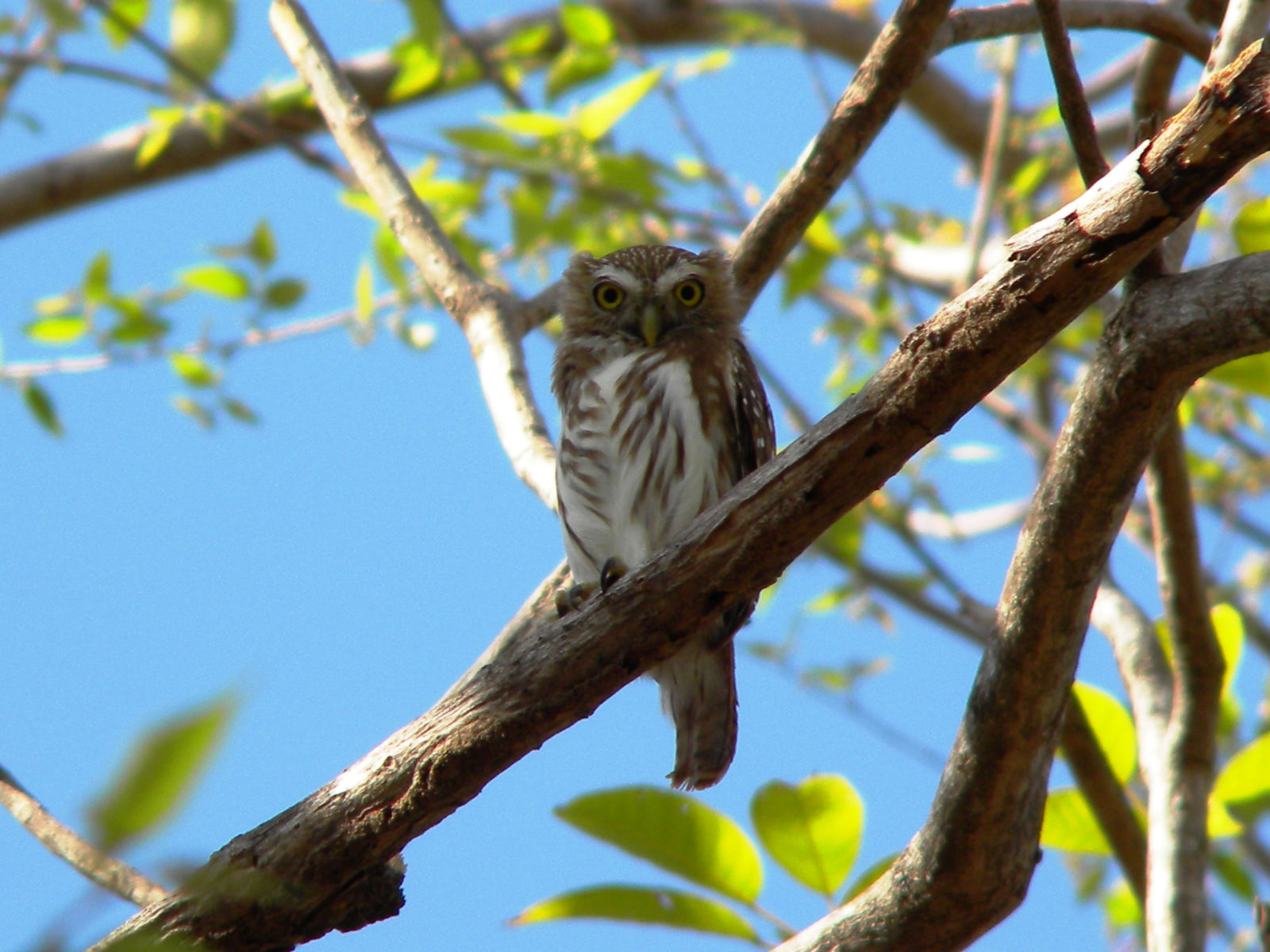
Bird of the Day: Ferruginus Pygmy Owl (Morgan’s Rock, Nicaragua)
Penguin Cozies
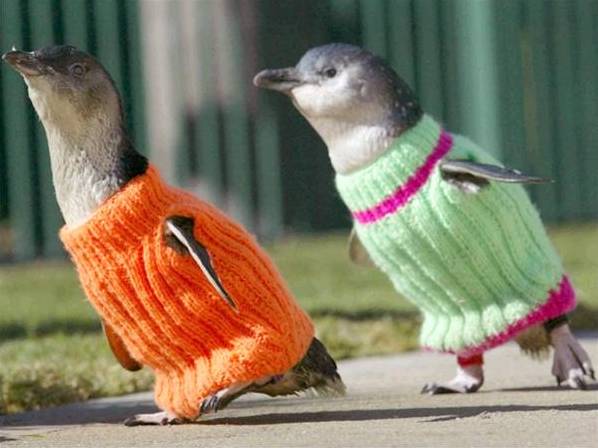
Toby Zerna / Newspix via Rex USA file
The environmental impacts of ocean oil spills are often incalculable, but for better or for worse the effects on wildlife are well-known. New Zealand’s coastal waters are home or breeding grounds to nearly 85 species of seabirds, and during breeding season the situation becomes increasingly desperate as the birds dive in and out of the water to find food for their chicks. Continue reading
Orange Marsh Dart
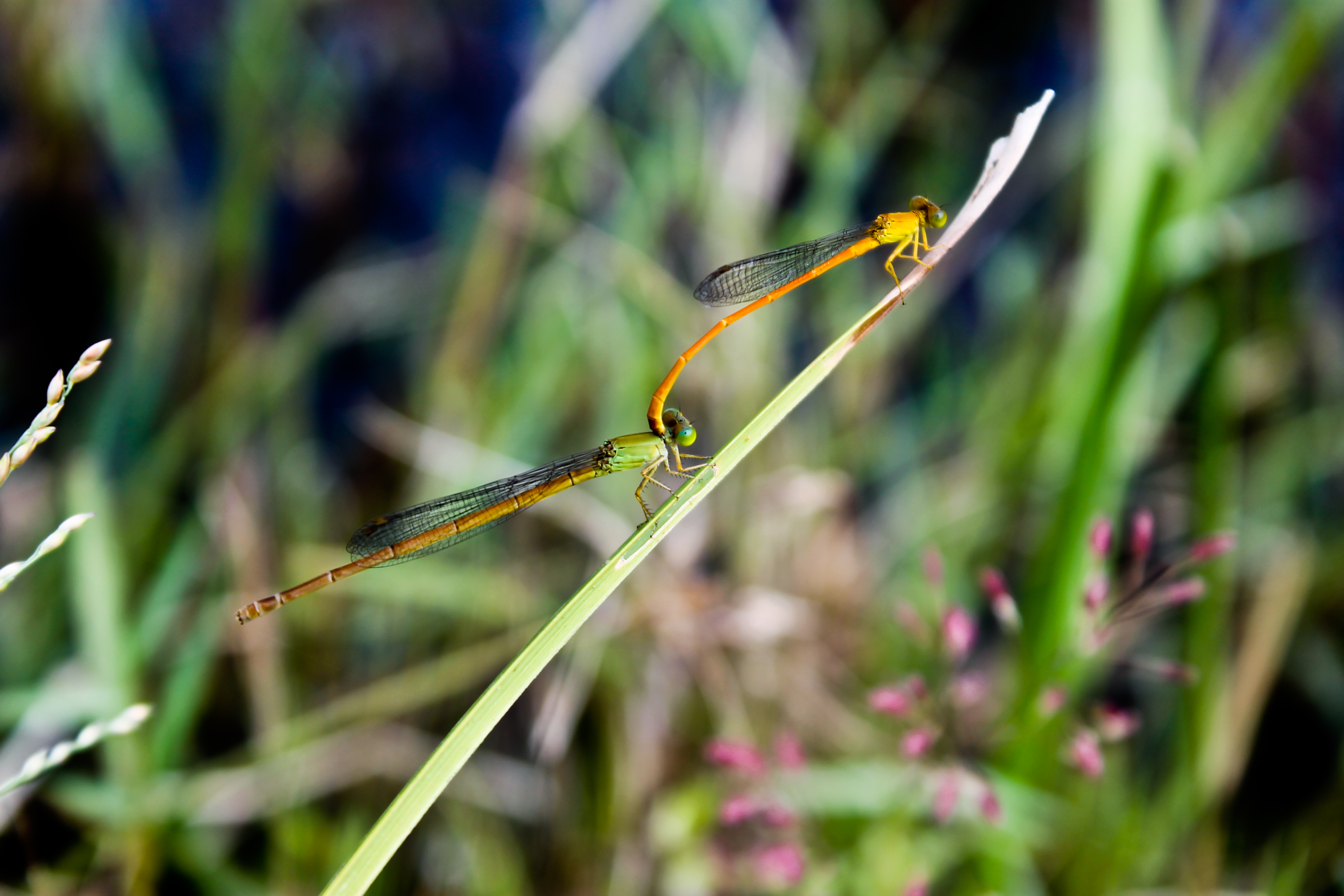 Orange Marsh Darts, Ceriagrion rubiae in copula, photographed in the Periyar Tiger Reserve. The male is mostly golden, while the female is more olivaceous. I’m unsure whether this is exclusive to this species or in all damselflies Continue reading
Bird of the Day: Green Heron-Male
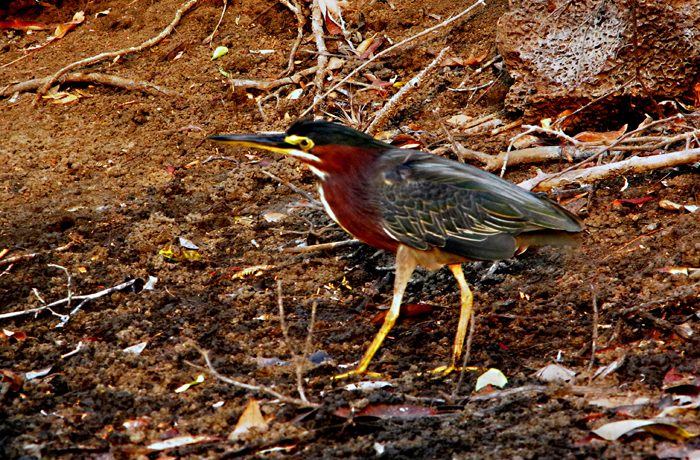
Morgan’s Rock, Nicaragua
Blue-Tailed Yellow Skimmer
 A mature male Blue-Tailed Yellow Skimmer, also known as Asian Widow (Palpopleura sexmaculata) shot in the Periyar Tiger Reserve. This is undoubtedly the smallest species of dragonfly I’ve photographed, scaling it at close to under an inch long. The dragonfly’s abdomen is unique – not only in length, but in breadth and shape. The Trumpet-Tail is another uniquely-abdomened dragonfly I’ve spotted in Periyar – pictures of her next time.
For some reference to size, here’s a short anecdote Continue reading
Music of the Spheres

Changing Water – Gulf of Maine, 2011, Nathalie Miebach
Tones sound, and roar and storm about me until I have set them down in notes —Ludwig van Beethoven
Boston artist Nathalie Miebach found the seemingly unlikely intersection between astronomy, meteorology, ecology and basket weaving, essentially translating data into 3 dimensions… then she adds the plane of music. For her work, Miebach was selected as a 2011 TEDGlobal Fellow.
Initially focusing her woven sculptures on data from the stars, her work was rerouted by a call from two weather scientists at Tufts University. Intrigued by her work and it’s possible applications, they asked her to collect weather data on Cape Cod. From that point on, winds, temperature, barometric pressures, and rainfall became part of the raw material for her artistic work. Continue reading
Bird of the Day: Tricolor Crane (Las Isletas de Granada, Nicaragua)

A Well-Rounded Adventure
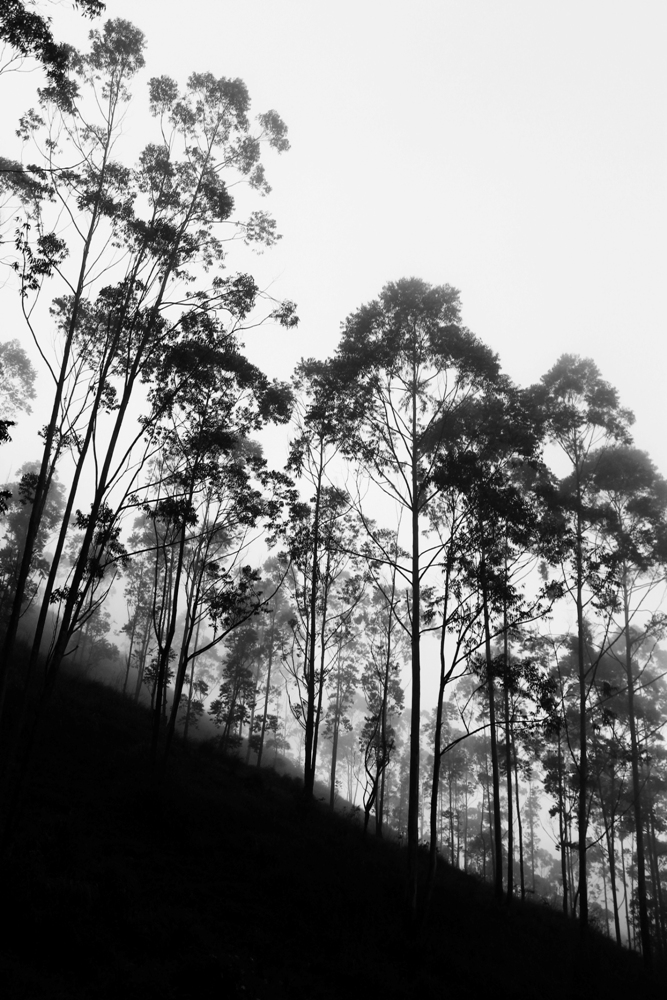 “Mists, ah, very problem!”
I glanced sideways at the boisterous Mallu man driving the jeep along the winding mountain road. Like his passengers, he was peering out of the vehicle at the steep slopes around us, scanning them for wildlife, abetted by the pre-dawn lighting and the heavy mists.
If any elephants or bison were grazing upon the high hills we drove through, they were impossible to see thanks to the cotton-thick mists blanketing the tall grass and trees that covered the terrain. As the vehicle banged and clunked over potholes at high speeds, I held determinedly onto the railing for dear life, occasionally risking freeing my hands for a photograph of the scenery speeding past.
Some ways down the road, once the sun had risen above the horizon, the jeep rolled to a stop under a densely canopied corridor. My eyes began to search the trees for the reason of our stop to no avail – the driver pointed to what I had previously taken for a pile of rocks, proclaiming it to be a tribal temple. Upon a second look, I realized that the blocks of granite were hewn into rough rectangles, and while in no particular order, they were indeed surrounding a small garlanded icon. Continue reading
Bismar’s Birds
Our involvement with conservation tourism around the world has taught us the vital importance of guides, whether they be for cultural visits or treks in the forest. Good interpretation is something that cannot be underestimated, in fact, it has been said to us before that “a visit to the rain forest without a guide is like a visit to the library without knowing how to read.” In both cases there are opportunities to take in the atmosphere, but without the interpretive element that atmosphere is missing an infinite amount of context.
 A good nature guide must have the obvious strengths of a “good eye”. They must also be able to communicate well with their visitors, even if language barriers are present. (Herein lies part of the beauty of the scientific names for flora and fauna!) It’s an even greater boon if the guide’s “good eye” translates into being a good photographer.
Bismar López is an example of one of these talented guides, and we hope to highlight more from different parts of the world in the future. He’s been guiding at Morgan’s Rock, a nature resort in southern Nicaragua (where Seth Inman spent the summer interning) since 2008. Growing up in a small community near the reserve has helped develop his love of Nature, especially birds. Continue reading
Don’t Tread On Me
Humans’ ecological footprint has been increasing while the Earth has remained the same size. Especially in the last three centuries, the impact of human populations on surrounding landscapes and resources has grown enormously. In the United States, the footprint’s swelling can be explained in large part by the change from subsistence to profit-minded production. The colonists who brought European ideas and techniques to America instigated this shift, which began in the late seventeenth century and has arguably continued till the present. The abundance of resources in early America, and the fact that they could be so easily exploited, facilitated this change towards a profiteering mindset. It is with this observation in mind that I can suggest that the fertile nature of early America contained the seeds of our profit-oriented attitude of today, leading to an ever-growing ecological footprint.
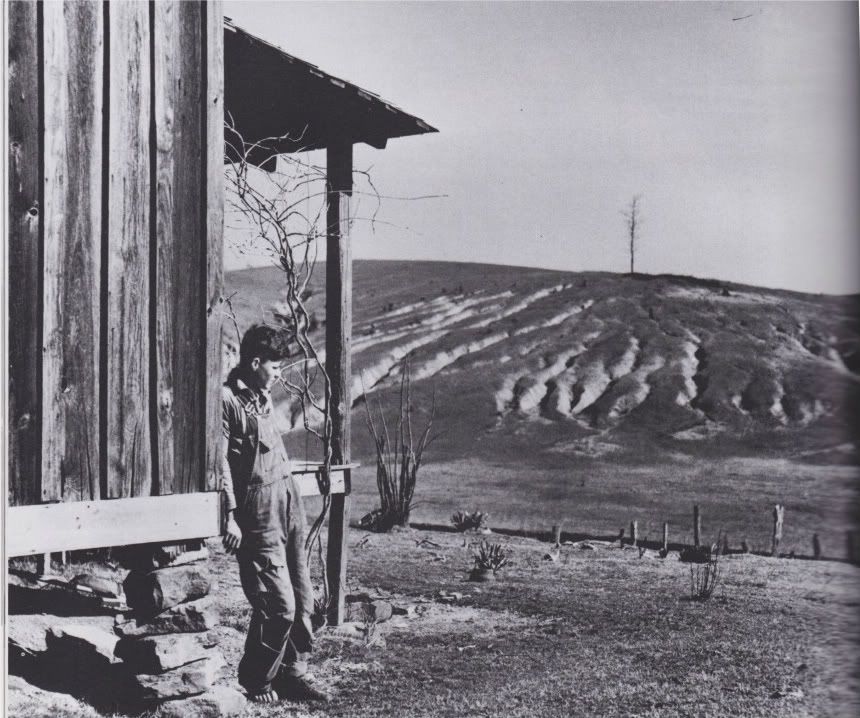
Arthur Rothstein “Soil erosion, Alabama, 1937”
Men such as Gifford Pinchot and John Muir realized the dangers of the attitude towards excess and, in order to avoid exploitation of American forests and mountains, attempted to Continue reading
Bird of the Day: White Neck Puffbird
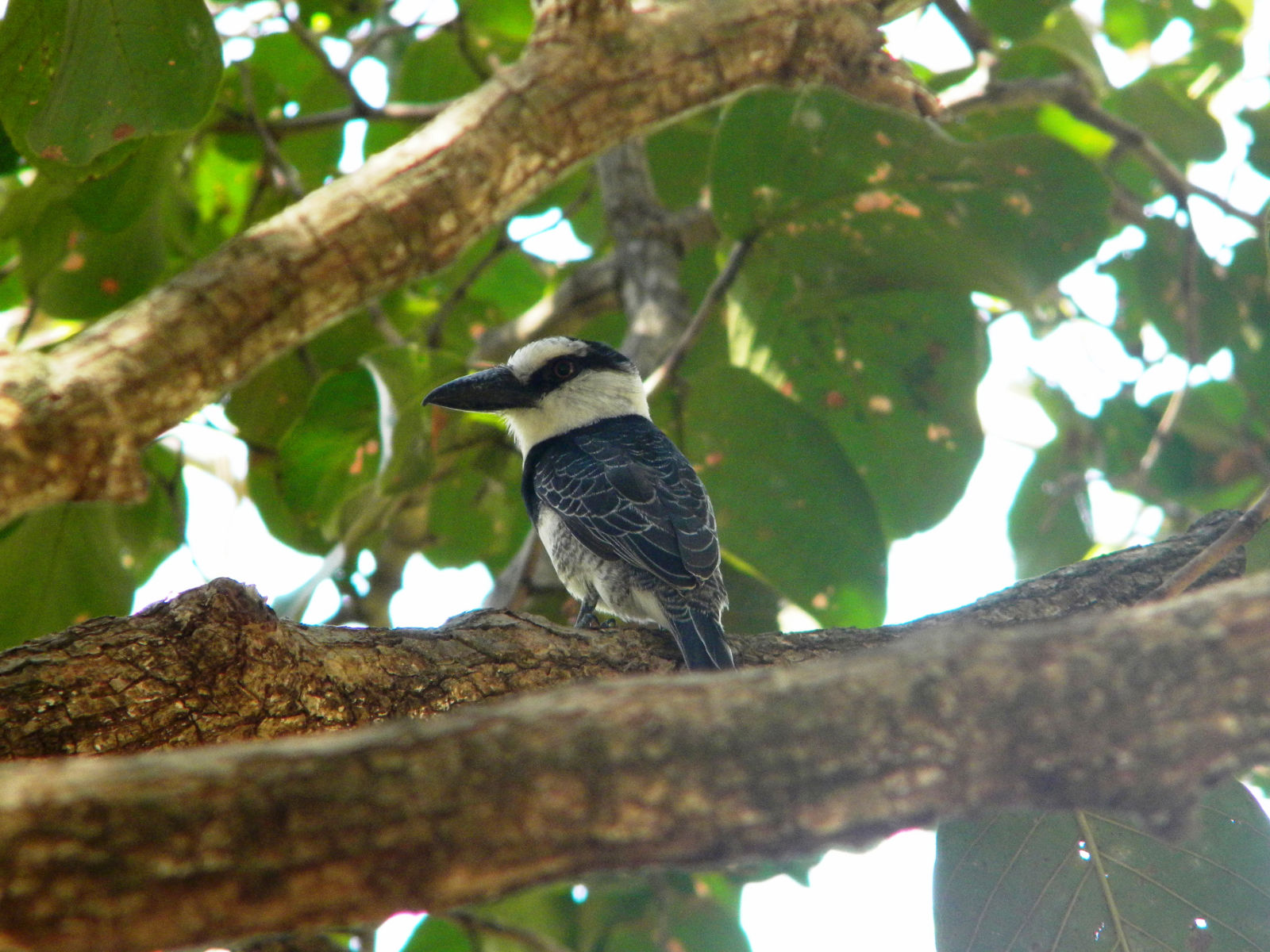
Morgan’s Rock, Nicaragua
Scarlet Basker
 Teneral (young) female Urothemis signata spotted in the Periyar Tiger Reserve. Her male counterpart is a rich scarlet color throughout, with some black coloration and partially amber-tinted wings.
What Wind Can Do
Milo has commented on the next generation of wind harvesting in an earlier post, but the use of technology is only bound by the limits of inventiveness and imagination. Even in resource poor parts of the world opportunities are available to dreamers who see the possibilities in what has been discarded.
 Organikos