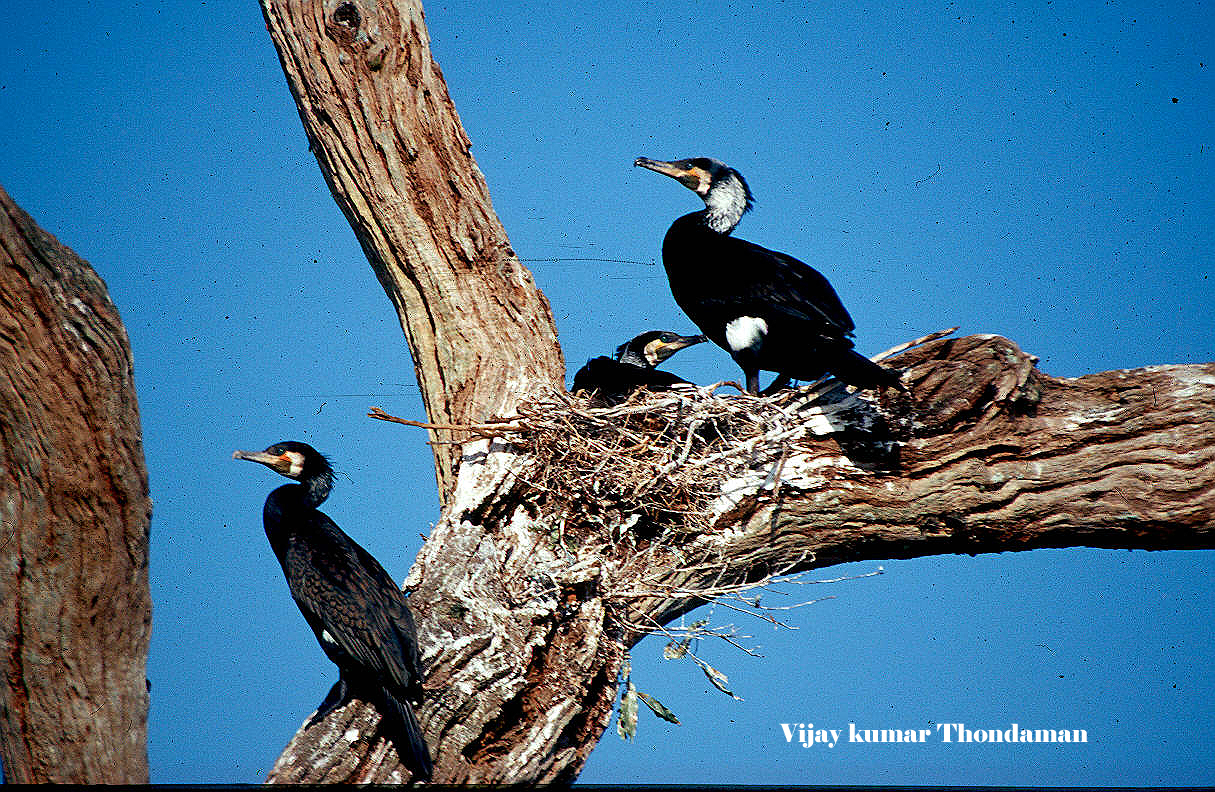
Bird of the Day: Great Cormorant
It seems funny that this word is a noun, since normally verbs are “action” words. But as the OED makes clear in the first entry in the definition of this word, an action is an outcome:
…Something done or performed, a deed, an act; habitual or ordinary deeds, conduct….
More!
 A recent trip to Thekkady showed me that the North East Monsoon will soon be upon us. The state’s equatorial tropical climate is dictated by its privileged position between the Arabian Sea and the Western Ghats, with the South West Monsoon providing respite from the summer heat and the North East Monsoon providing displays of lightning worthy of the Diwali season.
As the winds pick up it made me think about our time in Croatia, a country where the winds have mysterious names that don’t appear to coincide with points on the compass. Like eddies, one of those inanimate natural phenomena that seem to take on animated characteristics, the named winds seem to possess characteristics far greater than the mere direction of their source. Continue reading
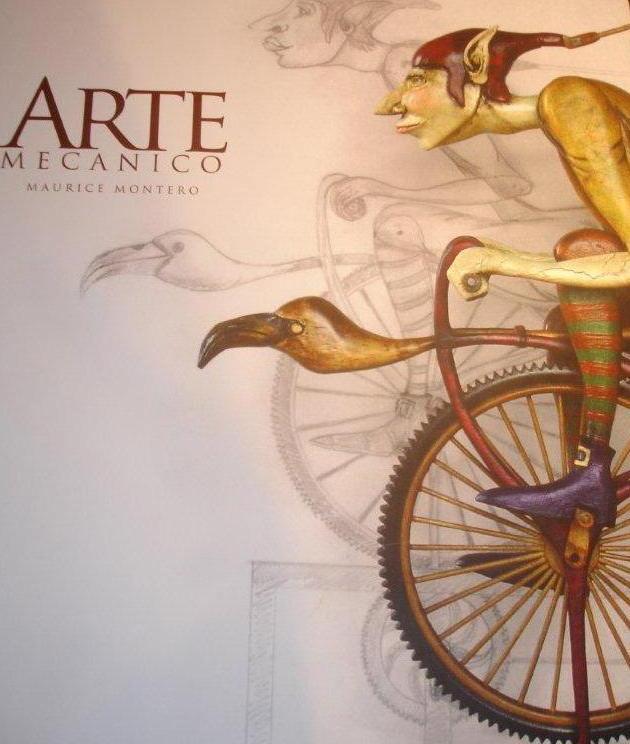 Another change visible in the Galapagos Islands circa 2011, versus 2oo3, is the quality of the craft on display in at least one shop in Puerto Ayora. I have always been interested in artisan craft, but especially so in the last 15 years. My first exposure to the intersection between ancient traditions and modern methods was in Guatemala in the mid-1990s, where an Austrian artisan was working with Maya communities on the re-establishment of production of finely carved ceremonial masks. Not long after that, I saw the same thing in Ecuador, where a Swiss artisan was working with the tagua nut (aka vegetable ivory) to create remarkable carved curiosities.
Now, in Galapagos, I see that an Ecuadoran artisan has documented his work in this book, showing a series of hand-made, all-wooden mechanical devices. While he is not based in the islands, his work is on display and somehow resonates especially well there. I took these short videos while visiting the gallery showing his work:
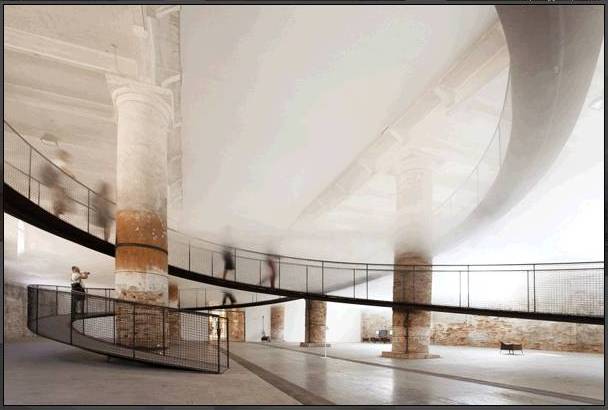
Cloudscapes (2010), Transsolar and Tetsuo Konda Architects
The Venice Architectural Bienale has a long history of showcasing innovative, thought provoking design and the Arsenale is a ideal venue to experience it. Once the largest industrial complex before the Industrial Revolution, in the 16th century the assembly line system was so efficient that it is said they could complete the manufacture of a ship in one day. (I won’t go into the number of trees required to feed this system throughout the centuries…)
The exhibition space of the Corderie, built in 1303 and then rebuilt between 1576 and 1585, covers a 6400 square meter surface that includes nearly 10 meter high ceilings, a magnitude that allows for a range of installations in the 2010 Bienale themed “People Meet in Architecture”.
Cloudscapes is an aerie (and slightly eerie) example of the possibilities. Continue reading

Pudukkottai, Tamil Nadu

This blurry photo was taken in the town square the same evening as my visit to the school. It was a musical and cultural show the school had orchestrated for the townspeople. While school productions such as this may be universal, I was still struck by something: in none of my work visits from 1998-2003 had I seen such a display of community. The men who play volleyball in the town square every evening respectfully halted their fiercely contested games, and many took a seat to watch and listen.
And while perhaps universal, this show in such a place had some magic beyond the music and dance steps: it was a sign of progress in the sustainable development of the islands.
Reyna walked me through the school and explained the transformation it has undergone in the last few years. The transformation began with the realization that children in these islands were in the midst of amazing nature, but that nature was not incorporated into the education they received. Nor was sustainability. Going from school room to school room I could see that this was corrected, and then some. No unnecessary paving, nor walls where they were not needed. Many classrooms are literally open air. Kids do not have to lean out a window to see what is happening in the trees. The science classroom looks familiar, yet better. Continue reading
There were several reasons for the visit to the Galapagos Islands that I just completed. I have known Reyna and Roberto for 15 years, since the time Reyna and I worked on a research project together. One reason for the visit was to understand what has changed on the islands since my last visit, from the perspective of locals. The biggest news, perhaps, was the radical improvement in the quality of education. The photos below show the name of the school, and generous sponsors, from a sign at its entry; two children climbing over the wall from their home to the school grounds at the start of the day; a bit of sport; and the pathway from one classroom to the next.
The animals in the previous post from the Galapagos, and the one before that, are both fond of the outer skin of young cacti. Young, in this case, means plants that are several months to several years old. In one of the photos above (with an iguana visible) you can see the youthful protective skin of the cactus, full of spines on the trunk. As a cactus matures, it develops a bark-like skin. Continue reading

When the Estonian city of Tallinn was named the 2011 European Capital of Culture organizers immediately started planning a festival to highlight the fact that the city has much more to offer than the picture postcard views. The LIFT11 Urban Installations Festival is intended to showcase the city’s innovative use of public space from 12 June to 22 October 2011.
The temporary urban installations range from objects of art and architecture, to land art installations set up in and around the city space. The pieces are meant to be interactive, asking visitors to use their senses in how they perceive them, including their sense of humor. Continue reading
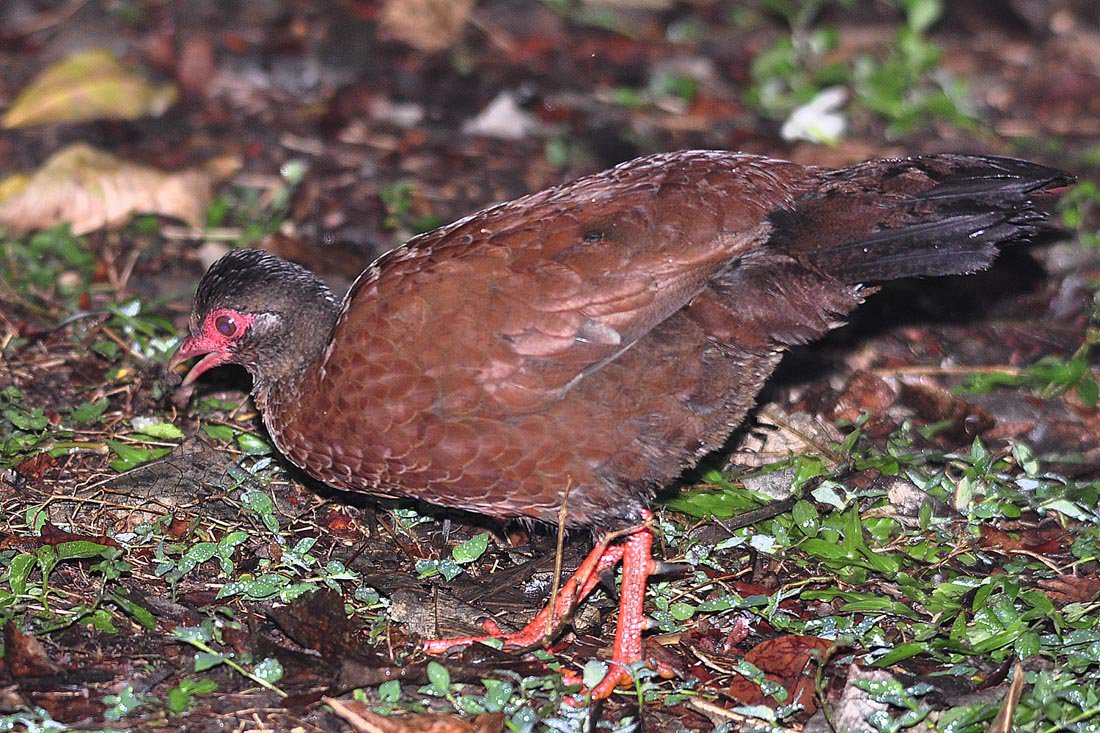
The lovely finch tells a story, aesthetic and scientific, that most of us accept as the gospel truth, about adaptation and evolution. A good interpretive guide can help the average lay person understand the story. Charles Darwin penciled out some of the first notes that guides use to explain why finches vary in color, beak size, behaviors, etc. and plenty of very smart people have contributed to the evolution of those explanations. So we continue to learn.
A visit to the Galapagos Islands should include attention to the finch, considering the role they played in the ability we now have to understand some of the mysteries of the natural world. Continue reading

Summer '11 by Elle Grace Miller
As people around the world attempt to work their economies out of doldrums (or whatever you call this moment in history), those who can are reconsidering how they distribute their budgets. Some who previously didn’t use cost as the deciding factor in their purchases, whether for food, household products like toilet paper or cleaners, or big ticket items like cars or construction materials, etc. are now beginning to think twice about their choices. This holds true for items carrying labels such as organic, green, eco-friendly, shade grown, etc…the bigger the budget bite, the more likely the convictions that drive these decisions are put to the test. Continue reading
 Organikos