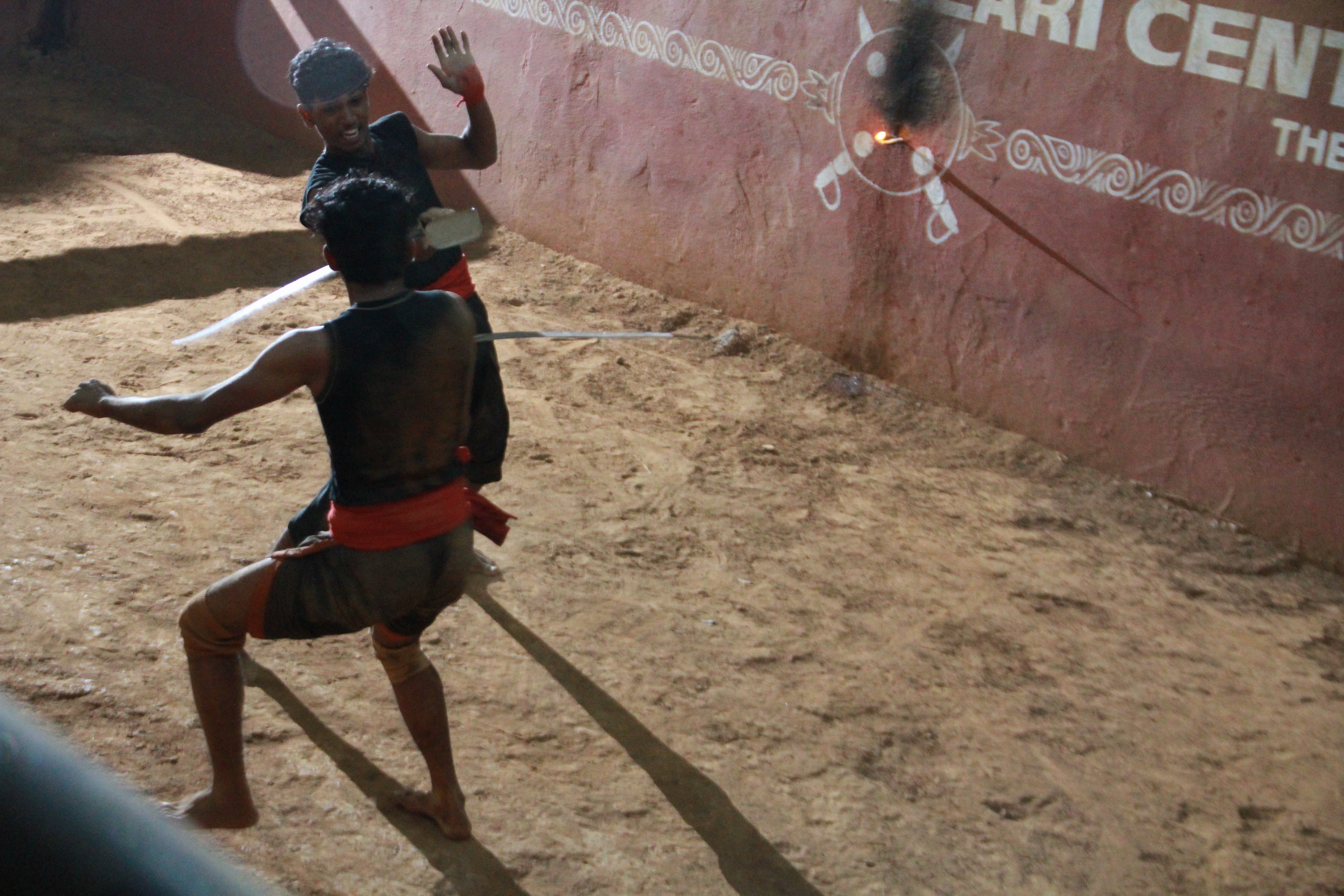
 You may have heard the common expressions, ‘jumping through hoops’ or ‘bending over backwards’ to describe an act, done for someone else, which is in some way a difficult challenge. I’m now willing to venture a guess that these phrases originated from the practitioners of kalari payattu – an ancient martial art native to Kerala – who literally do both of these things as devotional acts and for the love of their art. Continue reading
A Friend Shares Photos
Seth mentioned Sloboda Cinema in Dubrovnik, and by the mysteries of modern technology, and friends in faraway places, these photos have arrived, allowing a view of that location from the outside and inside:

These photos were taken a few days ago. Views of the interior follow the page break and if you have been to Dubrovnik you know how amazing the interior wall of this cinema is in historical terms. What film did Vesna see? Continue reading
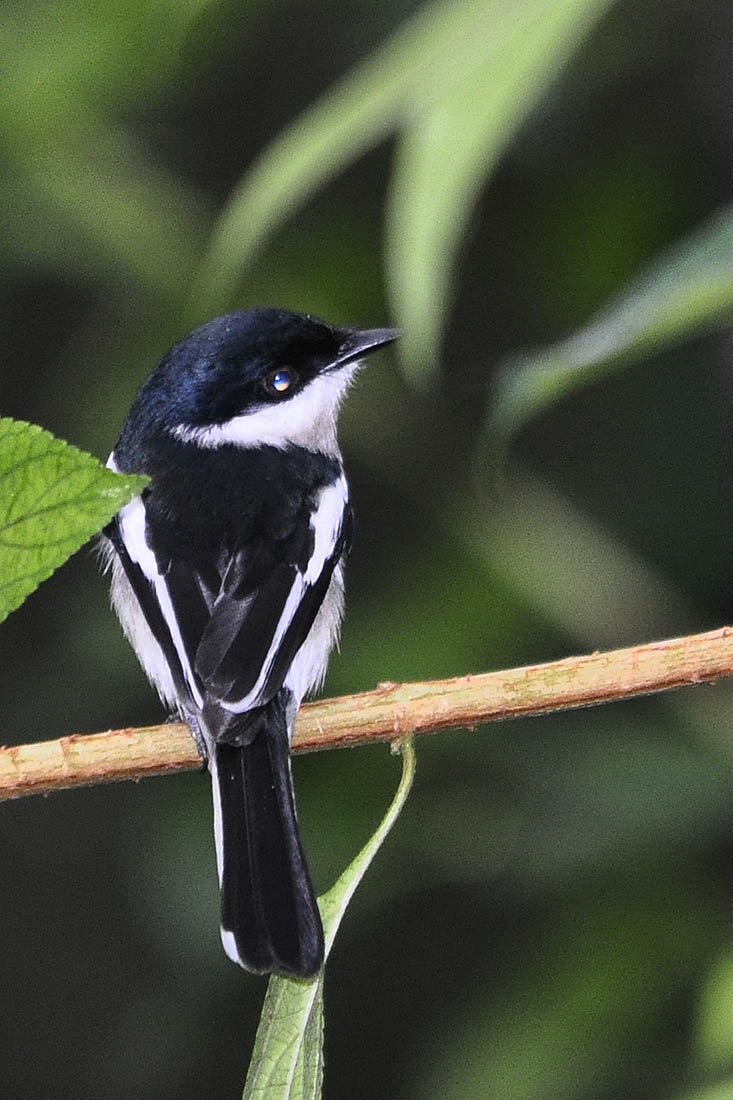
Bird Of The Day: Bar-Winged Flycatcher Shrike (Gavi, India)
Let Them Drink Frack Juice
Did he really? Was he channeling his inner snake oil salesman? Trying to demonstrate that Mr. Barnum had it right about we the people? Or cluelessly re-enacting the image of a long ago empress who was thought not to have cared one iota about the needs of common people…
…During a keynote lunch speech at the conference presented by the Colorado Oil and Gas Association, Halliburton Co. CEO Dave Lesar talked about addressing public concerns about hydraulic fracturing, which extracts natural gas by blasting a mix of water, chemicals and sand underground.
He raised a container of Halliburton’s new fracking fluid made from materials sourced from the food industry, then called up a fellow executive to demonstrate how safe it was by drinking it, according to two attendees.
The executive mocked reluctance, then took a swig. Continue reading
Periyar Trek and Bamboo Rafting
I only went out for a walk and finally concluded to stay out till sundown, for going out, I found, was really going in. -John Muir, 1913
A trek into a tiger reserve might most readily evoke ideas of adventure and intrepid exploration. Bamboo rafting suggests a similar air of gallant expedition in an untamed wilderness. But when asked about my experience on the bamboo rafting and trekking tour through the Periyar Tiger Reserve, ‘peaceful’ was the word that came to mind. While all those notions of rough and rugged adventure are accurate, ‘peaceful’ is the expression that best describes that day, as well as the feeling I get when reflecting upon it.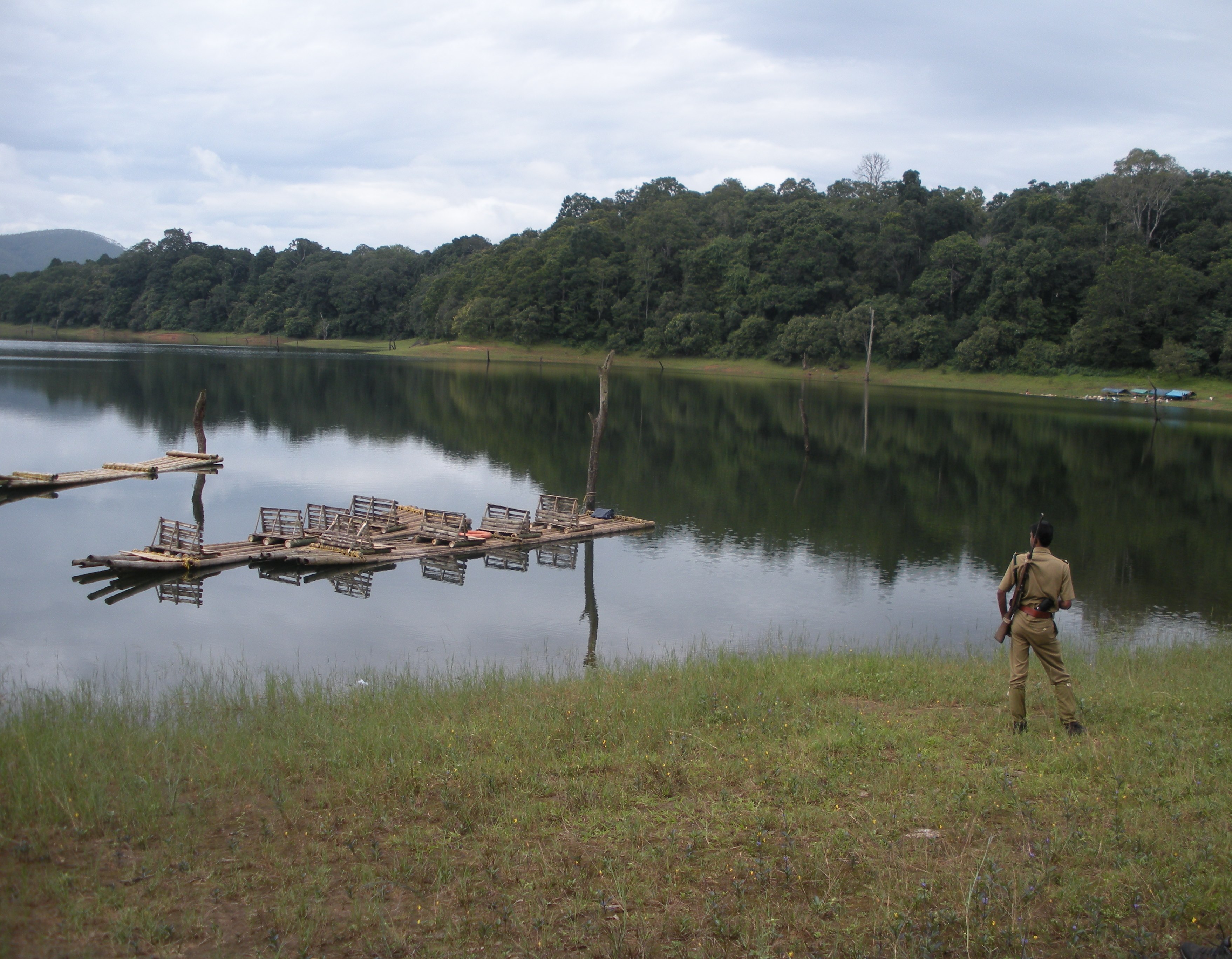
Summing Up Summer
During the past two and a half months in Nicaragua I was mostly working at Morgan’s Rock Hacienda & Ecolodge, exploring the property through nature tours as well as hiking by myself. I accompanied the local guides on their excursions with guests, offering constructive criticism based on my previous ecotourism experience and feedback gleaned from the tourists I joined. I wrote over 27,500 words and compiled a couple hundred pictures to publish around 26 posts directly related to Morgan’s Rock, and 20 others from locations around Nicaragua. Combined with the ever-growing variety of fellow contributors to this blog, I hope my posts have educated or at least entertained readers interested in wildlife, sustainability, and conservation.
I arrived in the States about ten days ago, and starting this Wednesday I’ll be back studying at Cornell University’s College of Arts & Sciences. During the Fall semester I expect to continue sharing on Raxa Collective, since several of my courses cover relevant topics within environmentalism. Although I may not be able to include the exotic sort of posts that include photos of amazing animals or my translation of an ex-vice-president’s opinion on reading, Ithaca is well known for its sustainably-oriented citizens, so I’m sure I’ll have enough local material to include on the blog. Until then!
Bird Of The Day: Pied Kingfisher (Ranganthittu Bird Sanctuary)

The Other Ithaca
Several of our Contributors have returned to Cornell, so Ithaca was in the air. A pleasant surprise, always, to be reminded of Homer’s clever hero but when travel writers do the reminding it is especially so:
…all I had to do was hop a bus or two to the port of Patra, and from there a ferry could take me, at long last, to Ithaca, the place Odysseus called home.
It Takes a Thief. And 50 Million Years of Practice
Roughly 50 million years before the first Neolithic human grain in the ground on purpose, three insect groups—ants, beetles, and termites—evolved the ability to practice agriculture with fungi. When humans started planting nearly 12,000 years ago, it changed the trajectory of life on earth, and today our species dominates its environment with a visible sense of superiority. Insects have been at agriculture for tens of millions of years longer than we have, and we are just beginning to understand their tools and traditions. We don’t know have a sense of their own purpose or not, but we do know that their collective act has had consequences that are still playing out today. Humans may seem to rule the planet, but hidden from their eye most of the time there are insects that dominate the undergrowth.

Fungiculture originated in the beetle family tree at least seven independent times (by comparison, it only originated once each in ant and termite lineages), which Dr. Ulrich Mueller of the University of Texas at Austin says is “perhaps not surprising, given the sheer diversity of beetle species and given the importance of feeding specializations in beetle diversification.” [1]
About 40% of all insect species are in the family Coleoptera, more commonly known to us as beetles. Fungiculture is carried out by the 3,400 species of beetles known as ambrosia beetles, which line the wooden walls of their burrows, or galleries, with fungi that absorb nutrients from the wood. The various fungi strains have been called ambrosia since the late 19th Century.
The black stains that the fungal growths leave on wood are Continue reading
Territorial Tensions
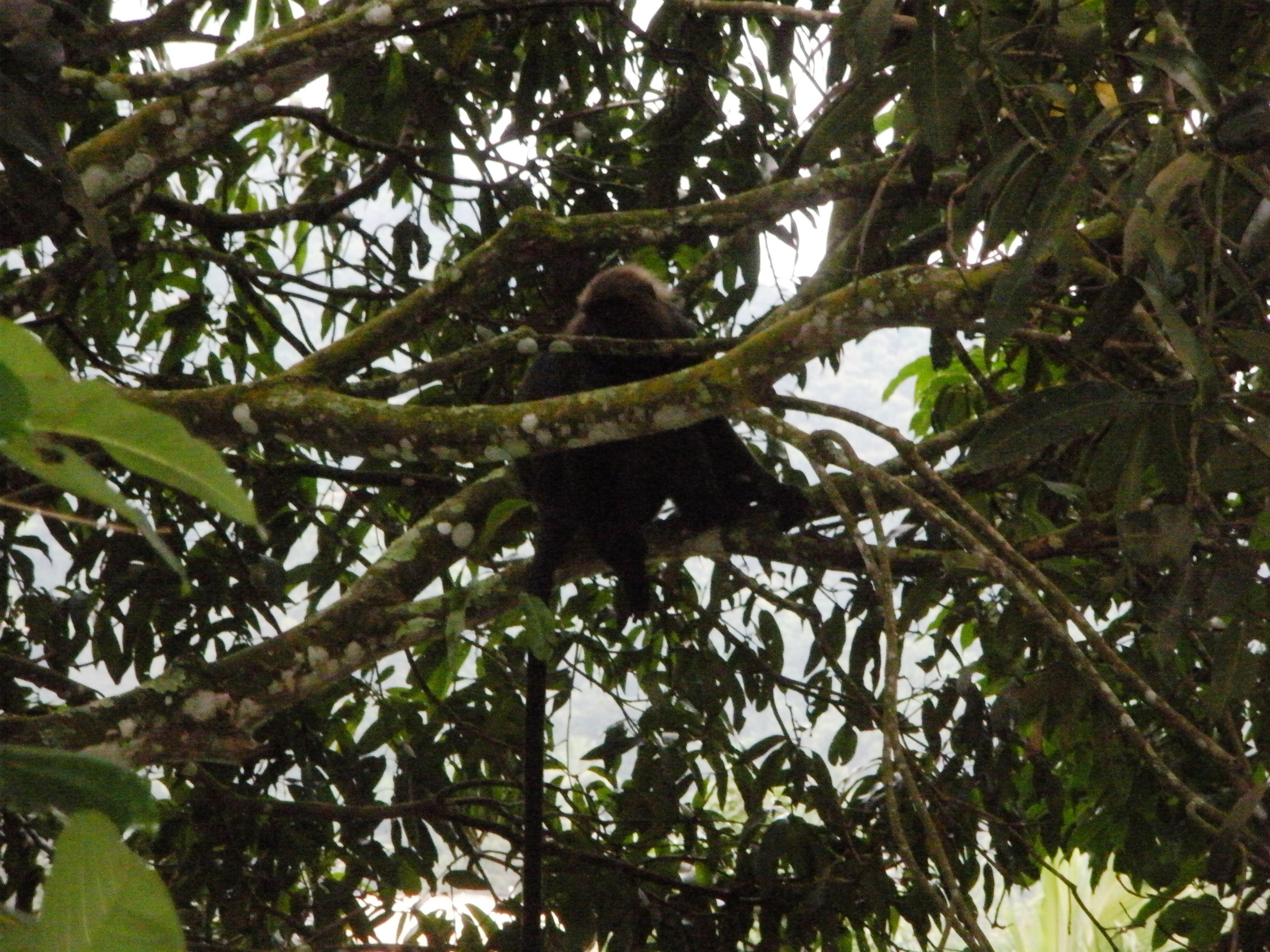 Every day since my arrival at Cardamom County, I’ve either seen or woken up to the sounds of monkeys scurrying across my roof, launching themselves from their tree branches onto my tiled terrace, and looking curiously into my room as if there were giant bananas inside. As it turns out, they can’t really see inside unless the lights are on, so it might have been their own fuzzy reflections they were so intrigued by – the narcissists. Whatever the case may be, something is different in the woods these days, Continue reading
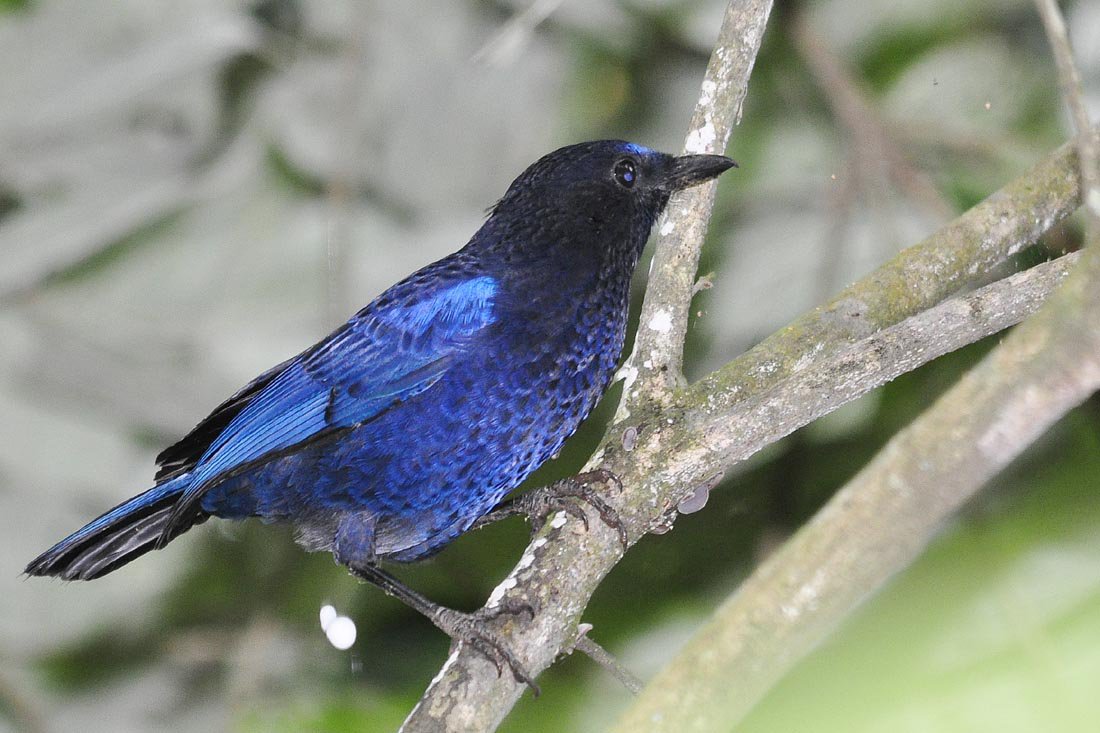
Bird Of The Day: Malabar Whistling Thrush (Thekkady, India)
Trope Talk
In another short burst of wisdom, Mr. Egan brings attention to the remarkable risks that accompany forays into wilderness, quoting one of the elders of the field:
Yosemite’s most lyrical advocate, the naturalist John Muir, anticipated the urban hordes as the population moved away from field and farm. At the dawn of the 20th century, he saw the parks as places to escape “the stupefying effects of the vice of over-industry and the deadly apathy of luxury.” But Muir also expected people to have some basic understanding of the outdoors.
This paragraph is bounded by vignettes of sublime and ridiculous examples of nature providing refuge as well as danger. It is not clear why he validates a trope of ideologues–his point would have been made without the nanny state reference. Or would it?
A Brief Overview of Sustainable Guestroom Attributes
A recent article from the Cornell Hospitality Quarterly, titled “Hotel Guests’ Preferences for Green Guestroom Attributes,” caught my eye just a couple days ago. Written by Michelle Millar and Seyhmus Baloglu of the University of San Francisco and the University of Las Vegas, respectively (both institutions have well established programs in hospitality), the study analyzed a set of hotel room amenities/features and attempted to find out which ones guests thought were the most important. I was especially interested in this study—among the many studies on guestroom attributes—because I have some pretty strong opinions about the best things that hotels can do in their guestrooms to enhance sustainability.

Respondents ranked sustainable shampoo amenities among the most important attributes. Refillable shampoo dispensers, shown above, are widely used in cruise ships but have not yet gained traction in the majority of American hotels.
Culinary Contentment at Cardamom County
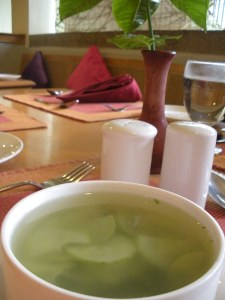 Sometimes, when you experience something so good, you want to share it with the world. This is what’s happened to me as I’ve dined at All Spice, the ethnic fusion restaurant at Cardamom County Resort. As I mentioned in a previous post alluding to the pleasures of growing one’s own herbal ingredients in an urban setting, I’m a huge fan of coriander, also known as cilantro. So when I sat down for dinner at All Spice last night, I ordered the sliced cucumber, lemon and coriander soup knowing I would love the flavor of this dish, which is an original house recipe.
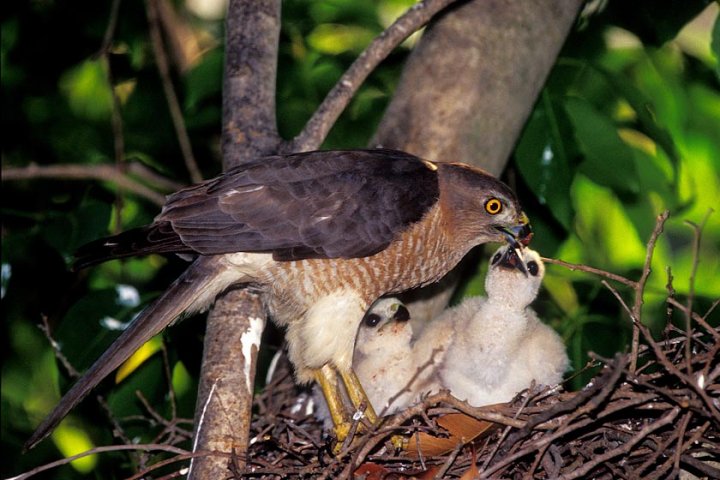
Bird Of The Day: Shikra (Pudukkottai, India)
Where the Sidewalk Ends

During my two final years of high school, I became involved with the Dunwoody Community Garden (previously mentioned here). We joined the group while the Garden was still in the process of being set up, and my family would help out on weekends, digging holes or laying out lines to create a grid for the 4×8 foot garden plots. At some point around this time, I became one of the officers for Dunwoody High School’s National Honor Society (NHS). Since the officers were always looking for community service projects to suggest to NHS members, I recommended sending Dunwoody NHS students to help build the Community Garden during a time when so much grunt-work was needed.
A handful of high school students was exactly what was needed to speedily complete the garden. A good adult leadership team was already in place, and energetic teenagers were eager to help, spreading newspaper and mulch to lay the foundation for fertile land. Once the plots were all set out, NHS purchased one so that students could raise flowers and vegetables to give away.
Since then, the Garden has only grown. Over 3,200 square feet have been added to the original land, creating more than 25 new plots for Dunwoody community members. In addition to the privately owned plots, DCG maintains several plots for economically stressed families (10% of the cultivable garden), and gives away another 10% of produce to the Atlanta Community Food Bank. To learn more, I’d recommend visiting DCG’s blog or the DunwoodyPatch.
In the next few days I’ll try to learn more about what Dunwoody High School has done to stay involved with the Community Garden.
Tamil Nadu: Know Your Neighbor
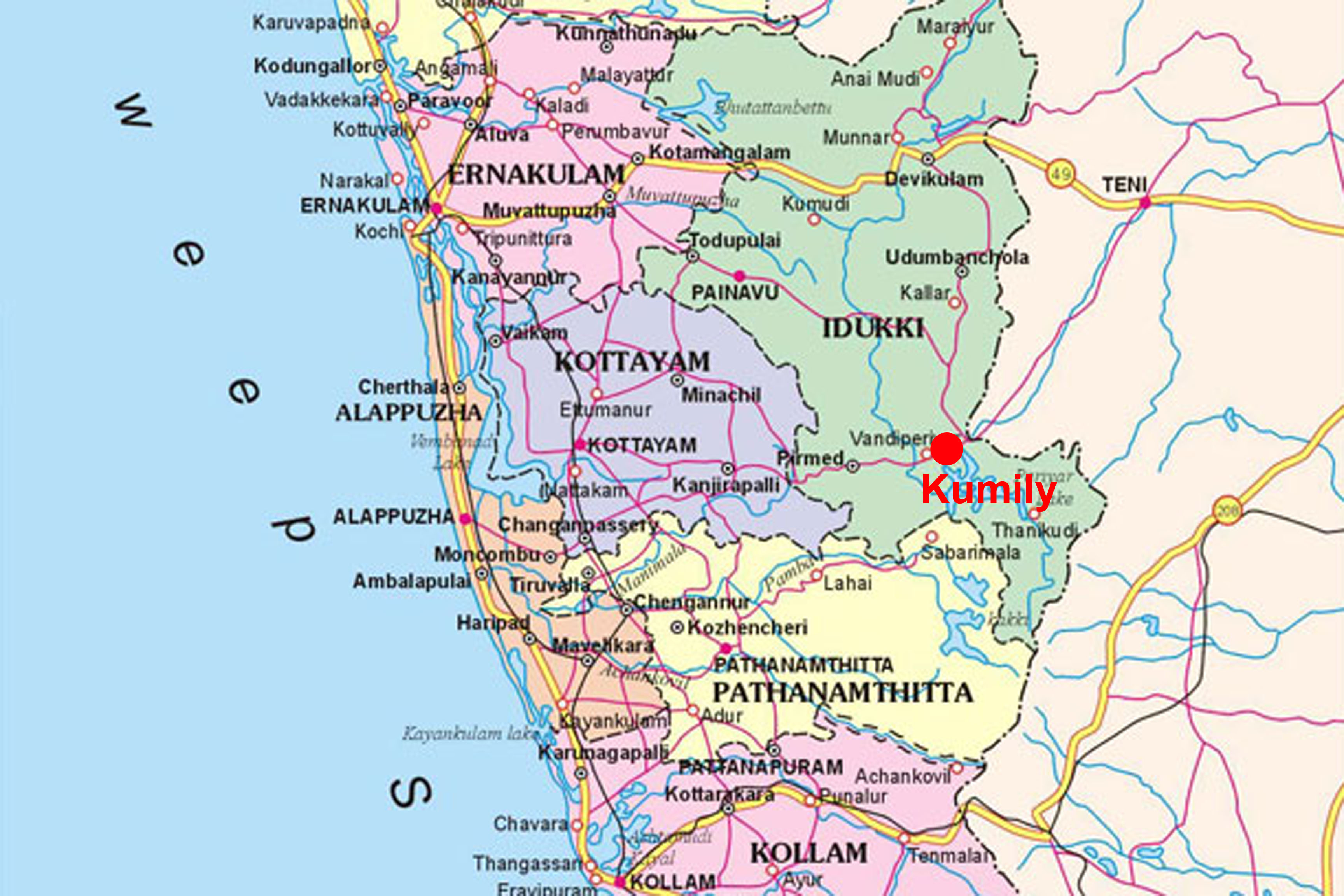
Cardamom County is located in Kumily, a small town adjacent to Thekaddy. Kumily is not as well known as Thekaddy as a tourist destination, which is one of the reasons why the resort’s official address is Thekaddy Road, Kumily. For many people one of the most interesting things about Thekaddy is its location: proximity to the Periyar Tiger Reserve. I found that the most interesting fact about Kumily’s location is that it is on the border of Kerala and Tamil Nadu.
A Brief History of the Houseboat
 Earlier this week I had the pleasure of having lunch aboard one of the houseboats in the Raxa Collective fleet of comfortable crafts: buoyant examples of luxury as defined in a recent post. That is to say that these are unique vessels upon which one’s thirst for experience can be quenched and one’s hunger for life can be satiated… Continue reading
Where’s Michael? (Week 3)
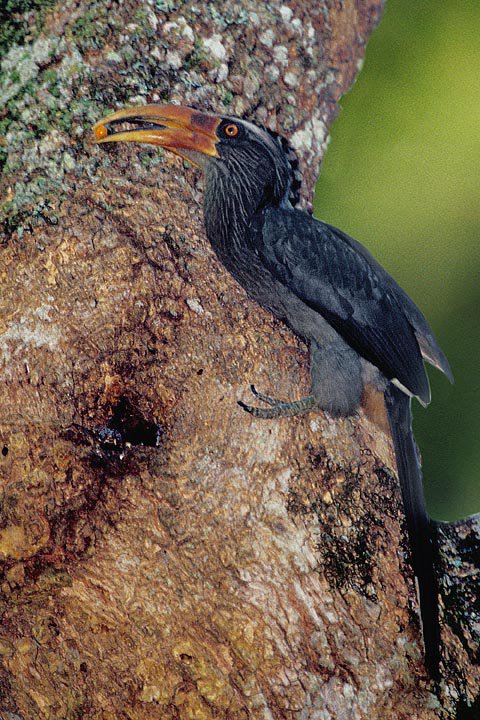
Bird Of The Day: Malabar Grey Hornbill (Thekkady, India)
 Organikos