Virtue Signaling Versus Virtue Versus Wrong

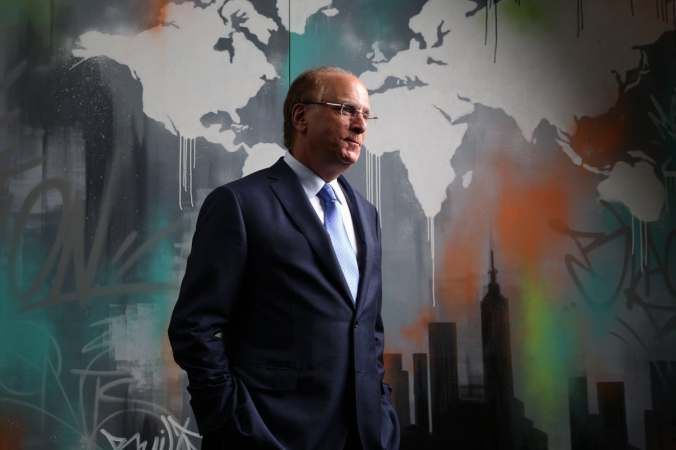
Laurence D. Fink, who runs BlackRock, has urged companies to adopt socially conscious practices. Winnie Au for The New York Times

We have no access to Mr. Fink’s motives or those of the firm he runs, or to how he and his colleagues make decisions–only to some of the actions they have taken. Our view on him and his firm may be simplistic, in that we respect their initial leadership on ESG but fault them now for not doing more. Even if they have only been virtue-signaling, and even if they fall short on true virtue, what they have done is obviously much better than those who are wrong on climate change:

BlackRock’s Pitch for Socially Conscious Investing Antagonizes All Sides

Right-wing officials are attacking BlackRock for overstepping. Those on the left say the world’s biggest asset manager is not doing enough.

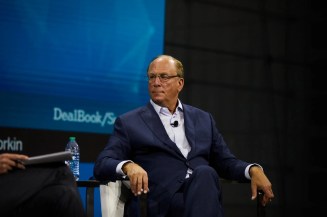
Environmental, social and governance — or E.S.G. — investing, “to some degree, is a smoke screen,” said Tariq Fancy, a former BlackRock executive. Chloe Ellingson for The New York Times

It was a clarion call to chief executives everywhere.

In 2018, Laurence D. Fink, the longtime chief executive of BlackRock, the world’s largest asset manager, urged corporate leaders to assess the societal impact of their businesses, embrace diversity and consider how climate change could affect long-term growth.

“Companies,” Mr. Fink wrote in his annual letter to chief executives, “must ask themselves: What role do we play in the community? How are we managing our impact on the environment? Are we working to create a diverse work force? Are we adapting to technological change?” Continue reading
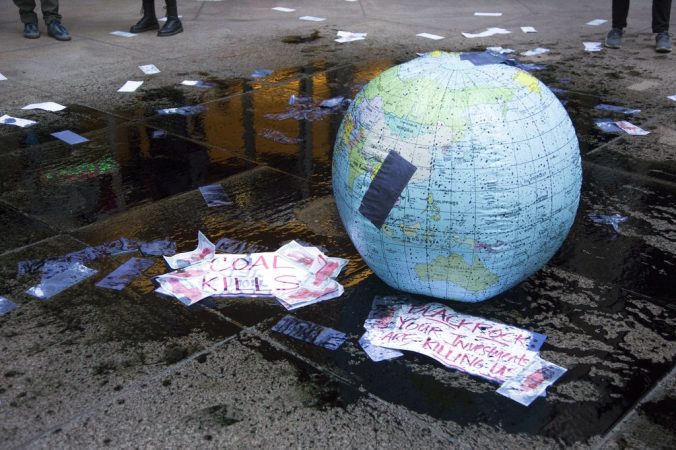
Fossil Fuel Divestment Debate Settled

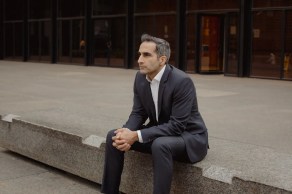
Protesters have argued that you shouldn’t try to profit off the end of the world. New analysis shows that, in any event, you won’t. Photograph by David Grossman / Alamy

This is a short read with a big implication; as always we are grateful to Bill McKibben for his weekly newsletter:

The Powerful New Financial Argument for Fossil-Fuel Divestment

A report by BlackRock, the world’s largest investment house, shows that those who have divested have profited not only morally but also financially.

In a few months, a small British financial think tank will mark the tenth anniversary of the publication of a landmark research report that helped launch the global fossil-fuel-divestment movement. As that celebration takes place, another seminal report—this one obtained under the Freedom of Information Act from the world’s largest investment house—closes the loop on one of the key arguments of that decade-long fight. Continue reading

What BlackRock Really Means

Click on text above to go to the article at Politico

BlackRock, shmackrock. Now we can see clearly that advocating for market solutions, BlackRock’s CEO just meant that he did not want any public solutions to the climate crisis, because those would be inconvenient for him and his shareholders. Phooey on that. We should have been more skeptical, rather than optimistic, about what the financial titan meant all along, which Bill McKibben hinted at a couple months ago:

Annals of a Warming Planet

On Climate, Wall Street Out-Orwells Orwell

It was likely too much to hope that the Biden Administration, as it tries to get a handle on climate change, might find some help from Wall Street. Instead, last week, we saw financial heavyweights turn in a performance so rigid and so short-sighted that it makes one wonder whether capitalism in anything resembling its current form can, or should, survive. Continue reading

Investing With Climate Change In Mind Is The Right Thing To Do

14db-sorkin1-mobileMasterAt3x.jpg

Damon Winter/The New York Times

He may be late, but better that versus never. Investing with consideration for the environment seemed obvious long ago to some, but not to the decision-makers who most count–those whose investment decisions impact generations to come. Presumably, from the size of fund he manages, one of the most respected investors has decided to do the right thing as best he can, and that may be huge:

BlackRock Will Put Climate Change at Center of Investment Strategy

In his influential annual letter to chief executives, Larry Fink said his firm would avoid investments in companies that “present a high sustainability-related risk.”

merlin_141384975_0a2a99c4-97e1-4079-8442-2ece65836229-jumbo.jpg

Lucas Jackson/Reuters

Laurence D. Fink, the founder and chief executive of BlackRock, plans to announce Tuesday that his firm will make investment decisions with environmental sustainability as a core goal.

BlackRock is the largest in its field, with nearly $7 trillion under management, and this move will fundamentally shift its investing policy — and could reshape how corporate America does business and put pressure on other large money managers to follow suit. Continue reading