September Gardens

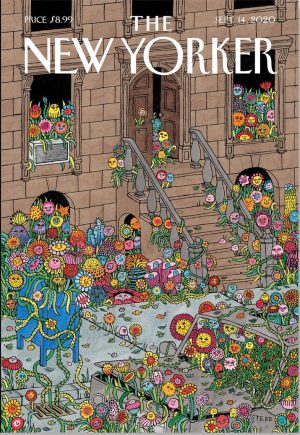
My media diet for posting on this platform is made up of 134 websites and counting, including half a dozen that I visit daily. This magazine cover, which was powerfully relevant to one of our longstanding themes, is from one of those half dozen, and the image to the right is from another. When Milo started a culinary fungi farm for us in India, small scale agriculture became a regular theme. So the growth in the cityscape combined with this story, The Culinary Potential of Bolting Vegetables, feels right at home with our garden theme:

The flavor of green coriander is a perfect complement to all the vegetables in season when it starts to bolt, even if the bolting happens earlier than expected.Photograph from Cavan / Getty

Did your garden bolt early this year? Maybe you didn’t even notice, because of how jagged and asymmetrical the passage of time has been since spring. Maybe you even spent a period in denial, thinking, This must just be what my cilantro, and lettuce, and parsley did last summer: briefly leaf in a friendly vegetative way, then sprint in suicidal mania toward a flowering death. That’s what happened to me, anyway. Continue reading


If You Happen To Be In Or Going To Cornwall

A great writer can get you to consider doing something you normally would not consider doing:

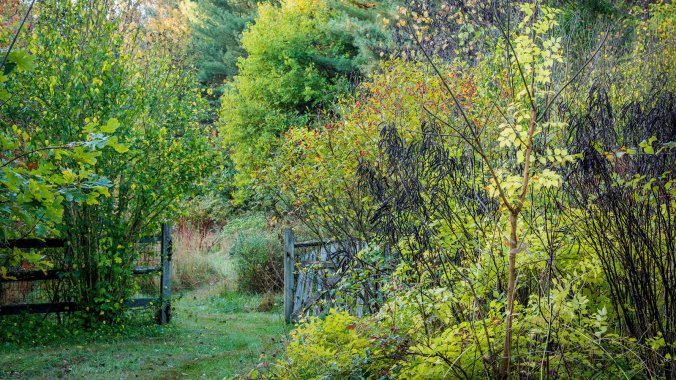
Mendelson-HeliganGarden.jpg

After nine Heligan men died in the First World War, the grounds of the estate, in southwestern England, grew unkempt, then neglected, then were abandoned. Illustration by Daniel Salmieri

I don’t understand the point of garden visits. Why do ordinary people, the owners of mere balconies and tiny yards, torment themselves by touring other people’s grand estates? Nut trees, stables, ancestral compost heaps: I need no reminder of what I am missing. So, unlike virtually every other gardener in Britain, I had no intention of spending my summer wandering among aristocratic roses and marvelling at the fine tilth of Lord Whatsit’s sandy carrot beds. All those rambling sweet peas make me furious; yes, Tristram, it is a handsome cardoon bed, but some of us are struggling to find space for a single extra lettuce. And then, wholly by accident, I found myself in the Lost Gardens of Heligan…

And suddenly you cannot resist virtually doing that thing:

And the rabbit hole in this case gets you thinking about Cornwall:

Opening Hours and Prices

The Lost Gardens are open every day*, all year round, for your enjoyment and exploration.

*except Christmas Day.

We’re one of the most unique and fascinating places to visit in Cornwall, with an incredible 200 acres of gardens and estate awaiting your exploration. We therefore recommend that you allow as much time as you can, to see as much as possible; ideally a whole day. However, please don’t expect to see everything in the one visit!

If you would like to plan your route before you visit, click here to download our map or a German map can be found here.

Sometimes, restoration work, events or adverse weather conditions may restrict access and opening times. In these events we will keep you up to date with details of any restrictions via our News page.

Garden Admission Single Visit Charges
Adults £15.00
Students £9.00
Children (5 – 17) £7.00
Children (Under 5) Free
Family (2 adults & up to 3 children) £40
Companions who are required to assist disabled visitors Free

How Many Trees On This Planet?

19GARDEN-slide-7SIM-videoSixteenByNineJumbo1600

The scientific journal Nature is not one of our regular sources for stories here, but when the Science section of the Times points out a good story, we listen. To our surprise, even the Real Estate section of the Times can point out must-read stories from Nature (the slide show is worth the click):

Time to Put the Garden to Bed?

There are 422 living trees for every human on Earth — 3.04 trillion overall — and during a couple of weeks each fall, a person can feel plainly outnumbered. Is it possible that a trillion of those trees have deposited their leaves in the front yard? And why are so many of them still green? Continue reading

Happy Plants?

04GARDEN1-master768.jpg

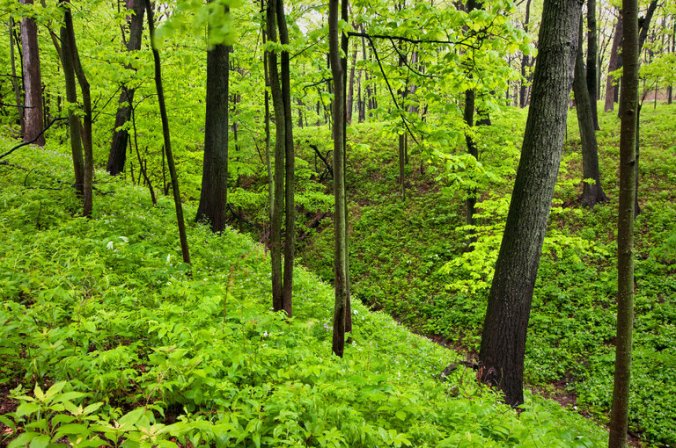
A dense carpet of woodland perennials. Thomas Rainer, a landscape architect, calls plants “social creatures” that thrive in particular networks. Credit Mark Baldwin

Thanks to the landscape architect Thomas Rainer, and the author, for these observations:

Thomas Rainer and I have both been doing the botanical thing for decades; we know, and use, many of the same plants — and even much of the same horticultural vocabulary. But what he and I see when we look at a butterfly weed or a coneflower, or what we mean when we say familiar words like “layering” or “ground cover,” is surprisingly not synonymous. Continue reading

Paris Gardens

980x-6

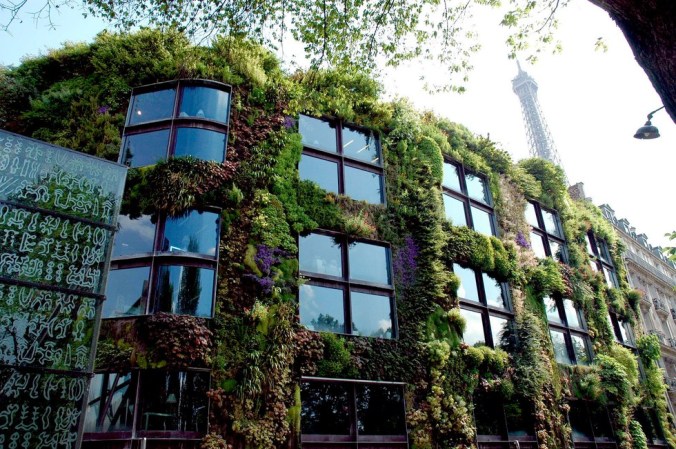
By the year 2020, the City of Paris wants to add 100 hectares of vertical gardens and roofs, with a third dedicated to urban agriculture.The Vertical Gardens by Patric Blanc / Flickr

Greening La Ville Lumière is as good a new objective as we can think of for a city that already has alot going for it (thanks to EcoWatch for the story):

Paris Becomes One of the Most Garden-Friendly Cities in the World

Earlier this summer, Paris quietly passed a new law encouraging residents to help green the City of Light by planting their own urban gardens. Continue reading