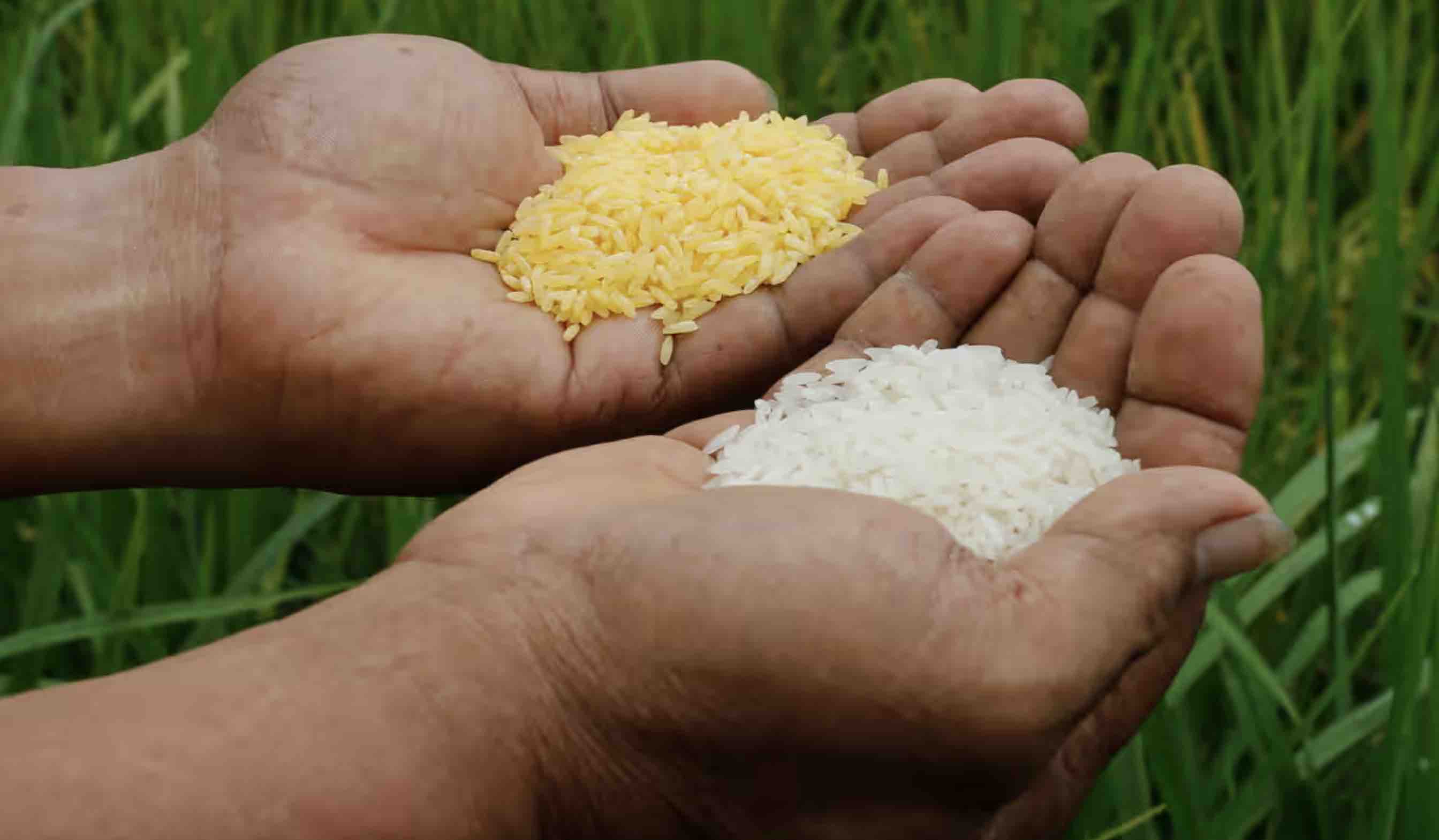
Thousands of children could die after court backs campaign group over GM crop in Philippines, scientists warn
Scientists have warned that a court decision to block the growing of the genetically modified (GM) crop Golden Rice in the Philippines could have catastrophic consequences. Tens of thousands of children could die in the wake of the ruling, they argue. Continue reading →
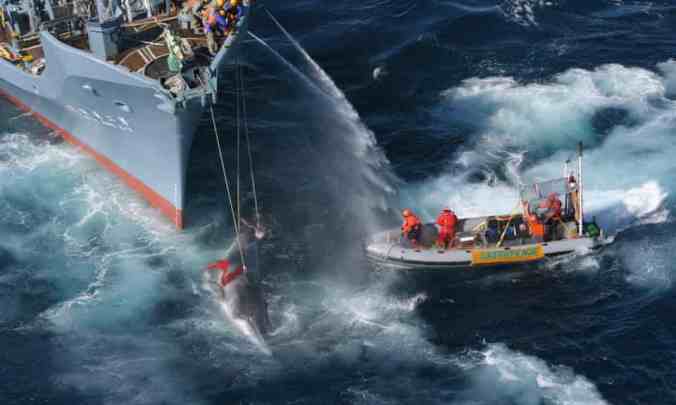
Greenpeace ship MY Esperanza and activists try to hinder the shooting of a minke whale by the Yushin Maru No.2 catcher ship. Photograph: Kate Davison/Greenpeace
Paul Watson and Sea Shepherd were favorite post topics for a while, but long time no see. With a major anniversary for Greenpeace, a look at other important images from their history seems a fitting tribute:
On the organisation’s 50th anniversary, former head of photography at Greenpeace International talks about the motives behind the creation of its picture desk
Vega boarded by French commandos in Moruroa, 1973. Photograph: Ann-Marie Horne
Fifty years ago, on 15 September 1971, a ship named the Greenpeace set out to confront and stop US nuclear weapons testing at Amchitka, one of the Aleutian Islands in south-west Alaska.
Two years later a small boat called the Vega, crewed by David McTaggart, Ann-Marie Horne, Mary Horne and Nigel Ingram sailed into the French nuclear test site area at Moruroa, French Polynesia in the southern Pacific Ocean. Continue reading →
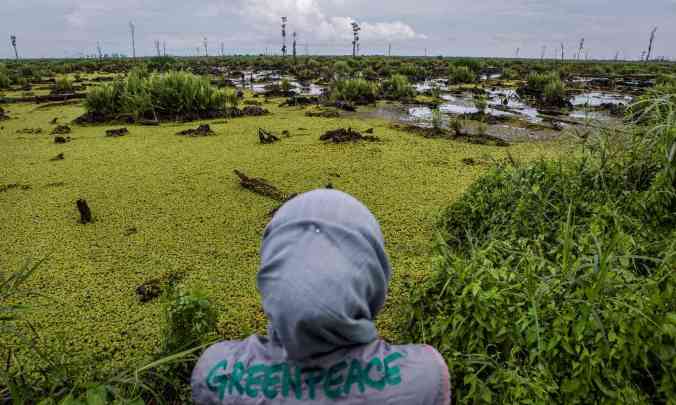
A Greenpeace investigator surveys an IOI palm oil concession in Ketapang, Indonesia. Photograph: Ulet Ifansasti/Greenpeace
If this is what progress looks like, yikes! Thanks to Elle Hunt and the Guardian for coverage of this story:
Greenpeace has suspended its campaign against one of the world’s largest palm oil traders in recognition of its “significant commitment” to address deforestation and exploitation in its supply chain.
One year after its sustainability certificate was suspended, IOI Group announced further commitments to improve its environmental practice in a nine-month progress report released on Friday. Continue reading →
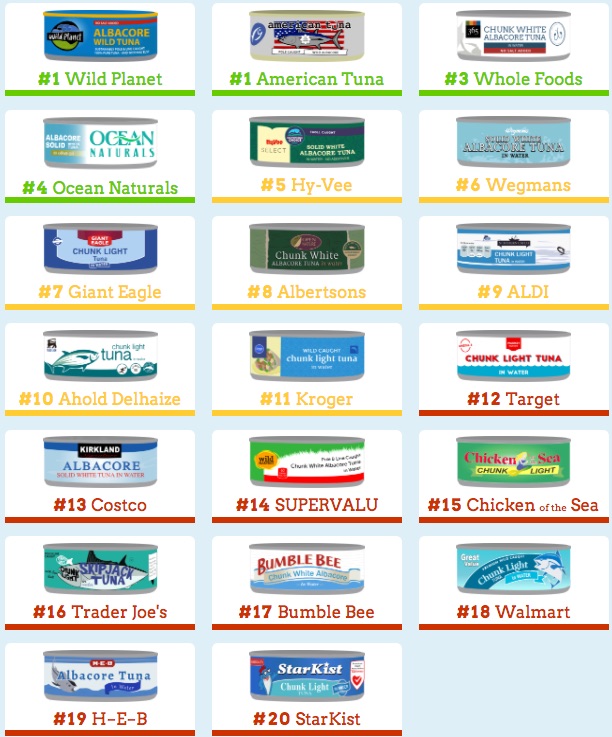
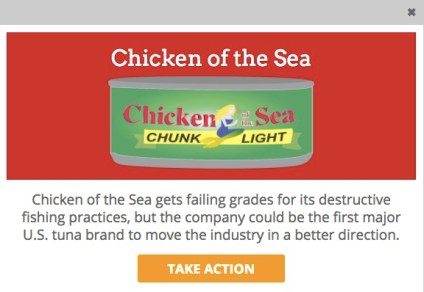
What is surprising to me is this pop up call to action, which echoes back at least three decades for me to the first time I heard of Greenpeace, which was also the first time I heard of any issues related to canned tuna, which was also the first time I looked on a map to see where the Gulf of California, and Baja California Sur were situated. It is surprising because on the ranking above, this same tuna is not the absolute worst of the worst. Even more surprising, in its own way, is that Trader Joe’s is even worse in this ranking. Go figure. Anyway, thanks to David Pinsky, Greenpeace, and EcoWatch for this: Continue reading →
Thanks to the old school model mad outfit, Greenpeace, for bringing this to our attention in a fresh press release today, that adds urgency to earlier announcements starting last year on this rare and unexpected find:
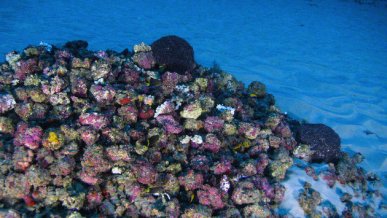
Amapá state, Brazil, 28 January 2017 – Greenpeace Brazil has captured the first underwater images of the Amazon Reef, a 9500 km2 system of corals, sponges and rhodoliths located where the Amazon River meets the Atlantic Ocean – an area that the Brazilian government has opened for oil exploration.
GREENPEACE
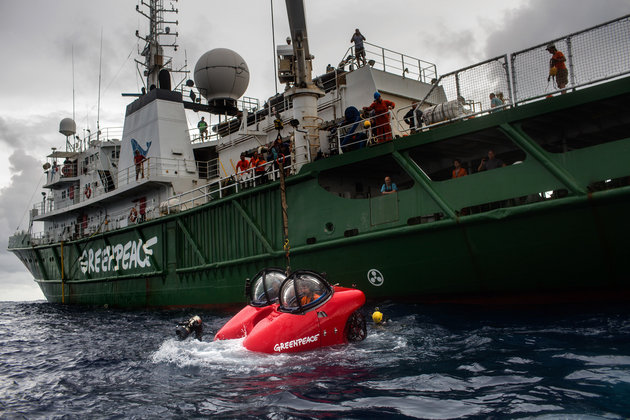
A team of experts, including several oceanographers who announced the discovery of the reef last year, have joined the Greenpeace ship Esperanza on an expedition to document this new biome, which runs from French Guyana to the Brazilian state of Maranhão, an area larger than the cities of São Paulo or London.[1] Oil companies Total and BP could start drilling in this area if they obtain authorization from the Brazilian government. Continue reading →
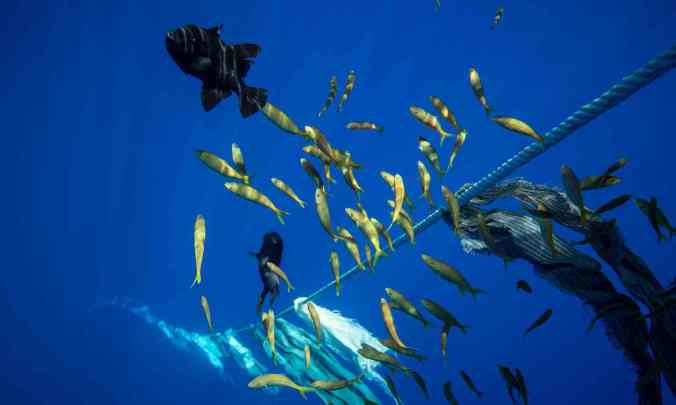
With some Indian Ocean tuna stocks on the brink of collapse, the expedition exposes harmful methods by the world’s largest tuna company, Thai Union, owner of John West
Environmental Activism has never taken a back seat in Seattle and we continue to root for the individuals, organizations and public officials who are working to draw global attention to a possible environmental disaster. Certainly not the moment to “Keep Calm & Carry On”…
Hundreds of kayakers in Seattle were preparing to go and “shake their paddles” in protest at a newly arrived 400ft long, 355ft tall Royal Dutch Shell oil rig on Saturday, with hundreds – perhaps thousands – more scheduled to attend on dry land.
“We here in Seattle do not want Shell in our port. We want them to get out and change their business before they change our planet and destroy the life of future generations,” said Annette Klapstein, a 62-year-old retired attorney and member of activist group the Raging Grannies.
On Monday, the Obama administration effectively gave Shell the green light to restart its Arctic drilling and exploration operations with an approval issued by the Bureau of Ocean Energy Management, a governmental regulatory agency.
Shell was forced to halt its Arctic exploration in 2012 amid a series of severe security mishaps.
Environmental groups and scientists reacted to Monday’s news badly, warning that letting Shell back into the Arctic for exploration and drilling was very likely to cause an ecological disaster and contribute to climate change. Continue reading →
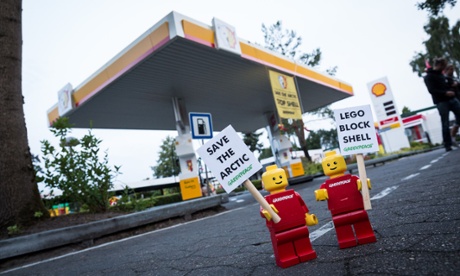
Mini activist figures at a Shell gas station in Legoland in Billund, Denmark, part of a global campaign targeting Lego and highlighting Shell’s plans for Arctic oil exploration. Photograph: Uffe Weng/Greenpeace
Lego is easy to love. Anyone who had these toys as a child, or who has children who have these toys, can testify to the joy they bring.
Shell is easy not to love, for reasons that do not really need to be explained here.
And yet, Lego is a product made up primarily of petroleum, so what we learn in this story in today’s Guardian seems odd as much as it seems good:

 Organikos