Capsicum Futures

The World Vegetable Center conducts research, builds networks, and carries out training and promotion activities to raise awareness of the role of vegetables for improved health and global poverty alleviation.

Among the essential components of Kerala cuisine, various chili peppers were central in our diet during the India work years. I became quite tolerant of high intensity heat from capsicum, and learned to enjoy the steamy delirium of a typical mango curry. I am out of practice, not sure I can still handle high Scoville meals any more, but heartened to know that Derek Barchenger and the W.V.C team are taking care for capsicum’s future, so thanks to Clarissa Wei for this story:

The Quest to Save Chili Peppers

A seed bank in Taiwan is home to more chili varieties than anywhere else on earth. In a warming world, we’re going to need them.

In 1999, Susan Lin, a bespectacled plant researcher at the World Vegetable Center, in Taiwan, pulled on a pair of latex gloves and got to work cross-pollinating some chili peppers. She collected tiny white flowers from a cayenne-pepper plant, shook their pollen into a tiny test tube, and walked over to an aji-chili plant. Using tweezers, she removed the petals and anthers from its flower buds, exposing the thread-like stigmas that serve as the plant’s female reproductive organs. Then she dipped the stigmas into the pollen, hoping that they would eventually form peppers. Continue reading
Pomology, Diet & Trade

00IMPORTS-superJumbo

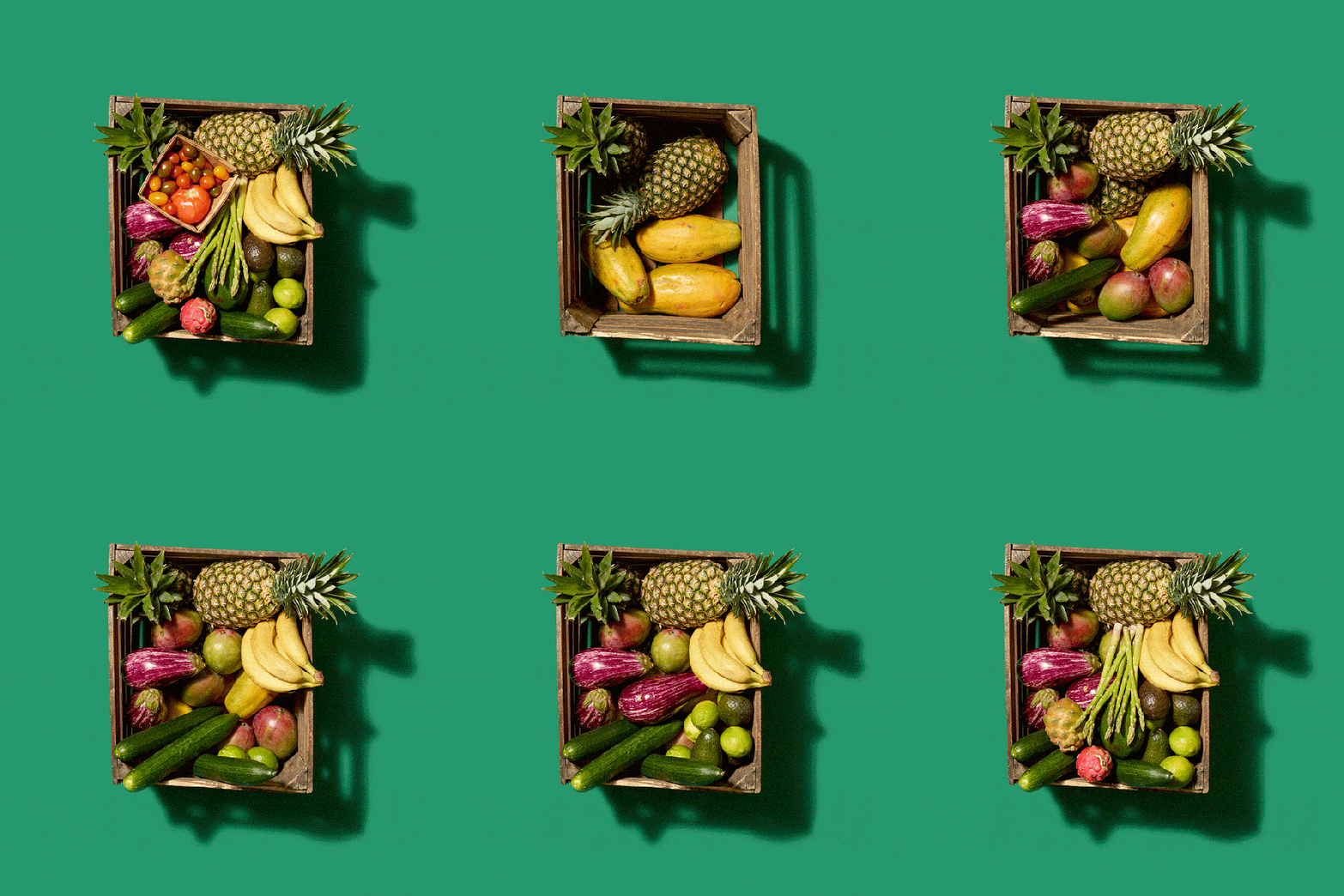
More than half of the fresh fruit and almost a third of the fresh vegetables Americans buy now come from other countries. Credit Jens Mortensen for The New York Times; Styled by Mariana Vera

David Karp, no not that David Karp, is in our distant memory recalled as The Fruit Detective, and we had lost track of him until today. Thankfully, he is still pomologizing:

Most of America’s Fruit Is Now Imported. Is That a Bad Thing?

It’s obvious to anyone who visits an American supermarket in winter — past displays brimming with Chilean grapes, Mexican berries and Vietnamese dragon fruit — that foreign farms supply much of our produce.

14imports2-master180

Although local, seasonal and farm-to-table are watchwords for many consumers, globalization has triumphed in the produce aisle. Credit Jens Mortensen for The New York Times

Imports have increased steadily for decades, but the extent of the change may be surprising: More than half of the fresh fruit and almost a third of the fresh vegetables Americans buy now come from other countries.

Although local, seasonal and farm-to-table are watchwords for many consumers, globalization has triumphed in the produce aisle. And despite the protectionist “America First” message coming from the Trump administration, the growth in imports appears likely to continue.

So this is an apt moment to examine how the shift happened, and what it portends — good or ill — for American consumers and farmers.

“I had no idea that more than half our fruit is imported, and it shocks me that this has happened so quickly,” said Michael Pollan, a professor of journalism at the University of California, Berkeley, whose best-selling books have analyzed the tensions between local and global food systems. Continue reading

Happy Plants?

04GARDEN1-master768.jpg

A dense carpet of woodland perennials. Thomas Rainer, a landscape architect, calls plants “social creatures” that thrive in particular networks. Credit Mark Baldwin

Thanks to the landscape architect Thomas Rainer, and the author, for these observations:

Thomas Rainer and I have both been doing the botanical thing for decades; we know, and use, many of the same plants — and even much of the same horticultural vocabulary. But what he and I see when we look at a butterfly weed or a coneflower, or what we mean when we say familiar words like “layering” or “ground cover,” is surprisingly not synonymous. Continue reading

Prioritizing The Key Variable In Tomato Breeding

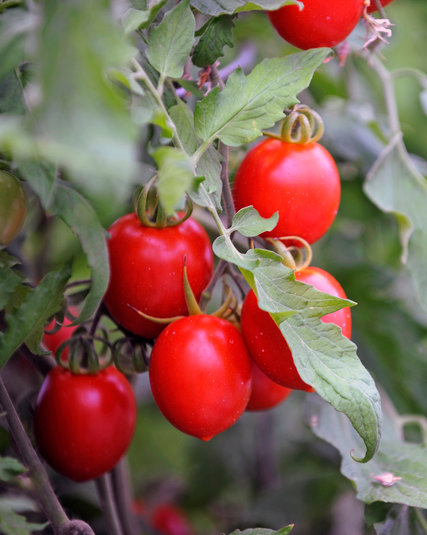
28tomato-blog427We always wondered why, with the selective breeding of tomatoes, experts favored appearance over flavor. We have an answer in “A Genetic Fix to Put the Taste Back in Tomatoes” by Kenneth Chang:

Over the decades, taste has drained out of supermarket tomatoes.

Harry J. Klee, a professor of horticultural sciences at the University of Florida, thinks he can put it back in within a couple of years. Continue reading

Avocados Of The Future

avocado-109231343-1024x683.jpg

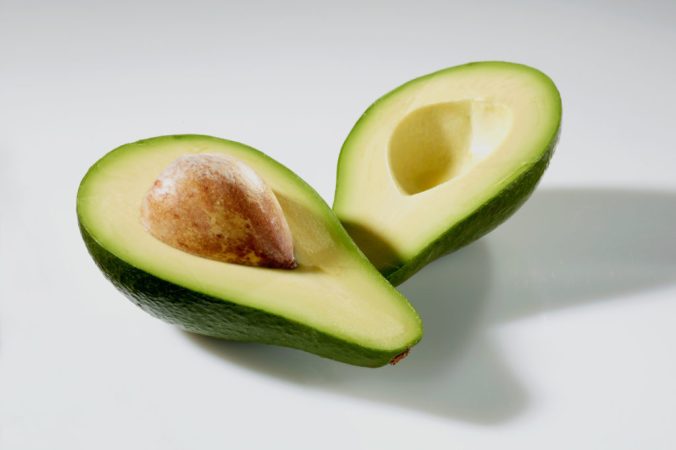
Thanks to Wired for this preview of things to come in the world of avocados:

IT’S THE WINTER avocado harvest at the University of California’s orchard in Lindcove, and the fruit jumbled in the back of Eric Focht’s SUV are a palette of earthy tones, some rough and flecked with frosted tips, others green and smooth. The horticulturist selects three miniature fruit, bright green and rotund, which together fit easily in the palm of his hand. “We were thinking of calling it the Lunch Box,” says Mary Lu Arpaia, who oversees the avocado breeding program at the orchard. But for now it’s just an experimental variety, officially known by a string of numbers. It’s too soon to tell if “Lunch Box” will ever be released to the world.: Continue reading