UK Plant Prospecting & iNaturalist

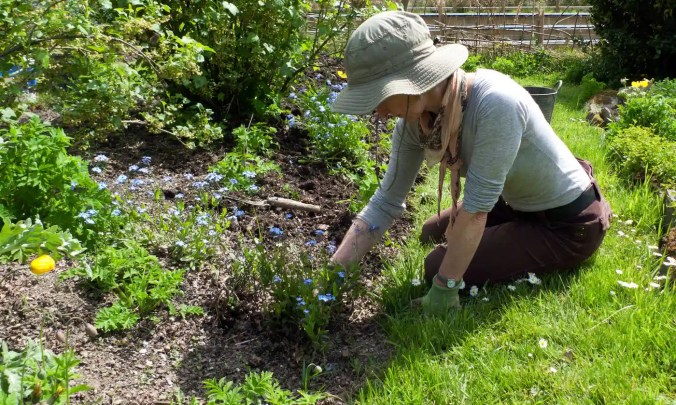
While once gardening was somewhat of a battle against nature, people are now working with native plants and animals. Photograph: Kathy deWitt/Alamy

We are happy to see citizen scientists putting this technology to such use anywhere, but particularly gratified to know that a large organization is encouraging its use for such an important initiative:

RHS asks gardeners to find interesting ‘weeds’ that may be rare plants

People urged to submit specimens to an app as private gardens may be fresh source of scientific discovery

Record the “weeds” that pop up in your garden because they could be a rare plant, the Royal Horticultural Society has said. Continue reading
The Internet and Citizen Science

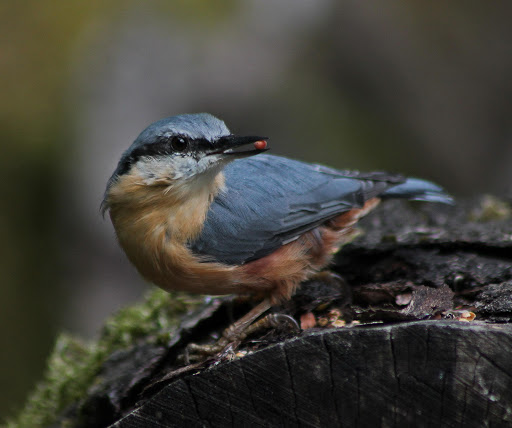
Eurasian Nuthatch by Pieter Colpaert on ProjectNoah.org

For the past two years I’ve been working at one of the Cornell Lab of Ornithology’s citizen science projects, Celebrate Urban Birds, which largely relies on the Internet to disseminate information about birds and urban habitat, to reach new audiences, and to receive the daily data that participants provide by uploading their observations directly onto the CUBs website.

The CUBs science model involves thousands of 10-minute bird observations around North America, and many of them come to the Lab of Ornithology on pen and paper data forms that then have to be scanned in, so internet observations are preferred. Another citizen science project based out of Cornell that I’ve highlighted before, the Lost Ladybug Project, isn’t based on data forms, but on photographs of ladybugs found across the US, focusing in particular on the nine- and two-spotted ladybug. As I  mentioned in my brief post on the Lost Ladybug Project, one of the goals outlined in their National Science Foundation Project Summary is to create “one of the largest, most accurate, accessible biological databases ever developed.”  Continue reading