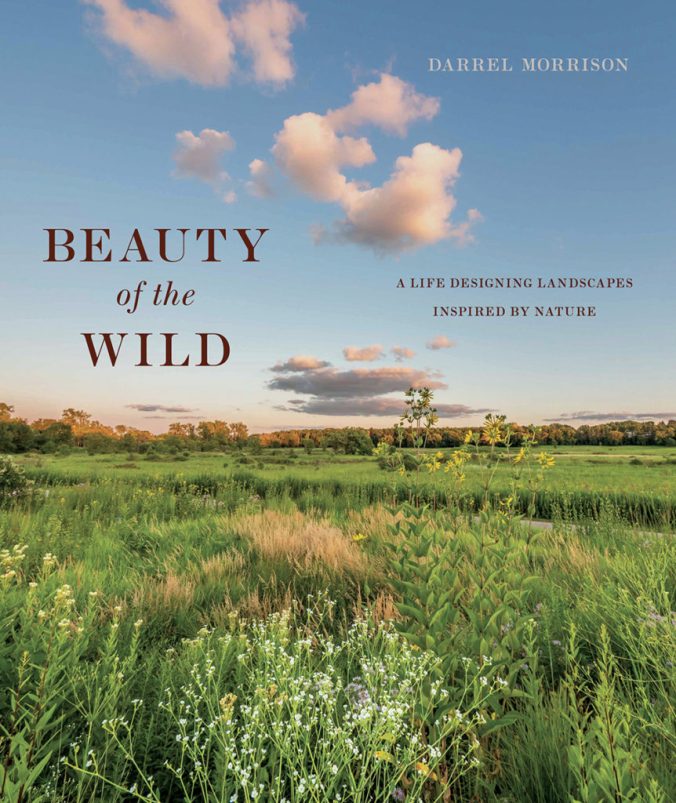
Library of American Landscape History has published this book, which came to our attention thanks to this excellent article (again) by Margaret Roach:

Three large islands at Storm King Art Center are planted with a mix of prairie grasses, including little bluestem, big bluestem, Indiangrass and switchgrass. Jerry L. Thompson
Your Garden May Be Pretty, but Is It Ecologically Sound?
Darrel Morrison, the elder statesman of the ecological landscaping movement, offers some advice for gardening in a changing world.
Mr. Morrison’s mesic prairie design for the University of Wisconsin Arboretum Native Plant Garden, with the larger Curtis Prairie restoration in the distance. Robert Jaeger
Some gardeners react to any mention of ecological landscaping — the merging of environmental science and art — as if it were a compromise or concession meant to limit their creativity. Darrel Morrison, a landscape architect who has been practicing and teaching this philosophy for some five decades, begs to differ.
“There is the implication that you are suggesting a vegan diet,” said Mr. Morrison, the creator of influential designs at Storm King Art Center, in Orange County, N.Y., the Brooklyn Botanic Garden and the Lady Bird Johnson Wildflower Center in Austin, Texas. “A lot of people, when they hear a phrase like ‘ecologically sound landscaping,’ they think they are giving up something. But they are not — it only enhances the experience.” Continue reading

 Organikos