Darkness Reconsidered

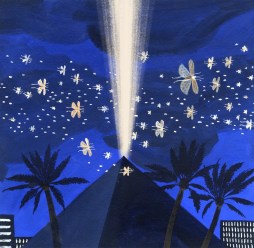
The Luxor Hotel’s “sky beam,” in Las Vegas, generates forty-two billion candlepower of light each night, confusing flying creatures that are drawn to its radiance. Illustration by Carson Ellis

We already linked to one review of it but this book seems worthy of at least two, and if at least one of them is by this essayist then probably two will be enough:

Is Artificial Light Poisoning the Planet?

A Swedish ecologist argues that its ubiquity is wrecking our habitats—and our health.

Among the many looming ecological disasters that terrify us today, one that only a handful of people have contemplated as sufficiently looming and terrifying is the loss of the bats in our belfry. Continue reading
Keep The Night Sky Dark

While sunlight gives electricity for the lights we need, there can be too much of a good thing. Thanks to Lisa Abend at the New York Times for this review:

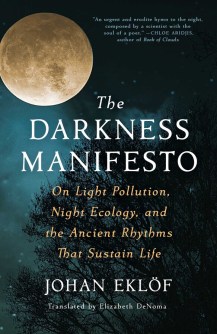
A Manifesto for Loving the Darkness, and Not Metaphorically

Light pollution is disruptive to many species, from corals to bats to the humans who put up all those lights. “The Darkness Manifesto” urges us to reconsider our drive to dispel the dark.

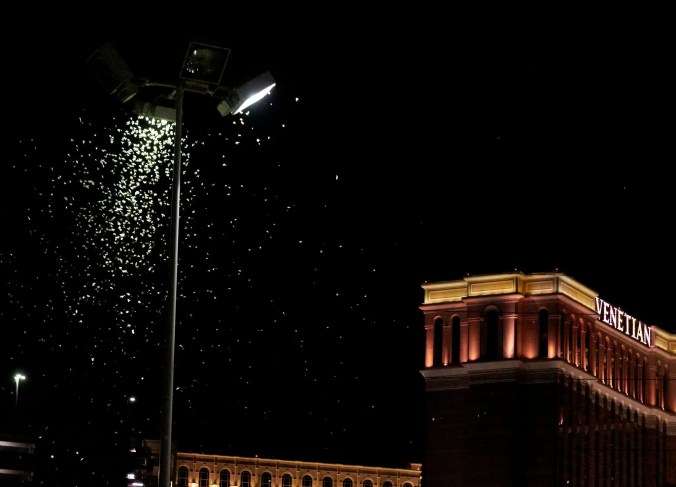
Artificial lights disorient many species, including the grasshoppers that swarmed the powerful lights over the Las Vegas strip in 2019. Bridget Bennett/Agence France-Presse — Getty Images

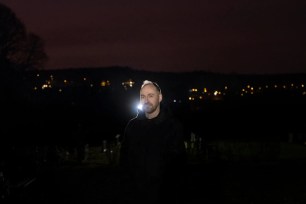
Losing a connection to the night sky is losing our connection to nature, said Johan Eklöf, but it is also losing some of our history. “What we see now is the same sky as our ancestors were looking at and making up stories about.” Nora Lorek for The New York Times

The zoologist Johan Eklöf began to consider the disappearance of darkness in our brightly lit world in 2015, when he was out counting bats in southern Sweden. The surrounding grounds were dark, as they had been decades earlier when his academic adviser had tallied the bat populations in the region’s churches. In the intervening years, however, those churches — whose belfries are famously appreciated by the winged mammals — had been illuminated with floodlights. “I started to think, how do the bats actually react to this?” Eklöf says. Continue reading

Bad News for the Night Sky

Credit: The authors of the manuscript. Prepared by Fabio Falchi

It is unsurprising to learn that light pollution has increased in the fifteen years since the first global map tracking the spread of artificial lumens, but disappointing to hear nonetheless. Last week we posted about one downside to lights in the dark, two years ago shared the idea of “dark sky parks,” and four years ago linked to an initiative to reduce light pollution. Carl Engelking writes for the Discover Magazine blog on the new atlas of the night sky:

The beauty of the night sky is rapidly fading, and an update to the first global light pollution map, created 15 years ago, makes that painfully clear.

The new atlas revealed that more than 80 percent of the world lives under light-polluted skies – that rises to 99 percent of the population in the United States and Europe. One-third of humanity can no longer see the Milky Way. As the new map shows, the night sky is slowly retreating to the glow of artificial light.

Continue reading