Largest Lithium-ion Storage Battery for L.A.

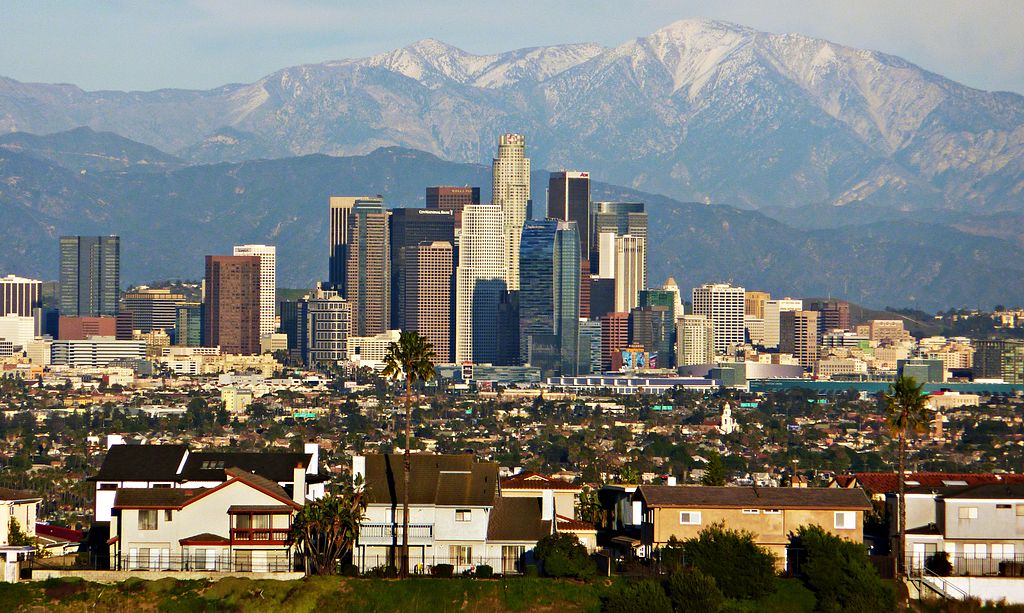
Downtown Los Angeles and the San Gabriel Mountains via Wikimedia Commons

Our posts about solar power normally include some mention of the batteries involved, since that’s where the electricity is stored for actual domestic or commercial use. Lithium-ion batteries in particular are some of the more powerful ones on the market, but sustainable options are on our radar too. This week, we learned about the proposal for a set of over 18,000 lithium-ion batteries to be put together as a super-battery in Los Angeles to meet peak demand. John Fialka reports for Scientific American:

By 2021, electricity use in the west Los Angeles area may be in for a climate change-fighting evolution.

For many years, the tradition has been that on midsummer afternoons, engineers will turn on what they call a “peaker,” a natural gas-burning power plant In Long Beach. It is needed to help the area’s other power plants meet the day’s peak electricity consumption. Thus, as air conditioners max out and people arriving home from work turn on their televisions and other appliances, the juice will be there.

Continue reading

15,000 Seats and a Slice of History

At its height, the Brookdale could seat up to 15,000 people a day. No other restaurant on Earth could do that. PHOTO: Medium

At its height, the Brookdale could seat up to 15,000 people a day. No other restaurant on Earth could do that. PHOTO: Medium

It has the distinction of having been the world’s largest restaurant. A crown jewel in the cafeteria culture. A place at the centre of a community; a place where everybody could meet, a place that fueled artistic passions. Where everyone from Jack Kerouac to Ray Bradbury ate. A place steeped in revolution, built on the goodness of people. This is the story of Clifton’s Brookdale Cafeteria, Los Angeles.

Continue reading

When It Takes Plastic Balls to Fight Drought

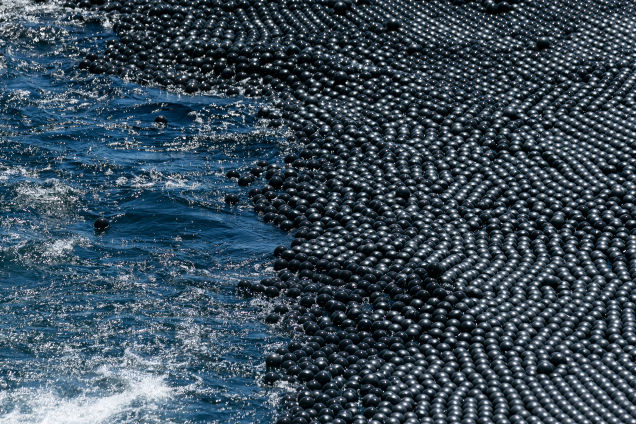
A small portion of the 90 million black plastic balls added to the Los Angeles Reservoir on August 12, 2015. Image credit: AP/Damian Dovarganes

A small portion of the 90 million black plastic balls added to the Los Angeles Reservoir on August 12, 2015.  Image credit: AP/Damian Dovarganes

In a drought, every drop of water is precious, including those lost to evaporation in the hot summer. But in a massive open reservoir, how do you prevent that from happening? Facing a long-term water crisis, officials concerned with preserving a reservoir in Los Angeles hatched a plan: They would combat four years of drought with 96 million plastic balls. On Monday, the 175-acre Los Angeles Reservoir saw the final installment of the project: 20,000 small black orbs that would float atop the water.

Continue reading

Stepping Up to the Plate

Polystyrene lunch plates are being shown the door in some US cities. PHOTO: NRDC

Polystyrene lunch plates are being shown the door in some US cities. PHOTO: NRDC

New York, Los Angeles, Chicago, Miami, Orlando, and Dallas. Six cities. 4,536 schools. 2,848,000 students enrolled. 469,000,000 meals served annually. And one organisation that unites them all and its plans to combine purchasing power and coordinate menu creation and food service in schools. Meet the Urban School Food Alliance. And here’s their latest idea: ditching polystyrene lunch trays and replacing them with compostable lunch plates. It’s a significant move since all together, the schools in the Alliance serve up 2.5 million meals a day.

But what’s most revolutionary about these new plates is what they’re made of. The polystyrene used in traditional lunch trays is a petroleum-based plastic that won’t break down for hundreds of years. When the trays end up in landfills — and 225 million of them do every year — they leech pollutants into the water and air, according to the group. The new plates, by comparison, are made of recycled newsprint and can break down within a matter of weeks in commercial composting facilities. They’re also only a tiny bit more expensive, at $0.049 apiece compared with $.04 apiece for the plastic trays.

Continue reading