Turk’s Turban is a tall shrub with long, narrow, pointed, oleander-like leaves that grows wild throughout India along roadsides, cultivated areas and near human dwellings. Caterpillars of the common silverline butterfly and Death’s Head Hawkmoth feed on these plants. The roots and leaves are used in Ayurveda medicines. Continue reading
medicinal plants
Spiral Ginger (Costus Speciosus)

Native to Sri Lanka and the Western Ghats of India, Spiral Ginger is a gregarious herb seen along sheltered gravelly slopes in warm, moist, forested regions. This succulent herb has leaves growing spirally around the stem and flowers year-round. The rhizome of the plant is used in ayurvedic medicine.
Dhobi’s Kerchief (Mussaenda Glabrata)

Dhobi’s Kerchief is native to the Western Ghats, thriving in forested hilly tracts. Although the shrub flowers during mid- monsoon and early winter, the white bracts may be seen on the plant throughout the year. Its leaves and fruits are used in traditional medicines, and the shrub is the food plant for the commander butterfly.
Spiral Ginger Plant
Spiral ginger is an herbal plant which is naturalized in India’s Western Ghats. The entire plant has medicinal properties which is mainly used in curing skin diseases. The oil extract from the roots is directly applied on the affected area. The fragrance of the plant is like ginger and hence bears the name. Continue reading
Yellow Allamanda (Golden Trumpet)
Yellow Allamanda is an evergreen, tropical shrub naturalized in the Western Ghats of India growing vigorously to a height of 2m and above. The plant’s main attraction are its yellow, trumpet shaped flowers, Continue reading
Papaya Fruit
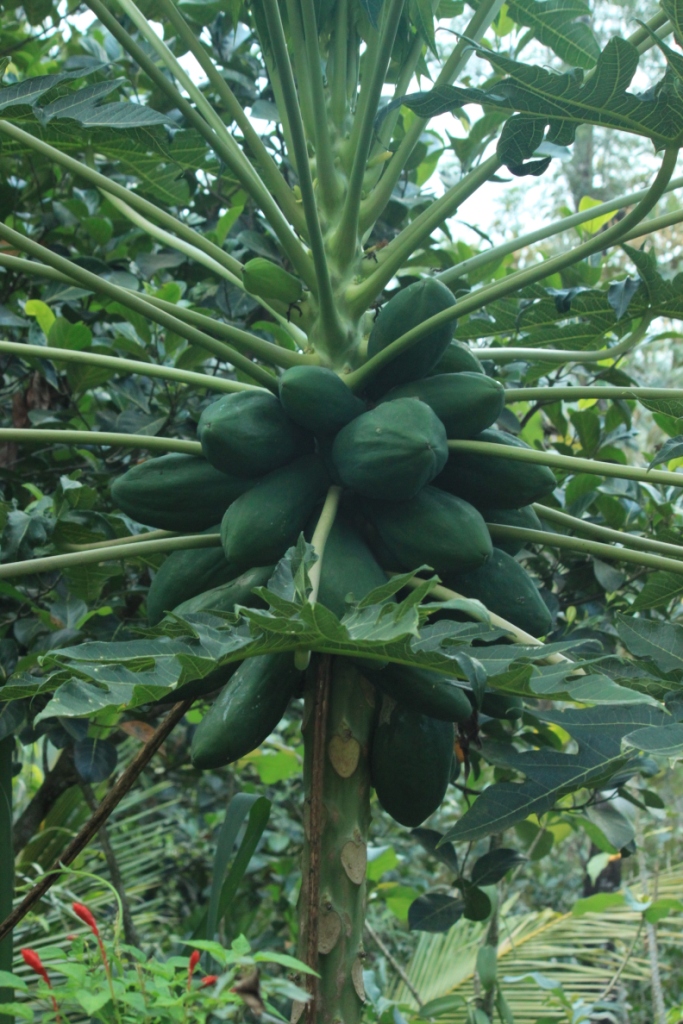
Papaya is a tropical, tree-like plant found commonly in the Western Ghats of India that grows to a height of 15-30 ft with a single stem. The large (20-30in) leaves as well as the fruit grow up the central stalk in a spiral fashion. Continue reading
Peacock Flower (Caesalpinia Pulcherrima)
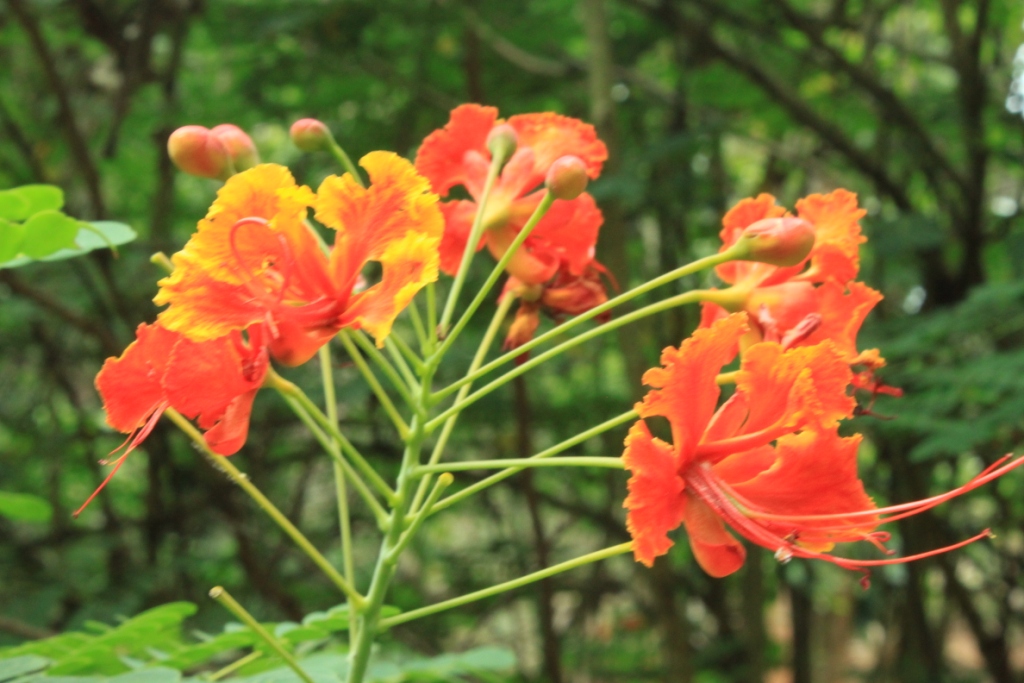
The Peacock flower is a tropical to sub-tropical plant found commonly in the Western Ghats of India. It has a lot of similarities with the Gulmohar tree and hence one can often mistakenly identify one for the other. Continue reading
Candle Bush (Cassia alata)
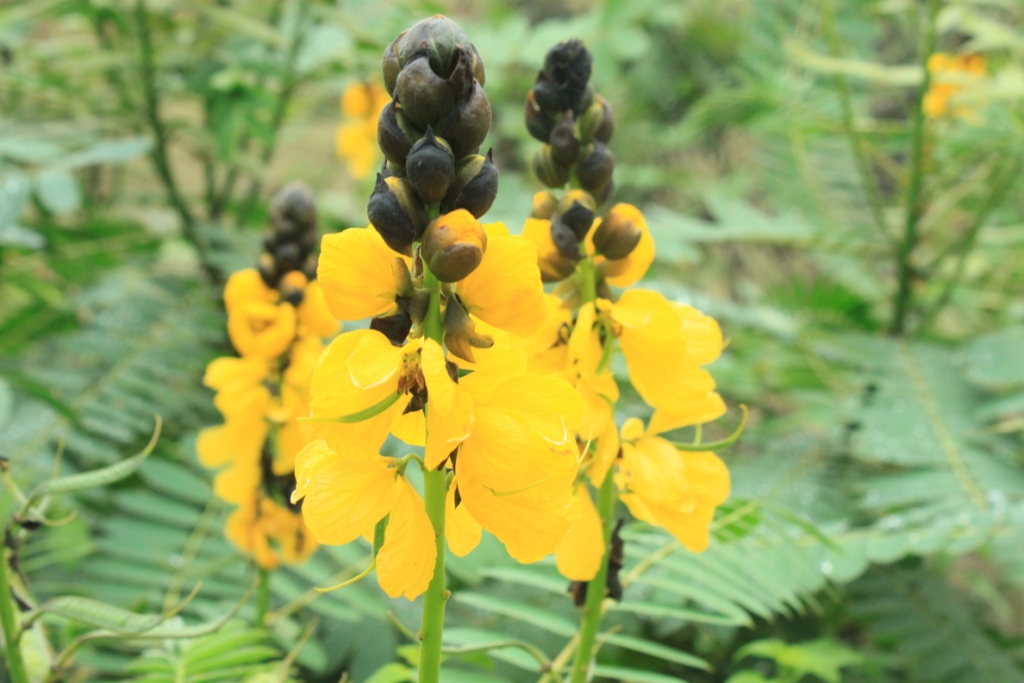
Cassia alata is an erect tropical, annual herb with leathery compounded leaves found in the Western Ghats of India. The plant grows quickly to a height of 6-12 ft and can live for many years. It has waxy yellow spikes on the tip of each branch for which reason they are also known by the name candle bush and seven golden candle sticks. The spikes elongates as the period of blossom progresses. Flowers are pollinated by carpenter bees and caterpillars of migrating butterflies feed on this plant. Continue reading
Milk Weed (Asclepias syrica)
Milk weed is a herbaceous, perennial, nectar-rich plant growing up to 3-5 m tall. These can be found in old fields, roadsides, meadows and thorn forests. The oval leaves are velvety on their upper surface and downy underneath. Continue reading
Ixora coccinea
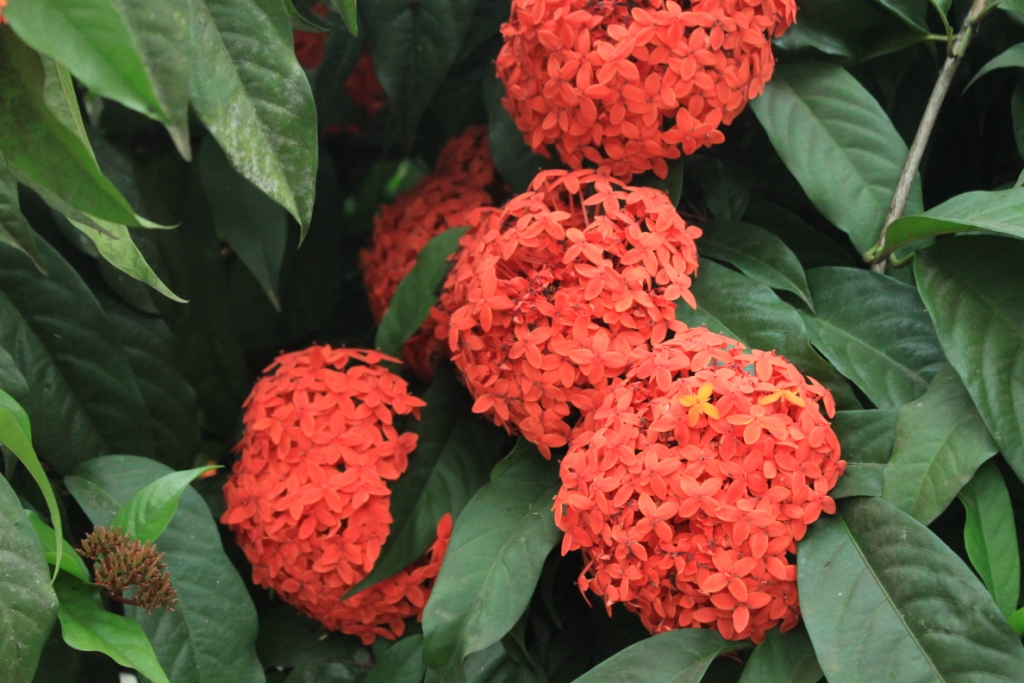
Ixora coccinea is an ornamental, multi-branched, evergreen shrub found in the Western ghats of India which grows 4-5 ft tall and can reach the height of 12 ft. It is also known by the names Flame of the woods and Jungle flame. The plant has oblong glossy leaves and small bright orange to scarlet flowers that grow in dense rounded clusters 2-5 in in size. Continue reading
Greater galangal (Alpinia galanga)
This perennial tropical plant with an aromatic rhizome grows up to 5-6 feet tall. The plant belongs to the ginger family where the rhizomes are used for medicinal purpose. It has oblong, smooth leaves and fragrant, greenish white flowers.
Khas Khas (Vetiveria zizanioides)
Khas Khas is an aromatic, perennial grass growing in wild planes and lower hills which grows to a height of 2 meter. It is native to the Western Ghats of India and is a common source of the well known oil of Vetiver which is used in medicine and perfumery.
Common Rue (Ruta graveolens)
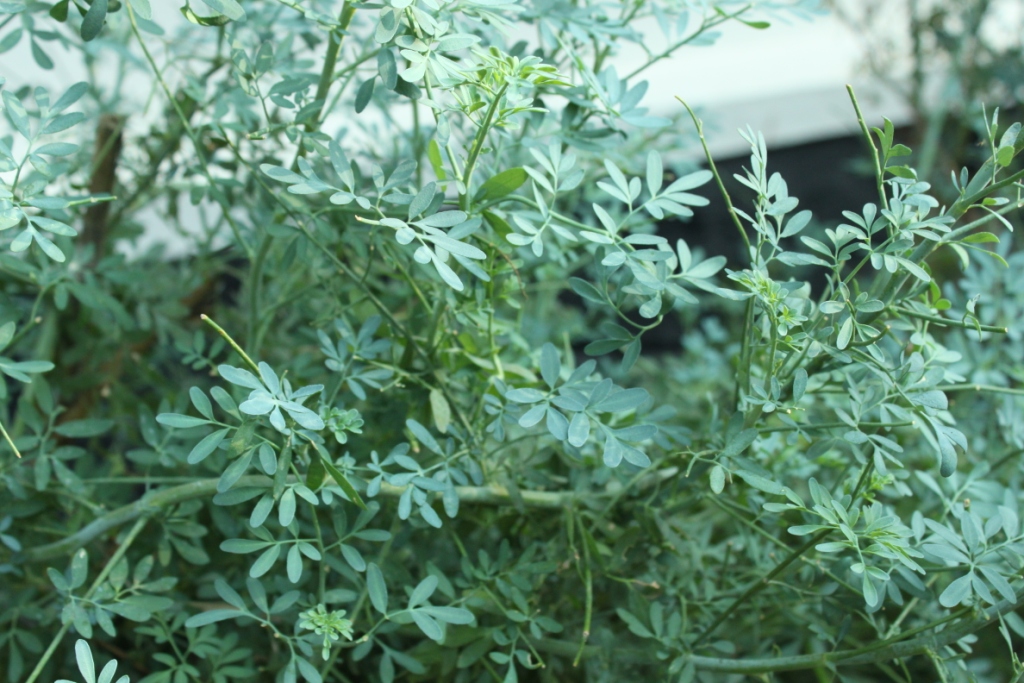
Common Rue is a perennial herb which grows up to 2-3 ft in height. This native of Southern Europe has established well in India’s Western Ghats. Its aromatic, evergreen bluish-green leaves have medicinal qualities, and the yellow flowers and fruits blossom from June to September.
Indian Borage (Plectranthus amboinicus)
Indian Borage (Plectranthus amboinicus) is a perennial herb which grows up to the height of 30 to 60 cm. It is in the coleus family in which the entire plant is succulent and does not become woody. The plant is also known as Mexican mint and Spanish thyme due to its strong flavor and aroma.
Garlic Vine (Mansoa alliacea)
The Garlic Vine is an ornamental plant with a woody stem growing as either a shrub or vine to a height of 2-3 meters. It has bright green leaves, strong twining tendrils and trumpet shaped flowers. The flowers bloom purple and change to a lighter shade of lavender with age, eventually fading to almost white. This climber is native to the Amazon forest but is currently abundant in southern India.
Bilimbi (Averrhoa bilimbi)
Tree sorrel or cucumber tree is a tropical fruit tree which reaches 35 ft in height. It is cultivated in southern India, where it is commonly called Bilimbi (Averrhoa bilimbi). In Kerala, it is widely used for making pickles. In other regions of the country, it is often eaten raw along with salt and chilli powder.
Blue Water Lily (Nymphaea nouchali)
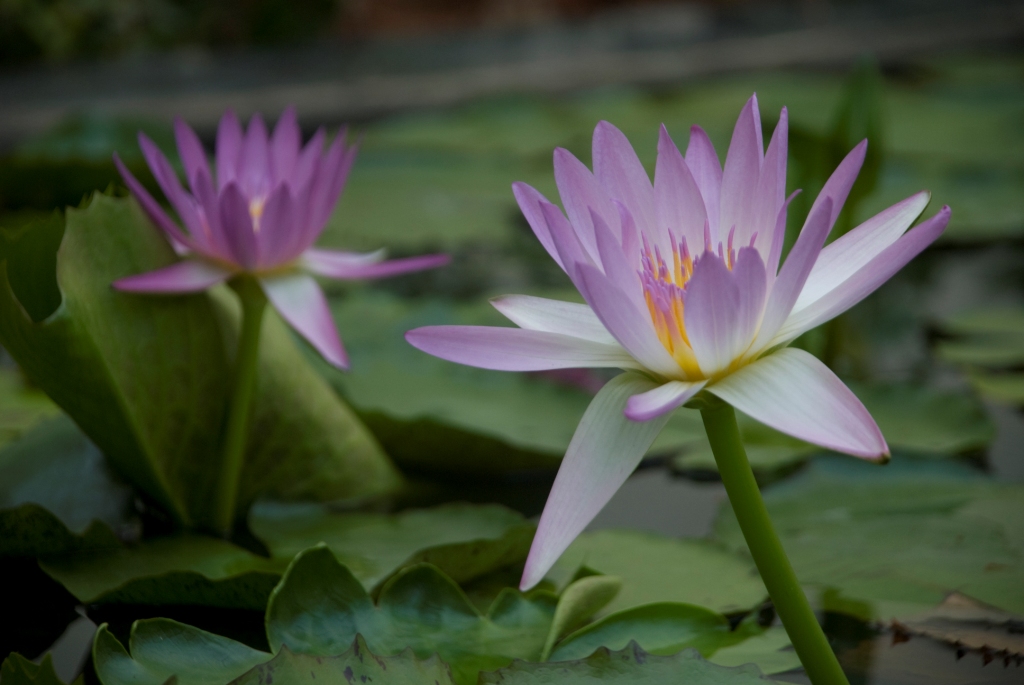
The Blue water lily is an iconic fresh water plant which is also known as Blue Lotus of India. It is widely seen in Kerala mostly growing in the fresh water ponds and brackish backwaters. The leaves of the water lily are oval shaped with a notch in the leaf stem. The solitary flower blooms in the dawn and withers in the dusk.
Elephant Ear Fig Tree – Ficus Auriculata
The Elephant Ear Fig tree is a semi-deciduous tree with large leaves and reddish fruits on its branches. The tree grows up to 1500 meters. It is commonly planted in villages. The leaves of this tree are an important fodder source due to its good nutritional qualities. Farmers consider this as better than other fodders.
Sacred Fig ( Ficus religiosa)
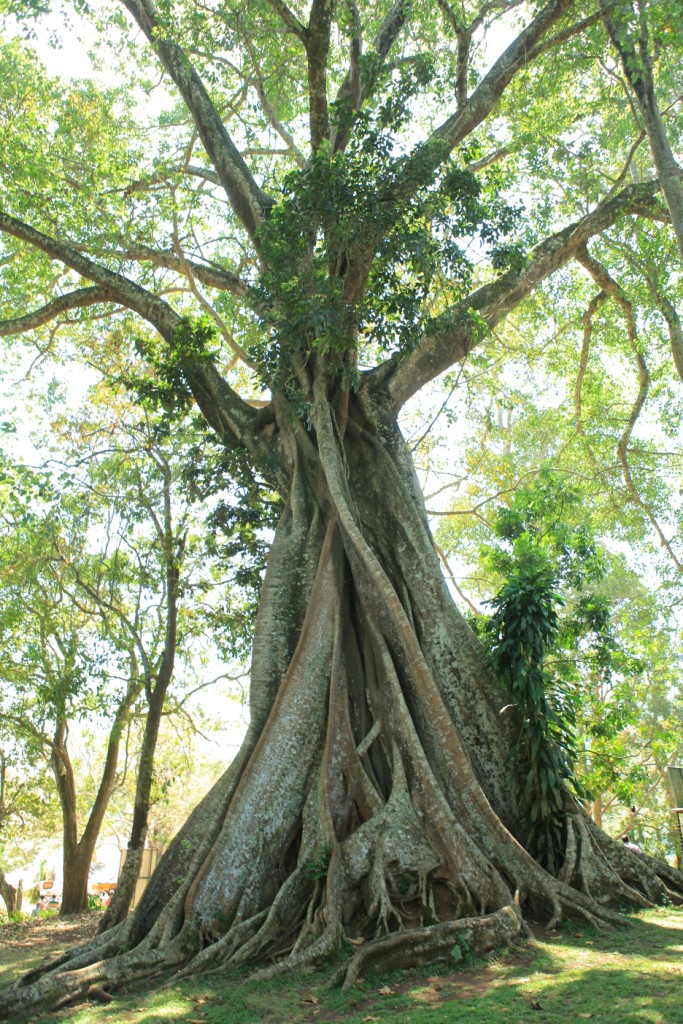
Ficus religiosa is a semi-evergreen tree that grows up to 30 meters in height with wonderful wide spreading branches. It is commonly known as Peepal tree, but is also known as Bodhi tree, Bo-tree and Holy tree. The fruit of the sacred fig is a favorite food for birds, monkeys, squirrels and fruit bats.
According to Buddhism (one of the religions of India), the Peepal is sacred because it is believed that Lord Buddha found enlightenment beneath this tree. Continue reading
Country Fig (Ficus Glomerata)
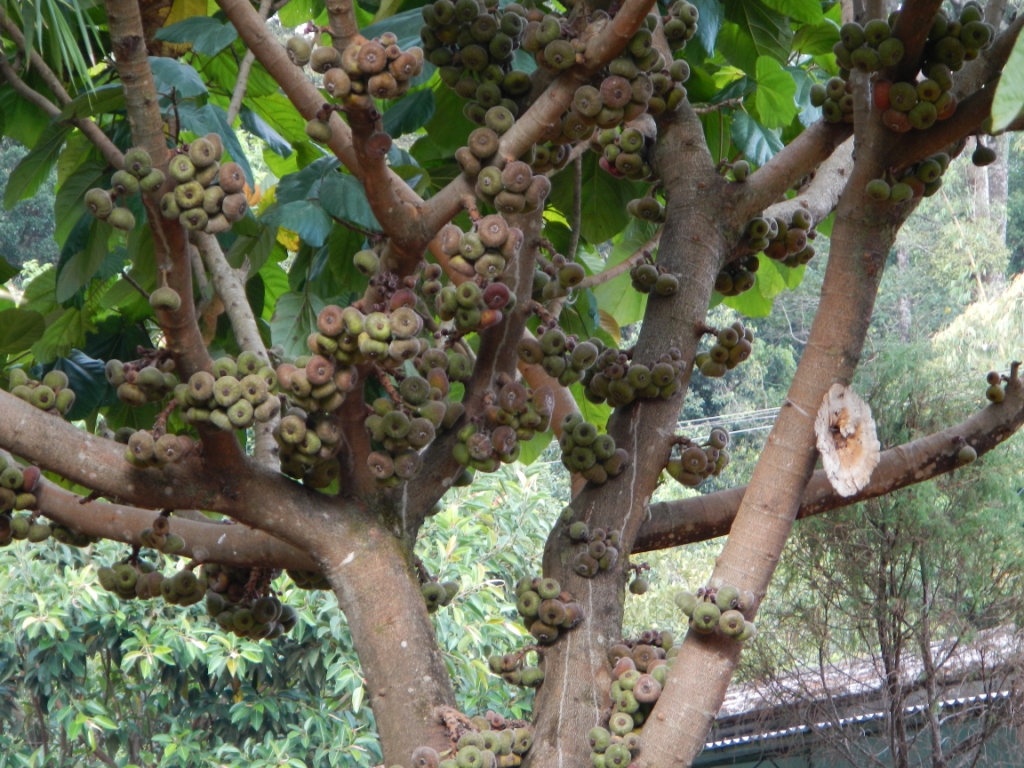
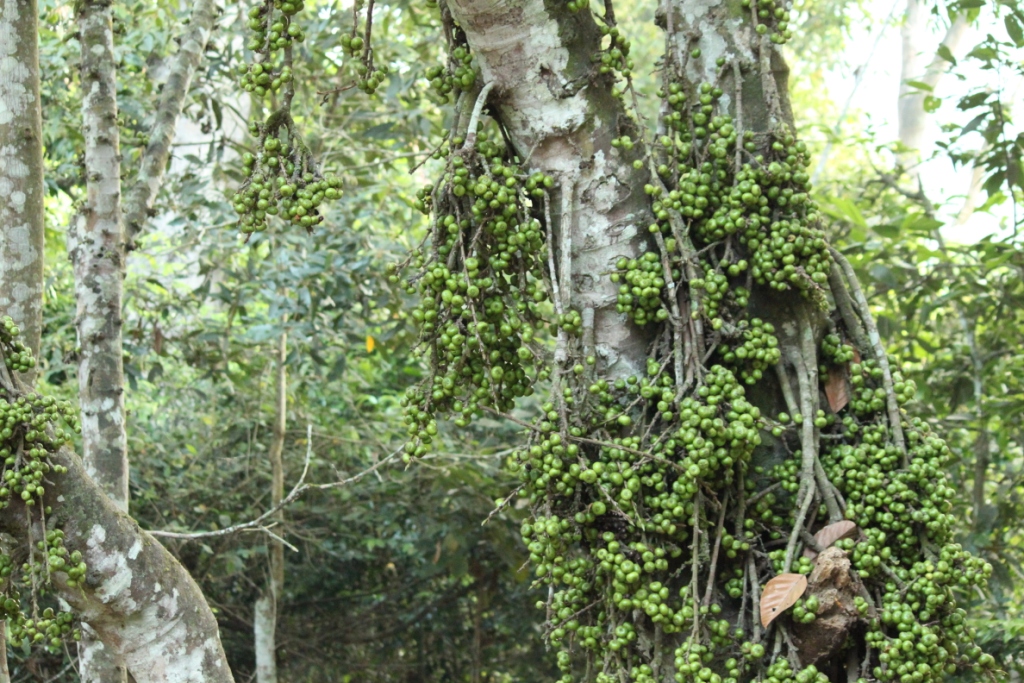
The Country Fig is a moderate sized tree with spreading branches and smooth, reddish brown bark. The most distinctive aspect of this tree are the red, furry figs which grow directly out of its trunk in tight clusters. The tree grows abundantly in the southern parts of India, especially in Kerala and Tamil Nadu, where it is known as Athi.