Blue Carbon Credits Better Understood

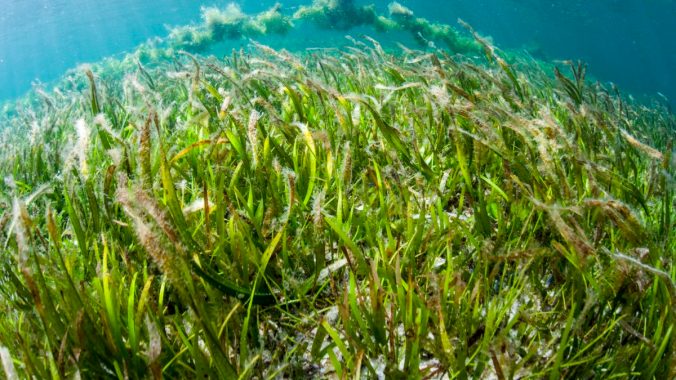
A seagrass meadow near Atauro Island, Timor-Leste. PAUL HILTON FOR CONSERVATION INTERNATIONAL

Thanks to Nicola Jones, as ever, and to Yale e360 for publishing this explanatory article on a relatively new topic:

Why the Market for ‘Blue Carbon’ Credits May Be Poised to Take Off

Seagrasses, mangrove forests, and coastal wetlands store vast amounts of carbon, and their preservation and restoration hold great potential to bank CO2 and keep it out of the atmosphere. But can the blue carbon market avoid the pitfalls that have plagued land-based programs?

A mangrove forest on the Leizhou Peninsula at the southern tip of China. KYLE OBERMANN

Off the shores of Virginia, vast meadows of seagrass sway in the shallow waters. Over the past two decades, conservation scientists have spread more than 70 million seeds in the bays there, restoring 3,600 hectares (9,000 acres) of an ecosystem devastated by disease in the 1930s. The work has brought back eelgrass (Zostera marina) — a keystone species that supports crustaceans, fish, and scallops, and is now absorbing the equivalent of nearly half a metric ton of CO2 per hectare per year. Continue reading

Brew & Conservation

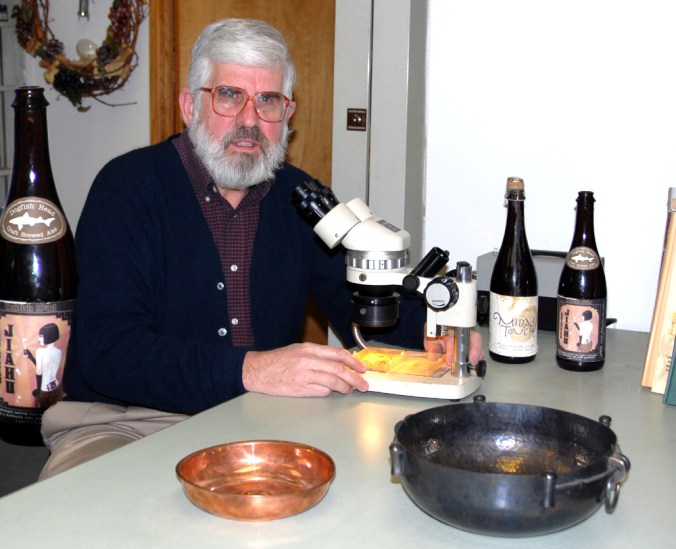
Patrick_McGovern_Analyzing_Midas_sample_at_Microscope.jpg

Patrick McGovern, Scientific Director of Biomolecular Archaeology Laboratory at the Penn Museum, examines a sample of the “King Midas” beverage residue under a microscope. Photo © Pam Kosty / Wikimedia through a Creative Commons license

And in other beer-related news, thanks to the Nature Conservancy’s contributors at Cool Green Science, particularly for Matt Miller’s article Dogfish Head’s Sam Calagione on Archaeology, Conservation and Beer:

Lessons From Ningaloo Reef

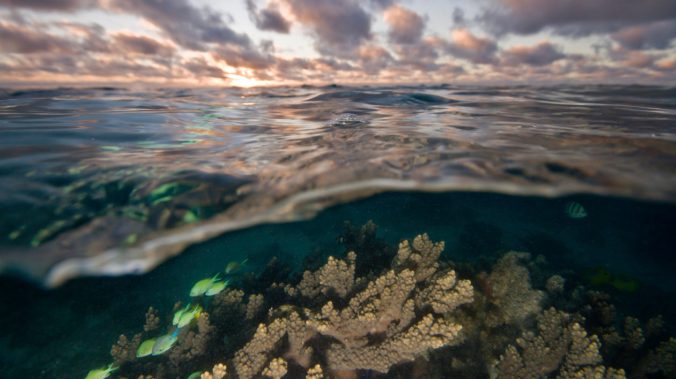
WOPA100627_D105

Acropora coral and blue green chomis on Ningaloo Reef in Western Australia. Photo © Steve Lindfield

Thanks to James Fitzsimons and The Nature Conservancy’s Australia program for this one:

Big, Bold & Blue: Lessons from Australia’s Marine Protected Areas

BY JUSTINE E. HAUSHEER

Australia has one the largest systems of marine protected areas in the world, from the coral-covered Great Barrier Reef to the sub-Antarctic Macquarie Island. Now, a new book details the lessons learned by Australian scientists, policymakers, and communities during more than 130 years of marine conservation.

The book — Big, Bold & Blue: Lessons from Australia’s Marine Protected Areas — gathers lessons learned from academia, government, NGOs, indigenous communities, and the fishing sector. Continue reading

“Lord God Birds”

Left: Ivory Billed Woodpecker by John James Audubon;

Right: Imperial Woodpecker by John Livzey Ridgway

In the world of ornithology and bird watching, scale is as important as plentiful plumage, vivid color or song style.  From Cuba’s Mellisuga helenae (bee hummingbird) to the Andean Condor, life lists are often based on superlatives.  The Campephilus (woodpecker) family has its own followers, especially the larger species that have eluded scientists and amateurs alike for decades.

While in Chaihuín, part of the Nature Conservancy’s Valdivian Coastal Reserve in Chilean Patagonia, we saw the Magellanic Woodpecker, a sighting that preceded a “Stop the Jeep!” moment of excitement.  Part of that excitement was based on the memory of a Cornell Lab of Ornithology film we’d recently seen about the Ivory Billed Woodpecker. Continue reading