Another vertical panorama, the Keyhole is a more artistic than depictive, unlike most of my photographs. I was struggling to get the shots I wanted to use in the picture (there were about 10) because of the lighting differences between the rocks on the bottom, the undergrowth in the lower third, the canopy, and the skyline. Getting an even light level in all the shots was complicated, requiring checking each shot and retaking them multiple times to ensure accuracy. After over 20 minutes I finally felt satisfied, and laboring twice that long in the digital darkroom resulted in the following image Continue reading
nature
Treeorama!
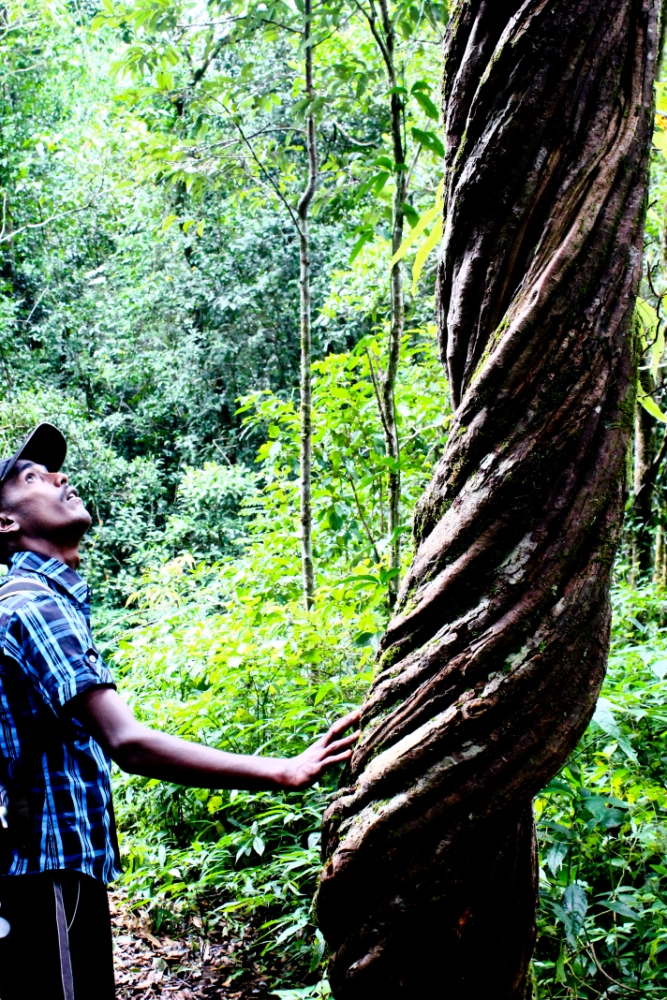
Pretty neat tree, right? See more below… much more! (not for the faint of bandwidth) Continue reading
Coromandel Marsh Dart
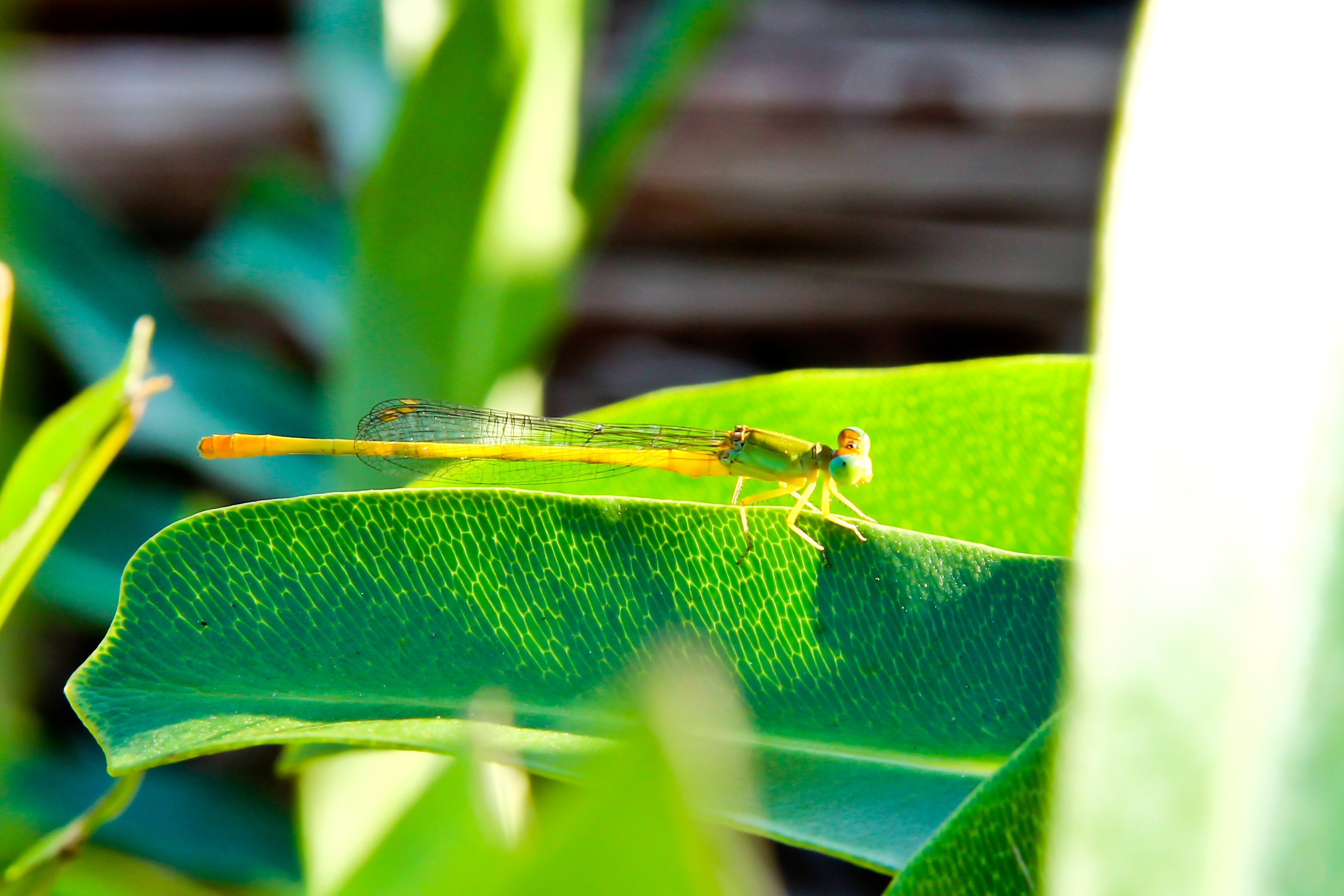
I love this picture because of the clearly visible veins on the leaf the damselfly is perched upon. This male marsh dart (Ceriagrion coromandelianum) was photographed in Panganad, Kerala, the same day as Continue reading
Yellow Bush Dart
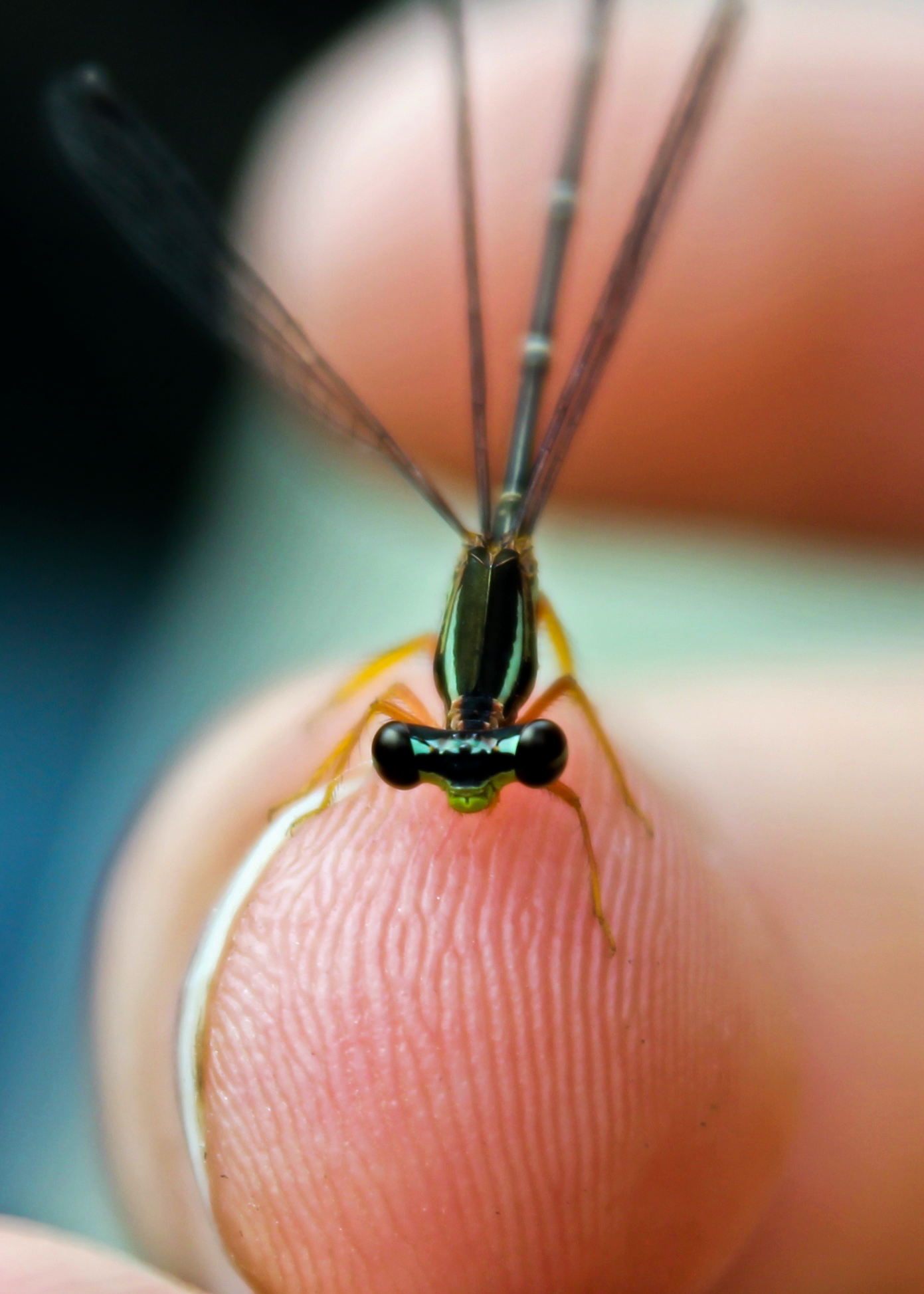
Yes, I used this picture in a previous post, but I feel it is worthy of a repost, especially when the female counterpart is included. If memory serves, this was one of, if not the first odonate picture I took with an SLR camera. Continue reading
Granite Ghost
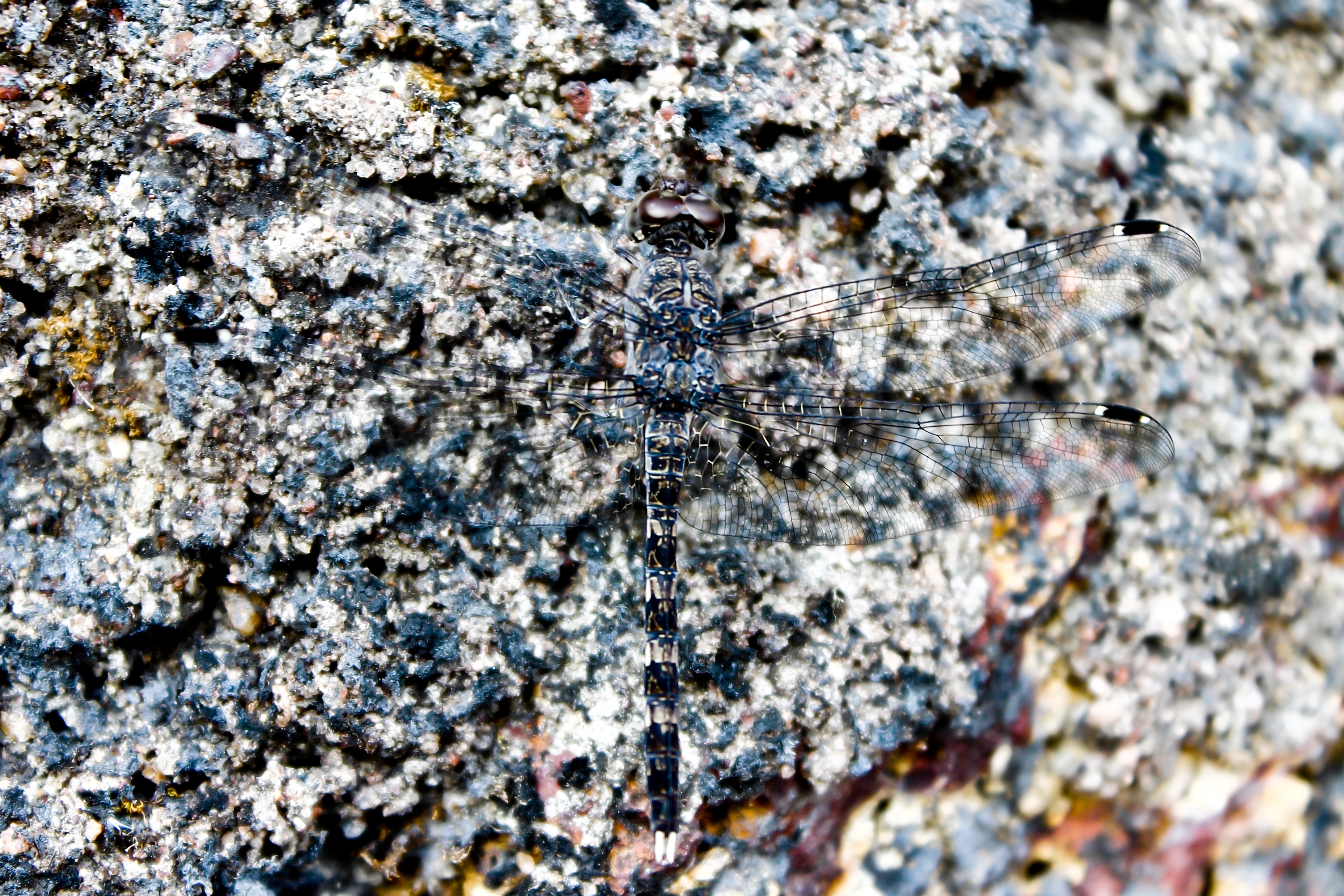
Bradinopyga geminata (male)
I’m still a student of Indian dragonflies (of the world, for that matter), but one species that has captivated me since I read about it is the Granite Ghost – Bradinopyga geminata. Typically an urban dweller, the species has adapted itself to city life – breeding in water tanks, feeder ponds, and all other pools of water that can be found in a metropolis. The species is so well suited to concrete jungles not only because of its extreme agility and keen hunting senses, but because of its remarkable ability to remain unseen. Continue reading
White Dartlet
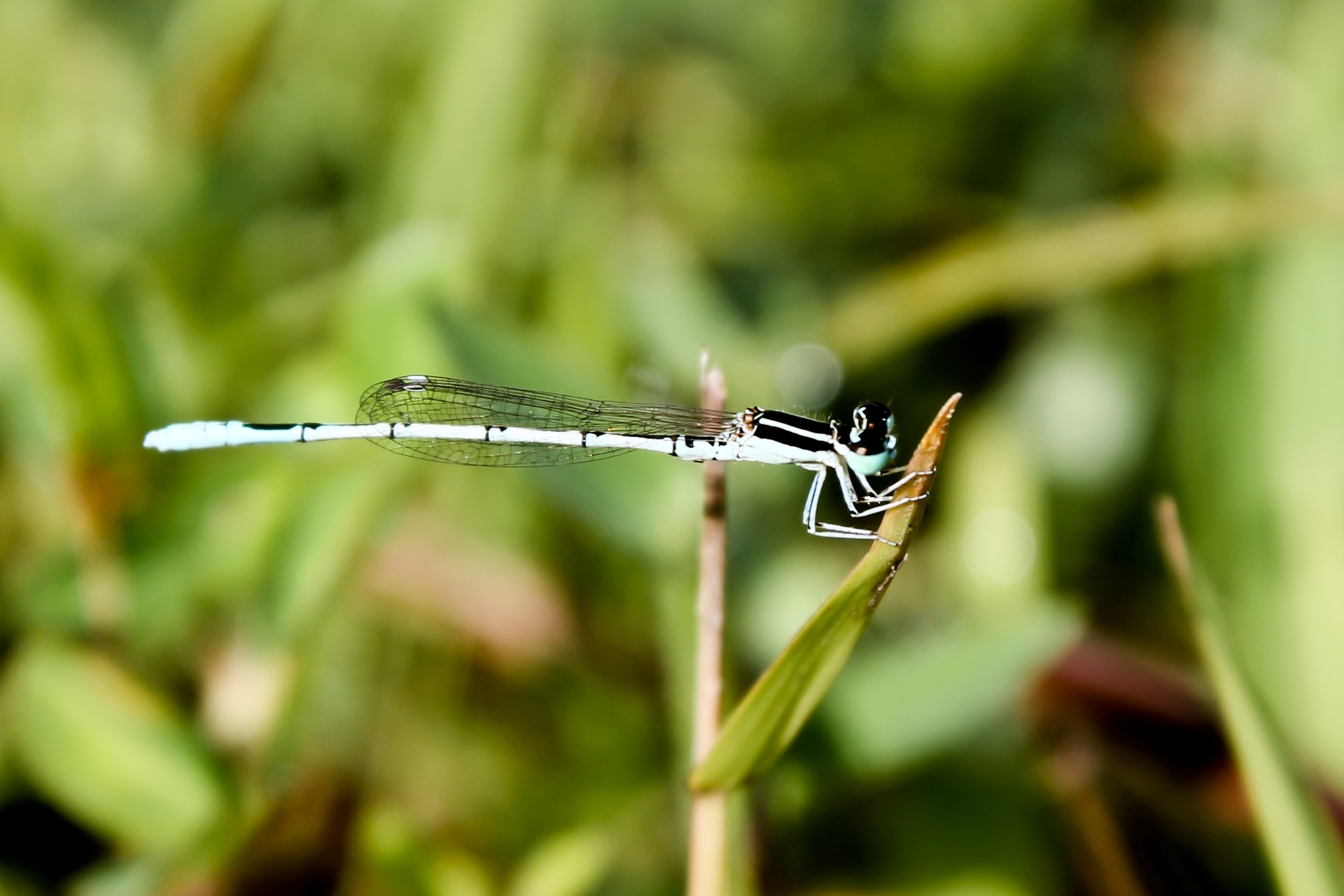
Small even for a damselfly, the White Dartlet measures about 18mm (under an inch). Continue reading
Rubytailed Hawklet
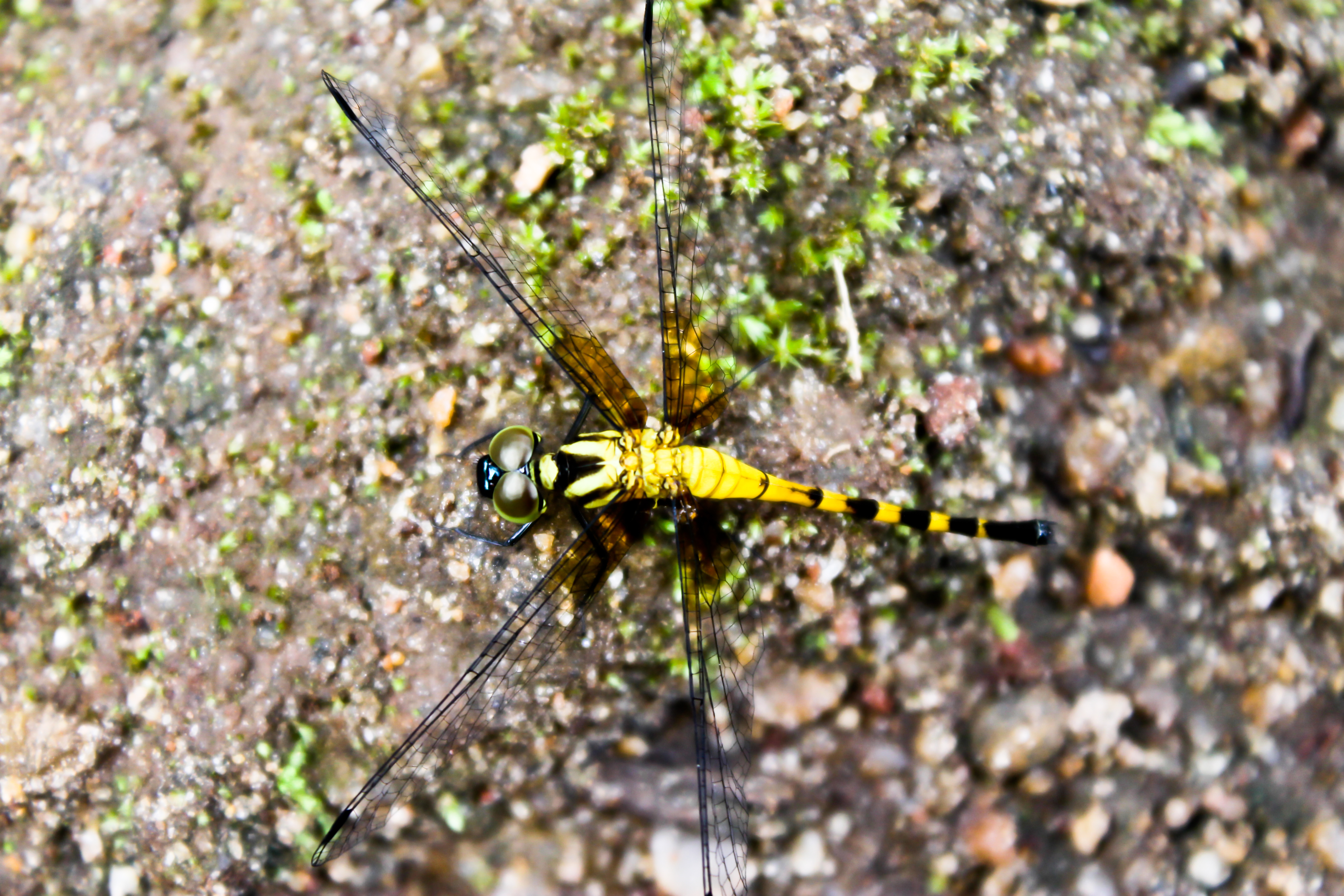
Another stark contrast between male and female specimens, Epithemis mariae is a small species of dragonfly found in and out of the Western Ghats. The female pictured above was sighted in the organic garden of Cardamom County, and the male pictured below Continue reading
Pied Paddy Skimmer
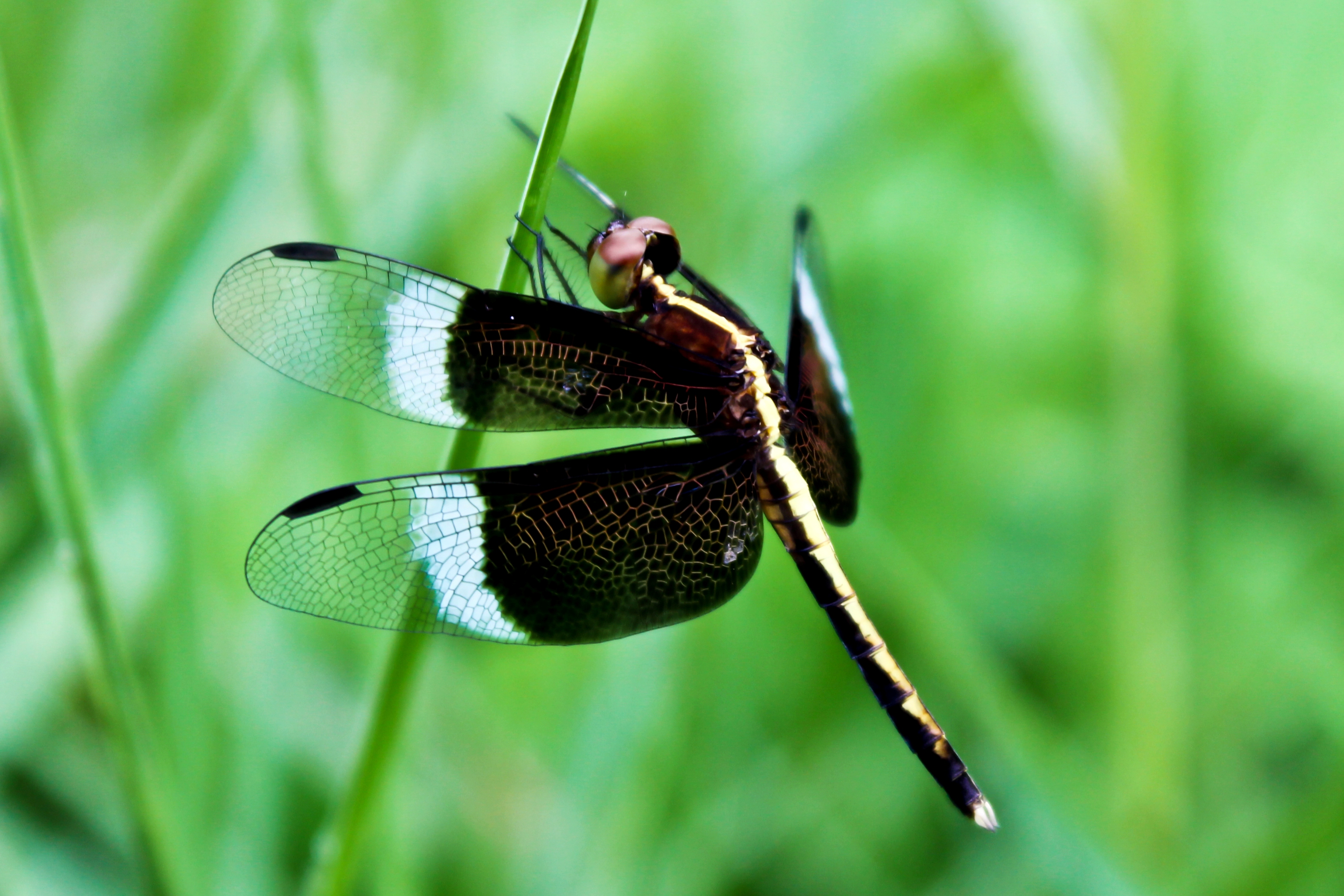
The Paddy Skimmer is one of the smaller species of dragonfly that can be seen in the Western Ghats. Measuring about an inch long, their flight range is very limited, although apparently their breeding capabilities are unhindered, as they are without a doubt one of the most numerous species to be seen in fields, both wild and cultivated. The teneral (young) male has a black and gold body, green and red eyes, and would be difficult to distinguish from the female if it weren’t for the differences in their wings – the male’s (both in youth and maturity) are about half black, with the other half equally divided between a white strip and a transparent tip. The female’s wings are more complicatedly patterned, although mainly transparent. Continue reading
Scarlet Skimmer
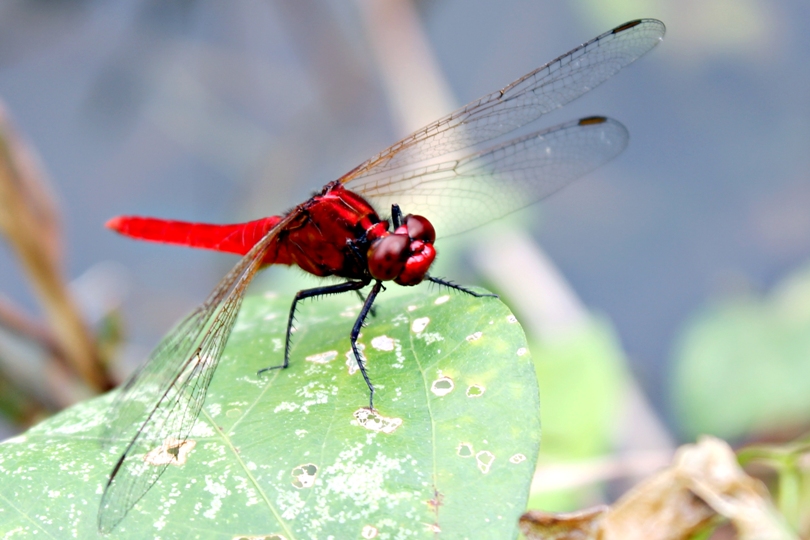
One of the fastest and most agile dragonflies I’ve seen, this red male was sighted on a riverbank in Alleppey, Kerala. Although not unusually large, this insect stands out due to its bright red body and head. Most of the red dragonflies I have seen (in the genus Orthetrum for the most part) have some combination of colors – azure eyes, black face, blue thorax and red abdomen (O. pruinosum); black eyes, red face, brown thorax and red abdomen (O. chrysis), etc.
Amphibians of Periyar
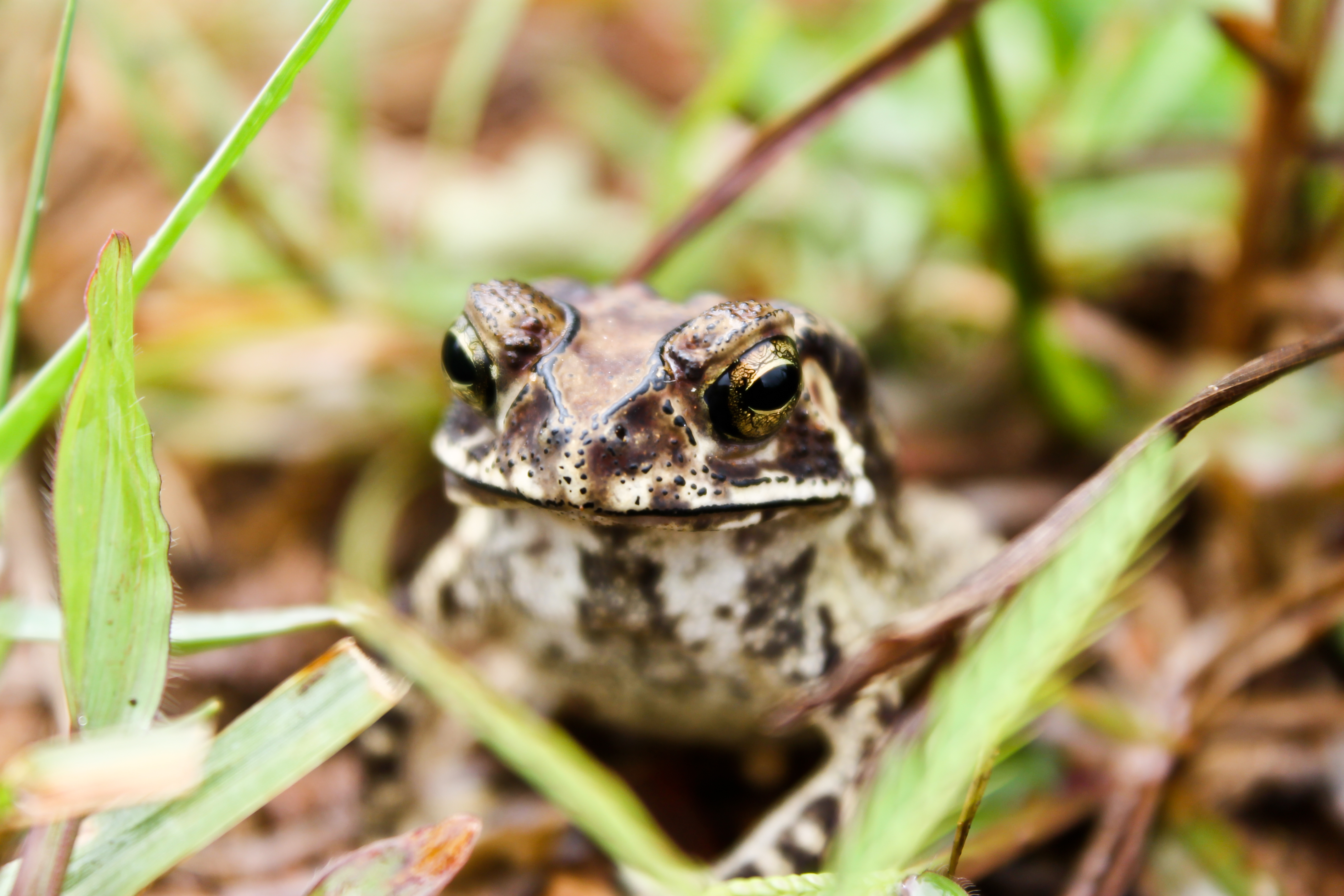
So far, my treks in the Periyar Tiger Reserve have yielded a generally consistent array of wildlife sightings. Insects and spiders are a constant, birds of some sort or other are common, boar and gaur are to be expected, deer are a pleasant (but not huge) surprise. Elephants are not uncommon to see, but don’t stand around modelling for pictures, and are usually sighted from a great distance. Tigers are out of the question to see, except for the extremely fortunate. Of course, this leaves out dozens of categories of creatures, and hundreds (possibly thousands) of species. Amphibians are a pretty constant sighting, mainly in the form of frogs and toads. To be honest, I don’t really know the difference, but I do have a definite ID on one species: the Common Indian Toad (Duttaphrynus melanostictus).
Strengthening Helpers’ High
Lately, I have been pondering altruism, one’s unselfish devotion to the well-being of others often without regard to personal well-being. I admit I am befuddled by the concept. It challenges theories of evolution and even caused Charles Darwin to question his own theory of natural selection—how could these acts of self-sacrifice exist in a world full of the fittest habitants, that possess only an incentive to survive and reproduce? Regardless, I find it very encouraging to witness such selfless behaviors from my fellow mankind. This behavior takes many forms in many aspects at many different times.
 For instance, I reflect on the aftermath of September 11, 2001. This date was one of the earliest times in my life when I acknowledged altruism’s existence. I remember people gathering in tribute to the dead, celebrities organizing benefit concerts to raise money, and yellow ribbons streaming across nearly every home and shirt lapel signifying compassion for lost lives. After Hurricane Katrina swept through the Gulf Coast, citizens all over the nation offered their support; my family even opened our home to refugees for a few weeks. Similarly, this year’s September flooding of the southern tier of New York and the recent damaging snow storms of the East Coast have brought out the kindness and generosity of neighbors. From the Flight 93 passengers to storm rescuers, altruism spurs many questions: Why are some people willing to help even at their own expense? Why do some feel the urge to help more strongly than others? Can altruism be learned or is it innate? Continue reading
Bird of the Day: Indian Pitta

Thekkady, Kerala
Urbanature
Yes, spotting wild elephants on a mountainside is exciting. Agreed, a field full of flowers that blooms once every dozen years is a heart-warming sight. But not everyone who loves and appreciates nature has the time or money to travel to places where such phenomena can be experienced. Many people who live in cities – myself included – complain about not being able to connect with nature the way they would if they weren’t urbanites. However, I recently had an eye-opening (or re-eye-opening, rather) experience in Chennai, a city proportionally larger and less vegetated than Cochin, where I live, which showed me that nature is never far away. Continue reading
Blue Marsh Hawk
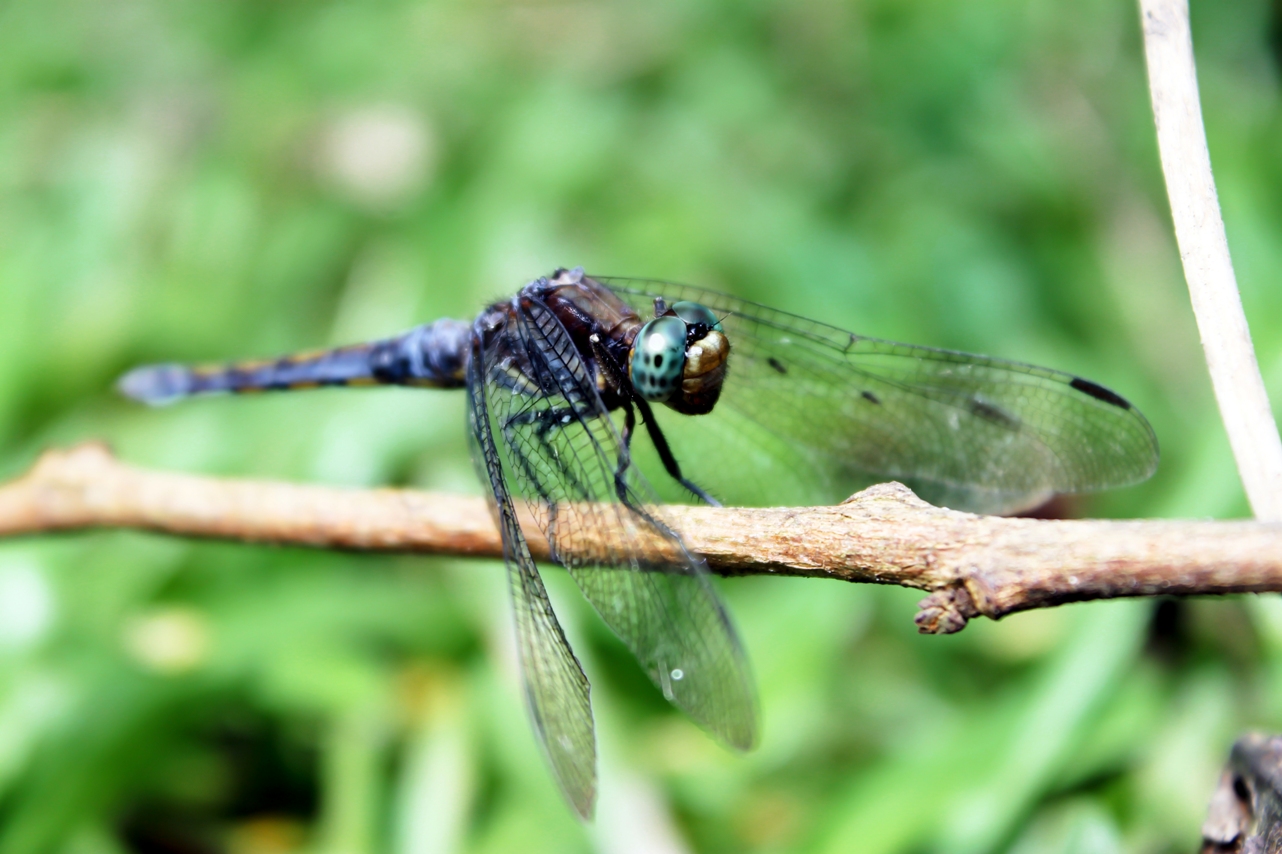 A female Blue Marsh Hawk (Orthetrum glaucum) photographed in the Periyar Tiger Reserve. In some species of dragonfly, the male and female are remarkably similar. Blue Marsh Hawk males are similar to females, although their ‘face-plate’ is significantly darker and the abdomen is lacking the prominent yellow stripes present on the females. Continue reading
Green Marsh Hawk
 Mating pair of Green Marsh Hawks (Orthetrum sabina) in the Periyar Tiger Reserve. The duo is surprisingly aerodynamic – despite the female’s unusual position (as I found out from having to chase the dynamic duo across a field). This was not only the first copula I have seen in person, but the first I photographed – I’m quite happy with the results.
Ditch Jewel
 Male Ditch Jewel (Brachythemis contaminata) spotted on a riverbank in Alleppey, Kerala. The Allapuzha District is home to an extensive network of backwaters as well as rice paddies, an ideal breeding ground for dragonflies and damselflies, as well as one of Kerala’s main destinations (for human visitors, that is). The male and female are difficult to distinguish Continue reading
Trumpet Tail
 Mature female Trumpet Tail (Acisoma panorpoides) photographed in the Periyar Tiger Reserve. Unfortunately well camouflaged (at least for their prey and photographers), this species is another exceptionally small one. The good news for me was that Trumpet Tails, due perhaps to their small stature (and presumably metabolism) cannot fly for long distances, and therefore are easy to chase and photograph.
I find the abdomen’s structure to be quite beautiful – certainly more so than the straight-and-narrow ones of say, gliders or marsh hawks. Sadly, although I found the male to be more attractive Continue reading
Orange Marsh Dart
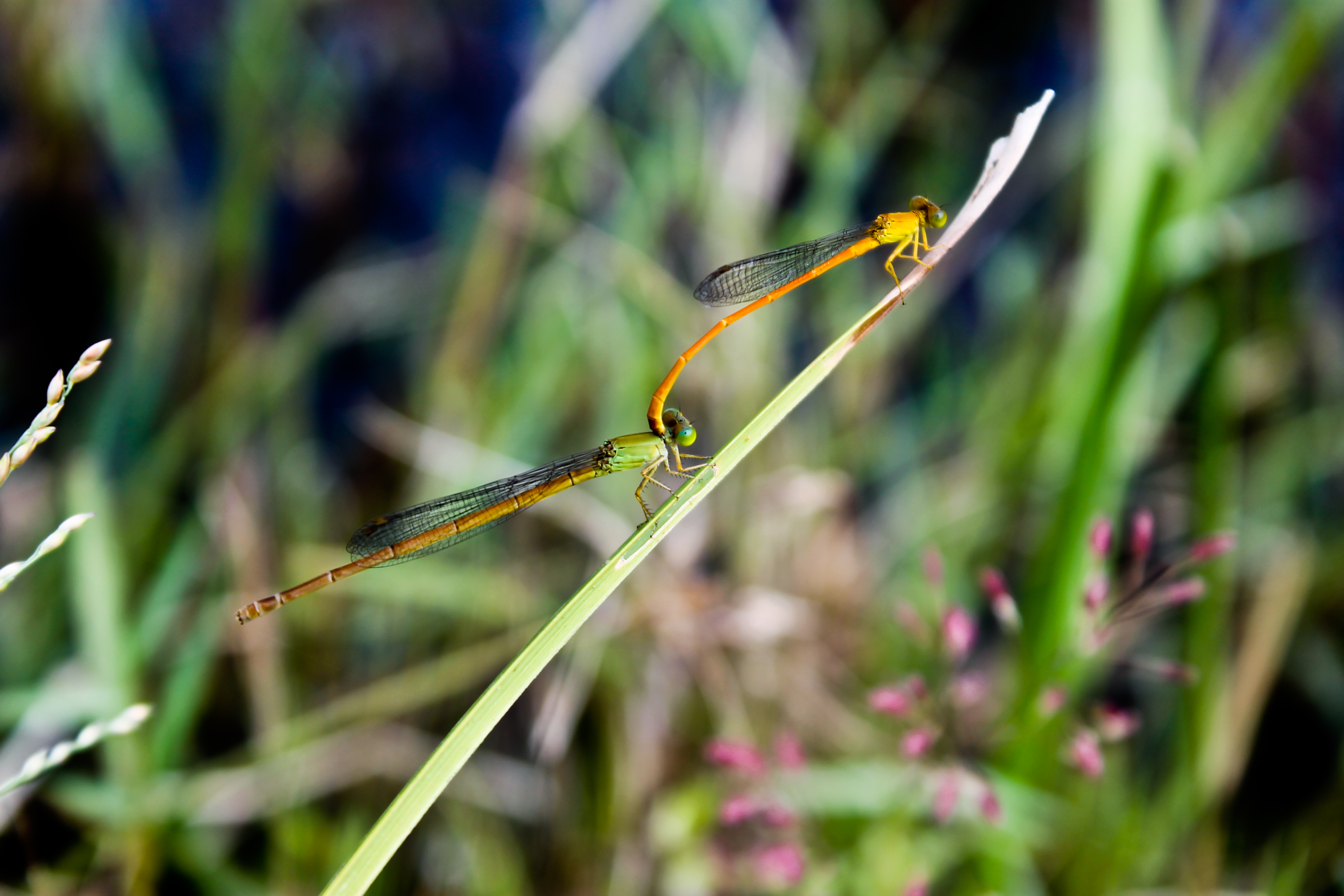 Orange Marsh Darts, Ceriagrion rubiae in copula, photographed in the Periyar Tiger Reserve. The male is mostly golden, while the female is more olivaceous. I’m unsure whether this is exclusive to this species or in all damselflies Continue reading
Blue-Tailed Yellow Skimmer
 A mature male Blue-Tailed Yellow Skimmer, also known as Asian Widow (Palpopleura sexmaculata) shot in the Periyar Tiger Reserve. This is undoubtedly the smallest species of dragonfly I’ve photographed, scaling it at close to under an inch long. The dragonfly’s abdomen is unique – not only in length, but in breadth and shape. The Trumpet-Tail is another uniquely-abdomened dragonfly I’ve spotted in Periyar – pictures of her next time.
For some reference to size, here’s a short anecdote Continue reading
A Well-Rounded Adventure
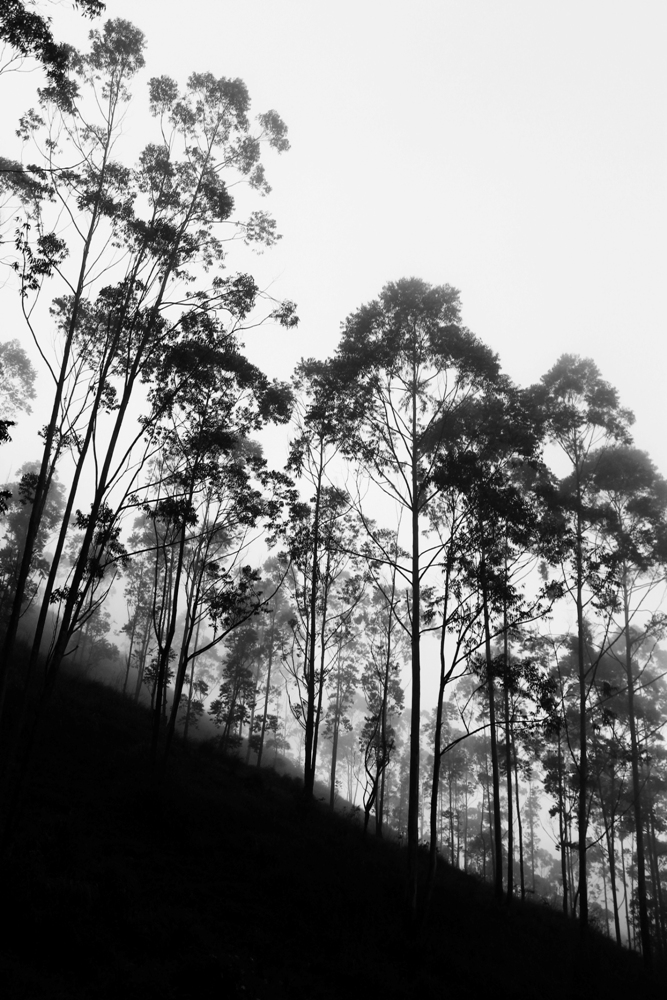 “Mists, ah, very problem!”
I glanced sideways at the boisterous Mallu man driving the jeep along the winding mountain road. Like his passengers, he was peering out of the vehicle at the steep slopes around us, scanning them for wildlife, abetted by the pre-dawn lighting and the heavy mists.
If any elephants or bison were grazing upon the high hills we drove through, they were impossible to see thanks to the cotton-thick mists blanketing the tall grass and trees that covered the terrain. As the vehicle banged and clunked over potholes at high speeds, I held determinedly onto the railing for dear life, occasionally risking freeing my hands for a photograph of the scenery speeding past.
Some ways down the road, once the sun had risen above the horizon, the jeep rolled to a stop under a densely canopied corridor. My eyes began to search the trees for the reason of our stop to no avail – the driver pointed to what I had previously taken for a pile of rocks, proclaiming it to be a tribal temple. Upon a second look, I realized that the blocks of granite were hewn into rough rectangles, and while in no particular order, they were indeed surrounding a small garlanded icon. Continue reading
 Organikos