Mobile Farmers Market Headed to Austin Neighborhoods

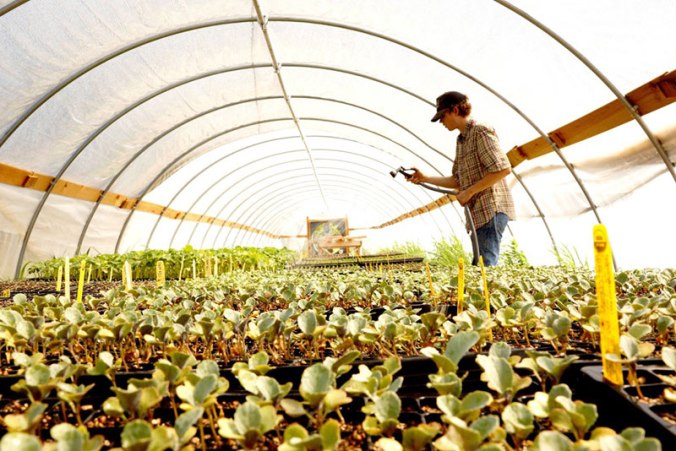
ben-watering-transplants-2

Source: Farmshare Austin

We have shared on previous occasions the benefits of organic farming. Well, getting affordable organic produce to neighborhoods who don’t have a single grocery store is commendable task, and the mission of Farmshare Austin. The non-profit organization received a grant from the city to help launch the program, which will make designated weekly stops in neighborhoods around Austin that lack access to organic fruits and veggies.

“Large areas of the city and county do not have full-service grocery stores, and it can be difficult for people in these places to get fresh, affordable food for themselves and their families,” [says] Taylor Cook, Farmshare Austin’s executive director. The market will target four areas, for now, that need the service most, and it will park in each district through an afternoon and evening. Cook says besides offering fresh seasonal produce from the organization’s 7-acre organic farm, they will also offer other staples, like cooking oil, on hand, so residents will have access to everything they need to cook a meal. The program accepts SNAP benefits and participates in the Sustainable Food Center’s Double Dollars program, allowing consumers using food assistance  to double their buyer power for fruits and vegetables. The pilot program will begin next month and run through the end of December. Cook says they hope to expand the mobile farmers market program in the coming years.
Continue reading

An Abandoned Quarry Transformed

img_9482-1

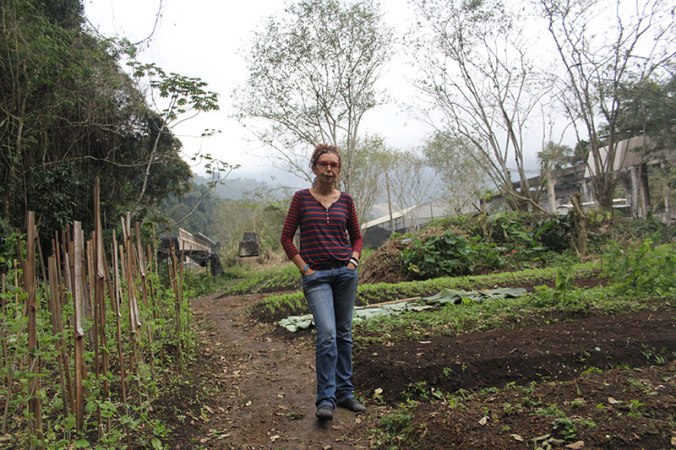
Fátima Anselmo, owner of Orgânicas da Fátima. All photos from: modernfarmer.com

The following is a story about a woman in Rio de Janeiro whose passion for sustainable farming, along with the support of a loyal community, allowed her to transcend an unforeseen hardship and turn an industrial wasteland into a fruitful organic farm. Here’s the story as told on Modern Farmer:

On a steep, forested hillside, in what was once a quarry in Rio de Janeiro, Fátima Anselmo scoops a handful of loose, dark soil from one of her garden beds. “It’s alive!” she says, holding the dirt in the air.

The whole place, in fact, is bursting with life.

Continue reading

The Development of Organic Farming

4437

All photos from: The Guardian

The debate of whether or not an organic diet is healthier has long been in question and does not yield a definitive scientific answer, but instead a consensual logical conclusion.  An organic diet is beneficial in that food free of pesticides and chemicals is safer and better for us than food containing those substances. Although organic agriculture occupies only 1% of global agricultural land, the growth of this industry is projected to increase as population growth, climate change and environmental degradation progress and will therefore necessitate agricultural systems with a more balanced portfolio of sustainability benefits.

With that prospect in mind,  John Reganold and Jonathan Wachter from Washington State University conducted a study, Organic Agriculture in the 21st Century, published in Nature Plants, that compared organic and conventional agriculture across the four main metrics of sustainability: be productive, economically profitable, environmentally sound and socially just.

[They] found that although organic farming systems produce yields that average 10-20% less than conventional agriculture, they are more profitable and environmentally friendly. Historically, conventional agriculture has focused on increasing yields at the expense of the other three sustainability metrics.

Continue reading

Seed Saving as a Safeguard for Biodiversity

logo

This is a seed savers network we are looking to collaborate with on our organic farm initiatives.

The recent post here about The New Yorker article on genetically modified seeds and Vandana Shiva helped me understand more about this era we are entering of biotechnology.

Regardless of whether or not it’s healthy to consume genetically modified foods, we are at risk of losing biodiversity and heirloom varieties. In support of protecting biodiversity, having heirloom varieties of plants in the La Paz Group gardens is important. Once the plants go to seed, we can save them to plant the following season.  Continue reading

Notes from the Garden: Building a house or a vegetable cage?

photo 2

Measuring the length of our new monkey-protected area in the organic farm at Cardamom County

Building a 15 meter x 20 meter vegetable cage is no small feat. The last estimate we had was that it would cost about 4 lakhs, which is apparently the cost of a small house. A lakh is a unit in the South Asian numbering system equivalent to 100,000. So, is 400,000 rupees worth it for a vegetable cage? I think spending energy to get a smarter design would be more worth it.

With the help of Raxa Collective’s head engineer, it is very likely we will be able to lower that cost significantly. As I talked about in my post about quantifying farm-to-table, I think that with a combination of lowering the cost and then taking advantage of the monkey-protected area as vigorously as possible with efficient use of the space, it will be worth it. There are elements of farm-to-table that are not quantifiable but can be seen in the overall conservation story of supporting smart land-use practices.

At the end of the day, at least the food here is locally sourced mostly from the Cumbum vegetable market in Tamil Nadu. This market is only about 25 km away and the farmers in that market are relatively close. This is far better then the way most food is sourced in the United States.

In the United States, eating local is a challenge. Most agriculture in the states is for corn and soybeans, rather than vegetables. And “local” is difficult when the local environment has few green spaces left, let alone farmland. So even though we don’t have “monkey-challenges” to growing our food locally in the states, we have monocultures and rapid suburbanization keeping us farther and farther away from fresh food.  Continue reading

WED 2013: Megawasted Opportunity?

WED 2013 - Raxa Collective

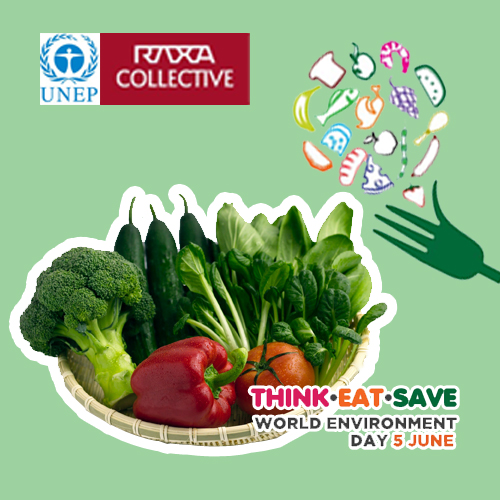
On June 5, we’ll celebrate World Environment Day. This year UNEP focuses on the theme Food waste/Food Loss. At Raxa Collective we’ll be carrying out actions and sharing experience and ideas. Come and join us with your ideas and tips to preserve foods, preserve resources and preserve our planet.

When I tell people that it’s possible to grow highly nutritional food on agricultural waste products with almost zero technology, I usually get a blank look. On a good day, someone will demand an explanation. Why would such a process, if existent, be so obscure if it could help solve malnutrition in underdeveloped communities? While I’m sure there is a logical explanation for this, it remains a mystery to me at present.

Continue reading

Pomelo (Citrus maxima)

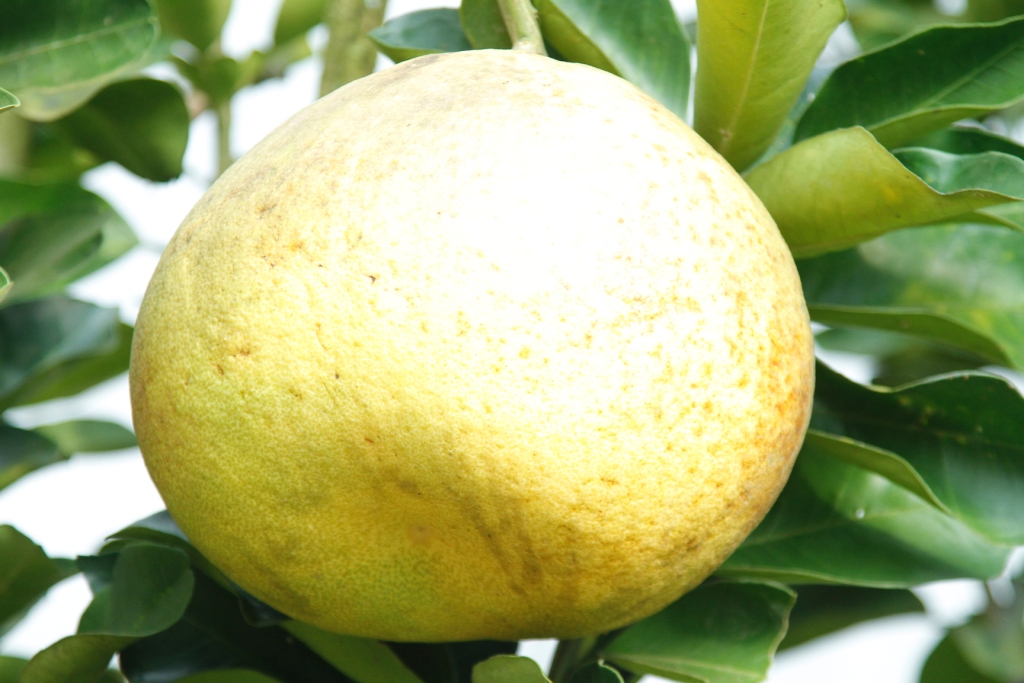
The pomelo is the largest fruit in the citrus family and usually grows throughout Southeast Asia. The thick, easy to peel rind surrounds, juicy and fairly sweet yellow or pink flesh. The fruit averages about 15-25 centimeters in diameter and weighs around 1-2kg. Continue reading

Sustainable Operations in Kumily

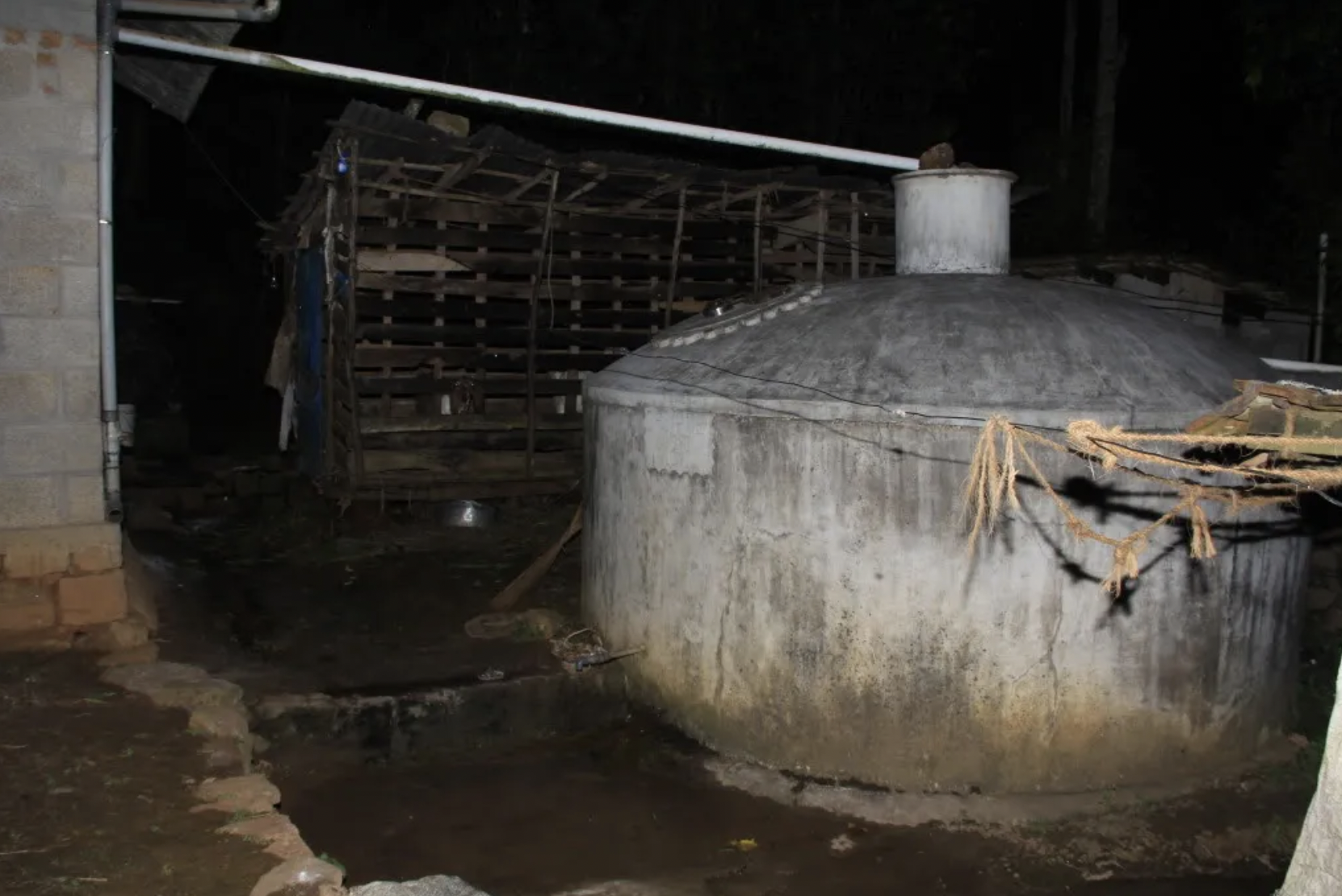
Sustainable tourism and operations are what initially drew me in to coming to Kerala, India at the Cardamom County. Water conservation is a central issue facing the world today. Coming from Canada, which is said to store up to 20% of the world’s fresh water, the idea of not having water to drink is a strange one. Of all the water on our planet, 97.5 per cent is sea water and three-quarters of the remaining 2.5 per cent is locked in polar ice caps. The tiny bit left over is drinkable. Natural rainwater harvesting is a common practice throughout much of the Thekkady area and Kerala in general. Pots and larger storage vessels like the one pictured below are often used by the locals to hold rainwater that is abundant during the monsoon season from June to August.


It is considered fairly clean for use in washing clothing, dishes, and people themselves. The bottled water, however, in the form of individually packaged Aquafina bottles poses an issue. Fortunately Pepsico and Aquafina do use UV treatment, reverse osmosis, ozonisation, carbon filtration, and sand filtration to treat their water and has a protocol of giving back more water than is taken in a program called “Positive Water Balance”. Pepsico India saved 836 units more water than it consumed in 2009, which is an uplifting thing to hear about.

On-site organic farming results in a great number of useful plants and herbs which can be made into oils, creams, and pastes which are central to the Ayurvedic Centre run by certified ayurveda practitioner Dr. Vinu. Among the more interesting herbal remedies is from the serpentine root or rauvoifia tetraphylla which provides an antidote for snakebites.


Continue reading